Halogenoderma: Causes, Symptoms, and Treatment
Understanding halogenoderma: A rare skin reaction from halogen exposure and how to treat it effectively.
Halogenoderma: Understanding a Rare Skin Condition
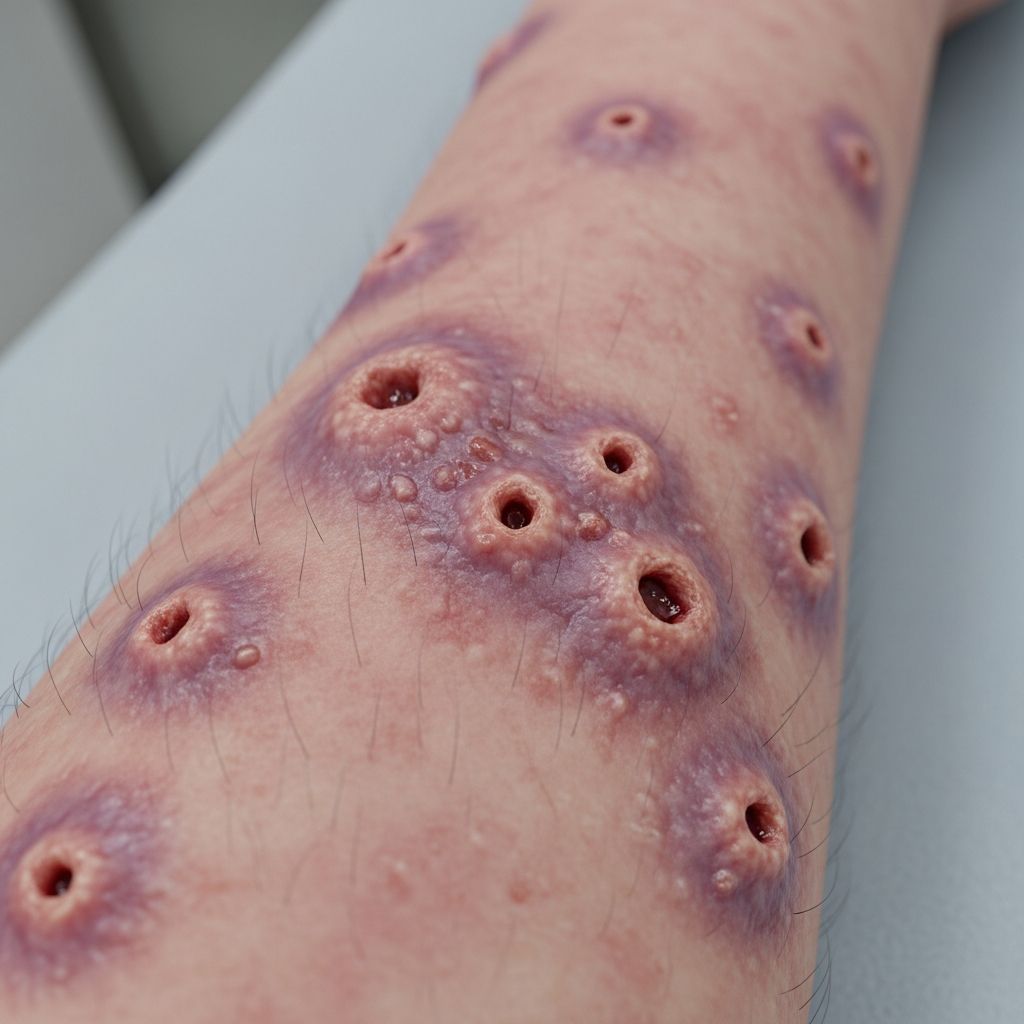
A halogenoderma is a rare skin reaction that develops following exposure to high levels of halogen-containing drugs or substances. This dermatological condition results from the accumulation of halogenides in the body, leading to characteristic skin eruptions that vary in presentation and severity. The condition typically manifests weeks or even months after exposure to halogen compounds and can persist for an extended period due to the slow elimination rate of these substances from the body.
What Are Halogens?
Halogens are a group of natural chemical elements with similar properties that are commonly found in various medications, disinfectants, and industrial products. The most clinically significant halogens associated with dermatological reactions include iodine, bromine, fluorine, and chlorine. These elements are frequently incorporated into pharmaceutical formulations, particularly in sedatives, anti-epileptic medications, and topical disinfectants. Understanding halogen sources is crucial for identifying potential exposure routes and managing this condition effectively.
Clinical Features and Presentation
Halogenoderma presents with diverse cutaneous manifestations that can vary significantly between individuals. The most common presentation involves pustules or papulopustular lesions typically found on the face, neck, back, and limbs. However, the condition can manifest in multiple forms depending on the type of halogen exposure and individual susceptibility.
Common Clinical Features
- Pustules and papulopustular eruptions, often resembling acne
- Red, itchy, and inflamed skin patches with eczema-like appearance
- Large vegetating lesions as opposed to simple pustular eruptions
- Bullae (fluid-filled blisters) and ulcers in severe cases
- Skin peeling, crusting, and scaling in affected areas
- Burning sensation or pain on the skin, particularly at exposure sites
- Acneiform eruptions resembling deep fungal infections
- Potential scarring or pigmentation changes following resolution
The lesions often appear sore or tender to the touch, and affected individuals may experience significant discomfort. In severe presentations, lesions may ulcerate and weep, requiring specialized wound care and medical intervention.
Types of Halogenoderma
Halogenoderma is classified into several subtypes based on the specific halogen element responsible for the reaction:
Iododerma
Iododerma results from excessive iodine or iodide exposure and represents one of the most common forms of halogenoderma. This type frequently occurs in individuals using iodine-containing medications, supplements, or through excessive dietary intake of iodized products. Clinical presentations range from mild acneiform eruptions to severe ulcerative lesions.
Bromoderma
Bromoderma develops from exposure to bromine-containing compounds, historically more common when bromide-based sedatives and anti-epileptic medications were in widespread use. Although the use of such bromide-containing drugs has declined significantly, bromoderma remains an important diagnostic consideration in patients with relevant exposure history. This form can present with particularly severe vegetating plaques and deep ulceration.
Fluoroderma
Fluoroderma is caused by fluoride exposure and presents unique characteristics. Fluoride is present in oral hygiene products such as toothpastes and mouthwashes, resulting in lesions predominantly appearing around the mouth and jawline. Acute fluoroderma has been documented in patients exposed to fluoride-containing anaesthetics such as sevoflurane during surgical procedures.
Related Stories



Chloracne
Chloracne represents a specific form caused by exposure to chlorinated compounds. This type is commonly seen in industrial workers or individuals exposed to certain pesticides and herbicides containing chlorinated compounds.
Causes and Risk Factors
Halogenoderma develops through prolonged exposure to high levels of halogen-containing substances. Understanding potential exposure sources and risk factors is essential for prevention and early identification.
Primary Exposure Sources
- Medications containing halogens, particularly older formulations of antiseptics and disinfectants
- Prolonged exposure to halogen-containing compounds in occupational settings
- Industrial accidents involving exposure to halogen gases or chemicals
- Ingestion or inhalation of halogen-based substances like chlorine or bromine
- Improper handling of cleaning agents, pesticides, or herbicides containing halogens
- Excessive dietary intake of iodized products or iodine supplements
- Exposure to fluoride in oral hygiene products or anaesthetic agents
Risk Factors for Development
Certain individuals face elevated risk of developing halogenoderma upon halogen exposure. Individuals with acute or chronic renal failure are particularly susceptible due to their impaired ability to clear halogenide compounds from the body. Additionally, those with underlying thyroid disorders or documented hypersensitivity to halogens demonstrate increased vulnerability. The cumulative dose and duration of exposure significantly influence disease development, with higher exposures and prolonged contact substantially increasing risk.
Pathogenesis and Mechanism
The exact pathogenic mechanism of halogenoderma remains incompletely understood, though current research suggests multiple contributing factors. The condition is thought to involve a Type 2 delayed hypersensitivity reaction in response to accumulated halogenides. This immune-mediated process explains the delayed onset of symptoms following initial exposure.
Halogens such as lithium act at the thyroid gland level to block the release of thyroxine, with documented associations between lithium use and the development of goiter and hypothyroidism. Lithium also inhibits iodide uptake within the thyroid gland, further disrupting normal thyroid function. The slow elimination rate of iodides and bromides from the body—due to their extensive distribution and limited renal clearance—contributes to prolonged symptom duration even after exposure cessation.
Diagnosis
Accurate diagnosis of halogenoderma requires a comprehensive approach combining clinical evaluation with detailed exposure history. Dermatologists must carefully examine the distribution and morphology of lesions while investigating potential halogen exposure sources. A thorough medication history is essential, as many patients may not initially recognize halogen-containing components in their prescriptions. Distinguishing halogenoderma from other dermatological conditions is crucial, particularly in cases resembling deep fungal infections or severe acne. In complex presentations, serum halogen levels may be measured to confirm exposure.
Treatment Approach
Management of halogenoderma follows a structured treatment protocol combining avoidance strategies with symptomatic management:
Primary Management: Halogen Avoidance
The fundamental treatment principle involves complete cessation of halogen exposure. This may require changing medications, eliminating exposure in occupational settings, or modifying product use. Patients must carefully review medication lists and avoid iodide- or bromide-containing substances. Once halogen intake is discontinued, lesions typically resolve spontaneously within four to six weeks as the body gradually eliminates accumulated halogenides.
Symptomatic Treatment Options
Topical corticosteroids are commonly prescribed to reduce inflammation and itching associated with active lesions. Emollients and moisturizers help restore the skin barrier and improve hydration, promoting healing of affected areas. In mild to moderate cases, these conservative measures often suffice for symptom management.
For more severe or persistent presentations, systemic interventions become necessary. Oral corticosteroids can accelerate lesion resolution and manage widespread symptoms. Immunosuppressant medications, including ciclosporin, may be prescribed for particularly recalcitrant cases. Diuretics such as frusemide or ethacrynic acid can be administered to increase halogen excretion through the kidneys, potentially hastening recovery. Intravenous fluids may be necessary in some cases to enhance renal clearance of halogenides.
Phototherapy, specifically narrowband UVB therapy, has demonstrated benefit in managing halogenoderma symptoms and promoting healing. Wound care may be required for ulcerated lesions to prevent secondary infection and promote proper healing.
Prognosis
The prognosis for halogenoderma is generally favorable with appropriate management. Complete resolution of lesions typically occurs following halogen exposure cessation, with most patients experiencing significant improvement within four to six weeks. However, some individuals may develop scarring or pigmentation changes persisting after active lesions resolve. The duration and severity of the initial presentation do not necessarily predict long-term complications, though more extensive or ulcerative disease carries slightly higher risk for permanent sequelae.
Frequently Asked Questions
Q: How long does halogenoderma typically last?
A: Lesions typically resolve four to six weeks after discontinuing halogen intake. However, the condition can last several weeks after drug use is discontinued due to the slow elimination rate of iodides and bromides. Active treatment can accelerate resolution.
Q: Can halogenoderma lead to permanent skin damage?
A: While halogenoderma typically resolves completely once halogen exposure is removed, it may cause scarring or pigmentation changes in some cases, particularly with severe or ulcerative presentations.
Q: What medications commonly contain halogens?
A: Halogens are found in various medications including older sedatives, anti-epileptic drugs, antiseptics, disinfectants, and some supplements. Patients should review their medication lists with healthcare providers to identify halogen-containing products.
Q: Is halogenoderma contagious?
A: No, halogenoderma is not contagious. It is a non-infectious dermatological reaction resulting from chemical exposure and is not transmissible between individuals.
Q: Who is most at risk for developing halogenoderma?
A: Individuals with renal failure, thyroid disorders, or hypersensitivity to halogens face elevated risk. Occupational workers with prolonged halogen exposure and those taking halogen-containing medications also demonstrate increased vulnerability.
References
- Halogenodermas — DermNet. Accessed January 28, 2026. https://dermnetnz.org/topics/halogenoderma
- Halogenoderma — Wikipedia. Accessed January 28, 2026. https://en.wikipedia.org/wiki/Halogenoderma
- Iatrogenic Dermatologic Conditions — Plastic Surgery Key. Accessed January 28, 2026. https://plasticsurgerykey.com/iatrogenic-dermatologic-conditions/
- Halogenoderma: Symptoms, Reasons and Treatment — Medicover Hospitals. Accessed January 28, 2026. https://www.medicoverhospitals.in/diseases/halogenoderma/
- Halogenoderma: A Case Report and Review of the Literature — Cureus. Accessed January 28, 2026. https://www.cureus.com/articles/118436-halogenoderma-a-case-report-and-review-of-the-literature
- Halogenoderma — Doctor Hoogstra Medical Centers. Accessed January 28, 2026. https://doctorhoogstra.com/en/wiki/halogenoderma/
Similar Articles








Read full bio of medha deb