Hammertoes: Causes, Symptoms, Treatment & Prevention
Complete guide to understanding hammertoes, from causes and symptoms to effective treatment options and prevention strategies.
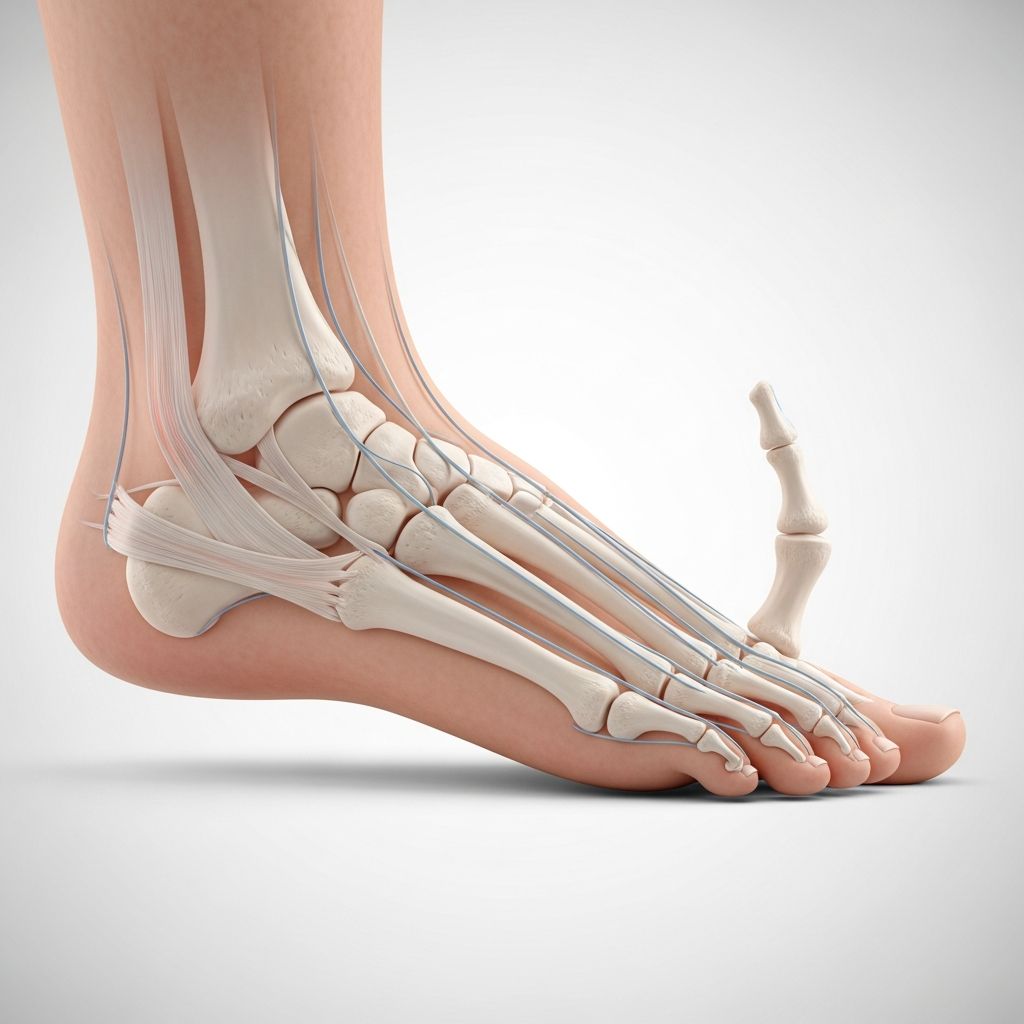
What Are Hammertoes?
A hammertoe is a common foot deformity that occurs when one or more of your toe joints become abnormally bent, creating a hammer-like or claw-like appearance. This condition most frequently affects the second toe, though it can develop in any of your smaller toes. The deformity happens when the muscles in your toe become imbalanced, causing the middle joint of the toe—called the proximal interphalangeal (PIP) joint—to bend upward into an abnormal position.
While hammertoes may seem like a minor cosmetic concern, they can cause significant pain and discomfort, making it difficult to walk, run, or find properly fitting shoes. The earlier you seek treatment for a hammertoe, the better your outcomes will be, as the condition can worsen over time if left untreated.
Understanding Different Types of Toe Deformities
It’s important to understand that hammertoes are just one type of toe deformity. Several similar conditions affect the toes differently:
- Hammertoes: Characterized by an abnormal bend in the middle joint of the toe, with the top part of the toe pointing upward
- Claw Toes: Involve bends in both the middle joint and the end joint of the toe, creating a more severe deformity
- Mallet Toes: Feature a bend only in the last joint of the toe, near the tip
Understanding which type of toe deformity you have is essential for determining the most appropriate treatment approach. Each condition may require different interventions depending on its severity and progression.
Causes of Hammertoes
Hammertoes develop due to various factors that place abnormal pressure on your toes or cause muscle imbalances. Understanding these causes can help you take preventive measures:
Footwear-Related Causes
The most common cause of hammertoes is wearing ill-fitting shoes. High heels and shoes with narrow toe boxes are particularly problematic because they force your toes into unnatural positions. When your toes are continuously compressed and bent in these tight spaces, the muscles and tendons in your toes become shortened and tight over time. This muscle shortening makes it increasingly difficult to straighten your toes, even when you remove your shoes.
Structural and Biomechanical Factors
Your foot structure plays a significant role in hammertoe development. If you have abnormally high or low arches, your toes may experience excessive pressure as you stand and walk. Additionally, having abnormally long toe bones increases your risk of developing this condition. Since foot structure is hereditary, hammertoes may run in your family.
Medical Conditions
Certain medical conditions increase your susceptibility to hammertoes. Rheumatoid arthritis, osteoarthritis, and other conditions affecting joint health can contribute to toe deformities. Diabetic neuropathy may also affect the nerves and muscles in your toes, leading to hammertoe development.
Other Contributing Factors
Related Stories



Trauma to the toe, such as a stubbing injury or fracture, can cause a hammertoe to develop suddenly rather than gradually. Bunions can also push neighboring toes out of place, potentially leading to hammertoe formation.
Symptoms of Hammertoes
Hammertoe symptoms typically develop gradually, though traumatic causes may result in sudden changes. Recognizing these symptoms early allows for more effective treatment:
- Gradual upward bending of one or more toes
- Difficulty moving the affected toe or toes without pain
- Formation of calluses or corns on the top of the bent toe where it rubs against shoes
- Development of blisters in the affected area
- Pain or discomfort, particularly when wearing shoes
- Difficulty finding shoes that fit comfortably in the toe area
- Increased stiffness in the affected toe joint
The severity of symptoms can vary depending on whether your hammertoe is flexible or rigid. In the early stages, symptoms may be mild and barely noticeable, but they typically worsen as the deformity progresses.
Stages of Hammertoe Development
Hammertoes typically progress through two distinct stages, each requiring different treatment approaches:
Flexible Stage
In the flexible stage, your toe can still be straightened manually or with conservative treatments. The joint remains somewhat mobile, and the deformity has not yet become permanent. This is the most favorable time to seek treatment, as surgery is most effective during this stage. Conservative treatments are often successful in preventing the progression to a rigid hammertoe.
Rigid Stage
As a hammertoe progresses, the joint becomes increasingly stiff and rigid. In this stage, the toe cannot be straightened manually, and the deformity becomes more permanent. Rigid hammertoes typically require surgical intervention to restore function and relieve pain. If left untreated, a flexible hammertoe will eventually become rigid, making walking and running painful and difficult.
Diagnosis
Your healthcare provider will typically diagnose a hammertoe through a physical examination of your foot and toes. They will assess the range of motion in the affected toe and determine whether the deformity is flexible or rigid. X-rays may be taken to evaluate the bone structure and confirm the diagnosis. If you have pain or functional limitations, your doctor may recommend additional imaging to rule out other conditions.
Treatment Options
The appropriate treatment for a hammertoe depends on the stage of the deformity and the severity of your symptoms.
Conservative Treatment for Flexible Hammertoes
If you have a flexible hammertoe, your healthcare provider may recommend several conservative treatment options before considering surgery:
Footwear Modifications: Switching to shoes with a deeper, wider toe box and avoiding high heels can significantly reduce pressure on your toes. Look for shoes that allow your toes to move freely and don’t compress them against the shoe material.
Cushioning and Padding: Hammertoe pads and crest pads can be placed over the bent joint to cushion your toe and reduce friction against your shoes. A Budin splint, which features an elastic band that goes around the crooked toe, can help bring a flexible hammertoe back into the correct position.
Orthotic Devices: Custom or over-the-counter orthotic insoles help control abnormal foot motion and redistribute your body’s weight to reduce stress on your affected toe. These supportive inserts are made of foam material and can significantly alleviate pain.
Toe Exercises: Regular stretching and flexing exercises can help maintain flexibility in your toes. Simple activities like picking up small objects with your toes can strengthen the muscles and tendons.
Pain Management: Over-the-counter anti-inflammatory medications such as ibuprofen can help reduce pain and swelling. In some cases, your doctor may recommend steroid injections into the affected joint for severe pain and inflammation.
Non-Invasive Procedures: An in-office flexor tenotomy, which involves cutting the overpowering tight muscle tendon, can correct the muscle imbalance and reduce the deformity without extensive surgery.
Treatment for Rigid Hammertoes
If your hammertoe has become rigid, conservative treatments are unlikely to be effective. Your healthcare provider will likely recommend surgical intervention to straighten the toe and restore function. Hammertoe surgery is typically a simple outpatient procedure performed under local anesthesia. The procedure may restore some flexibility to your toe, though complete restoration of function may not always be possible.
Recovery Time
If you require hammertoe surgery, recovery typically takes approximately four to six weeks. During this period, you’ll need to limit your activities and follow your surgeon’s post-operative instructions carefully to ensure proper healing.
Complications of Untreated Hammertoes
If hammertoes are not treated, several complications can develop:
- Permanent deformity that makes walking and running painful and difficult
- Chronic callus and blister formation
- Limited activity due to foot pain
- Altered gait and balance problems
- Increased pressure on other areas of your foot, potentially causing additional deformities
Prevention of Hammertoes
While not all hammertoes can be prevented, especially those caused by genetic factors or medical conditions, you can take steps to reduce your risk or prevent worsening symptoms:
- Wear supportive shoes with adequate toe box space
- Avoid high heels and unsupported flip-flops when possible
- Choose shoes with proper arch support
- Keep your toenails trimmed properly
- Exercise your toes regularly to maintain flexibility and strength
- Seek early treatment for any toe injuries or trauma
- Manage conditions like arthritis that may contribute to toe deformities
- Use orthotic insoles if you have abnormal foot structure
- Maintain a healthy weight to reduce pressure on your feet and toes
When to See a Healthcare Provider
You should see your healthcare provider if you experience any of the following:
- Persistent toe pain that interferes with daily activities
- Visible toe deformity that is worsening
- Difficulty finding shoes that fit properly
- Frequent blisters or calluses on your toes
- Stiffness in your toe joint that is increasing over time
- If you have diabetes or a condition affecting blood flow to your feet, as these conditions require special care
Special Considerations
If you have diabetes or a condition that may affect blood flow to your feet and toes, it’s especially important to speak with your doctor about hammertoe treatment. These conditions can complicate foot health and require specialized care to prevent serious complications.
Frequently Asked Questions About Hammertoes
Q: Can hammertoes be treated without surgery?
A: Yes, flexible hammertoes can often be treated without surgery using conservative methods such as proper footwear, padding, orthotic insoles, and toe exercises. Surgery is typically recommended only for rigid hammertoes or when conservative treatments fail to provide relief.
Q: Will my hammertoe get worse if I don’t treat it?
A: Yes, if left untreated, a flexible hammertoe will likely progress to become rigid over time. This progression can lead to permanent deformity, increased pain, and difficulty walking or running.
Q: How long does hammertoe surgery take?
A: Hammertoe surgery is typically a simple outpatient procedure that can be completed in a relatively short time. Recovery usually takes about four to six weeks, though you should follow your surgeon’s specific post-operative instructions.
Q: Are women more prone to hammertoes than men?
A: Yes, women are more commonly affected by hammertoes, largely due to the frequent wearing of high heels and shoes with narrow toe boxes. Men can develop hammertoes as well, particularly from trauma or genetic factors.
Q: Can I prevent hammertoes if they run in my family?
A: While you cannot change your genetic foot structure, you can reduce your risk or prevent symptom development by wearing supportive shoes, avoiding tight footwear and high heels, using orthotic insoles, and maintaining good foot care practices.
Q: How long does it take for a hammertoe to develop?
A: Hammertoes typically develop gradually over time, sometimes taking months or years to become noticeable. However, if caused by trauma or injury, a hammertoe can appear suddenly.
Q: What types of shoes should I wear if I have a hammertoe?
A: Choose shoes with a deep, wide toe box that allows your toes to move freely. Avoid high heels, narrow-toed shoes, and unsupported flip-flops. Look for shoes with good arch support and cushioning.
References
- Hammertoes: Causes, Stages, Treatment & Prevention — Cleveland Clinic. Accessed December 2025. https://my.clevelandclinic.org/health/diseases/17038-hammertoes
- 5 Things You Should Know About Hammertoe – Health Cleveland Clinic — Cleveland Clinic Health Essentials. Accessed December 2025. https://health.clevelandclinic.org/5-things-you-should-know-about-painful-toe-deformities
- Hammer Toe: Symptoms, Causes, Risk Factors & Treatment — Healthgrades. Accessed December 2025. https://resources.healthgrades.com/right-care/foot-health/hammer-toe
- How to Relieve and Prevent Hammer Toes | Causes and Symptoms — Medi-Dyne. Accessed December 2025. https://medi-dyne.com/blogs/posts/how-to-relieve-and-prevent-hammer-toes
- Claw Toes: Causes, Stages, Treatment & Prevention — Cleveland Clinic. Accessed December 2025. https://my.clevelandclinic.org/health/diseases/16875-claw-toes
Similar Articles








Read full bio of medha deb