Hand Dermatitis Prevention: 5 Tips For Healthcare Workers
Essential strategies to prevent hand dermatitis and maintain skin health amid frequent washing and glove use in healthcare settings.
Healthcare workers face significant risks to hand skin health due to frequent handwashing, alcohol-based sanitizers, glove occlusion, and exposure to irritants, leading to high rates of irritant contact dermatitis and other occupational skin disorders.
What is hand dermatitis?
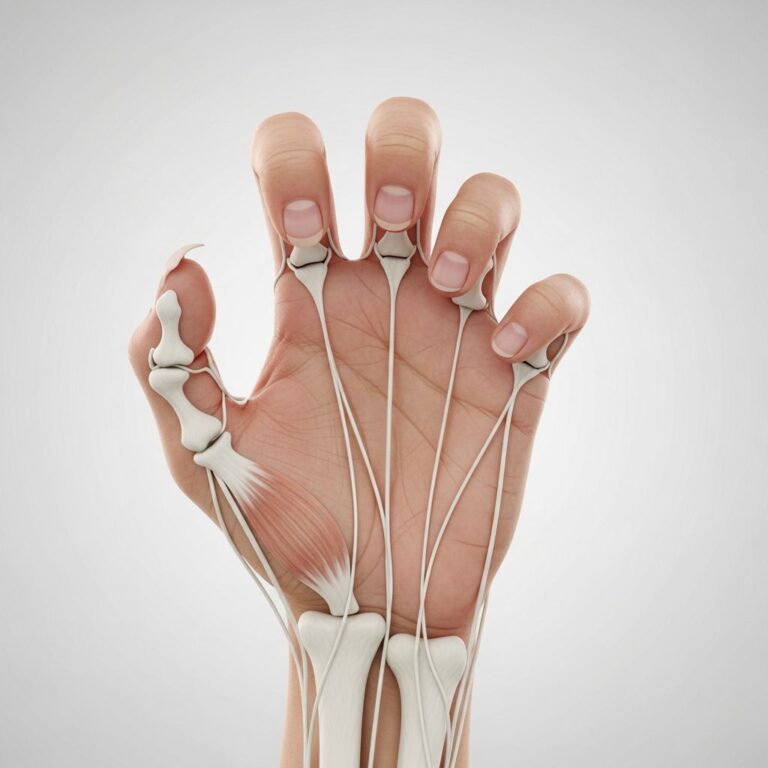
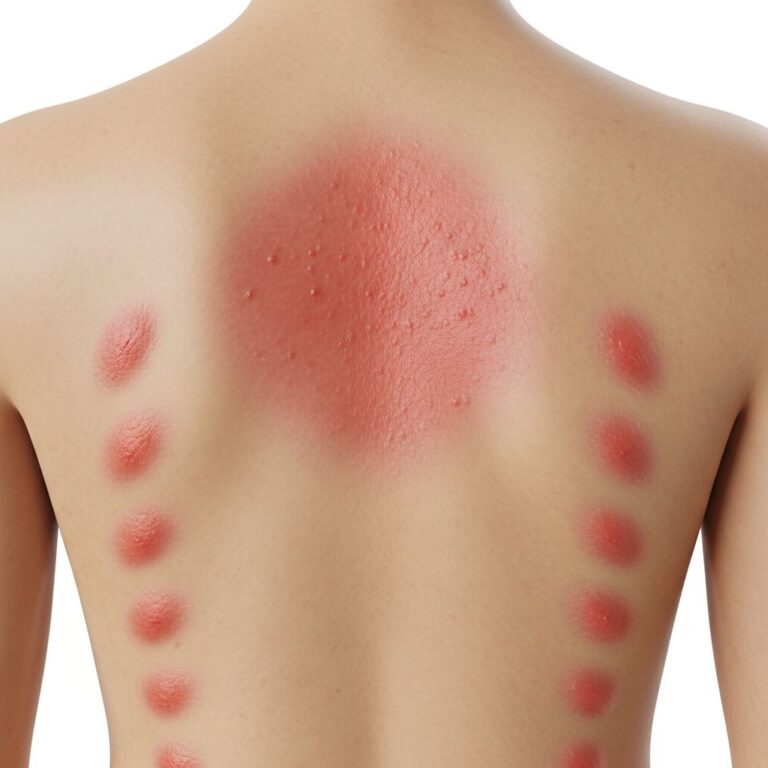
Hand dermatitis, also known as hand eczema, is an inflammatory skin condition primarily affecting the palms, fingers, and dorsal hands. It manifests as redness, dryness, itching, scaling, fissuring, or blistering, often exacerbated by wet work and irritants common in healthcare environments. In healthcare settings, it accounts for up to 70-90% of occupational skin diseases, with prevalence rates as high as 47% among nurses due to repetitive exposure.
During the COVID-19 pandemic, intensified hygiene protocols dramatically increased cases, with 97% linked to excessive sanitizer and soap use. Symptoms often start with dryness (27.4% of cases) followed by texture changes, crusting, and severe cracking that impairs function and quality of life.
Who is at risk?
Healthcare professionals, particularly nurses, doctors, and critical care staff, are at highest risk. Female nurses report the highest incidence of contact hand dermatitis. Risk factors include:
- History of atopic dermatitis or eczema.
- Frequent handwashing (over 10 times per shift).
- Prolonged glove wear, especially double or triple gloving.
- Exposure to disinfectants, soaps, and PPE irritants.
- Atopic skin barrier dysfunction, worsened by climate, pollutants, or early-life exposures.
One study of 706 nurses found 47.3% had occupational skin disease, underscoring the occupational hazard.
Causes of hand dermatitis in healthcare workers
Primary causes are irritant contact dermatitis (most common) from:
- Alcohol-based hand rubs and soaps, which strip natural oils.
- Occlusion and moisture under gloves, leading to maceration.
- Friction, pressure, and sweat from PPE during pandemics.
- Latex proteins or rubber accelerators causing allergic contact dermatitis or Type I hypersensitivity (urticaria).
Mechanical injuries like needlestick punctures or cuts further compromise the skin barrier, risking infections such as HIV or hepatitis C. PPE-related issues, including masks and goggles, contribute to periocular and facial dermatitis but primarily affect hands via gloves (99% of PPE cutaneous side effects).
Prevention of hand dermatitis
Prevention hinges on skin barrier protection and minimizing irritant exposure. Key strategies include:
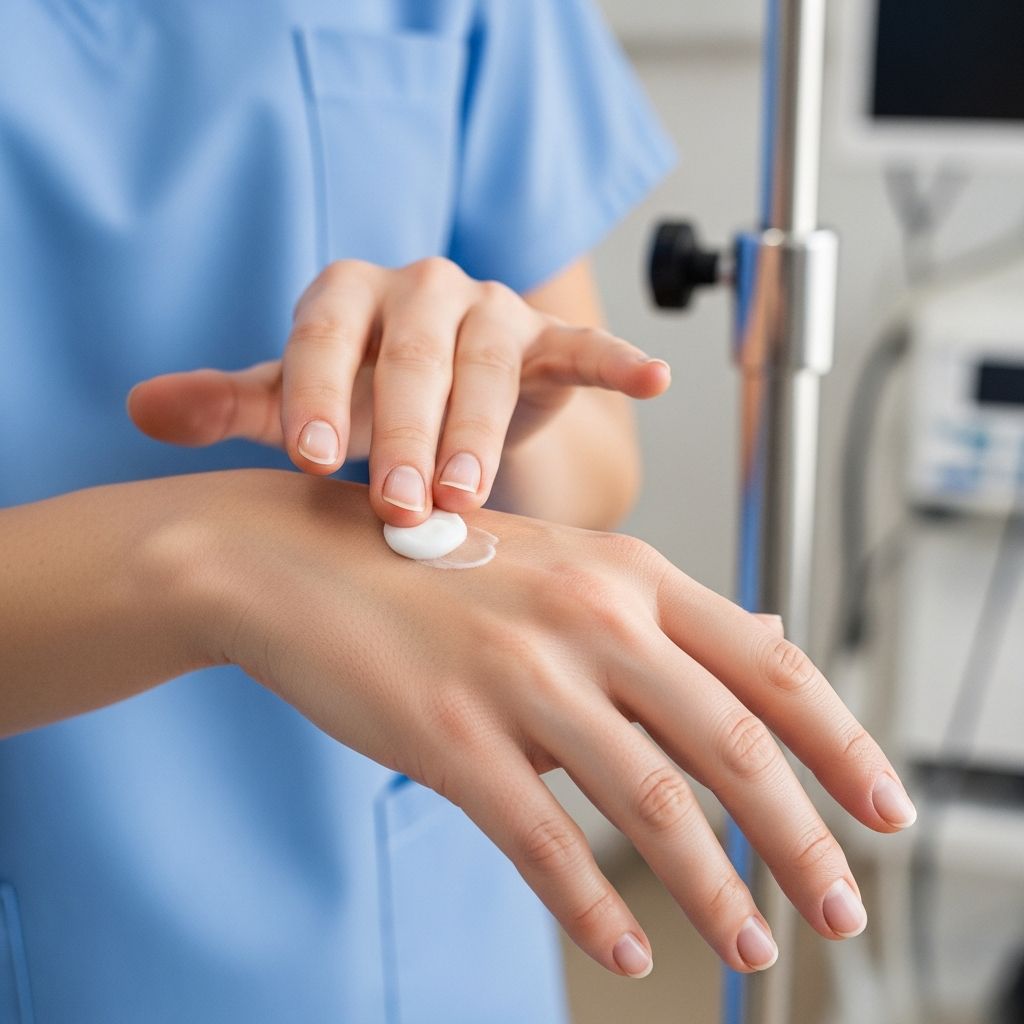
- Moisturize frequently: Apply emollients or moisturizers after every handwash and before glove use. Daily use reduces risk significantly.
- Handwashing technique: Use lukewarm water, mild pH-neutral soaps, pat dry gently, and avoid hot water or harsh antiseptics.
- Glove selection: Prefer non-latex (nitrile or vinyl) gloves to avoid allergies. Change gloves if torn or after 60 minutes of wear. Assess workplace glove needs per standards like AS/NZS 2161.1:2000.
- Workplace measures: Conduct risk assessments, provide cotton liners under gloves, limit wet work, and ensure proper PPE fit to reduce friction.
- Avoid barrier creams, as they may trap irritants; use protective gloves instead.
| Risk Factor | Prevention Strategy |
|---|---|
| Frequent sanitizers | Moisturize post-use; use hand rub only on clean skin. |
| Glove occlusion | Cotton glove liners; nitrile gloves; frequent changes. |
| Mechanical injury | Sharps safety; OSHA-compliant protocols. |
| Latex allergy | Non-latex alternatives; patch testing. |
Hand hygiene and skin care
Balance infection control with skin protection. World Health Organization recommends alcohol-based hand rubs for routine antisepsis, but not on soiled skin—use soap and water then. Post-hygiene routine:
- Wash with lukewarm water and soap.
- Pat dry thoroughly.
- Apply moisturizer immediately.
- Allow 30 seconds absorption before gloving.
Buddy systems for PPE donning/doffing reduce contamination and skin trauma.
Gloves for hand protection
Gloves are essential but can cause dermatitis if misused. Employers must assess operations and provide appropriate types:
Related Stories



- Nitrile: Ideal for most tasks; low allergy risk.
- Vinyl: For low-risk contact.
- Avoid latex: Due to Type I and IV allergies.
Use cotton undergloves for prolonged wear to absorb sweat. Discard if damaged. Standards ensure wrist/forearm coverage.
Treatment of hand dermatitis
Treatment addresses inflammation and restores barrier:
- Emollients: First-line; use ointment-based for chronic cases.
- Topical steroids: Potent on dorsal hands, ultrapotent on palms (e.g., clobetasol ointment). Short courses (1-2 weeks).
- Wet wraps: For severe acute cases.
- Avoid triggers: Job modification if needed; patch testing for allergens.
Symptomatic relief improves with prevention. Latex-free environments in hospitals have reduced cases.
Workplace risk assessment
Mandated assessments evaluate:
- Frequency of handwashing/gloving.
- Chemical exposures.
- Skin condition monitoring.
- Training on PPE and hygiene.
Prioritize engineering controls over PPE per CDC hierarchy.
Personal protective equipment (PPE)
PPE protects but irritates: gloves cause most issues. Ensure proper fit, decontamination before removal, and training. Pandemic use led to acne, folliculitis from occlusion.
Frequently Asked Questions (FAQs)
What should healthcare workers do if hand dermatitis develops?
Stop irritant exposure, apply emollients/steroids, seek dermatology consult, and consider occupational health for patch testing and job adjustments.
Are alcohol hand rubs safe for daily use?
Yes on clean skin, but follow with moisturizer to prevent dryness. Use soap/water for soiled hands.
How to choose gloves without causing allergy?
Opt for powder-free nitrile; test for rubber accelerator sensitivity via patch testing.
Can moisturizers replace handwashing?
No; they complement hygiene by repairing the barrier damaged by washing.
Is hand dermatitis contagious?
No, but cracks increase infection risk for the worker.
Key Takeaways
- Moisturize after every wash.
- Use non-latex gloves with liners.
- Monitor skin daily; treat early.
- Advocate for workplace skin safety programs.
References
- An outlook on hand dermatitis in healthcare workers during COVID-19 — Cosmoderma. 2021. https://cosmoderma.org/an-outlook-on-hand-dermatitis-in-healthcare-workers-during-covid-19/
- Skin disorders in doctors and nurses — DermNet NZ. 2023. https://dermnetnz.org/topics/occupational-skin-disorders-in-medical-and-nursing-personnel
- Hand eczema — National Eczema Society. 2023. https://eczema.org/information-and-advice/types-of-eczema/hand-eczema/
- Gloves for hand protection — DermNet NZ. 2013 (updated). https://dermnetnz.org/topics/gloves-for-hand-protection
- Personal protective equipment — DermNet NZ. 2023. https://dermnetnz.org/topics/personal-protective-equipment
- Hand rubs and the skin — DermNet NZ. 2023. https://dermnetnz.org/topics/hand-rub
- Allergy to rubber accelerators — DermNet NZ. 2023. https://dermnetnz.org/topics/allergy-to-rubber-accelerators
Similar Articles








Read full bio of Sneha Tete