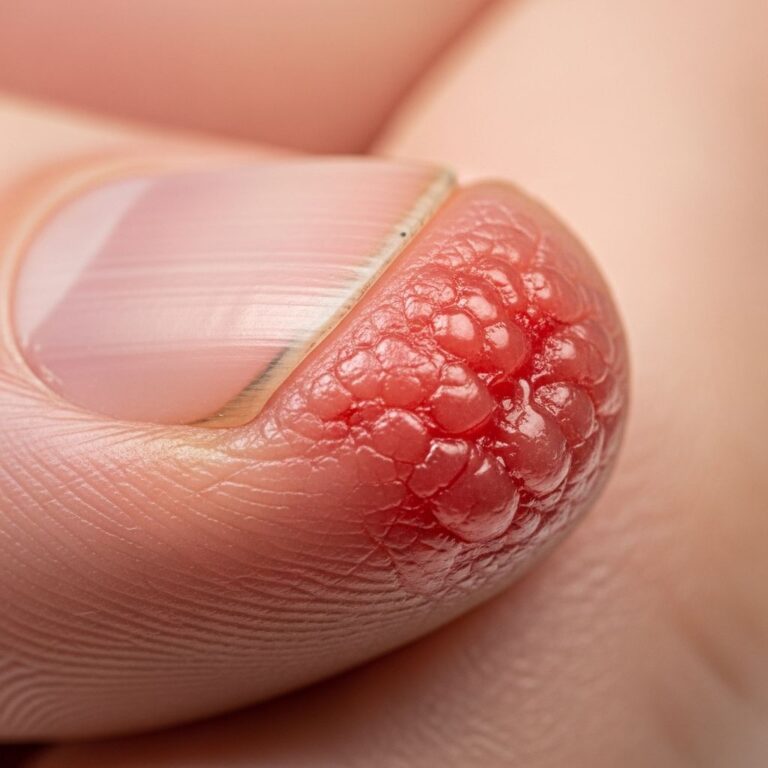
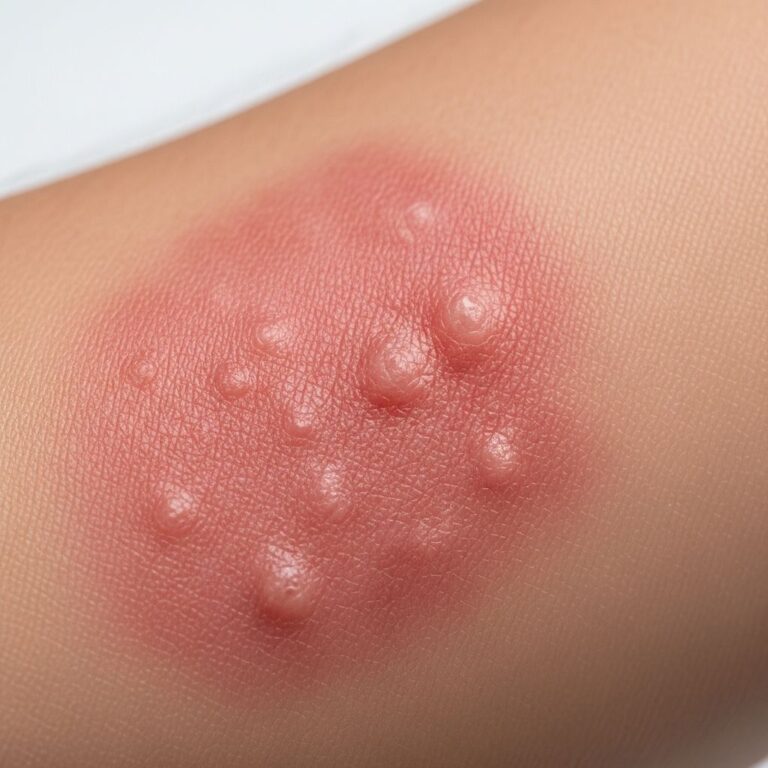
Hand Dermatitis: Comprehensive Guide To Treatment & Prevention
Comprehensive guide to hand dermatitis: symptoms, causes, diagnosis, treatment, and prevention strategies for healthier skin.
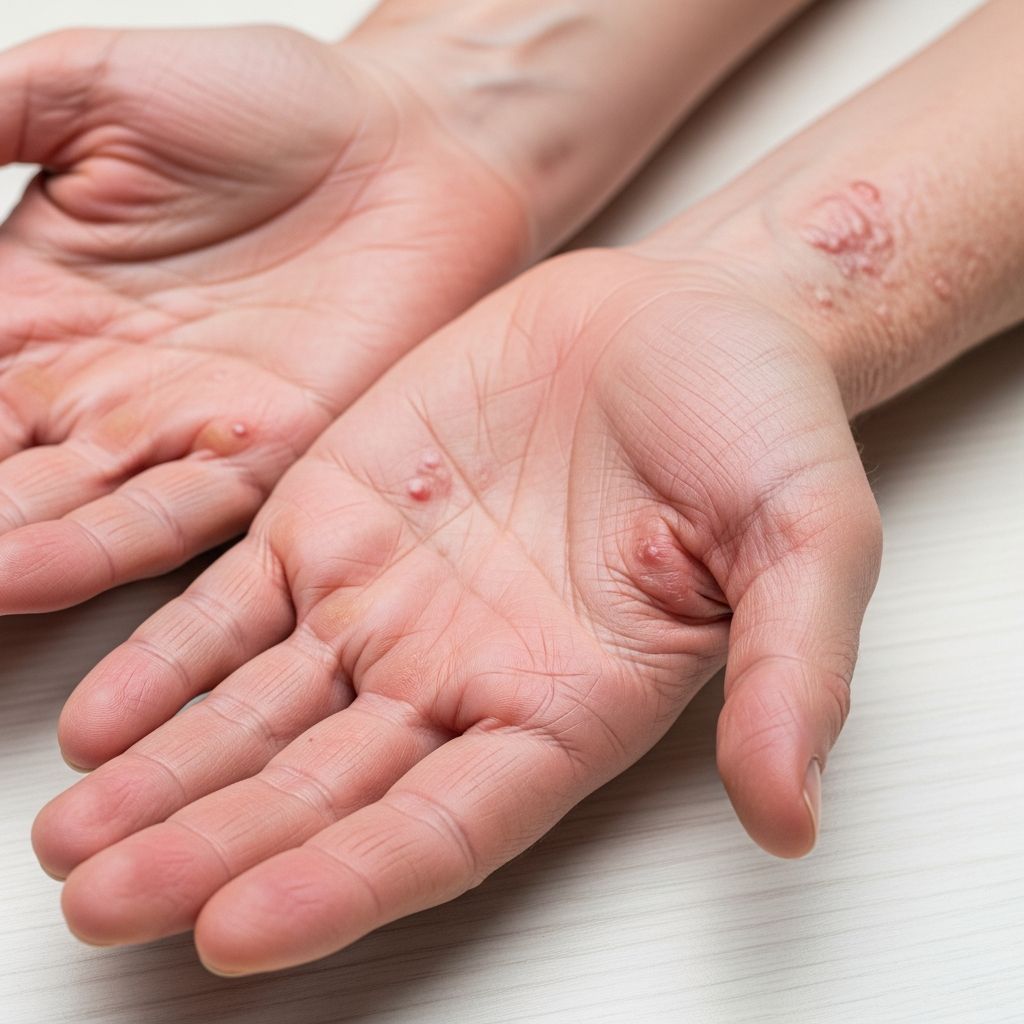
Hand dermatitis, also known as hand eczema, is a prevalent inflammatory skin disorder impacting the hands. It manifests as itchy, dry rashes that may blister, crack, or scale, affecting daily activities due to the hands’ frequent exposure to irritants and allergens. This condition is non-contagious and arises from a mix of genetic predisposition and environmental triggers, commonly seen in occupations involving wet work or chemicals.
What is Hand Dermatitis?
Hand dermatitis refers to a group of eczematous disorders specifically targeting the hands. It encompasses various subtypes, including irritant contact dermatitis, allergic contact dermatitis, and endogenous forms like atopic hand dermatitis. Unlike other eczema types, hand dermatitis often stems from repeated exposure to external agents, making it particularly stubborn in high-risk professions such as healthcare, cleaning, hairdressing, and catering. The skin barrier on hands is robust yet vulnerable to cumulative damage from water, soaps, and solvents, leading to chronic inflammation if unmanaged.
Prevalence is notable, affecting about 10% of the population, with women more prone due to occupational and domestic exposures. Early intervention is crucial as untreated cases can progress to chronic lichenified skin, impairing function and quality of life.
Who Gets Hand Dermatitis?
Individuals in wet-work occupations are at highest risk, including nurses, cleaners, food handlers, and mechanics. Those with a personal or family history of atopic dermatitis face elevated susceptibility due to inherent skin barrier defects, such as filaggrin gene mutations. Frequent hand washers, people in cold/dry climates, and those handling raw foods or chemicals also commonly develop it. Genetic factors interplay with environmental exposures, explaining why some develop severe cases from minimal contact.
Types of Hand Dermatitis
- Irritant Contact Dermatitis: The most frequent type, caused by cumulative exposure to non-allergic irritants like water, detergents, and solvents. Symptoms localize to finger backs and webs.
- Allergic Contact Dermatitis: Triggered by specific allergens like nickel, fragrances, or preservatives, often affecting palms and fingertips after sensitization.
- Atopic Hand Dermatitis: Occurs in atopics with prior eczema history, featuring dry, fissured skin exacerbated by irritants.
- Pompholyx (Dyshidrotic) Eczema: Characterized by small, itchy vesicles on palms and sides of fingers, more common in women.
- Protein Contact Dermatitis: Rare, linked to food proteins in handlers.
Causes of Hand Dermatitis
Multifactorial origins include genetic skin barrier weaknesses and external triggers. Irritants damage the stratum corneum, increasing permeability to allergens. Common culprits: soaps, detergents, frequent washing, cold weather, low humidity, and occupational chemicals. Allergens penetrate compromised skin, provoking immune responses. Atopics are predisposed via filaggrin defects.
| Type | Key Triggers |
|---|---|
| Irritant | Water, soaps, solvents, wet work |
| Allergic | Nickel, fragrances, rubber, preservatives |
| Atopic | Genetic + irritants |
| Pompholyx | Stress, metals, heat |
Signs and Symptoms of Hand Dermatitis
Symptoms evolve by stage. Acute phase: redness, swelling, vesicles, oozing, crusting. Subacute: scaling, excoriations. Chronic: hyperkeratosis, lichenification, painful fissures. Itching is universal, worsened at night; dryness precedes rashes. Dyshidrotic variant shows tapioca-like blisters.
- Dry, chapped skin (initial sign)
- Red, inflamed patches
- Itchy blisters or vesicles
- Cracking, fissuring, bleeding
- Scaling, peeling
- Thickened, leathery skin (chronic)
- Secondary infection signs: pus, warmth
Diagnosis of Hand Dermatitis
Clinical history and examination suffice for most. Patch testing identifies allergens via standardized allergens applied under occlusion for 48 hours, read at days 2 and 4. Biopsies are rare, reserved for atypical cases. Differential includes psoriasis, tinea, or scabies.
Related Stories



Treatment of Hand Dermatitis
Cornerstones: trigger avoidance, emollients, and anti-inflammatories. Prevention trumps cure.
General Measures
- Avoid irritants: use gloves for wet/chemical work (cotton-lined vinyl).
- Moisturize frequently: thick emollients like petrolatum post-wash.
- Hand washing: lukewarm water, fragrance-free cleansers.
Topical Therapies
- Corticosteroids: Potent for palms (e.g., clobetasol 2 weeks), moderate elsewhere.
- Calcineurin Inhibitors: Tacrolimus for steroid-resistant cases.
- Antibiotics: If infected (e.g., fusidic acid).
Advanced Treatments
- Phototherapy: Narrowband UVB for chronic cases.
- Systemic: Alitretinoin, cyclosporine, dupilumab for severe/refractory.
- Botulinum toxin: For hyperhidrosis-linked pompholyx.
Prevention of Hand Dermatitis
Proactive skin care: daily emollients, protective gloves, soap alternatives. Workplace adaptations: reduce wet work, provide irritant-free products. Atopics benefit from early intervention.
Hand Dermatitis in Special Situations
- Pregnancy: Mild cases managed topically; avoid systemic.
- Children: Weaker steroids, emollients key.
- Occupational: Legislation mandates prevention; compensation possible.
Investigations
Patch testing standard for contact types. Swabs for infection, rarely biopsy or cultures.
Possible Complications
Chronicity leads to sensitization, occupational loss. Infections risk cellulitis; psychosocial impact significant.
Hand Dermatitis Guidelines
Follow national dermatology protocols emphasizing avoidance, emollients, stepped therapy.
Frequently Asked Questions
Is hand dermatitis contagious?
No, it’s not infectious; caused by irritation/allergy.
How long does hand dermatitis last?
Acute resolves weeks with treatment; chronic needs ongoing management.
Can diet affect hand dermatitis?
Possibly in protein contact type; otherwise minimal.
What gloves to use?
Cotton-lined nitrile/vinyl for wet work; avoid latex if allergic.
When to see a doctor?
If persistent, infected, or impacting work.[10]
References
- Eczema on hands and fingers: Symptoms, causes, and more — Medical News Today. 2023-10-12. https://www.medicalnewstoday.com/articles/hand-eczema
- Understanding Hand and Wrist Dermatitis: Symptoms, Causes, and … — Dexeryl. 2024-05-15. https://www.dexeryl.com/en/your-skin/atopic-dermatitis/eczema-body/hands-and-wrists-eczema
- Hand Eczema: Causes, Symptoms and Treatment Options — National Eczema Association. 2024-01-20. https://nationaleczema.org/types-of-eczema/hand-eczema/
- Hand Dermatitis: Tips to Prevent and Treat Hand Eczema — Lorena Dollani. 2021-04-12. https://lorenadollani.com/2021/04/12/hand-dermatitis/
- Doctor explains how to recognise and treat HAND ECZEMA … — YouTube (Doctor O’Donovan). 2023-08-10. https://www.youtube.com/watch?v=LZbExsc-yLI
- Hand eczema — National Eczema Society. 2024-02-28. https://eczema.org/information-and-advice/types-of-eczema/hand-eczema/
- Hand Eczema & Dermatitis — Dermatology Center of Indiana. 2023-11-05. https://dermindy.com/services/medical/hand-eczema-dermatitis/
Similar Articles








Read full bio of Sneha Tete