Hand, Foot and Mouth Disease: Symptoms, Causes & Treatment
Comprehensive guide to hand, foot and mouth disease: viral causes, characteristic rash, and effective management strategies.
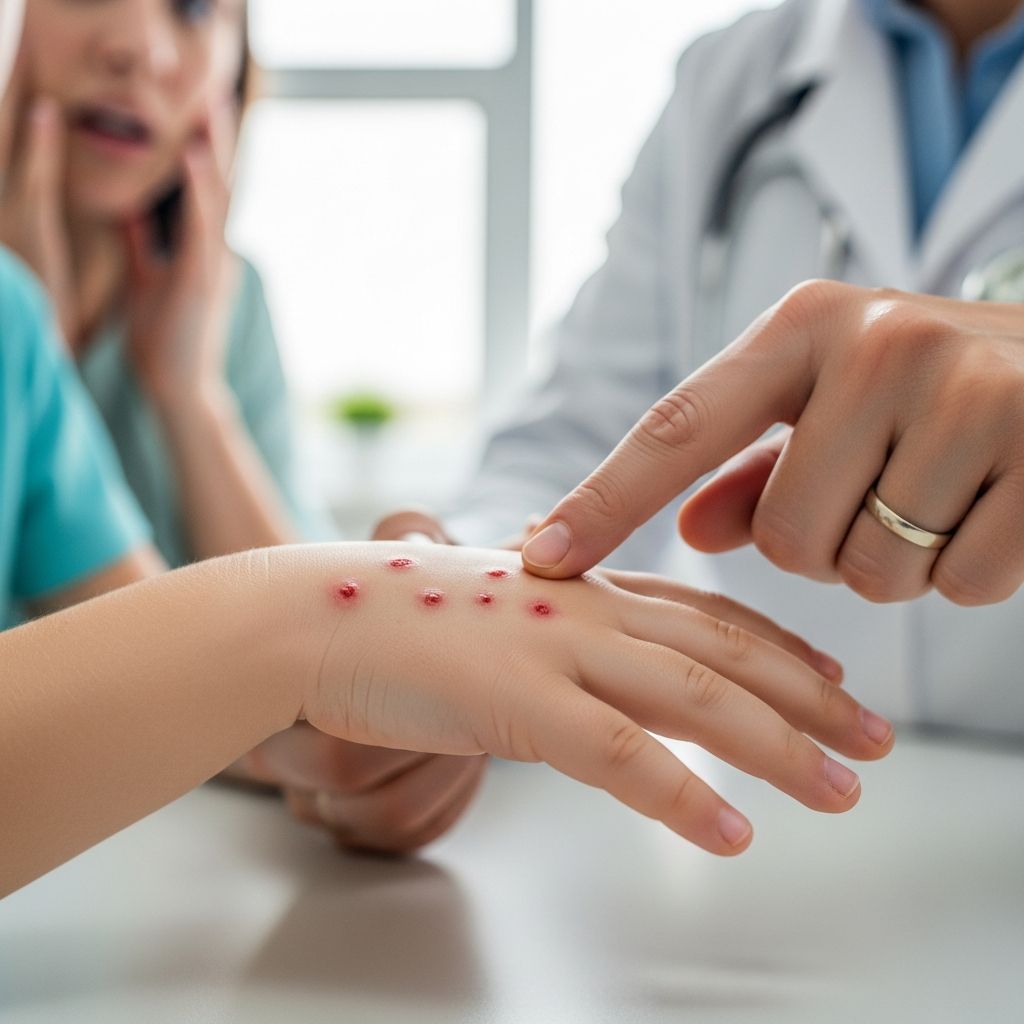
Hand, Foot and Mouth Disease
Hand, foot and mouth disease (HFMD) is a common viral infection that predominantly affects infants and young children, though it can occur in people of any age. The condition is characterized by a distinctive rash appearing on the hands and feet, combined with painful ulcers in the mouth and throat. Despite its potentially concerning name, HFMD is typically a mild illness that resolves spontaneously within seven to ten days without specific medical intervention. Understanding this condition is essential for parents and caregivers, as early recognition and appropriate supportive care can significantly improve comfort during the acute phase of illness.
What Causes Hand, Foot and Mouth Disease?
HFMD is caused by viral pathogens belonging to the enterovirus family, with coxsackievirus A16 being the most common causative agent in most cases. However, other strains of coxsackieviruses and enteroviruses can also produce the disease, including Enterovirus A71, which is particularly prevalent in certain geographic regions. These viruses are found in the digestive tract of infected individuals and are shed through multiple routes, including respiratory secretions and gastrointestinal fluid.
The primary mode of transmission is through fecal-oral contact, which occurs most commonly when individuals fail to practice adequate hand hygiene, particularly after changing diapers or using the bathroom. The virus can also spread through respiratory droplets and contaminated surfaces, making it highly contagious in settings such as daycare centers and schools where young children have close contact with one another. Additionally, the virus can be transmitted through contact with the fluid contained within the characteristic blisters that develop during infection.
Clinical Presentation and Symptoms
The symptoms of HFMD typically develop three to seven days following initial viral exposure, though the incubation period may vary among individuals. The disease often begins with nonspecific prodromal symptoms that precede the characteristic rash and oral lesions.
Initial Symptoms:
- Low-grade fever, typically below 102°F (39°C)
- Reduced appetite and general malaise
- Sore throat
- General feeling of being unwell
- Irritability and lethargy, particularly in young children
Following these initial manifestations, the characteristic clinical features emerge:
Mouth and Throat Lesions:
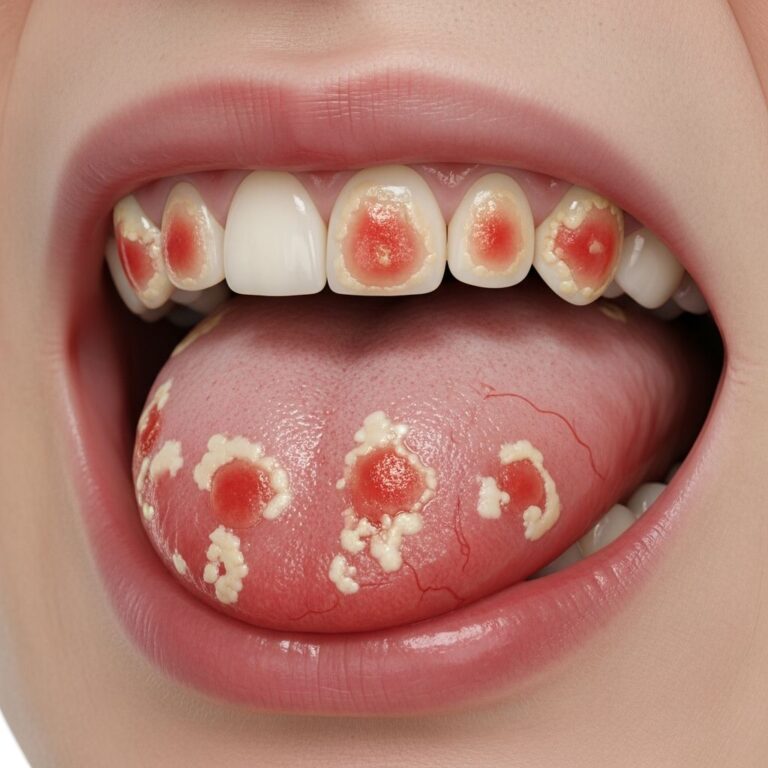
- Small painful ulcers (sores) primarily located on the tongue and sides of the mouth
- Blisters usually found at the back of the throat near the tonsils
- Vesicles surrounded by a thin halo of redness that rupture to form superficial ulcers with grey-yellow bases and erythematous rims
- These mouth lesions are often the most distinctive presenting symptom and can be difficult for children to manage due to associated pain during eating and drinking
Cutaneous (Skin) Manifestations:
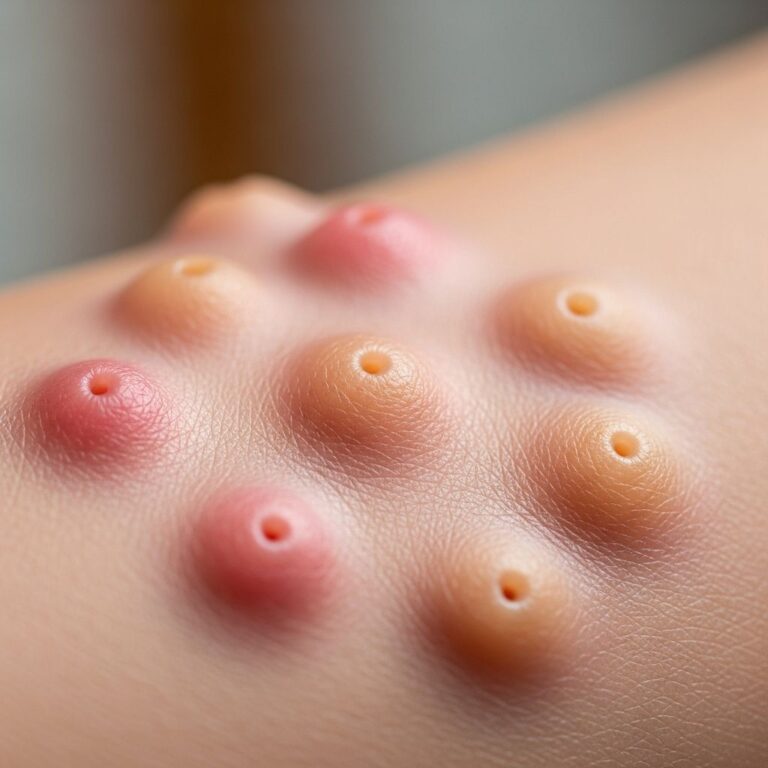
- Small red spots and tiny water blisters on the palms of the hands and soles of the feet
- Lesions commonly appearing on fingers and toes
- Small blisters in the diaper area and buttocks (occurring in approximately 30% of affected children)
- Rash may also extend to the arms and legs
- Blisters typically do not appear elsewhere on the body, distinguishing HFMD from other viral exanthems
Course of Illness: The mouth pain is typically most severe during the first three to five days of illness, gradually improving thereafter. Most children experience mild symptoms that resolve completely within seven to ten days, though in children younger than two years of age, the body may require slightly longer to clear the virus entirely.
Related Stories



Risk Factors and Epidemiology
HFMD most commonly affects children under the age of five years, with the highest incidence occurring in children between six months and four years of age. The disease occurs worldwide and can spread rapidly in group settings such as daycare centers and schools where infected children have close contact with susceptible individuals. While HFMD primarily affects young children, adolescents and adults can contract the infection, though symptomatic disease in older individuals is less common.
Diagnosis
The diagnosis of HFMD is primarily clinical, based on the characteristic presentation of mouth ulcers combined with the distinctive rash on the hands and feet. The combination of these three features—painful mouth sores, rash on hands, and rash on feet—is considered pathognomonic (uniquely characteristic) of the condition. Healthcare providers typically do not require laboratory confirmation for uncomplicated cases presenting with this classic triad of findings.
If laboratory confirmation is needed, virus isolation from throat swabs, stool samples, or vesicular fluid can be performed, and PCR testing can identify the specific enterovirus responsible for infection. However, given the self-limited nature of the disease and the availability of supportive care as the primary treatment modality, laboratory testing is generally reserved for epidemiological investigations or cases with atypical presentations or severe complications.
Treatment and Management
There is no specific antiviral medication effective against the enteroviruses that cause HFMD, and antibiotics are ineffective because they do not target viral infections. Instead, management focuses on providing symptomatic relief and ensuring adequate hydration while allowing the infection to resolve naturally.
Fever and Pain Management:
- Acetaminophen (Tylenol) or ibuprofen can be used to manage fever and general discomfort according to package directions
- Aspirin should never be administered to children, particularly when viral infections are suspected, as it carries a risk for Reye’s syndrome, a rare but potentially serious condition
- A mixture of ibuprofen and diphenhydramine can be used as a gargling solution to coat mouth ulcers and ease pain
Oral Care and Nutrition:
- Offer soft foods such as yogurt, pasta, pudding, smoothies, and ice pops that provide both nutrition and pain relief
- Provide a variety of fluids, including beverages containing electrolytes and sugars, especially if the child is not eating solid foods, as water alone does not provide sufficient energy or electrolytes
- Avoid acidic beverages such as orange juice, which can cause pain when in contact with mouth ulcers
- Allow blisters to dry naturally and do not attempt to pierce them, as the fluid within the blisters is infectious and can spread the virus to other areas
General Supportive Measures:
- Ensure adequate hydration to prevent complications associated with fluid loss
- Maintain comfortable room temperature and humidity
- Use pain management strategies to facilitate adequate fluid and nutritional intake, preventing dehydration
Complications
Complications from HFMD are rare, and the vast majority of children recover completely without sequelae. However, very rarely, the virus can affect the lining of the brain or spinal cord, potentially leading to more severe symptoms such as seizures, confusion, unsteadiness, and weakness. In such cases, immediate medical evaluation is necessary. Parents should seek immediate medical attention if a child develops severe headache, persistent fever, or any other concerning neurological symptoms during or after the acute phase of illness.
Prevention and Control Measures
Given the high contagiousness of HFMD, prevention through infection control measures is particularly important in group settings:
- Hand Hygiene: Thorough handwashing with soap and water is the most effective prevention strategy, particularly after using the bathroom or changing diapers. Hand sanitizers are less effective against enteroviruses than mechanical washing with soap and water.
- Environmental Sanitation: Contaminated surfaces should be cleaned and disinfected regularly to reduce transmission risk.
- Respiratory Precautions: Covering the mouth when coughing or sneezing can reduce respiratory transmission of the virus.
- Exclusion from Group Settings: Children with confirmed HFMD should be excluded from daycare or school until symptoms have resolved and proper hygiene can be maintained.
- Contact Precautions: Limiting direct contact with infected individuals during the acute phase of illness reduces transmission risk.
Distinguishing HFMD from Other Conditions
HFMD can occasionally be confused with other viral exanthems or conditions affecting the mouth and skin. Herpangina, another coxsackievirus infection, causes blisters or sores in the mouth and throat but does not produce the characteristic rash on the hands and feet that is distinctive of HFMD. This clinical distinction makes differentiation between these two conditions relatively straightforward. Other conditions such as chickenpox, other viral exanthems, and bacterial infections can usually be distinguished by the characteristic pattern and distribution of the rash along with the presence or absence of oral lesions.
When to Seek Medical Evaluation
While most cases of HFMD are mild and self-limited, parents should consult a healthcare provider if:
- A child develops severe headache
- Fever persists beyond three to five days
- Signs of dehydration develop (decreased urination, dry lips or mouth, excessive lethargy)
- Neurological symptoms emerge (confusion, weakness, unsteadiness, seizures)
- The child is unable to drink fluids due to severe mouth pain
- Symptoms appear atypical or do not fit the characteristic pattern of HFMD
Additionally, if a child has been exposed to HFMD, parents should alert their healthcare provider before scheduling an in-person examination, as providers may opt to conduct a virtual visit and provide treatment suggestions via phone or video consultation to prevent further viral spread.
Frequently Asked Questions
Q: How long is a child with hand, foot and mouth disease contagious?
A: Children are most contagious during the first few days of illness when viral shedding is highest. However, they can continue to shed virus in respiratory secretions and stool for several weeks after symptom resolution, making ongoing hygiene practices important even after acute symptoms resolve.
Q: Can adults get hand, foot and mouth disease?
A: Yes, adults can contract HFMD, though symptomatic disease is less common in older individuals. When adults do develop the infection, symptoms are typically mild and similar to those experienced by children.
Q: Is there a vaccine for hand, foot and mouth disease?
A: Currently, there is no widely available vaccine for HFMD in most countries, though vaccine development efforts are ongoing. Prevention relies primarily on infection control measures and maintaining good hand hygiene.
Q: Can my child get hand, foot and mouth disease more than once?
A: Yes, reinfection is possible because there are multiple different enterovirus strains that can cause HFMD. Immunity develops against the specific strain causing infection, but exposure to a different strain can result in subsequent infections.
Q: How can I help my child feel more comfortable during HFMD?
A: Offer soft, cool foods and beverages, use over-the-counter pain relievers as directed, avoid acidic foods and drinks, ensure adequate fluid intake, and maintain good oral hygiene. Most children feel significantly better after the first week of illness.
References
- Hand-Foot-Mouth Disease — St. Louis Children’s Hospital. 2024. https://www.stlouischildrens.org/conditions-treatments/hand-foot-mouth-disease
- Hand, Foot & Mouth Disease (HFMD): Symptoms & Causes — Cleveland Clinic. 2024. https://my.clevelandclinic.org/health/diseases/11129-hand-foot-and-mouth-disease
- Hand, foot and mouth disease — Better Health Channel, Department of Health, Victoria, Australia. 2024. https://www.betterhealth.vic.gov.au/health/conditionsandtreatments/hand-foot-and-mouth-disease
- Hand, Foot, and Mouth Disease — StatPearls, National Center for Biotechnology Information (NCBI), National Institutes of Health. 2024. https://www.ncbi.nlm.nih.gov/books/NBK431082/
- Hand-Foot-and-Mouth Disease-Viral Rash — Seattle Children’s Hospital. 2024. https://www.seattlechildrens.org/conditions/a-z/hand-foot-and-mouth-disease-viral-rash/
- About Hand, Foot, and Mouth Disease — Centers for Disease Control and Prevention (CDC). 2024. https://www.cdc.gov/hand-foot-mouth/about/index.html
- Hand-foot-and-mouth disease: Diagnosis and treatment — Mayo Clinic. 2024. https://www.mayoclinic.org/diseases-conditions/hand-foot-and-mouth-disease/diagnosis-treatment/drc-20353041
Similar Articles








Read full bio of medha deb