Hand-Foot Syndrome: Causes, Symptoms, Prevention & Management
Comprehensive guide to hand-foot syndrome: causes, symptoms, diagnosis, prevention, and management strategies for chemotherapy-induced skin reactions.
Hand-foot syndrome (HFS), also known as
palmar-plantar erythrodysesthesia
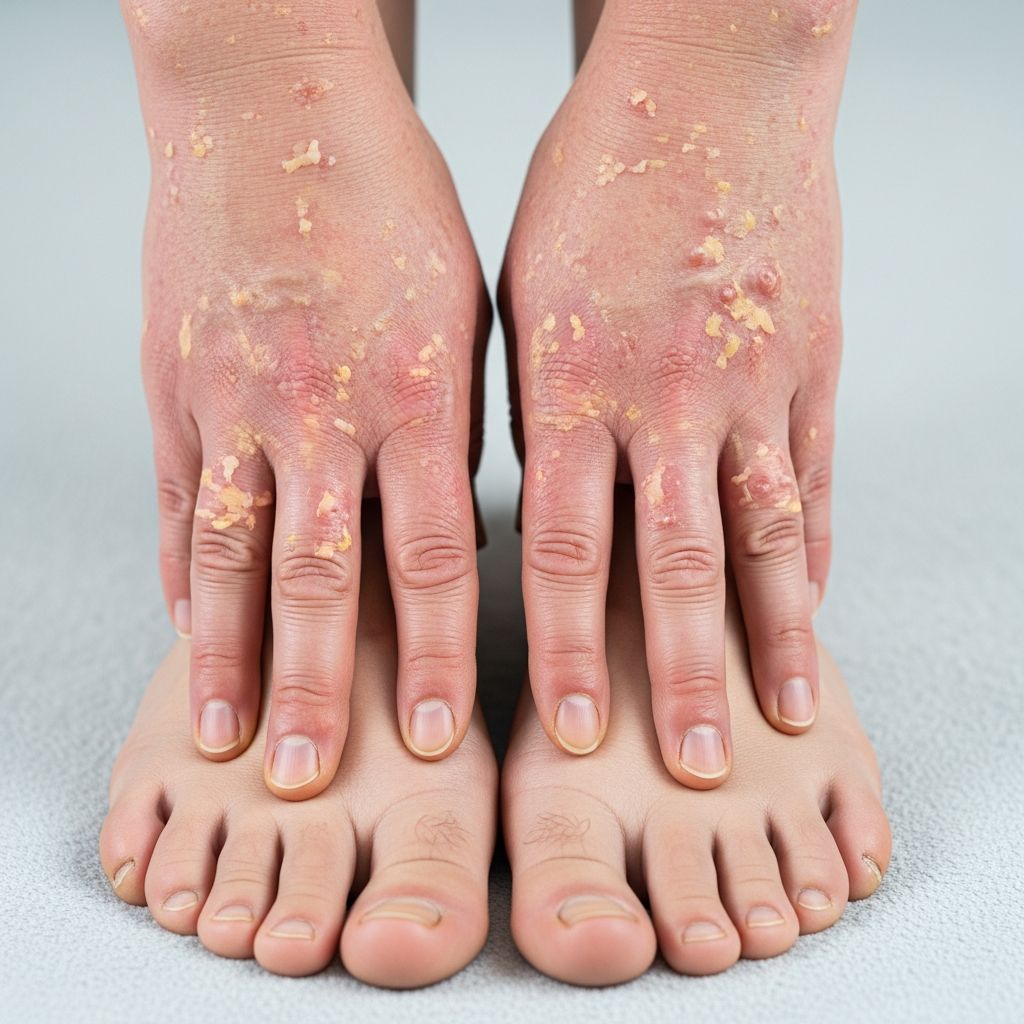
or palmar-plantar erythrodysesthesia syndrome, is a common cutaneous side effect of certain chemotherapy agents and targeted therapies. It primarily affects the palms of the hands and soles of the feet, causing redness, swelling, pain, and skin peeling that can significantly impair daily activities.What is hand-foot syndrome?
Hand-foot syndrome manifests as a toxic reaction to antineoplastic drugs, characterized by symmetric erythema, edema, and tenderness on the palms and soles. The condition arises from drug accumulation in areas of high pressure and friction, leading to capillary leakage and tissue damage. Common in treatments for breast, colorectal, and other cancers, HFS can range from mild discomfort to severe ulceration limiting basic functions like walking or grasping objects.
The palms and soles are particularly vulnerable due to their rich vascular supply and mechanical stress during use. Symptoms typically emerge 1-3 weeks after chemotherapy initiation or 2-4 weeks with tyrosine kinase inhibitors (TKIs). Unlike hand-foot skin reaction (HFSR) associated with multikinase inhibitors, which features hyperkeratosis without blisters, HFS involves dysesthesia and potential desquamation.
Who gets hand-foot syndrome?
HFS affects patients undergoing systemic anticancer therapy, particularly with cytotoxic agents like
5-fluorouracil (5-FU)
,capecitabine
,doxorubicin
,docetaxel
, andcytarabine
. TKIs such aspazopanib
,regorafenib
, andcabozantinib
are also frequent culprits, with incidence rates up to 56-63% for all grades with capecitabine and 11-24% for grade 3 events.- High-risk groups include those on continuous infusion 5-FU or oral capecitabine for colorectal or breast cancer.
- Patients with prior HFS episodes are at higher risk for recurrence.
- Other factors: female sex, older age, and comorbidities like diabetes may predispose individuals.
Liposomal doxorubicin causes HFS in 40% of cases (1-20% grade 3), while multikinase inhibitors like sorafenib produce a distinct HFSR in pressure points.
What causes hand-foot syndrome?
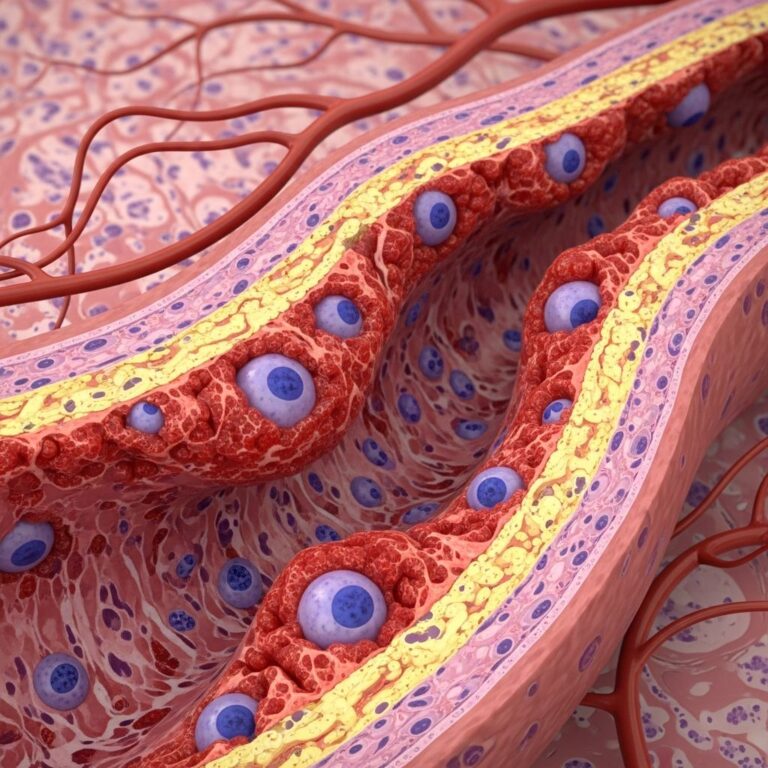
The exact pathogenesis remains incompletely understood but involves drug extravasation from capillaries into the dermis, exacerbated by mechanical pressure on palms and soles. This leads to inflammation, endothelial damage, and keratinocyte apoptosis. Heat, friction, and pressure (e.g., from walking or gripping) promote drug concentration in acral areas.
Chemotherapy agents like capecitabine are metabolized to 5-FU, which accumulates in tissues with low thermoregulatory capacity. TKIs inhibit vascular endothelial growth factor receptors, altering skin perfusion and causing keratin thickening. Unlike allergic reactions, HFS is dose-dependent and non-immunologic.
What are the clinical features of hand-foot syndrome?
Symptoms begin subtly with tingling or numbness, progressing to
painful erythema
, swelling, and dysesthesia. Affected areas show symmetric redness on palms, soles, and sometimes pressure points like elbows or knees.- Mild cases: Dryness, pruritus, or slight redness without functional impairment.
- Moderate: Peeling, blisters, edema interfering with instrumental activities of daily living (IADL).
- Severe: Ulceration, intense pain limiting basic activities of daily living (ADL), such as walking.
Progression: Symptoms peak 2-12 days post-dose, resolving 1-2 weeks after drug cessation but recurring with rechallenge. Other sites like groin or axillae may be involved due to friction.
How is hand-foot syndrome graded?
HFS severity is graded using the NCI Common Terminology Criteria for Adverse Events (CTCAE):
| Grade | Symptoms | Functional Impact |
|---|---|---|
| 1 | Minimal skin changes or dermatitis without pain | No interference with daily activities |
| 2 | Peeling, blisters, edema, bleeding; moderate pain | Limits IADL (e.g., writing, light work) |
| 3 | Severe skin changes (ulceration); severe pain | Limits ADL (e.g., walking, self-care) |
| 4 | Life-threatening consequences; urgent intervention | — |
Diagnosis of hand-foot syndrome
HFS is a clinical diagnosis based on history of recent chemotherapy and characteristic acral distribution. No biopsy is needed unless differentiating from graft-versus-host disease (GVHD) or Stevens-Johnson syndrome (SJS/TEN), which are more diffuse. Dermatology consultation is advised for atypical presentations.
Differential diagnosis of hand-foot syndrome
- Hand-foot skin reaction (HFSR): TKIs cause hyperkeratotic, non-blistering plaques; no dysesthesia.
- GVHD: Post-transplant; involves mucous membranes, trunk.
- SJS/TEN: Widespread bullae, mucosal involvement; systemic symptoms.
- Contact dermatitis: Asymmetric, pruritic; responds to avoidance.
- Erythromelalgia: Burning pain triggered by heat; no chemotherapy link.
Prevention of hand-foot syndrome
Proactive strategies reduce incidence:
- **Topical urea (10-20%):** Apply 2-3 times daily; prevents HFS with capecitabine.
- **Topical diclofenac 1%:** Twice daily on hands from capecitabine start.
- **Oral celecoxib 200-400 mg BID:** For 3-4 months; reduces all-grade HFS.
- Avoid friction: Use padded gloves/socks, cool soaks, limit heat/pressure.
Dose reduction or scheduling changes (e.g., 5-FU bolus vs. infusion) by oncologist. Evidence lacking for pyridoxine or sildenafil.
Management of hand-foot syndrome
Treatment is supportive, focusing on symptom relief and dose adjustment. Collaborate with oncology.
- Mild (Grade 1): Emollients, avoid irritants.
- Moderate/Severe (Grade 2-3): High-potency steroids (clobetasol 0.05%, betamethasone BID); analgesics (opioids/NSAIDs).
- Hyperkeratosis: Salicylic acid 5-10% or urea 10-20% keratolytics.
- Advanced: Wound care, photobiomodulation (low-level laser, 6 sessions/2 weeks).
Cooling gloves/socks, oral steroids if refractory. Symptoms resolve post-treatment interruption.
Complications of hand-foot syndrome
Severe HFS causes functional dependence, secondary infection from blisters, chronic pain, and treatment delays. Morbidity includes impaired ambulation/work.
Hand-foot syndrome treatment
See Management section. Oncologist may pause/reduce dose; e.g., capecitabine hold for grade 3.
Hand-foot syndrome prognosis
Excellent with intervention; resolves 1-4 weeks post-discontinuation. Recurrence risk high with rechallenge; preventive measures mitigate.
Frequently Asked Questions
Q: What drugs cause hand-foot syndrome?
A: Primarily capecitabine, 5-FU, doxorubicin, docetaxel, cytarabine, and TKIs like regorafenib.
Q: How long does HFS last?
A: Symptoms peak in days, resolve 1-2 weeks after drug hold; full healing in weeks.
Q: Can HFS be prevented?
A: Yes, with urea cream, celecoxib, and friction avoidance.
Q: Is HFS the same as hand-foot skin reaction?
A: No; HFSR (TKIs) lacks blisters/dysesthesia, features thick skin.
Q: When to seek medical help for HFS?
A: Grade 2+ symptoms: pain limiting activities, blisters, ulceration.
References
- Hand-Foot Syndrome (Palmar-Plantar Erythrodysesthesia) — MyPCNow.org. 2023. https://www.mypcnow.org/fast-fact/hand-foot-syndrome-palmar-plantar-erythrodysesthesia/
- Hand-Foot Syndrome: What It Is, Causes & Treatment — Cleveland Clinic. 2023-10-25. https://my.clevelandclinic.org/health/diseases/24105-hand-foot-syndrome
- How to Recognize and Manage Hand-Foot Syndrome Due to Capecitabine or Doxorubicin — ASCO Post. 2013-06-25. https://ascopost.com/issues/june-25-2013/how-to-recognize-and-manage-hand-foot-syndrome-due-to-capecitabine-or-doxorubicin/
- Hand-Foot-Syndrome — American Cancer Society. 2023. https://www.cancer.org/cancer/managing-cancer/side-effects/hair-skin-nails/hand-foot-syndrome.html
Similar Articles








Read full bio of Sneha Tete