Hand Rubs: 4-Step Guide For Safe Use And Skin Care
Explore the role of alcohol-based hand rubs in hygiene, their effectiveness against microbes, skin safety, and proper usage guidelines.
A
hand rub
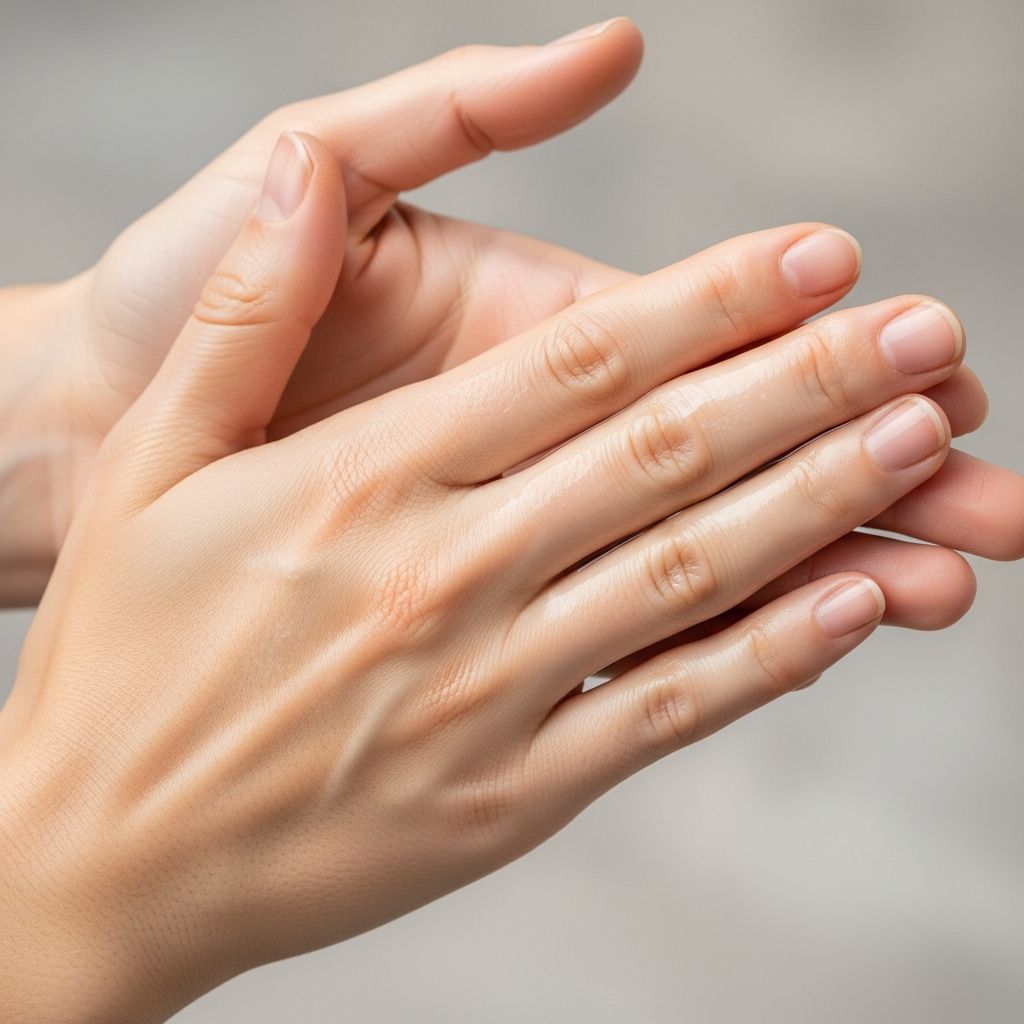
is a gel or liquid containing antimicrobial agents designed to decrease the number of microorganisms on hands without requiring water. These products, often called sanitisers, primarily use alcohols such as ethanol, isopropanol, or n-propanol at varying concentrations. Unlike soap and water, hand rubs do not remove organic material like dirt or grease, making them unsuitable for visibly soiled hands.What is hand rub?
Hand rubs are formulated for quick application and rapid microbial reduction. The active ingredients—alcohols—disrupt microbial cell membranes and denature proteins, leading to fast-acting disinfection. Ethanol at concentrations of 60% or higher is particularly effective against a broad spectrum of pathogens, including enveloped viruses like influenza and SARS-CoV-2, most bacteria, and many fungi. However, limitations exist: alcohol-based rubs show reduced efficacy against non-enveloped viruses (e.g., norovirus), bacterial spores like those of Clostridium difficile, and protozoan oocysts.
Alternatives include alcohol-free options, such as superoxidised solutions or hydrogen peroxide-based sanitisers, which provide similar antimicrobial action without ethanol’s drying effects. These are gaining popularity for sensitive skin users.
Regular household soap
Traditional
social handwashing
uses non-antiseptic household soap, which mechanically removes bacteria and viruses through detergent action rather than killing them. Soap emulsifies oils and lifts microbes from the skin surface, effective for routine cleaning. Key downsides include:- Requires access to water and a sink, limiting convenience.
- Can dry out skin due to surfactant content, leading to irritation with frequent use.
- Longer process (20-30 seconds minimum) compared to rubs.
Plain soap excels at removing transient dirt but lacks persistent antimicrobial activity.
Healthcare settings
In clinical environments, hand hygiene protocols traditionally employed chemical washes like chlorhexidine gluconate or povidone-iodine alongside alcohol. These antiseptics target bacteria, fungi, and viruses more comprehensively. Studies in healthcare demonstrate that alcohol-based hand rubs are at least as effective as these washes in reducing skin bacterial counts and preventing hospital-acquired infections (HAIs). Advantages include faster application (15-30 seconds), better compliance, and reduced skin irritation compared to harsher chemical soaps.
A systematic review confirms rubs’ equivalence to soap in microbial reduction on clean hands, with superior convenience. Healthcare workers benefit from rubs’ lower risk of irritant contact dermatitis, a common occupational hazard.
Hand rubs in the COVID-19 era
The SARS-CoV-2 pandemic elevated hand rubs to frontline defense status. Ubiquitous in public spaces—shops, restaurants, clinics—rubs dissolve the virus’s lipid envelope and denature its spike proteins. Efficacy demands at least 80% ethanol or 75% isopropanol; lesser concentrations fail against coronaviruses. Optimal use involves 3mL of product rubbed thoroughly for 45-50 seconds until dry.
World Health Organization (WHO) formulations recommend 80% ethanol or 75% isopropyl alcohol with 1.45% glycerol (emollient) and 0.125% hydrogen peroxide (anti-spore) in sterile water. Avoid dyes, fragrances, or preservatives to minimize allergy risks. Benzalkonium chloride alternatives proved inferior against coronaviruses.
Frequent use during lockdowns increased dry skin reports, underscoring the need for adjunct moisturisers. Despite heightened exposure, meta-analyses found no significant hand eczema risk from rubs, even >20 times daily.
Related Stories



Side effects
Hand rubs are generally skin-friendlier than soap and water, causing less damage per evidence. However, potential adverse effects include:
- Dryness and irritant contact dermatitis: Alcohol evaporates skin moisture; mitigated by emollients like glycerol.
- Allergic contact dermatitis: Rare, from additives (fragrances, preservatives); choose plain formulas.
- Stinging: On pre-damaged skin (fissures, eczema).
Individuals with atopy or existing dermatitis face higher risks. A meta-analysis of 14 studies showed no statistical link between rub use (>10 or >20 times/day) and hand eczema (OR 1.20, 95% CI 0.91-1.58; very low GRADE certainty). This contrasts with handwashing or wet work, which elevate eczema odds (OR 1.37). Dry hands respond well to pocket moisturisers applied post-rub.
When to use hand rub
Use hand rubs when:
- Hands are physically clean (no visible soil).
- Soap and water are unavailable.
- Speed is essential (e.g., healthcare, public settings).
Avoid if hands are soiled—opt for soap then. In food handling or high-spore environments (C. difficile), combine with soap washes.
How to use hand rub
| Step | Instructions |
|---|---|
| 1. Dispense | Apply 3mL (palmful) of gel/foam/liquid. |
| 2. Cover | Spread over all hand surfaces: palms, backs, fingers, thumbs, nails, crevices. |
| 3. Rub | Interlock fingers, rub vigorously for 45-50 seconds until dry. |
| 4. Moisturise | Follow with emollient if skin feels dry. |
Proper technique ensures full coverage and efficacy. Insufficient volume or rubbing time reduces effectiveness.
Frequently Asked Questions (FAQs)
What microorganisms do hand rubs kill?
Alcohol rubs (≥60% ethanol) eliminate most bacteria, enveloped viruses, and fungi but not spores (C. difficile) or non-enveloped viruses.
Are hand rubs better than soap?
For clean hands, yes—equally effective, faster, less irritating. Soap is mandatory for soiled hands.
Can hand rubs cause eczema?
No significant risk per meta-analysis; safer than frequent washing.
What concentration is needed for COVID-19?
≥80% ethanol or ≥75% isopropanol.
How often can I use hand rub safely?
Safely multiple times daily; moisturise to prevent dryness.
References
- Hand rubs and the skin — DermNet NZ. 2021-04. https://dermnetnz.org/topics/hand-rub
- Hand hygiene and hand eczema: A systematic review and meta-analysis — Wiley Online Library / Contact Dermatitis. 2022-04-23. https://pmc.ncbi.nlm.nih.gov/articles/PMC9111880/
- Antibacterial soap — DermNet NZ. https://dermnetnz.org/topics/antibacterial-soap
- Hand hygiene and hand eczema: A systematic review and meta-analysis — Wiley Online Library. 2022. https://onlinelibrary.wiley.com/doi/abs/10.1111/cod.14133
- Hand care for healthcare workers — DermNet NZ. https://dermnetnz.org/topics/hand-care-for-healthcare-workers
Similar Articles








Read full bio of Sneha Tete