Hand Sanitizer in Eyes: Risks and Remedies
Discover the hidden dangers of alcohol-based hand sanitizers splashing into your eyes and learn essential steps for immediate relief and prevention.
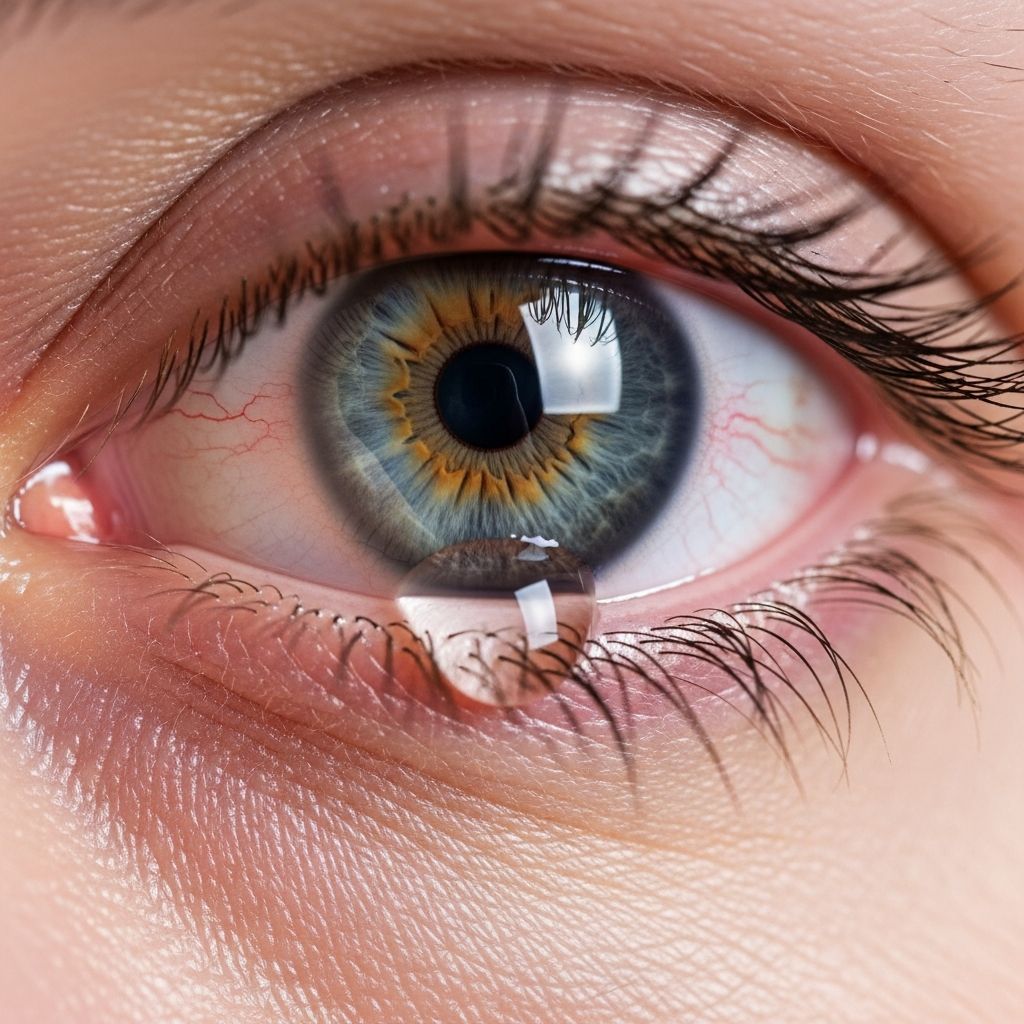
Alcohol-based hand sanitizers have become a staple for hygiene, especially since the COVID-19 pandemic boosted their use. However, accidental exposure to the eyes can lead to significant harm, ranging from temporary discomfort to severe corneal damage. The U.S. Food and Drug Administration (FDA) reports thousands of incidents, underscoring the need for awareness and proper response protocols.
Why Hand Sanitizers Pose a Threat to Eye Health
These products typically contain 60-95% alcohol, such as ethanol or isopropanol, designed to kill germs on skin. When this concentrated alcohol contacts the eye’s delicate mucous membranes, it strips away protective moisture, causing immediate chemical irritation. The cornea, the eye’s clear outer layer, is particularly vulnerable, as alcohol disrupts its epithelial cells, potentially leading to abrasions or ulcers.
During the pandemic, eye exposures surged due to widespread dispenser use in public spaces. Data from U.S. poison control centers show 3,642 calls between January 2018 and April 2021 related to hand sanitizer in eyes, with a sharp increase post-2020. Children under 6 are at highest risk, accounting for many severe cases, often from dispensers at their eye level that splash easily.
Common Symptoms of Eye Exposure
Upon contact, most people experience intense stinging or burning, prompting an instinct to rub the eyes—which worsens damage by spreading the irritant. Key symptoms include:
- Redness and conjunctivitis: Inflammation of the eye’s outer lining, affecting the majority of cases.
- Pain and irritation: Sharp discomfort that may persist after initial rinsing.
- Blurred vision: Reported in 160 instances, due to corneal swelling or defects.
- Photophobia: Extreme light sensitivity, common in pediatric cases.
- Severe injuries: 58 documented corneal abrasions, with half in those 19 and younger.
In peer-reviewed studies, children as young as 3.5 years developed corneal ulcers requiring hospitalization, with healing times up to 13 days. Gel-type sanitizers may cause delayed healing due to their thicker consistency.
Immediate First Aid: Step-by-Step Guide
Act swiftly to minimize damage. Do not rub or apply pressure, as this grinds alcohol residue into the cornea. Follow these steps:
- Rinse immediately: Flush eyes with lukewarm, gently running water from a sink, bottle, or eyewash station for 15-20 minutes. Hold eyelids open to ensure thorough irrigation.
- Avoid neutralizers: Do not use milk, vinegar, or other substances; water is safest and most effective.
- Assess symptoms: After rinsing, check for lingering redness, pain, blurred vision, or light sensitivity.
- Seek professional care: If issues persist, visit an emergency eye clinic promptly. Antibiotics may be needed for abrasions.
| Symptom | Duration After Rinse | Action Required |
|---|---|---|
| Mild stinging | <1 hour | Monitor at home |
| Persistent pain/redness | >1 hour | Urgent eye exam |
| Blurred vision | Any | Immediate medical attention |
| Corneal abrasion signs | Any | ER or ophthalmologist |
This table summarizes triage based on FDA and clinical data, helping differentiate minor from critical exposures.
Related Stories



Prevention Strategies for Everyday Safety
Prevention is key, especially in high-traffic areas like schools, offices, and stores. Key measures include:
- Handwashing priority: Soap and water for 20 seconds remains the gold standard for hygiene, reducing sanitizer reliance.
- No eye contact: Apply sanitizer away from face; wait for full drying before touching eyes or face.
- Child supervision: Watch kids under 6 near dispensers; teach them not to play with them.
- Strategic storage: Keep sanitizers out of reach, above child height, and check FDA’s do-not-use list for contaminated products.
- Workplace protocols: Install eye-level eyewash stations near dispensers; train staff on risks.
Parents should educate children on hygiene routines, emphasizing sanitizer as a ‘hands-only’ tool.
Special Risks for Children and Vulnerable Groups
Youngsters face disproportionate dangers due to curiosity and dispenser accessibility. In one study, 16 pediatric cases in 2020 showed corneal ulcers in half, versus just one in 2019—linked to pandemic habits. A 4-year-old girl suffered conjunctival ischemia and a large epithelial defect after shop exposure, resolving after two weeks of treatment.
Healthcare workers and frequent users also report issues from repeated micro-exposures. Elderly individuals with dry eyes or contact lenses may experience amplified effects, as alcohol exacerbates underlying conditions.
Long-Term Effects and Recovery Insights
Most cases resolve with rinsing and supportive care, but severe abrasions can scar the cornea, risking infection or vision impairment if untreated. FDA data notes 26 of 58 serious cases needed antibiotics; some required follow-up.
Healing timelines vary: superficial issues clear in days, while ulcers take 1-2 weeks. Rare complications include keratitis or chronic dryness. Regular eye exams help monitor at-risk individuals.
Understanding Sanitizer Ingredients and Alternatives
Beyond alcohol, some contain fragrances or gels prolonging contact time, heightening injury risk. Benzalkonium chloride in non-alcohol versions is less harsh but still irritating.
Alternatives like benzoyl alcohol wipes or copper-infused surfaces offer hygiene without eye risks. Always verify labels and opt for pediatric-safe formulas with lower alcohol.
Frequently Asked Questions (FAQs)
What should I do first if sanitizer gets in my eye?
Rinse with water for 15-20 minutes immediately; avoid rubbing.
Can hand sanitizer cause permanent damage?
Rarely, if untreated; prompt care prevents most complications like scarring.
Is it safe for kids to use sanitizer?
With supervision under age 6; prefer handwashing.
How common are these injuries?
Over 3,600 poison center calls from 2018-2021, spiking during COVID.
What if symptoms don’t improve after rinsing?
Seek urgent eye care for exam and possible antibiotics.
Promoting Eye-Safe Hygiene Habits
Incorporate routines like ‘sanitize, dry, then go’ to build safe habits. Public campaigns and dispenser redesigns (e.g., no-splash models) could further reduce incidents. By balancing hygiene with caution, we protect vision without sacrificing cleanliness.
References
- FDA Warns that Getting Alcohol-Based Hand Sanitizer in the Eyes Can Cause Serious Injury — U.S. Indian Health Service. 2021-06-01. https://www.ihs.gov/nptc/pharmacovigilance/medication-safety-resources-archive/2021/fda-warns-that-getting-alcohol-based-hand-sanitizer-in-the-eyes-can-cause-serious-injury/
- FDA Warns: Getting Alcohol-Based Hand Sanitizer in Eyes Can Cause Serious Injury — U.S. Food and Drug Administration. 2021-11-02. https://www.fda.gov/drugs/drug-safety-and-availability/fda-warns-getting-alcohol-based-hand-sanitizer-eyes-can-cause-serious-injury
- Alcohol-based Hand Sanitizer: Drug Safety Communication – Getting in Eyes Can Cause Serious Injury — U.S. Food and Drug Administration. 2021-11-10. https://www.fda.gov/safety/medical-product-safety-information/alcohol-based-hand-sanitizer-drug-safety-communication-getting-eyes-can-cause-serious-injury
- Eye Emergency: Hand Sanitizer in Your Eyes — American Optometric Association. 2023-05-15. https://www.optometrists.org/general-practice-optometry/guide-to-eye-exams/eye-emergencies/eye-emergency-hand-sanitizer-in-your-eyes/
- Can Hand Sanitizer Harm Your Eyes? — Dr. Beeve Ophthalmology. 2022-08-20. https://www.drbeeve.com/blog/can-hand-sanitizer-harm-your-eyes
- Ocular chemical burn associated with gel type alcohol-based hand sanitizer — PubMed Central (PMC). 2021-10-15. https://pmc.ncbi.nlm.nih.gov/articles/PMC8542124/
Similar Articles








Read full bio of Sneha Tete