Hand Skin Problems: Complete Guide To Causes And Treatment
Comprehensive guide to common hand skin conditions, causes, symptoms, diagnosis, and effective treatments for healthier hands.
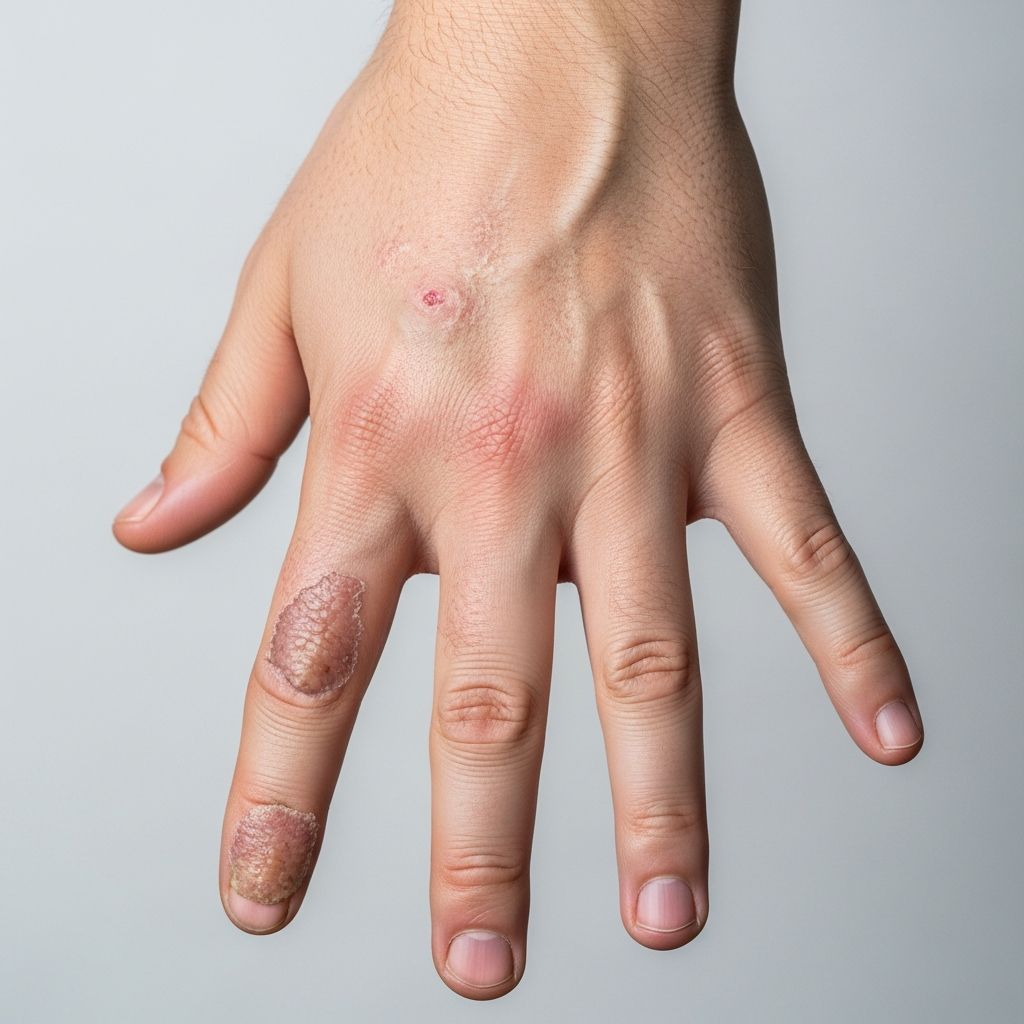
Hand skin problems encompass a wide range of conditions, predominantly affecting the dorsal and palmar aspects of the hands. These issues, often manifesting as dermatitis or eczema, impact millions worldwide, leading to discomfort, occupational disruptions, and chronic management needs. Understanding the diverse etiologies—from irritants and allergens to genetic predispositions—is crucial for effective intervention.
Introduction to Hand Dermatitis
Hand dermatitis, also known as hand eczema, is a prevalent acute or chronic eczematous disorder triggered by multiple factors including irritants, allergens, and endogenous predispositions like atopy. It frequently affects individuals in wet-work occupations such as cleaning, hairdressing, healthcare, and catering. Chronic forms impact 10–15% of the population, causing significant work absenteeism.
The condition often starts mildly but can progress to severe, persistent inflammation involving blisters, edema, dryness, and fissures. Bilateral and symmetrical involvement is common, though unilateral cases occur in contact dermatitis favoring the dominant hand.
Demographics and Epidemiology
Hand dermatitis affects all age groups but is particularly prevalent in working adults exposed to irritants. Atopic hand dermatitis occurs in 50–60% of individuals with active atopic dermatitis, with prevalence rising from 30–40% in infants to 65% in those over 12 years due to increased irritant exposure. Occupational hand dermatitis constitutes 80% of cases in homemakers and professionals involving wet work. Women in housekeeping and men in mechanical trades report higher incidences.
Causes of Hand Skin Problems
Hand skin issues arise from a combination of exogenous and endogenous factors:
- Irritant contact dermatitis: Most common, caused by water, detergents, solvents, acids, alkalis, friction, and desiccating dusts. These impair the stratum corneum barrier, increasing transepidermal water loss.
- Allergic contact dermatitis: Triggered by allergens like nickel, fragrances, rubber accelerators, chromate in gloves, and p-phenylenediamine in hair dyes.
- Atopic dermatitis: Genetic skin barrier defects, notably filaggrin deficiency, predispose to irritant reactions. Affects backs of hands, fingers, and wrists.
- Occupational factors: Wet work combined with detergents injures keratinocytes; friction exacerbates damage.
- Other contributors: Hyperhidrosis, emotional stress in vesicular forms (pompholyx), and infections like Staphylococcus aureus or dermatophytes.
Clinical Features
Presentations vary by type and phase:
- Acute phase: Erythema, edema, vesicles, bullae, oozing, crusting, intense itch, burning, or pain.
- Chronic phase: Dryness, scaling, lichenification, fissuring, hyperpigmentation (especially in skin of color), nail dystrophy like pitting or ridges.
Specific patterns include:
- Atopic hand dermatitis: Dorsal hands (90%), fingers (70%), wrists (50–60%); hyperlinear palms, keratosis pilaris; less palmar involvement.
- Discoid/nummular eczema: Circumscribed plaques on dorsal hands/fingers.
- Vesicular (pompholyx): Itchy blisters on palms, sides of fingers; exacerbated by sweat.
- Hyperkeratotic: Dry, scaly palms mimicking psoriasis.
- Fingertip dermatitis: Eczematous changes from distal crease, often occupational.
- Interdigital dermatitis: Early ‘sentinel sign’ in web spaces from wet work.
Related Stories



In skin of color, erythema is subtle, with grey scale and postinflammatory hyperpigmentation. Nails show coarse pitting, ridges, cuticle loss when distal fingers are involved.
Complications
Untreated hand dermatitis leads to chronicity, secondary bacterial infections (e.g., Staph aureus), fungal involvement, and occupational disability. Atopics risk persistent disease and allergic contact dermatitis. Nail dystrophy and paronychia are common. Postinflammatory changes and psychological impacts like anxiety from visible disfigurement exacerbate issues.
Diagnosis
Diagnosis relies on history, examination, and exclusion:
- History: Onset, exposures (work/home irritants/allergens), atopy, family history.
- Examination: Distribution, morphology, associated signs (e.g., flexure eczema).
- Investigations: Patch testing for allergens in chronic cases; swabs for bacteria/fungi; biopsy if needed to rule out psoriasis, tinea, or malignancy.
Differential diagnoses include psoriasis (well-demarcated, less itchy), tinea manuum, scabies, and systemic sclerosis.
Differential Diagnoses
| Condition | Key Features | Differentiating Clue |
|---|---|---|
| Psoriasis | Well-circumscribed plaques, silvery scale | Auspitz sign, nail pitting typical of psoriasis |
| Tinea manuum | Asymmetrical, annular scaling | KOH positive, fungal culture |
| Nummular dermatitis | Round plaques on extremities | May coexist, history of atopy |
| Scabies | Burrows, nocturnal itch | Wrist webs, body involvement |
| Paronychia | Swollen nail folds | Culture for candida/Staph |
Treatment
Treatment is stepwise, addressing triggers and inflammation:
- Trigger avoidance: Gloves for wet work (cotton-lined vinyl), frequent emollient use, soap substitutes.
- Topical therapies: Emollients (petrolatum-based); mild-moderate corticosteroids (hydrocortisone); potent for chronic (clobetasol).
- Antimicrobials: If infected, topical/oral antibiotics; antifungals for dermatophytes.
- Advanced: Phototherapy, oral immunosuppressants (methotrexate), or biologics for severe refractory cases.
- Hand care tips: Moisturize post-washing, avoid hot water, use fragrance-free products.
Prevention
Prevention is key, especially occupationally:
- Use protective gloves for irritants/chemicals.
- Apply emollients prophylactically in high-risk jobs.
- Educate on skin care: short nail lengths, drying hands thoroughly.
- Workplace adjustments: reduced wet exposure.
For homemakers: detergent-free cleaning, protective barriers during chores.
Outlook and Prognosis
Acute cases resolve with avoidance and treatment, but chronic hand dermatitis persists in 50–70%, especially atopics or with ongoing exposure. Early intervention prevents progression; moderate-severe predicts poor outcome.
Frequently Asked Questions (FAQs)
Q: Who is most at risk for hand dermatitis?
A: Individuals in wet-work occupations like cleaners, hairdressers, and healthcare workers, plus those with atopic dermatitis history.
Q: How can I prevent occupational hand skin problems?
A: Wear cotton-lined gloves, use emollients frequently, avoid irritants, and maintain short nails.
Q: Is hand dermatitis contagious?
A: No, it is not infectious; secondary bacterial infections can occur but are treatable.
Q: When should I see a dermatologist for hand skin issues?
A: If symptoms persist >2 weeks, worsen, or involve infection signs like pus/fever.
Q: Can hand dermatitis affect nails?
A: Yes, causing ridges, pitting, dystrophy, especially in distal finger involvement.
References
- Atopic hand dermatitis — DermNet NZ. 2023. https://dermnetnz.org/topics/atopic-hand-dermatitis
- Hand dermatitis (hand eczema) — DermNet NZ. 2023. https://dermnetnz.org/topics/hand-dermatitis
- Hand dermatitis CME — DermNet NZ. 2023. https://dermnetnz.org/cme/dermatitis/hand-dermatitis
- Irritant contact dermatitis — DermNet NZ. 2023. https://dermnetnz.org/topics/irritant-contact-dermatitis
- Occupational skin disorders in homemakers — DermNet NZ. 2023. https://dermnetnz.org/topics/occupational-skin-disorders-in-homemakers
Similar Articles








Read full bio of Sneha Tete