Hand Surgery: Treatment, Procedures & Care
Comprehensive guide to hand surgery treatments, diagnostic procedures, and recovery.
Understanding Hand Surgery
Hand surgery is a specialized medical field focused on treating conditions, injuries, and diseases affecting the hand, wrist, and upper extremity. Hand surgeons are trained to address both traumatic injuries and chronic conditions using surgical and non-surgical interventions. Whether you have suffered an acute injury or are dealing with a long-standing hand problem, hand surgery offers comprehensive solutions to restore function and improve quality of life.
The hand is one of the most complex structures in the human body, containing numerous bones, joints, nerves, blood vessels, and tendons. Due to this complexity, hand surgery requires specialized expertise and precision. Hand surgeons undergo extensive training beyond general orthopedic or plastic surgery to develop the skills necessary to treat intricate hand conditions effectively.
Common Hand Conditions Treated
Hand surgeons treat a wide variety of conditions affecting the hand and upper extremity. Understanding these conditions can help you recognize when professional medical attention is needed.
Carpal Tunnel Syndrome
Carpal tunnel syndrome is one of the most common hand conditions treated by hand surgeons. This condition occurs when the median nerve becomes compressed as it passes through the carpal tunnel at the wrist. Compression of this nerve can cause numbness, tingling, burning pain, or weakness in the fingers and hand. The symptoms typically affect the thumb, index finger, middle finger, and half of the ring finger.
Carpal tunnel syndrome can develop gradually or suddenly, and symptoms may worsen over time if left untreated. Risk factors include repetitive wrist movements, certain occupations, pregnancy, arthritis, and medical conditions like diabetes. Early diagnosis and treatment are important to prevent permanent nerve damage and loss of hand function.
Traumatic Hand Injuries
Hand injuries from accidents, workplace incidents, or sports activities are common reasons to seek hand surgery treatment. These injuries may include fractures, lacerations, crush injuries, or traumatic amputations. Hand surgeons are skilled in repairing these injuries using advanced surgical techniques to restore both form and function. Immediate and appropriate treatment of traumatic injuries can significantly improve outcomes and prevent long-term complications.
Arthritis and Joint Conditions
Arthritis affecting the hand and wrist can cause pain, stiffness, and loss of function. Hand surgeons treat various types of arthritis, including osteoarthritis and rheumatoid arthritis, using both conservative and surgical approaches. Surgical interventions may include joint fusion, arthroplasty, or other reconstructive procedures to reduce pain and improve hand function.
Nerve Compression and Peripheral Nerve Disorders
Beyond carpal tunnel syndrome, hand surgeons treat other nerve compression conditions such as cubital tunnel syndrome and ulnar tunnel syndrome. These conditions occur when peripheral nerves are compressed, leading to pain, numbness, and weakness. Hand surgeons can surgically decompress these nerves to relieve symptoms and restore normal nerve function.
Related Stories



Tendon Injuries and Disorders
Tendons control hand movement and can be injured through trauma or damaged by inflammatory conditions. Hand surgeons repair torn tendons and treat conditions like trigger finger, where tendons become inflamed and cause finger locking. Surgical repair of tendons requires meticulous technique to ensure proper healing and restoration of hand function.
Diagnostic Methods in Hand Surgery
Accurate diagnosis is essential for appropriate hand surgery treatment. Hand surgeons use various diagnostic methods to evaluate hand conditions thoroughly.
Clinical Examination
A comprehensive physical examination by a hand surgeon often provides sufficient information to diagnose many hand conditions. The surgeon will assess hand strength, sensation, range of motion, and perform specific tests relevant to your symptoms. Clinical examination remains the cornerstone of hand surgery diagnostics.
Imaging Studies
X-rays are commonly used to evaluate hand fractures, arthritis, and joint problems. For more detailed imaging, CT scans and MRI scans may be ordered to visualize soft tissues, nerves, and complex anatomical structures. Ultrasound is increasingly used to evaluate tendons, nerves, and fluid collections in the hand and wrist.
Nerve Conduction Studies and Electromyography
When nerve compression or nerve injury is suspected, nerve conduction studies and electromyography (EMG) testing can confirm the diagnosis and assess the severity of nerve involvement. These tests measure how well nerves transmit electrical signals and help identify the specific location and extent of nerve damage. These diagnostic procedures are particularly valuable in confirming carpal tunnel syndrome and other nerve compression syndromes.
Additional Diagnostic Procedures
Hand surgeons may use additional diagnostic methods such as arthrography, where contrast dye is injected into joints to visualize internal structures, or diagnostic injections to identify the source of pain and guide treatment planning.
Hand Surgery Treatment Options
Hand surgery treatment may be surgical or non-surgical, depending on the condition, severity, and individual patient factors.
Non-Surgical Treatments
Many hand conditions respond well to conservative management when initiated early. Non-surgical treatment options include:
Splinting and Bracing: Immobilization devices can protect injured hands, reduce strain on affected tissues, and promote healing. Splints are commonly used for fractures, tendon injuries, and nerve compression conditions.
Hand Therapy and Rehabilitation: Occupational and physical therapy play crucial roles in hand recovery. Therapists teach patients exercises to maintain range of motion, improve strength, and restore hand function. Therapy also includes instruction on proper ergonomics and techniques to prevent re-injury.
Medications: Anti-inflammatory medications and pain relievers can help manage symptoms. Corticosteroid injections may be used to reduce inflammation in the carpal tunnel or around tendons.
Activity Modification: Changing how daily activities are performed and taking frequent breaks can prevent symptom aggravation and allow healing.
Surgical Treatments
When conservative treatment fails or symptoms are severe, surgical intervention may be necessary. Common hand surgery procedures include:
Carpal Tunnel Release: This procedure involves dividing the ligament forming the roof of the carpal tunnel to relieve pressure on the median nerve. The procedure can be performed using open surgery or minimally invasive endoscopic techniques.
Fracture Repair: Hand surgeons use various fixation methods including pins, plates, and screws to stabilize hand fractures and ensure proper healing.
Tendon Repair and Transfer: Surgical techniques can repair torn tendons or transfer tendons to restore lost function.
Joint Reconstruction: Arthroscopic surgery, joint fusion, or joint replacement procedures can address arthritis and joint damage.
Nerve Surgery: Hand surgeons perform nerve decompression, nerve repair, and nerve transfer procedures to treat nerve injuries and compression.
Microsurgery: Advanced microsurgical techniques allow hand surgeons to repair small structures including small blood vessels and nerves. Replantation surgery, reattaching severed fingers or hands, represents one of the most sophisticated applications of hand surgery and microsurgery.
What to Expect During Hand Surgery
Understanding what to expect before, during, and after hand surgery helps patients prepare mentally and physically for their procedure.
Pre-Operative Preparation
Before hand surgery, your surgeon will review your medical history, current medications, and previous surgical experiences. Laboratory tests and imaging studies may be ordered. Your surgeon will discuss the procedure, expected outcomes, and potential risks. Follow pre-operative instructions carefully, which typically include fasting before surgery and arranging transportation home after the procedure.
The Surgical Procedure
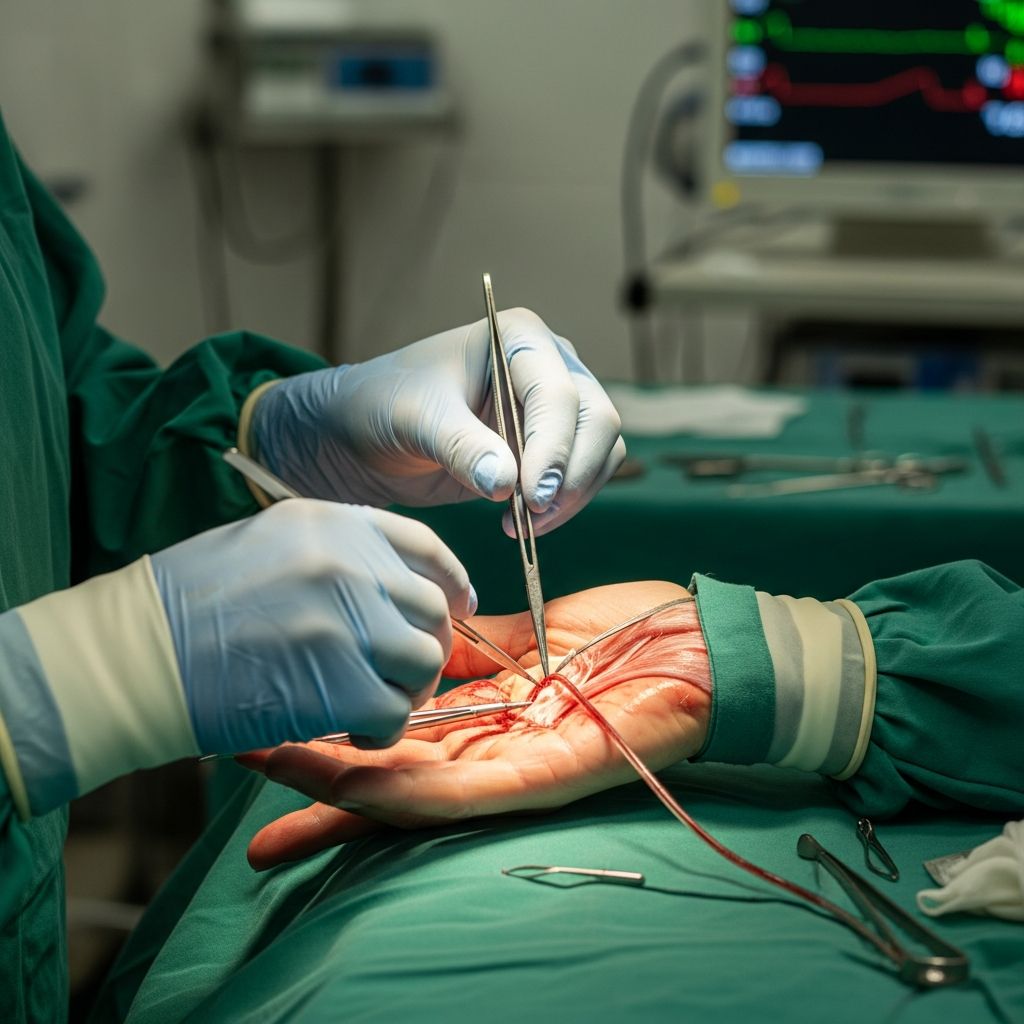
Most hand surgery procedures are performed in an outpatient surgical center or hospital operating room. Many hand procedures require only local anesthesia with light sedation, meaning you remain conscious but comfortable and unaware of the surgery. Some procedures may require general anesthesia. The specific anesthesia approach depends on the procedure and patient factors.
Hand surgeons typically use magnification loupes or operating microscopes during procedures to visualize tiny structures precisely. This magnification is essential for accurate surgical technique and optimal outcomes. Depending on the procedure, surgery may last from 30 minutes to several hours.
Post-Operative Care
After hand surgery, your hand will be dressed with bandages and possibly placed in a splint or cast for protection and support. You can typically go home the same day for most hand procedures. Your surgeon will provide specific post-operative instructions including wound care, medication use, activity restrictions, and when to resume normal activities.
Pain and swelling are normal after hand surgery. Elevating your hand above heart level and applying ice can help reduce swelling. Your surgeon will prescribe pain medication as needed. Some soreness and mild swelling may persist for several weeks following surgery.
Recovery and Rehabilitation
Successful hand surgery outcomes depend significantly on proper recovery and rehabilitation. The recovery timeline varies depending on the procedure and individual healing rates.
Initial Recovery Phase
During the first few weeks after surgery, focus on protecting your hand, managing pain, and following activity restrictions. Your fingers will remain free to move, even if your wrist is immobilized. Gentle finger movement is often encouraged to maintain circulation and prevent stiffness. Most patients can return to light activities within two to four weeks after hand surgery.
Rehabilitation and Physical Therapy
Hand therapy is typically initiated several weeks after surgery. Your occupational or physical therapist will guide you through progressive exercises to restore range of motion, strength, and coordination. Therapy sessions help you regain the ability to perform daily activities and return to work and recreation. Therapy may continue for several months depending on the procedure and your progress.
Long-Term Recovery
For mild conditions, most patients experience near-complete recovery within the first six months after surgery. Patients with more severe or long-standing conditions may require longer recovery periods and may not regain 100% of previous hand function. However, most patients achieve significant functional improvement and symptom relief following hand surgery.
Specialized Hand Surgery Areas
Hand surgeons receive training in various specialized areas to provide comprehensive upper extremity care.
Pediatric Hand Surgery
Hand surgeons with pediatric expertise treat congenital hand conditions, developmental abnormalities, and injuries in children. Pediatric hand surgery requires specialized knowledge of how hand conditions present differently in growing children and how treatment must be adjusted accordingly.
Microsurgery and Replantation
Highly trained hand surgeons perform complex microsurgical procedures using operating microscopes to repair tiny structures. Replantation of severed fingers or hands represents the pinnacle of hand surgery expertise. Successful replantation depends on rapid transport to specialized surgical centers and immediate surgical intervention.
Trauma and Reconstruction
Hand surgeons manage traumatic injuries including crush injuries, lacerations, and complex fractures. They perform soft tissue reconstruction using various techniques including skin grafts, tissue flaps, and free tissue transfers to restore hand function and appearance after significant injuries.
Upper Extremity Nerve Surgery
Hand surgeons specializing in nerve surgery treat brachial plexus injuries, peripheral nerve injuries, and nerve compression syndromes affecting the entire upper extremity from the shoulder to the fingertips.
Frequently Asked Questions
Q: When should I see a hand surgeon?
A: You should consult a hand surgeon if you experience persistent hand pain, numbness, tingling, weakness, loss of motion, deformity, or if you have suffered a hand injury. Early evaluation can lead to better outcomes.
Q: Is hand surgery always necessary?
A: No, many hand conditions respond well to conservative treatment including splinting, therapy, and activity modification. Hand surgeons exhaust non-surgical options first and recommend surgery only when conservative treatment has failed or symptoms are severe.
Q: What is the recovery time after hand surgery?
A: Recovery varies by procedure type, ranging from a few weeks for minor procedures to several months for complex reconstructive surgery. Most patients return to light activities within two to four weeks and resume normal activities progressively over subsequent months.
Q: Will I regain full function after hand surgery?
A: Most patients experience significant functional improvement following hand surgery. For mild conditions, near-complete recovery is typical. More severe or chronic conditions may require longer recovery, and complete restoration of function cannot always be guaranteed, but substantial improvement is usually achieved.
Q: Can hand conditions recur after surgery?
A: Some hand conditions like carpal tunnel syndrome can recur, though recurrence typically occurs many years after the initial surgery. If recurrence happens, the condition can be treated again with good outcomes.
Q: What type of anesthesia is used for hand surgery?
A: Many hand procedures use local anesthesia with light sedation, allowing patients to go home the same day without general anesthesia. Some complex procedures may require general anesthesia based on the procedure type and patient medical history.
Q: How can I prevent hand injuries and conditions?
A: Practice proper ergonomics at work, take frequent breaks during repetitive activities, use protective equipment when appropriate, and maintain overall hand health through appropriate exercise and stretching.
References
- Hand and Upper Extremity Fellowship — University of California, Irvine School of Medicine, Department of Orthopaedic Surgery. 2024. https://www.uciortho.com/hand-surgery-fellowship-orthopaedic-irvine-newportbeach-california.html
- Carpal Tunnel Syndrome FAQ with Dr. Sophia Strike — Johns Hopkins Medicine. February 26, 2020. https://www.hopkinsmedicine.org/health/treatment-tests-and-therapies/hand-surgery
- Classic Papers in Hand Surgery — Johns Hopkins University, Journal of Hand Surgery. 2000. https://pure.johnshopkins.edu/en/publications/classic-papers-in-hand-surgery-4
Similar Articles








Read full bio of Sneha Tete