Handwashing: How To, How Long & Why To Wash Your Hands
Master proper handwashing techniques to prevent germs and illness effectively.
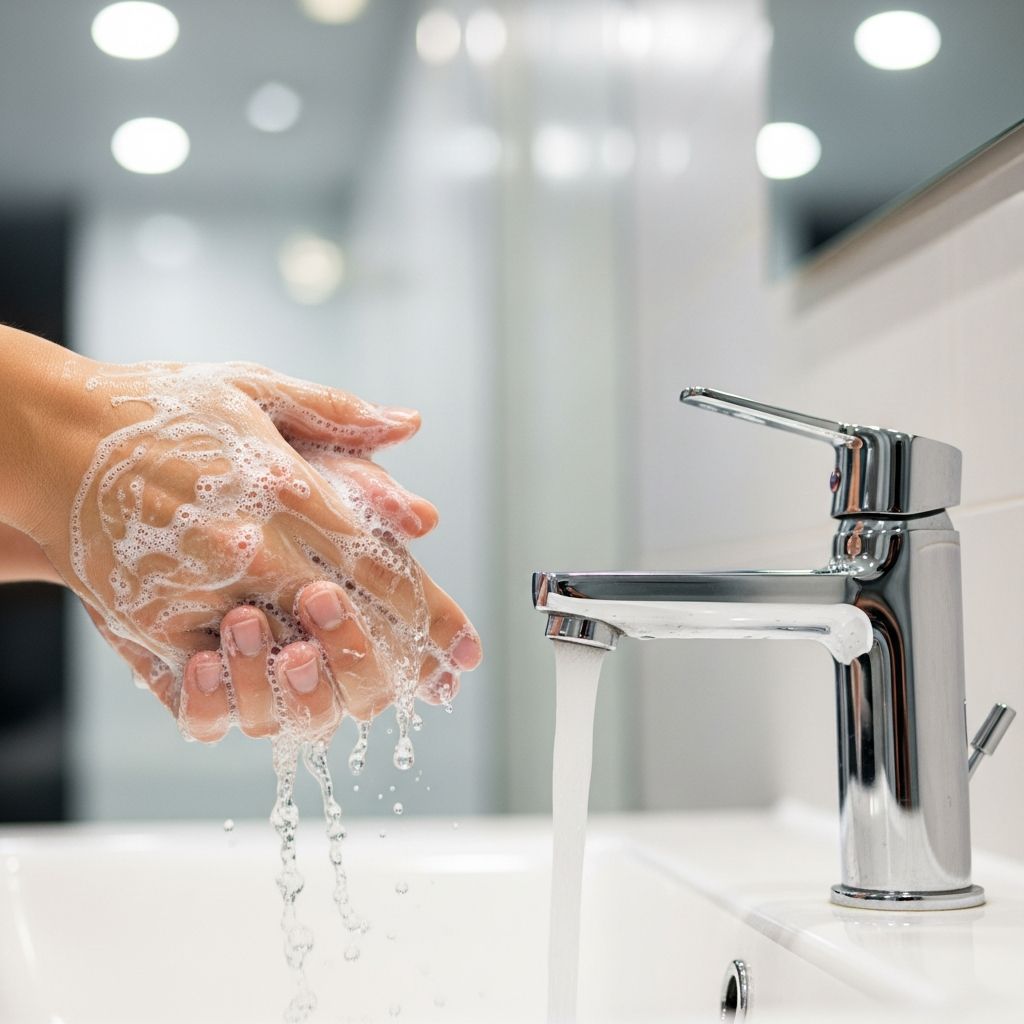
Hand hygiene is one of the most fundamental and effective ways to protect yourself and others from infectious diseases. Despite its simplicity, many people don’t realize that proper handwashing technique requires more than just a quick rinse under water. Understanding the correct method, duration, and timing of handwashing can significantly reduce the spread of germs and help keep you and your community healthy.
Why Hand Washing is Important
Your hands are constantly exposed to bacteria, viruses, and other microorganisms throughout the day. Whether you’re touching shared surfaces like shopping carts, handling food, or coming into contact with sick individuals, your hands can become contaminated with pathogens that cause disease. Washing your hands regularly is one of the most effective ways to interrupt the chain of infection.
According to the CDC, regular handwashing can help reduce the spread of germs, including respiratory illnesses, by up to 21%. When you wash your hands properly, you’re not just removing visible dirt; you’re physically removing microscopic organisms that can cause colds, flu, COVID-19, RSV, and other communicable diseases. If you don’t wash your hands, you could spread these germs to other people, surfaces, food, and drinks, potentially making those around you sick.
Hand washing is particularly important during cold and flu season, when respiratory illnesses are more prevalent. However, maintaining good hand hygiene year-round is essential for preventing a wide range of infections and protecting both your health and the health of those you interact with daily.
How To Properly Wash Your Hands
Proper handwashing technique involves several key steps that work together to effectively remove germs. Following each step carefully is crucial for maximizing the effectiveness of handwashing.
Step-by-Step Hand Washing Technique
Step 1: Wet Your Hands
Begin by wetting your hands with clean, running water. The temperature of the water doesn’t matter—cold or warm water works equally well. What matters is using clean, running water rather than standing water, which may harbor additional contaminants.
Step 2: Apply Soap
Apply a good amount of soap to your hands. You can use either bar soap or liquid soap; both are equally effective when used properly. The soap helps to lift and suspend germs, making them easier to rinse away.
Step 3: Scrub for at Least 20 Seconds
This is perhaps the most important step. Scrub your hands vigorously for at least 20 seconds. Make sure to cover all areas of your hands, including your wrists, the back of your hands, between your fingers, and crucially, under your fingernails where germs can hide. Many people underestimate how long 20 seconds actually is and rush through this critical step. Research shows that most people don’t wash their hands long enough for handwashing to be fully effective.
Step 4: Rinse Thoroughly
Rinse your hands thoroughly with clean, running water to remove all soap and loosened germs. Make sure to rinse all areas you scrubbed, paying special attention to between your fingers and under your nails.
Related Stories



Step 5: Dry with a Clean Towel
Dry your hands completely with a clean towel. This final step is important because wet hands can more easily pick up new germs.
How Long Should You Wash Your Hands?
One of the most common mistakes people make is not washing their hands for long enough. Healthcare professionals recommend washing your hands for at least 20 seconds. A helpful way to measure this duration is to sing “Happy Birthday” twice—this simple technique helps ensure you’re meeting the minimum time requirement.
During a busy day, it’s easy to rush your time at the sink to move on to your next task. However, research shows that taking the full 20 seconds to properly wash your hands significantly increases the effectiveness of removing germs. The scrubbing motion combined with soap and water for this duration is what allows germs to be physically removed from your hands.
When Should You Wash Your Hands?
Handwashing should become a regular habit throughout your day. There are specific times when handwashing is especially important:
Critical Times to Wash Your Hands:
– Before and after eating- Before preparing food or handling food- After using the bathroom- After coughing or sneezing- After being in public places and touching shared surfaces- After caring for someone who is sick- After touching animals or animal waste- When your hands are visibly soiled- Before and after wound care- After removing gloves
Given that you’re coming into the cold and flu season, it’s especially important to recognize the value of handwashing and incorporate it into your daily routine. Think about all the shared surfaces you touch in a single day—grocery store shopping carts, door handles, public transportation railings—each of these is a potential source of contamination.
Hand Sanitizer as an Alternative
While traditional soap and water is the most effective way to clean your hands, there are times when soap and running water aren’t available. In these situations, an alcohol-based hand sanitizer can be a useful alternative.
When choosing a hand sanitizer, make sure it contains at least 60% ethyl alcohol or 70% isopropyl alcohol to effectively kill germs, including the virus that causes COVID-19. Apply the sanitizer to your hands and rub them together until they’re dry. However, it’s important to note that hand sanitizers are less effective if your hands are visibly soiled or greasy, making soap and water the preferred method whenever possible.
Can You Wash Your Hands Too Much?
While handwashing is crucial for preventing infection, it’s theoretically possible to have too much of a good thing. Washing your hands excessively at times that aren’t necessary can potentially lead to skin irritation and dryness. The key is to wash your hands at appropriate times throughout the day—when you’re likely to have picked up germs—rather than constantly throughout the day.
If you do wash your hands frequently and develop dry or irritated skin, consider using a moisturizing lotion after handwashing to help maintain skin health. This way, you can maintain proper hygiene without compromising your skin’s integrity.
Hand Washing During Cold and Flu Season
During the cold and flu season, handwashing becomes even more critical. Respiratory illnesses spread easily through contact with contaminated surfaces and respiratory droplets. When you or someone around you is coughing or sneezing, germs are expelled into the air and onto surfaces. Proper handwashing helps prevent these germs from entering your body through your mouth, nose, or eyes.
It’s especially important to wash your hands after coughing or sneezing yourself, as this prevents you from spreading germs to others. Similarly, washing your hands after being around someone who is sick can reduce your risk of catching their illness. Hand washing was a huge campaign focus during the COVID-19 pandemic, but its importance extends far beyond a single virus—it’s essential for preventing RSV, influenza, common colds, and many other communicable diseases.
Frequently Asked Questions
Q: Is warm water more effective than cold water for handwashing?
A: No. The temperature of water doesn’t matter for handwashing effectiveness. Both cold and warm water work equally well at removing germs when used with soap and proper scrubbing technique.
Q: How do I know if I’m washing my hands for long enough?
A: A good rule of thumb is to wash your hands for the duration it takes to sing “Happy Birthday” twice, which is approximately 20 seconds. This ensures you meet the recommended minimum duration.
Q: Can I use hand sanitizer if I don’t have access to soap and water?
A: Yes, alcohol-based hand sanitizers containing at least 60% ethyl alcohol or 70% isopropyl alcohol can be effective when soap and water aren’t available. However, soap and water remain the most effective method, especially if hands are visibly soiled.
Q: Is it important to wash under my fingernails?
A: Yes, absolutely. Germs can hide under your fingernails, so it’s crucial to scrub under them during handwashing. Make sure to pay special attention to this area during your handwashing routine.
Q: What percentage of respiratory illnesses can handwashing prevent?
A: According to the CDC, regular handwashing can help reduce the spread of germs and respiratory illnesses by up to 21%. This significant reduction demonstrates the powerful impact of proper hand hygiene.
Q: Should I wash my hands even if I don’t think they look dirty?
A: Yes. Germs are microscopic and invisible to the naked eye. You should wash your hands at key times throughout the day even if they don’t appear dirty, as this is when you’re most likely to have been exposed to pathogens.
Key Takeaways
Hand hygiene is a simple yet powerful tool for protecting your health and the health of those around you. By following proper handwashing technique—wetting with running water, applying soap, scrubbing for at least 20 seconds covering all areas including under fingernails, rinsing thoroughly, and drying with a clean towel—you can significantly reduce your risk of getting sick and spreading illness to others.
Washing your hands regularly at key times throughout the day, especially during cold and flu season, is one of the most effective disease prevention strategies available. While it may seem like a small action, the cumulative effect of consistent, proper handwashing can reduce respiratory illnesses by up to 21% in the general population. Remember that handwashing is not just about personal health; it’s about being a responsible member of your community and protecting vulnerable individuals who depend on others maintaining good hygiene practices.
References
- Importance of Regularly Washing your Hands — Cleveland Clinic News Service. 2025-10-14. https://newsroom.clevelandclinic.org/2025/10/14/importance-of-regularly-washing-your-hands
- Why it’s Important to Regularly Wash your Hands — Cleveland Clinic News Service. 2022-12-02. https://newsroom.clevelandclinic.org/2022/12/02/why-its-important-to-regularly-wash-your-hands
- How Often Should you Wash your Hands? — Cleveland Clinic News Service. 2024-10-14. https://newsroom.clevelandclinic.org/2024/10/14/how-often-should-you-wash-your-hands
- Why Hand Washing is Important for your Health — Cleveland Clinic News Service. 2023-10-11. https://newsroom.clevelandclinic.org/2023/10/11/why-hand-washing-is-important-for-your-health
- Hand Hygiene to Protect Against Infection — Cleveland Clinic Abu Dhabi. 2025. https://www.clevelandclinicabudhabi.ae/en/health-byte/infection-prevention-and-management/how-you-should-properly-wash-your-hands
- Handwashing: How To, How Long & Why To Wash Your Hands — Cleveland Clinic. 2024-04-02. https://my.clevelandclinic.org/health/articles/17474-hand-washing
- Handwashing compliance: What works? — Cleveland Clinic Journal of Medicine. 2001. https://www.ccjm.org/content/ccjom/68/4/325.full.pdf
Similar Articles








Read full bio of medha deb