Hangover Headache: Causes, Remedies, and Prevention
Understanding hangover headaches: causes, effective remedies, and prevention strategies for alcohol-related pain.
Understanding Hangover Headaches
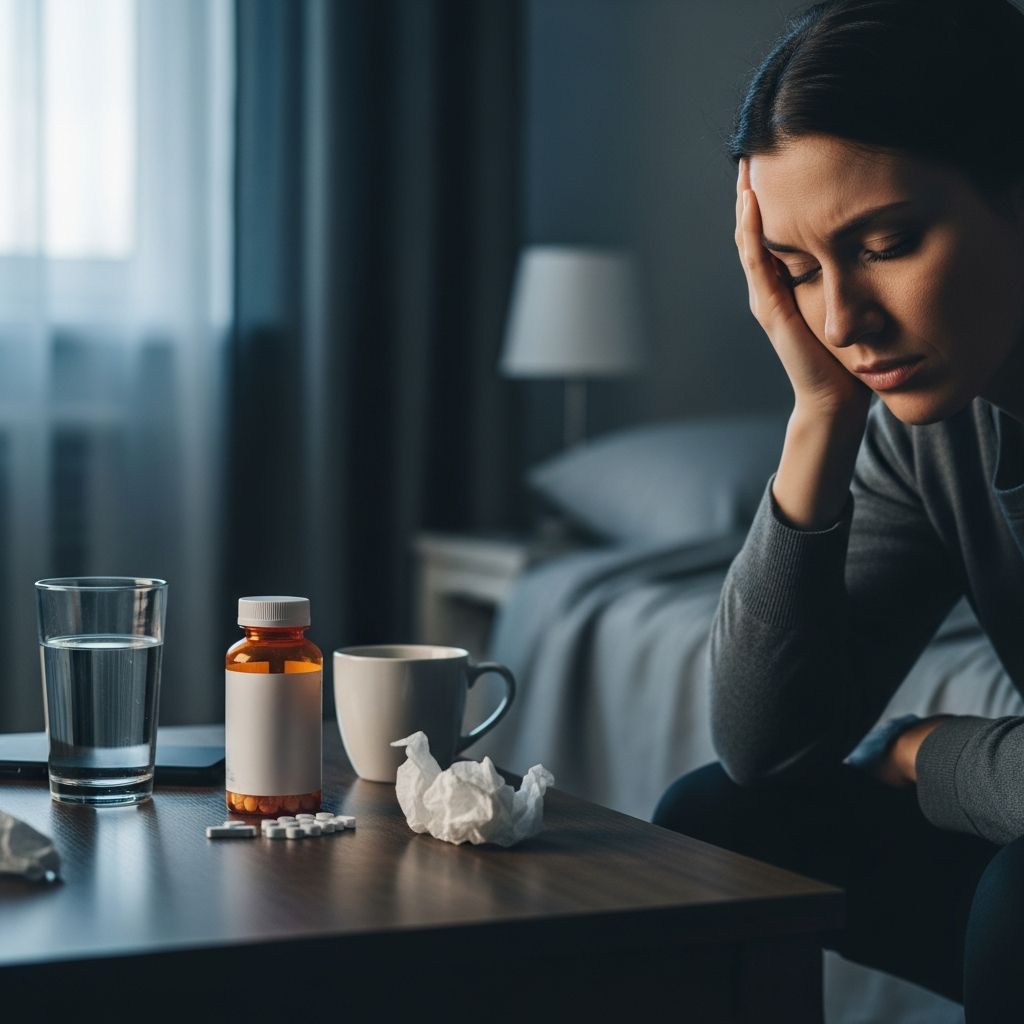
A hangover headache is one of the most common and uncomfortable symptoms experienced after consuming alcoholic beverages. While hangovers are temporary and typically resolve within 24 hours, the associated headache can significantly impact your day and overall well-being. Understanding the underlying causes of hangover headaches and learning effective management strategies can help you minimize discomfort and recover more quickly.
Hangover headaches result from a complex interaction of physiological processes triggered by alcohol consumption. These headaches are not simply the result of dehydration alone, but rather a combination of several factors that affect your body’s chemistry, hormones, and blood vessel function. By understanding these mechanisms, you can better appreciate why certain prevention and treatment strategies are more effective than others.
What Causes Hangover Headaches?
Alcohol affects your body in multiple ways that can lead to headaches. The primary culprit is a chemical compound called ethanol, which is the active ingredient in all alcoholic beverages. When you consume alcohol, approximately 20 percent is absorbed through your stomach, while the remaining 80 percent is absorbed through your small intestine. From there, ethanol enters your bloodstream and travels throughout your body, including to your brain, where it creates several problematic effects.
Vasodilation and Blood Vessel Expansion
One of the primary mechanisms by which alcohol causes headaches is through a process called vasodilation, which refers to the widening of blood vessels. When ethanol causes your blood vessels to expand, it can stimulate certain nerves in your brain and result in pain. This expansion of blood vessels is a direct physiological response to alcohol and is one of the reasons why some people experience immediate headaches while drinking, while others develop them the following day as the alcohol metabolizes.
Dehydration and Electrolyte Imbalance
Alcohol functions as a natural diuretic, meaning it increases the amount of water and salt lost by your body. When you consume alcohol, it suppresses the release of vasopressin, a hormone that regulates fluid balance in your body. This hormonal suppression causes your kidneys to excrete more water, vitamins, salt, and minerals than usual, resulting in rapid fluid loss. Additional fluid loss occurs through sweating, vomiting, and diarrhea, which are common hangover symptoms. This combination of fluid and electrolyte loss leads to dehydration, which is a major contributor to hangover headaches and other symptoms like fatigue, dizziness, and thirst.
Congeners and Inflammatory Response
Different alcoholic beverages contain varying amounts of compounds called congeners, which are chemicals that give beverages their distinctive flavors, colors, and tastes. Congeners are produced during the distillation or fermentation process and include substances such as tannins, acetone, and acetaldehyde. These compounds can trigger headaches and may contribute to the release of hormones that cause an inflammatory response in the body. Darker alcoholic beverages, such as whiskey, bourbon, brandy, and red wine, typically contain significantly higher concentrations of congeners compared to clear liquors like vodka and gin.
Low Blood Sugar
Alcohol consumption can lower your blood glucose levels, depriving your brain of the fuel it needs to function optimally. This hypoglycemic effect can exacerbate fatigue and contribute to headache development. The brain relies heavily on glucose for energy, and when alcohol interferes with blood sugar regulation, it can intensify hangover symptoms and make headaches more severe.
Related Stories



Remedies for Hangover Headaches
While there is no proven cure specifically for hangover headaches, several evidence-based remedies and strategies can help ease the discomfort and accelerate recovery. The best overall remedy is time, as your body naturally processes alcohol and your symptoms gradually resolve. However, several supportive measures can significantly improve your condition during the recovery period.
Hydration and Electrolyte Replacement
Rehydration is one of the most effective strategies for managing hangover headaches. Drinking water slowly throughout the day helps restore fluid balance and can significantly reduce headache intensity. Beyond plain water, oral rehydration solutions that contain the correct balance of glucose and electrolytes are particularly effective. Sports drinks like Gatorade or Powerade, coconut water, and alkaline water enhanced with electrolytes such as potassium and magnesium can all help your body rehydrate more quickly and restore the chemical balance necessary for symptom relief.
Nonsteroidal Anti-Inflammatory Drugs (NSAIDs)
NSAIDs such as ibuprofen and aspirin can help decrease inflammation associated with alcohol consumption and may help relieve hangover headache pain. These medications work by blocking the production of enzymes that lead to headaches and migraines. Taking a modest dose of NSAIDs may help prevent or reduce hangover headache severity. However, it is important to use these medications cautiously, as combining NSAIDs with alcohol can increase your risk of stomach bleeding and gastrointestinal irritation. Always follow dosing instructions carefully and avoid excessive doses.
Vitamin B6 Supplementation
Alcohol depletes your body’s B vitamin stores, making it harder for your body to metabolize and eliminate alcohol efficiently. Vitamin B6 is an essential nutrient found in common foods such as poultry, potatoes, and various fruits. Loading up on extra B6 through a hearty meal or dietary supplement can help your body process alcohol more effectively. Taking B6 either before or after drinking may help you avoid or minimize hangover headaches by supporting your body’s natural detoxification processes.
N-Acetylcysteine (NAC) Supplementation
NAC is a powerful antioxidant that can reduce the impact of acetaldehyde, a toxic byproduct of alcohol metabolism that significantly contributes to hangover symptoms. Taking a 200 to 300 milligram NAC supplement at least half an hour before you start drinking may substantially reduce the severity of your hangover symptoms, including headache pain.
Light Physical Activity
While strenuous exercise is not recommended when you are actively hung over, light physical activity can help your body speed up its metabolic processes and eliminate alcohol and related toxins more quickly. A gentle walk or mild stretching can support your recovery, but it is crucial to maintain hydration throughout any physical activity, as your body is already battling the effects of dehydration.
Eating Nutritious Foods
Consuming food before, during, and after drinking alcohol helps maintain stable blood sugar levels and reduces the severity of hangover symptoms. Foods containing carbohydrates and fats slow down your body’s absorption of alcohol, while nutrient-rich meals help replace vitamins and minerals lost during drinking. Eating also prevents the additional stress of an empty stomach and helps stabilize the chemical imbalances that contribute to headaches.
What NOT to Do for Hangover Headaches
Certain common hangover remedies and practices are ineffective or actively harmful and should be avoided:
Avoid Acetaminophen
While acetaminophen is a common pain reliever, it should be strictly avoided when dealing with a hangover headache. Taking acetaminophen while alcohol is still in your system may worsen the toxic effects on your liver and lead to serious hepatic complications. Stick with NSAIDs like ibuprofen or aspirin instead, using them cautiously as directed.
Avoid “Hair of the Dog”
The popular myth that drinking more alcohol during a hangover will make you feel better is not only ineffective but actually harmful. Consuming additional alcohol will only increase and intensify your hangover symptoms, although it may temporarily delay symptom onset by further suppressing your central nervous system. This practice prolongs recovery and can contribute to problematic drinking patterns.
Avoid Dark Alcoholic Beverages
Clear liquors such as gin and vodka tend to cause fewer and less severe hangovers compared to darker options like tequila, whiskey, bourbon, and red wine. Darker beverages contain higher concentrations of congeners, including the toxic compound methanol, which can significantly worsen hangover symptoms.
Avoid Unusual or Unpalatable Foods
Popular hangover cure myths involving raw eggs, raw fish, and hot sauce should be avoided. These foods may cause additional gastrointestinal distress if you are already experiencing nausea or stomach sensitivity from a hangover, potentially making your condition worse rather than better.
Prevention Strategies for Hangover Headaches
While you cannot completely eliminate the risk of hangover headaches if you choose to drink, several practical strategies can significantly reduce their severity and likelihood:
Drink in Moderation
The most effective prevention strategy is to consume alcohol in moderation or abstain entirely. Limiting the quantity of alcohol you consume directly reduces the physiological stress on your body and the concentration of ethanol in your bloodstream, thereby reducing hangover symptoms.
Stay Hydrated During Drinking
Drinking water between alcoholic beverages is one of the most effective prevention strategies. Aim to consume one cup or a 16-ounce bottle of water for every 12-ounce beer or 4 to 6 ounce cocktail you drink. Avoid carbonated beverages, as fizzy drinks can speed up alcohol absorption and worsen dehydration. Plain water, electrolyte drinks, or other non-carbonated beverages are preferable.
Eat Before and During Drinking
Consuming a meal containing carbohydrates or fats before drinking slows your body’s absorption of alcohol and helps maintain stable blood sugar levels. Continuing to eat while drinking further buffers alcohol absorption and helps prevent the hypoglycemic state that contributes to hangover headaches.
Drink Water Before Bed
Drinking a pint of water slowly before going to bed after an evening of drinking helps combat the dehydration that occurs overnight, potentially reducing morning hangover symptoms significantly.
Choose Light-Colored Drinks
Selecting clear liquors over dark-colored beverages reduces your exposure to congeners and may substantially decrease hangover severity. This simple choice can make a meaningful difference in your morning-after experience.
When to Seek Medical Attention
While most hangover headaches resolve naturally within 24 hours, you should consider contacting a healthcare provider if your symptoms are unusually severe, persist beyond 24 hours, or are accompanied by concerning signs such as severe dehydration, persistent vomiting, chest pain, difficulty breathing, or signs of alcohol poisoning. If you regularly experience severe hangover headaches or find yourself frequently hung over, discussing these patterns with a doctor may be beneficial.
Key Takeaways
Hangover headaches result from multiple physiological processes triggered by alcohol, including vasodilation, dehydration, electrolyte imbalance, and the effects of congeners. While no specific cure exists, effective management strategies include staying hydrated, taking NSAIDs cautiously, consuming vitamin B6, eating nutritious foods, and engaging in light physical activity. Prevention through moderation, hydration during drinking, eating before consuming alcohol, and choosing clear beverages over dark ones can significantly reduce hangover headache severity. Most hangover headaches resolve naturally within 24 hours with supportive care.
Frequently Asked Questions About Hangover Headaches
Q: How long does a hangover headache typically last?
A: Most hangover headaches resolve within 24 hours as your body metabolizes the alcohol and your hydration status normalizes. However, the duration can vary depending on the amount of alcohol consumed, individual factors, and how effectively you implement recovery strategies.
Q: Is there a guaranteed cure for hangover headaches?
A: No, there is no proven cure specifically for hangover headaches. The best approach is supportive care including hydration, rest, and time. However, several evidence-based remedies can significantly ease symptoms and accelerate recovery.
Q: Can I take acetaminophen for a hangover headache?
A: No, acetaminophen should be avoided during hangovers as it can worsen the toxic effects of alcohol on your liver. Instead, use NSAIDs like ibuprofen or aspirin in appropriate doses, being cautious about stomach irritation.
Q: Why do darker alcoholic beverages cause worse hangovers?
A: Darker beverages like whiskey, bourbon, and red wine contain higher concentrations of congeners—compounds produced during fermentation that can trigger headaches and intensify inflammatory responses in your body.
Q: What is the best hangover headache prevention strategy?
A: The most effective prevention combines several strategies: drinking in moderation, staying hydrated with water between alcoholic drinks, eating before and during drinking, choosing clear liquors over dark ones, and drinking water before bed.
Q: Can electrolyte drinks really help with hangover headaches?
A: Yes, electrolyte drinks are particularly effective because they contain the correct balance of glucose and electrolytes to help your body rehydrate more efficiently than water alone, helping restore chemical balance and reduce headache severity.
References
- Hangover Fact Sheet — National Institute on Alcohol Abuse and Alcoholism (NIAAA). U.S. Department of Health and Human Services. https://www.niaaa.nih.gov/publications/hangover-fact-sheet
- Hangover Headaches: Possible Cures, Causes, and When to See a Doctor — Medical News Today. 2023. https://www.medicalnewstoday.com/articles/hangover-headaches
- Can You Cure a Hangover Headache? — Healthline. Medically reviewed by Seunggu Han, M.D. https://www.healthline.com/health/headache/hangover-headache
- Hangover Symptoms, Remedies & Prevention — Cleveland Clinic. https://my.clevelandclinic.org/health/diseases/16627-hangover
- Hangover Symptoms, Causes & Long-Term Effects — American Addiction Centers. https://americanaddictioncenters.org/alcohol/hangover
Similar Articles








Read full bio of Sneha Tete