Hard Poop: Causes, Remedies, And Prevention Guide
Understand why your poop is hard, how to soften it naturally, and when to see a doctor for relief from constipation.
Hard Poop: Causes, Remedies, Prevention
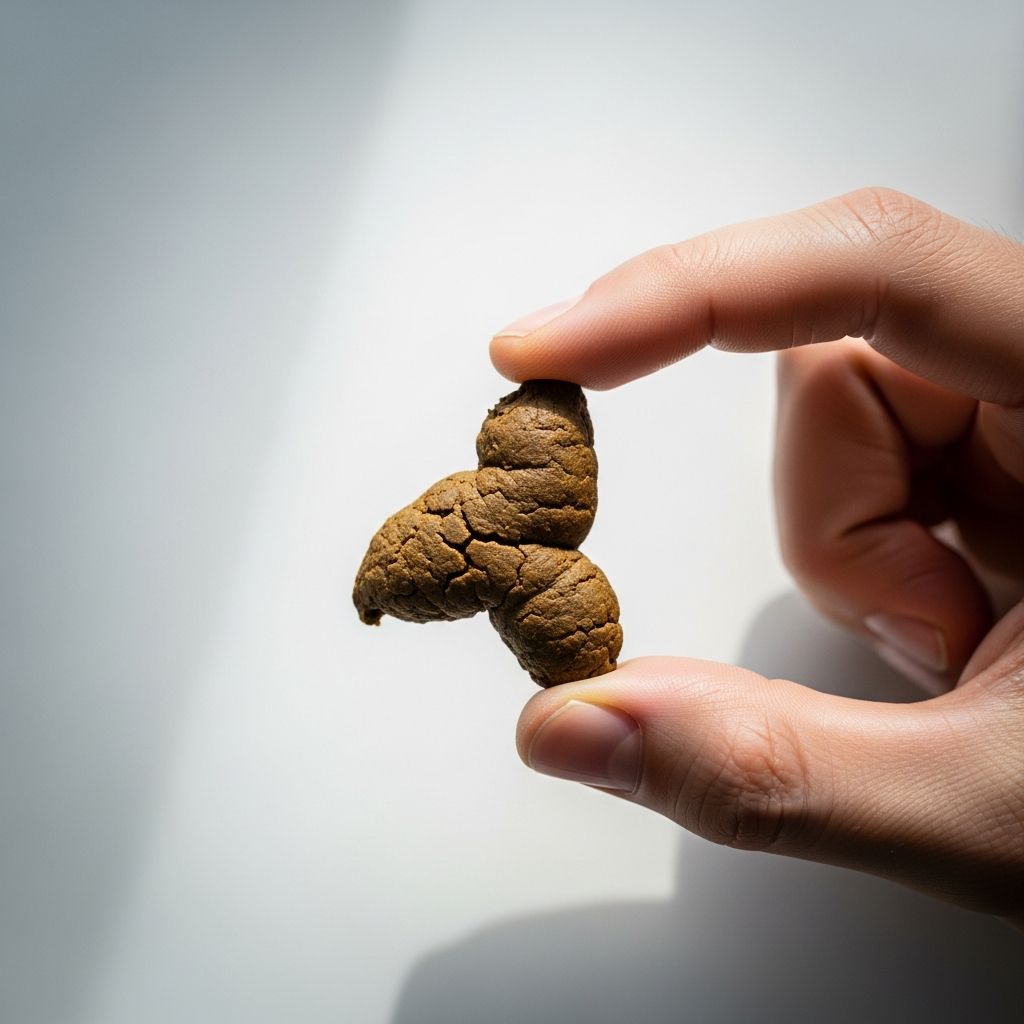
Hard poop, often described as dry, lumpy, or pellet-like stools, is a hallmark of constipation and affects millions worldwide. It occurs when stool moves too slowly through the colon, allowing excessive water absorption, making it difficult and painful to pass.
What Causes Hard Poop?
The primary mechanism behind hard poop is prolonged transit time in the large intestine, where the colon reabsorbs too much water from the stool, leaving it dry and compact. Normal bowel movements occur 3 times daily to 3 times weekly; deviations often lead to hardening.
Lifestyle and Dietary Factors
Low fiber intake is a leading cause, as fiber adds bulk and retains water in stool for easier passage. Dehydration exacerbates this by providing less water for the intestines to work with. Sedentary lifestyles slow gut motility by reducing blood flow to the digestive tract.
- Low-fiber diet: Processed foods, fast food, and low intake of fruits/vegetables contribute to hard stools.
- Dehydration: Inadequate fluid intake leads to water extraction from stool.
- Inactivity: Lack of exercise hinders intestinal movement.
- Holding bowel movements: Ignoring urges alters brain-gut signals, worsening retention.
Medications and Medical Conditions
Certain medications like opioids, antidepressants, iron supplements, antacids (aluminum/calcium-based), diuretics, and anticonvulsants slow gut motility or harden stool. Conditions such as IBS, diabetes, hypothyroidism, Parkinson’s, celiac disease, and pregnancy-related hormonal shifts also contribute.
| Category | Examples | Effect on Stool |
|---|---|---|
| Medications | Opioids, iron supplements, antidepressants | Slow transit, reduce water |
| Conditions | IBS, diabetes, hypothyroidism | Altered motility, inflammation |
| Lifestyle | Low fiber, dehydration | Excess water absorption |
Special Considerations in Children
Children may develop hard poop from anxiety, routine changes (e.g., starting school), or withholding due to pain, leading to fecal incontinence.
Symptoms of Hard Poop and Constipation
Beyond hard, dry stools, symptoms include straining, incomplete evacuation, fewer than 3 bowel movements weekly, bloating, and abdominal pain. On the Bristol Stool Scale, hard poop corresponds to types 1-2: separate hard lumps or sausage-shaped but lumpy.
- Straining or pain during defecation
- Sense of blockage or incomplete emptying
- Hard, lumpy, or pellet-like consistency
Home Remedies for Hard Poop
Most cases resolve with lifestyle tweaks. Start with gradual changes to avoid bloating.
Dietary Adjustments
Increase soluble and insoluble fiber gradually to 25-30g daily from sources like oats, beans, fruits (prunes, apples), and vegetables. Avoid low-fiber processed foods.
- Prunes or prune juice: Natural laxative due to sorbitol.
- High-fiber foods: Whole grains, legumes, berries.
Hydration and Exercise
Drink 8-10 glasses of water daily to soften stool. Engage in 30 minutes of daily activity like walking to stimulate bowels.
Other Natural Remedies
- Probiotics/prebiotics: Improve microbiome diversity for better consistency.
- Warm liquids: Coffee or herbal teas may promote motility.
Medical Treatments for Hard Stool
If home remedies fail after 1-2 weeks, consult a doctor. Options include:
Over-the-Counter Laxatives
- Bulk-forming: Psyllium (Metamucil), methylcellulose (Citrucel) add bulk.
- Osmotic: Polyethylene glycol (MiraLAX) draws water into stool.
- Stool softeners: Docusate (Colace) moistens stool.
- Stimulants: Bisacodyl or senna for short-term use.
Use responsibly to avoid dependency.
Enemas and Suppositories
For quick relief, enemas introduce fluid to loosen stool; suppositories stimulate rectum. Avoid routine use, especially in children.
When to See a Doctor for Hard Poop
Seek immediate care for severe pain, blood in stool, unexplained weight loss, or persistent symptoms >3 weeks. Fecal impaction—hard stool blockage—requires urgent intervention like manual removal or enemas.
- Symptoms lasting >3 weeks
- Bloody stools or black, tarry appearance
- Vomiting, severe bloating (possible obstruction)
- Fecal incontinence in children/adults
Complications of Untreated Hard Poop
Chronic hard stools can cause anal fissures, hemorrhoids, rectal prolapse, or impaction damaging the intestinal lining.
Prevention Tips for Soft, Regular Stools
Maintain a high-fiber diet (25-38g/day), hydrate adequately, exercise regularly, and respond promptly to bowel urges.
- Establish routine toilet times.
- Limit processed foods and dairy if sensitive.
- Monitor medications with your doctor.
Frequently Asked Questions (FAQs)
What does hard poop look like?
Hard poop appears as small, dry pellets (Bristol Scale type 1) or lumpy sausages (type 2), difficult to pass.
How long can you go without pooping before it’s constipation?
Constipation is fewer than 3 bowel movements per week with hard stools or straining.
Are hard black stools dangerous?
Yes, they may indicate upper GI bleeding; see a doctor promptly, though iron supplements can mimic this.
Can stress cause hard poop?
Yes, anxiety slows gut motility and promotes withholding.
Is hard poop common in pregnancy?
Yes, due to hormonal changes and pressure on the intestines.
Hard Poop in Children: Special Advice
Treat with high-fiber diets, fluids, and gentle training. Avoid enemas; use child-specific softeners if needed.
References
- Hard Stool: Causes, prevention, and treatment — Medical News Today. 2019-05-06. https://www.medicalnewstoday.com/articles/326205
- Hard stools: causes and treatment — myBioma. N/A. https://mybioma.com/en/blogs/science/hard-stools-causes-and-treatment
- Hard Stool: Causes, Treatment, and Prevention — Healthline. N/A. https://www.healthline.com/health/hard-stool
- Fecal Impaction: Causes, Symptoms, and Treatments — Manhattan Gastroenterology. N/A. https://www.manhattangastroenterology.com/fecal-impaction-causes-symptoms-and-treatments/
- Constipation: Symptoms & Causes — Cleveland Clinic. 2023-07-27. https://my.clevelandclinic.org/health/diseases/4059-constipation
- Constipation – Symptoms and causes — Mayo Clinic. 2023-04-05. https://www.mayoclinic.org/diseases-conditions/constipation/symptoms-causes/syc-20354253
Similar Articles



Read full bio of medha deb