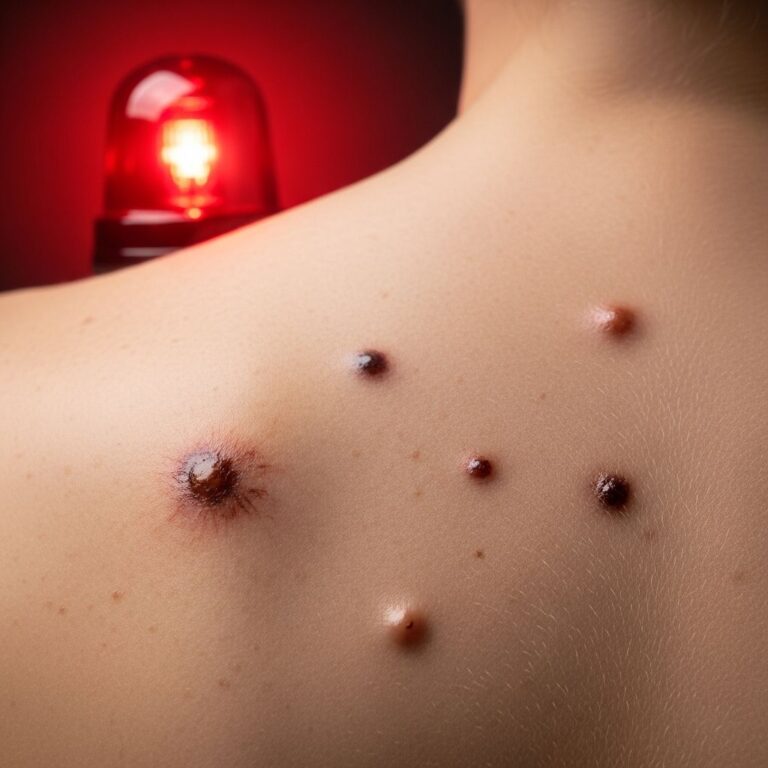
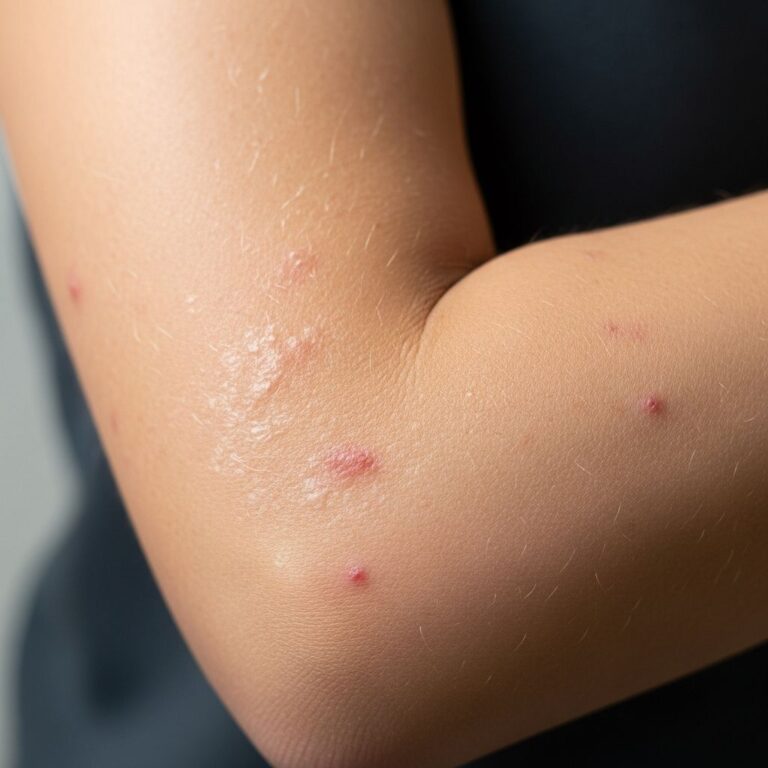
Hard Water And Eczema: Practical Tips To Reduce Flares
Discover how mineral-rich hard water disrupts skin barriers, worsens eczema symptoms, and what practical steps can mitigate its effects for better skin health.
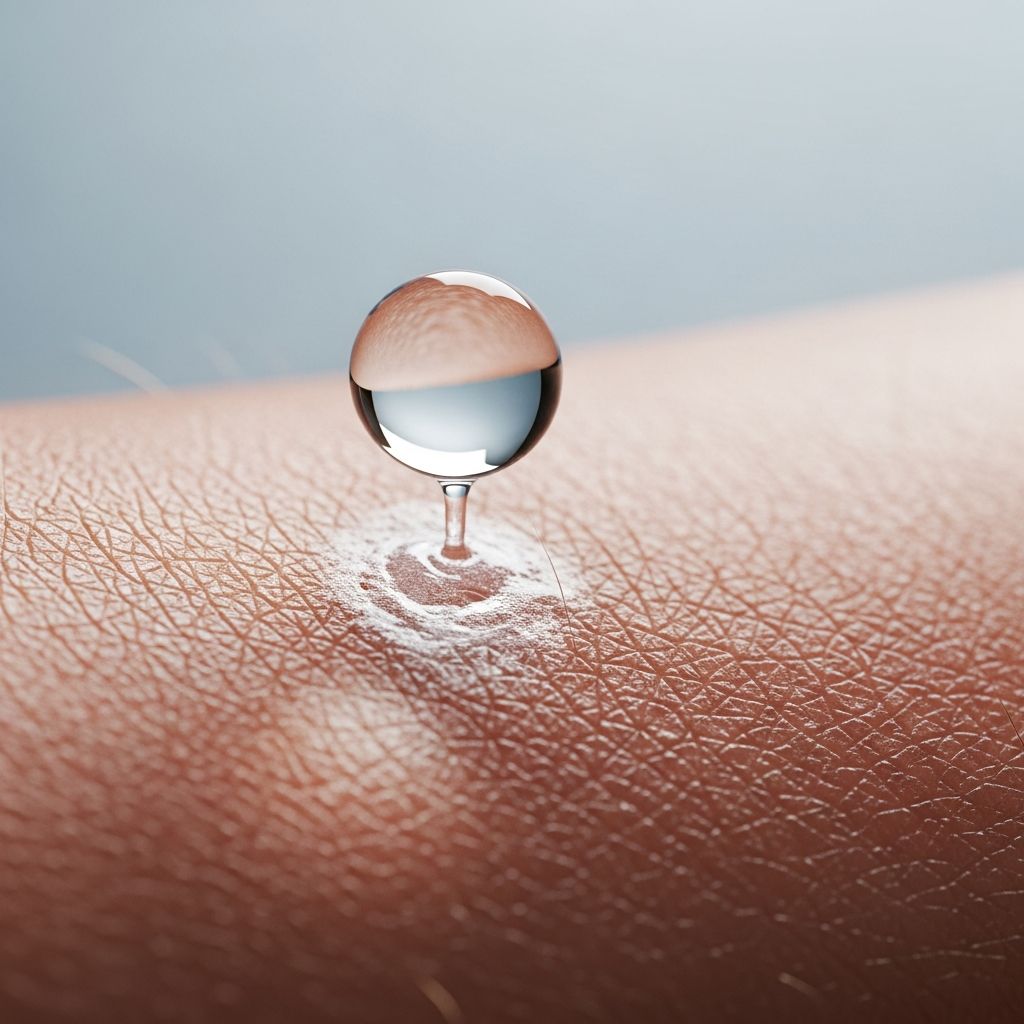
Hard water, characterized by elevated levels of calcium and magnesium, poses significant challenges for individuals managing eczema. These minerals can compromise the skin’s natural defenses, leading to intensified dryness, irritation, and flare-ups in atopic dermatitis.
Defining Hard Water and Its Prevalence
Hard water occurs when groundwater passes through mineral-rich deposits like limestone, absorbing ions such as calcium (Ca²⁺) and magnesium (Mg²⁺). Measured in parts per million (ppm) or grains per gallon (gpg), water above 120 ppm or 7 gpg qualifies as hard. In the United States, over 85% of households receive hard water through municipal supplies or wells.
This widespread issue affects daily routines, particularly bathing and laundry, where repeated exposure accumulates minerals on the skin. For eczema sufferers, whose skin already struggles with a weakened barrier, this can transform routine hygiene into a trigger for inflammation.
The Science Linking Hard Water to Eczema Worsening
Research consistently demonstrates that hard water damages the skin’s protective stratum corneum, the outermost layer that retains moisture and blocks irritants. A study from King’s College London and the University of Sheffield revealed that hard water binds to surfactants in soaps, like sodium lauryl sulfate (SLS), forming insoluble residues that deposit on the skin.
These residues elevate transepidermal water loss (TEWL), a key metric of barrier dysfunction, and promote irritation. Furthermore, hard water’s alkalinity shifts skin pH from its optimal acidic range of 4.5-5.5 to a higher, basic level, fostering bacterial growth like Staphylococcus aureus, a common eczema aggravator.
| Mechanism | Effect on Skin | Evidence Source |
|---|---|---|
| Mineral-Soap Interaction | Forms chalky residues, clogs pores | |
| pH Elevation | Disrupts barrier enzymes, increases infection risk | |
| Oil Stripping | Reduces natural lipids, causes dryness | |
| Calcium Signaling Alteration | Impairs epidermal repair |
Epidemiological Evidence: Hard Water as a Risk Factor
Population studies strengthen the causal link. A UK analysis of over 300,000 children found those in hard water areas had 1.5 times higher eczema prevalence. Adult data from a PMC study showed exposure to water over 200 mg/L CaCO₃ correlated with 12% increased odds of eczema (OR 1.12, 95% CI 1.04-1.22), with a dose-response trend (P < 0.001).
Infant cohorts report pooled odds ratios of 1.28 for eczema in hard water regions versus soft. While not causative alone—genetics and allergens play roles—hard water acts as an environmental amplifier, particularly in early life when barriers are immature.
Recognizing Symptoms of Hard Water-Exacerbated Eczema
- Persistent Dryness: Skin feels tight, stiff post-shower, resisting moisturizer absorption.
- Intensified Itchiness: Scratching cycles worsen due to residue irritation.
- Flare Frequency: More red, inflamed patches despite consistent care.
- Soap Scum Buildup: Visible film on fixtures, reduced lather from products.
- Secondary Infections: Crusting or oozing from pH-disrupted bacterial overgrowth.
These signs often mimic standard eczema but persist or escalate in hard water zones. Tracking symptoms alongside water tests clarifies the culprit.
How to Test Your Water Hardness at Home
Simple kits from hardware stores use colorimetric strips: dip, wait, and compare to a chart for ppm readings. Lab services via mail provide precise ion analysis. Municipal reports often list average hardness—cross-reference your zip code online.
Related Stories



- Collect cold tap sample before use.
- Add reagent drops per instructions.
- Match color to scale (0-425 ppm range).
- Retest seasonally for fluctuations.
For accuracy, professional plumbers use titration methods, measuring soap needed to achieve lather as a proxy.
Practical Strategies to Counter Hard Water Effects
Mitigation starts with bathing adjustments. Limit showers to 5-10 minutes, lukewarm temperatures, and pat-dry instead of rubbing. Choose pH-balanced, fragrance-free cleansers that rinse cleanly.
Post-bath, apply thick emollients within 3 minutes to seal moisture—the “soak and smear” technique. Filters like KDF or vitamin C showerheads reduce minerals at the point-of-use without full-system changes.
Water Softening Options: Pros and Cons
| Method | Effectiveness | Cost | Drawbacks |
|---|---|---|---|
| Ion-Exchange Softener | High (removes 90%+ Ca/Mg) | $500-2000 install | Sodium addition, maintenance salt |
| Template-Assisted Crystallization | Medium (traps minerals) | $300-1000 | No wastewater, salt-free |
| Showerhead Filters | Targeted (local softening) | $30-100 | Whole-house unaffected |
| Reverse Osmosis | Very High | $200-500 | Drinking water focus, waste |
The SOFTER trial by National Eczema Society is evaluating softeners’ impact, building on evidence they lessen surfactant damage. Early data suggests benefits for moderate-severe cases, though not universal.
Complementary Treatments for Eczema in Hard Water Areas
Topicals remain cornerstone: ceramide-based creams restore lipids, while topical corticosteroids or calcineurin inhibitors tame flares. Wet wraps enhance absorption.
Dietary omega-3s and probiotics may bolster barriers internally. For severe cases, phototherapy or biologics like dupilumab target inflammation upstream. Always consult dermatologists for tailored plans.
Laundry and Household Adjustments
Detergents form scum in hard water, irritating via residues on clothes. Opt for liquid, HE-compatible formulas without dyes. Add borax or washing soda to bind minerals. Line-drying prevents dryer heat from baking irritants in.
Vinegar rinses (1 cup white vinegar in final cycle) dissolve buildup without skin contact. Hypoallergenic fabrics like cotton reduce friction on sensitized skin.
Frequently Asked Questions
Does hard water cause eczema?
No, it does not initiate eczema, which is primarily genetic, but it significantly aggravates symptoms by impairing barrier function.
Can water softeners cure my eczema?
Not a cure, but studies show they reduce flare severity in some, especially with consistent use alongside standard care.
Is bottled water better for bathing?
Impractical, but soft or distilled water baths provide temporary relief during flares.
How quickly do effects show after softening water?
Improvements in dryness may appear in 2-4 weeks, with flare reduction over months.
Are there regions with naturally soft water?
Yes, Pacific Northwest and parts of the Southeast US have softer supplies; check local utilities.
Long-Term Outlook and Research Directions
While associations are robust, causation requires more randomized trials like SOFTER. Personalized approaches—testing water, trialing softeners—empower management. Eczema control hinges on multilayered strategies addressing environmental triggers like hard water.
By understanding these dynamics, individuals can reclaim comfort, reducing reliance on medications and enhancing quality of life.
References
- Eczema and Hard Water: How They’re Related — Health Central. 2023. https://www.healthcentral.com/condition/eczema/hard-water-and-eczema
- Does hard water make your eczema harder to manage? — Eczema Help CA. 2023. https://eczemahelp.ca/does-hard-water-make-your-eczema-harder-to-manage/
- The Effects of Hard Water on Your Skin and Hair — EcoWater Systems. 2024. https://www.ecowater.com/resource/your-skin-on-hard-water/
- The hard truth about eczema: it’s something in the water — King’s College London. 2017-09-26. https://www.kcl.ac.uk/archive/news/kings/newsrecords/2017/09-september/the-hard-truth-about-eczema-it’s-something-in-the-water
- The association between domestic hard water and eczema in adults — PMC (British Journal of Dermatology). 2022-12-29. https://pmc.ncbi.nlm.nih.gov/articles/PMC9804584/
- SOFTER trial — National Eczema Society. 2023. https://eczema.org/research/eczema-research-initiatives/softer/
Similar Articles








Read full bio of Sneha Tete