Hartmann’s Procedure: Surgical Treatment & Recovery Guide
Understanding Hartmann's procedure: A life-saving colectomy for emergency bowel conditions.
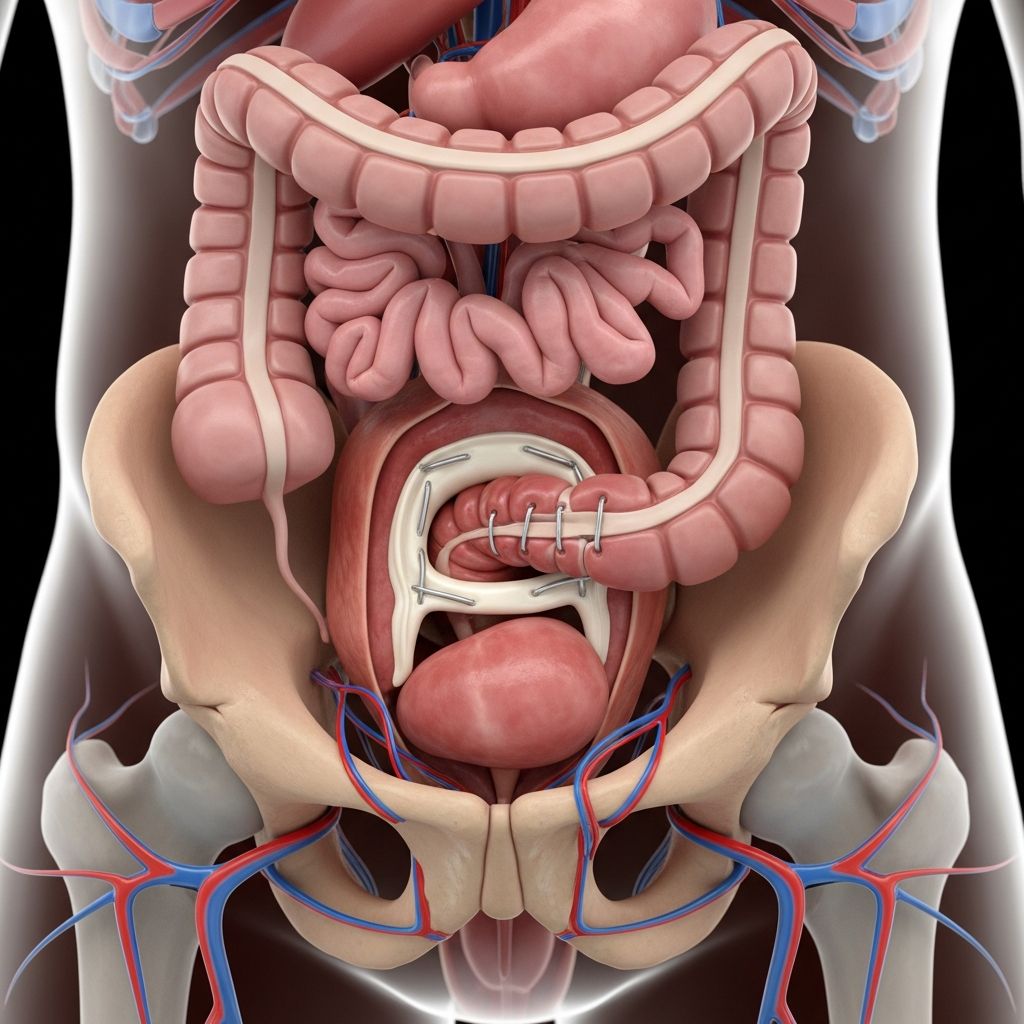
Understanding Hartmann’s Procedure: A Surgical Overview
Hartmann’s procedure, also known as proctosigmoidectomy, is a surgical operation performed on the large intestine (colon) that represents a specific type of colectomy. This procedure involves the removal of the sigmoid colon—the last section of the colon where it connects to the rectum—and sometimes a portion of the rectum itself. Rather than attempting to immediately reconnect the remaining bowel sections, the procedure creates what is known as Hartmann’s pouch by sealing the remaining rectum, while redirecting the functional colon to a new opening in the abdominal wall called a colostomy.
The procedure fundamentally alters the route of waste elimination from the body. Instead of following the normal path through the remaining rectum and anus, digestive waste is now diverted through the colostomy opening in the abdomen, where it collects in an external pouch worn against the skin. While this represents a significant life change, it’s important to understand that Hartmann’s procedure is not always permanent and can often be reversed after adequate healing has occurred.
Why Hartmann’s Procedure Is Performed
Hartmann’s procedure is frequently an emergency operation designed to address acute and life-threatening conditions of the lower bowel. When portions of the bowel are removed under emergency conditions, the remaining sections often cannot be safely reattached during the same surgical procedure. Factors such as infection, inflammation, and tissue damage make it too technically challenging or medically dangerous to attempt rejoining the bowel sections immediately. The tissue requires time to heal, stabilize, and recover before reconnection can be safely considered.
Common Indications for Surgery
The surgery is most commonly performed for the following conditions:
– Perforated or severely infected diverticulitis- Bowel obstruction or perforation- Colorectal cancer in advanced stages- Inflammatory bowel disease complications- Trauma or injury to the bowel- Failed previous surgical repairs
Any part of the colon may require removal if the diseased portion threatens the viability of healthy tissue or compromises overall digestive function. Removing the unhealthy segment preserves the healthy portions of the colon and allows the remaining digestive tract to continue functioning as normally as possible.
How Hartmann’s Procedure Differs from Other Bowel Surgeries
When surgeons remove a portion of the bowel and successfully reconnect the remaining ends during the same surgery, this is called “resection with primary anastomosis.” However, this approach is a longer, more technically demanding procedure that carries greater surgical risks. Primary anastomosis is only feasible when the patient is in excellent overall health and there is minimal risk of infection or inflammation in the remaining bowel. Hartmann’s procedure, by contrast, is specifically designed for patients at higher surgical risk and those whose clinical conditions are more complicated.
The key advantage of Hartmann’s procedure is that it allows the surgeon to focus on solving the immediate, life-threatening problem while preserving the option to reverse the operation at a more appropriate time when conditions are safer for reconnection. This staged approach has proven to be faster and safer than attempting complete restoration during the emergency phase.
Historical Context
Before Henri Hartmann introduced this procedure in 1921, diseases affecting the lower bowel were treated by permanently removing the entire sigmoid colon, rectum, and anus. While this more severe approach is occasionally still necessary, it carries significant disadvantages including greater surgical complexity, higher patient risk, and permanent alterations to bowel function. Hartmann’s procedure offers a faster, safer, and potentially reversible alternative for cases where the immediate condition is critical but the long-term outlook remains more optimistic.
Related Stories



Surgical Techniques and Approaches
Open Surgery Approach
Traditional open surgery involves making an incision to open the abdominal cavity, providing direct visual access to the organs and affected bowel segments. This conventional approach has been the standard for decades and remains the necessary choice in complex cases or when complications arise during less invasive attempts.
Laparoscopic Surgery Approach
Laparoscopic surgery represents a newer, less invasive method that utilizes several small incisions with the aid of a tiny camera called a laparoscope. This minimally invasive technique results in less tissue trauma, reduced postoperative pain, and a faster recovery period compared to traditional open surgery. However, laparoscopic surgery is not suitable for every patient or every clinical situation. Some laparoscopic procedures may need to be converted to open surgery if the condition proves more complicated than initially anticipated or if unexpected complications arise during the operation.
The Surgical Procedure: What to Expect
Preparation for Surgery
When you arrive at the hospital for your Hartmann’s procedure, you will change into a hospital gown and your healthcare team will place an intravenous (IV) catheter into one of your veins to provide continuous fluids and medications. You will be transported into the operating room on a gurney, where your anesthesiologist will administer general anesthesia to put you to sleep. Once you are unconscious, you will be placed on a ventilator to assist with breathing throughout the surgical procedure.
During the Procedure
The surgeon will make an incision (either large for open surgery or several small ones for laparoscopic surgery) to access the sigmoid colon and rectum. The diseased portion of the colon is carefully identified and removed. The remaining rectum is then sealed closed, creating the Hartmann’s pouch that remains in the pelvis. The surgeon then creates a new opening in the abdominal wall and attaches the remaining, healthy colon to this opening from the inside. On the outside of this opening, you will be fitted with a colostomy bag where waste material will exit your body.
Recovery Timeline and Expectations
Recovery from Hartmann’s procedure varies depending on the surgical approach used, your overall health, and the complexity of your specific case. However, most patients can expect the following general timeline:
Short-Term Recovery (4-6 Weeks)
During the first four to six weeks following surgery, you can expect to:
– Experience controlled pain managed with prescribed medications- Gradually resume normal dietary intake as tolerated- Return to light activities and gradually increase physical activity- Learn proper colostomy care and management- Attend follow-up appointments with your surgical team- Experience continued healing of the surgical incision
Intermediate Recovery (3-6 Months)
By three to six months after surgery, most patients will:
– Return to most normal activities and work duties- Develop proficiency and comfort with colostomy management- Experience improved energy levels and overall strength- Resume exercise and recreational activities- Achieve full healing of all surgical wounds- Begin evaluation for potential reversal surgery if appropriate
It’s important to recognize that major surgery is demanding on your body, particularly following serious illness such as infection or cancer. Your surgeon will carefully evaluate your fitness for additional surgery between six and twelve months after the initial Hartmann’s procedure. If you have healed well and maintain good general health, you may be a candidate for reversal surgery at that time.
Potential Complications
While Hartmann’s procedure is considered relatively safe, complications are always a possibility with any major surgical intervention. Potential complications may include:
– Infection at the surgical site or within the abdomen- Bleeding during or after surgery- Leakage from the surgical connections- Formation of blood clots- Bowel obstruction- Damage to surrounding organs- Anesthesia-related complications- Poor colostomy function or output changes
Your surgical team will monitor you carefully for signs of complications during your hospital stay and provide detailed discharge instructions to help you recognize potential problems at home. Always contact your healthcare provider if you experience severe pain, fever, excessive bleeding, or signs of infection.
Hartmann’s Reversal: Restoring Normal Bowel Function
One of the significant advantages of Hartmann’s procedure is that it is frequently reversible. After your colon has healed sufficiently, your surgeon can reevaluate your condition to determine if you are a suitable candidate for reversal surgery. If you meet the criteria for additional surgery, a reversal can typically be performed approximately six to twelve months after the initial procedure, which involves rejoining the colon to the rectum and closing the colostomy.
Research demonstrates that laparoscopic Hartmann’s reversal is safe and feasible, with superior clinical outcomes compared to open reversal surgery. However, not all patients will be candidates for reversal, and some may choose to maintain the colostomy permanently based on their individual circumstances and preferences.
Frequently Asked Questions
Q: Is Hartmann’s procedure permanent?
A: No, Hartmann’s procedure is not always permanent. After the colon heals adequately, usually six to twelve months after the initial surgery, reversal surgery may be possible if you are in good overall health. However, not all patients are candidates for reversal, and some may need to maintain the colostomy permanently.
Q: How long does Hartmann’s procedure take?
A: The duration varies depending on the complexity of your case and whether open or laparoscopic surgery is used. Typical procedures last between one and four hours, though emergency situations may affect the timeline.
Q: Will I need to wear a colostomy bag permanently?
A: Not necessarily. While you will need to wear a colostomy bag after Hartmann’s procedure, reversal surgery may be performed later to restore normal bowel function. However, some patients may choose or need to keep the colostomy permanently.
Q: Can I return to normal activities after recovery?
A: Yes, most patients can return to normal activities, work, and exercise after completing the recovery period. Your surgeon will provide specific guidelines based on your individual circumstances.
Q: What should I know about colostomy care?
A: You will receive thorough training on colostomy care before leaving the hospital, including how to empty, change, and maintain your colostomy bag. Ostomy nurses can provide ongoing support and education.
Life After Hartmann’s Procedure
While Hartmann’s procedure represents a significant life change, many patients adapt successfully and maintain good quality of life with proper education, support, and management strategies. Your healthcare team will provide comprehensive training on colostomy care, dietary considerations, and activity modifications. Support groups and ostomy associations can connect you with others who have undergone similar procedures and can share practical advice and emotional support.
Hartmann’s procedure is often a life-saving intervention that addresses critical bowel conditions while providing the option for future restoration of normal function. By understanding the procedure, recovery expectations, and available support resources, you can approach this treatment with confidence and work toward the best possible outcome.
References
- Hartmann’s Pouch Procedure (Proctosigmoidectomy) — Cleveland Clinic. 2025. https://my.clevelandclinic.org/health/treatments/21891-hartmanns-procedure
- Proctocolectomy: Definition, Types & Procedure — Cleveland Clinic. 2025. https://my.clevelandclinic.org/health/treatments/22659-proctocolectomy
- Laparoscopic Hartmann’s reversal has better clinical outcomes — PubMed Central. 2022. https://pubmed.ncbi.nlm.nih.gov/36090626/
Similar Articles








Read full bio of Sneha Tete