Harvard’s Healthy Eating Plate: Your Guide to Balanced Nutrition
Master balanced nutrition with Harvard's evidence-based eating plate method for lifelong wellness.
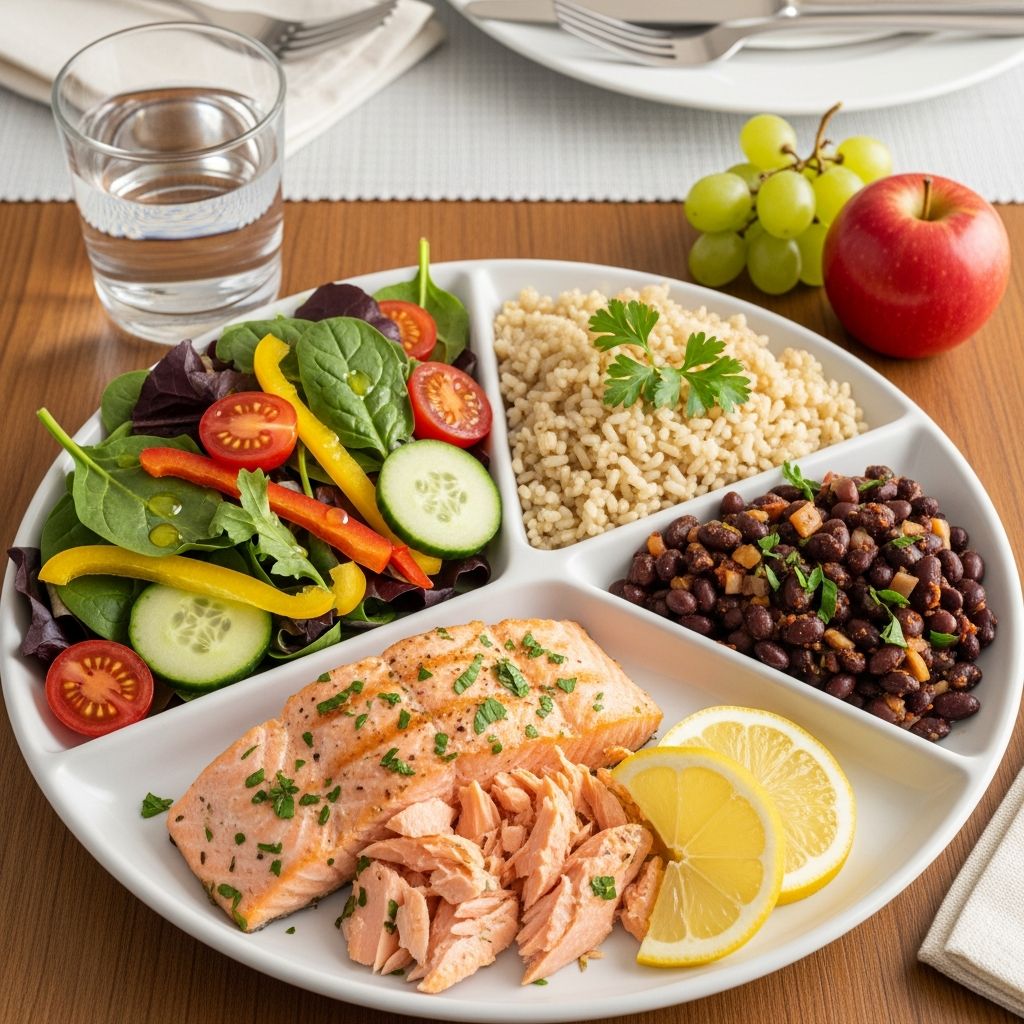
Eating a balanced, nutrient-rich diet is essential for long-term health and disease prevention. However, planning meals that provide proper nutrition can feel overwhelming when faced with conflicting dietary advice and complex nutritional guidelines. The Healthy Eating Plate, developed by nutrition experts at Harvard T.H. Chan School of Public Health, offers a simple yet scientifically-backed visual guide to building meals that support overall wellbeing and sustainable health practices.
Unlike traditional nutritional pyramids or confusing food charts, the Healthy Eating Plate provides an intuitive, practical framework that shows exactly how to fill your plate with the right foods in appropriate proportions. This evidence-based method has been validated through extensive research and is designed to help individuals of all ages make informed dietary choices that reduce the risk of chronic diseases such as type 2 diabetes, heart disease, and certain cancers.
Understanding the Four Core Components of the Healthy Eating Plate
The Healthy Eating Plate divides your meal into four distinct sections, each representing a food group essential for optimal nutrition. This visual approach makes it easy to understand proper portion sizes and food combinations without requiring complicated calculations or calorie counting.
Fill Half Your Plate with Vegetables and Fruits
Vegetables and fruits should comprise approximately half of every meal you consume. This substantial portion reflects the vital role these foods play in providing essential vitamins, minerals, antioxidants, and dietary fiber. The key to maximizing nutritional benefits is emphasizing variety and color, as different vegetables and fruits offer unique nutritional profiles.
Excellent vegetable choices include:
– Dark leafy greens such as spinach, kale, and collard greens- Colorful bell peppers in red, yellow, and orange varieties- Root vegetables like carrots and sweet potatoes- Cruciferous vegetables including broccoli, Brussels sprouts, and cauliflower- Tomatoes, zucchini, and other summer squashes
Recommended fruits encompass:
– Berries including blueberries, strawberries, and raspberries- Citrus fruits such as oranges, lemons, and grapefruits- Apples, pears, and stone fruits like peaches and plums- Melons and tropical fruits including mangoes and papayas
It is important to note that potatoes and French fries are not considered vegetables on the Healthy Eating Plate due to their high impact on blood sugar levels. White potatoes share metabolic similarities with refined grains and can cause rapid blood sugar spikes. Instead, focus on non-starchy vegetables that support digestion, enhance nutrient intake, and promote healthy weight management without causing blood sugar fluctuations.
Choose Whole Grains for a Quarter of Your Plate
Carbohydrates should occupy approximately one-quarter of your plate, but the type of carbohydrate matters significantly more than the quantity. Whole and intact grains have a gentler effect on blood sugar and insulin compared to refined grain products.
Optimal whole grain options include:
– Whole wheat bread and whole-grain pasta- Brown rice and wild rice- Barley, quinoa, and buckwheat- Oats and oatmeal- Wheat berries and other sprouted grains- Foods specifically made with whole grains
The Healthy Eating Plate recommends limiting refined grains such as white bread, white rice, and products made from refined flour. These processed grains have been stripped of their nutrient-dense bran and germ, leaving primarily starch that can contribute to blood sugar instability and weight gain. By prioritizing whole grains, you maintain more stable energy levels throughout the day, experience improved satiety, and reduce your risk of metabolic diseases.
Related Stories



Include Healthy Protein in Every Meal
Protein should cover roughly one-quarter of your plate at each meal. Adequate protein intake is crucial for maintaining muscle mass, supporting immune function, producing enzymes and hormones, and providing sustained energy. The quality and source of protein significantly impacts your overall health outcomes.
Healthy protein sources recommended on the Healthy Eating Plate include:
– Fish and seafood, particularly fatty varieties like salmon, mackerel, and sardines rich in omega-3 fatty acids- Poultry such as chicken and turkey prepared without skin- Legumes and beans including lentils, chickpeas, black beans, and kidney beans- Nuts and seeds including almonds, walnuts, sunflower seeds, and pumpkin seeds- Plant-based proteins like tofu and tempeh
The Healthy Eating Plate strongly recommends limiting red meat consumption and avoiding processed meats such as bacon, sausage, deli meats, and cold cuts. These processed meat products contain high levels of sodium and preservatives and have been associated with increased risk of heart disease, stroke, and colorectal cancer according to extensive epidemiological research. Including a variety of high-quality protein sources supports muscle health, maintains energy levels, and promotes long-term wellness while reducing disease risk.
Use Healthy Oils in Moderation
Healthy plant-based oils should be included as a regular component of your diet, contrary to older low-fat dietary guidelines. These oils provide essential fatty acids necessary for brain function, hormone production, and absorption of fat-soluble vitamins including A, D, E, and K.
Recommended healthy oils include:
– Extra virgin olive oil- Canola oil- Soybean oil- Sunflower oil- Peanut oil- Corn oil
It is critical to avoid partially hydrogenated oils and products containing trans fats, which significantly increase risk of cardiovascular disease and inflammation. Modern nutritional science has moved away from outdated low-fat recommendations, recognizing that the type of fat consumed matters far more than the total quantity. Moderate consumption of healthy fats supports cardiovascular health, reduces inflammation, and improves nutrient absorption, making them an essential component of the Healthy Eating Plate approach.
Beverage Recommendations for Optimal Health
What you drink is equally important as what you eat when following the Healthy Eating Plate framework. The beverage recommendations prioritize hydration with nutrient-free or low-calorie options while limiting beverages that contribute excessive calories and sugar to your diet.
Recommended beverages include:
– Water as your primary hydration source- Herbal tea and regular tea with minimal or no added sugar- Black coffee with little to no added sugar or cream
Beverages to limit or avoid:
– Milk and dairy products should be limited to 1-2 servings daily- Fruit juice limited to one small glass daily- Sugary drinks including soda, energy drinks, and sweetened beverages- Alcohol consumption should be moderate
Sugary beverages represent a major source of empty calories in modern diets and contribute significantly to weight gain and increased diabetes risk. By prioritizing water and unsweetened beverages, you maintain proper hydration while avoiding blood sugar spikes and excess calorie consumption.
Physical Activity: The Essential Complement to Nutrition
The Healthy Eating Plate emphasizes that nutrition alone is insufficient for optimal health and disease prevention. The running figure featured on the plate’s visual design serves as a reminder that staying physically active is an equally important component of a healthy lifestyle.
Regular physical activity provides numerous benefits including weight control, improved cardiovascular health, enhanced mental wellbeing, stronger bones and muscles, and reduced risk of chronic diseases. Simple daily movement such as walking, cycling, swimming, or stretching complements a nutritious diet and creates a comprehensive approach to wellness.
The Healthy Eating Plate framework recognizes that sustainable health results from combining evidence-based nutrition with consistent physical activity, adequate sleep, stress management, and other healthy lifestyle practices.
Practical Tips for Implementing the Healthy Eating Plate
Focus on Quality Over Quantity
The Healthy Eating Plate emphasizes that the nutritional quality of foods matters significantly more than strict calorie or portion counting. Prioritizing nutrient-dense whole foods over processed alternatives ensures that your meals provide maximum nutritional benefit while promoting satiety and stable blood sugar levels.
Plan Colorful, Balanced Meals
When preparing meals using the Healthy Eating Plate template, aim to include as many different colors as possible. This natural approach ensures you consume a diverse array of phytonutrients, vitamins, and minerals. A typical colorful plate might include dark leafy greens, orange carrots, red bell peppers, quinoa, grilled salmon, and drizzled olive oil.
Meal Preparation and Planning
Using the Healthy Eating Plate as your template makes meal planning more manageable. When preparing breakfast, lunch, dinner, or packed meals, simply ensure that half your plate contains vegetables and fruits, one quarter contains whole grains, one quarter contains healthy protein, and healthy oils are incorporated through cooking methods or dressings.
Printable Resources and Visual Reminders
Printable copies of the Healthy Eating Plate are available for download and can be hung on your refrigerator as a daily visual reminder during meal planning and preparation. This simple tool helps reinforce the proper proportions and food combinations recommended by Harvard’s nutrition experts.
Frequently Asked Questions About the Healthy Eating Plate
Are the section sizes based on calories or volume?
The Healthy Eating Plate does not prescribe a specific number of calories or daily servings from each food group. The relative section sizes suggest approximate proportions of each food group to include on a healthy plate, accounting for the fact that individuals’ calorie and nutrient needs vary based on age, gender, body size, and activity level. The framework provides flexibility to adapt portions to individual nutritional requirements while maintaining appropriate balance.
How does the Healthy Eating Plate address snacking?
While the Healthy Eating Plate Method specifically addresses main meals, the principles can be applied to snacking. Healthy snack options might include whole grain bread or toast with nut butter, dairy products with fruit, vegetables with hummus, or nuts and seeds. Applying the plate method principles in smaller proportions to snacks helps maintain consistent nutrition throughout the day.
Can the Healthy Eating Plate work for different dietary preferences?
The Healthy Eating Plate is highly adaptable to various dietary approaches including vegetarian, vegan, and other specialized diets. The protein quarter can be filled with plant-based sources like legumes, nuts, seeds, and plant-based products for vegetarians and vegans. The framework’s emphasis on whole foods and nutrient density makes it compatible with diverse dietary preferences.
Is the Healthy Eating Plate suitable for weight management?
Yes, the Healthy Eating Plate supports healthy weight management through several mechanisms. The emphasis on vegetables, fruits, and whole grains provides high fiber content that promotes satiety. Limiting processed foods and sugary beverages reduces excess calorie consumption. Including healthy proteins at each meal maintains muscle mass during weight loss and supports metabolic health. Combined with regular physical activity, the Healthy Eating Plate framework creates sustainable conditions for healthy weight management.
Conclusion: Making the Healthy Eating Plate Part of Your Daily Life
The Healthy Eating Plate provides a practical, science-based framework for building meals that support long-term health and disease prevention. By filling half your plate with colorful vegetables and fruits, one quarter with whole grains, one quarter with healthy protein, incorporating healthy oils, and choosing water or unsweetened beverages, you create the foundation for optimal nutrition.
This visual guide transforms complex nutritional science into an accessible tool that anyone can use regardless of cooking skill or dietary background. The flexibility of the Healthy Eating Plate makes it sustainable for long-term adherence, allowing you to enjoy diverse, satisfying meals while meeting your nutritional needs. Combined with regular physical activity and other healthy lifestyle practices, the Healthy Eating Plate becomes a powerful tool for achieving and maintaining vibrant health throughout your life.
References
- Harvard T.H. Chan School of Public Health — The Nutrition Source: Healthy Eating Plate — Harvard University. 2024. https://nutritionsource.hsph.harvard.edu/healthy-eating-plate/
- Healthy Eating Plate: Building a Healthy Diet — The Nutrition Source, Harvard School of Public Health. 2024. https://nutritionsource.hsph.harvard.edu/what-should-you-eat/
- Guidelines for Nutrition & Fitting Healthy Eating into the Day: Part 7 — Harvard Medical School Continuing Education. October 26, 2022. https://www.youtube.com/watch?v=w2hVQA51zG8
- Harvard’s Healthy Eating Plate: Your Guide to Balanced, Nutritious Meals — Times of India, Life-style Health-Fitness. 2024. https://timesofindia.indiatimes.com/life-style/health-fitness/diet/harvards-healthy-eating-plate-your-guide-to-balanced-nutritious-meals/
- The Harvard Plate, a Visual Guide to Healthy Eating — ASSSA English. 2024. https://www.asssa.es/en/the-harvard-plate-a-visual-guide-to-healthy-eating/
Similar Articles








Read full bio of Sneha Tete