Hashimoto’s Disease: Expert Guide To Symptoms & Treatment
Comprehensive guide to Hashimoto's thyroiditis: symptoms, causes, diagnosis, treatment, and living with this common autoimmune condition.
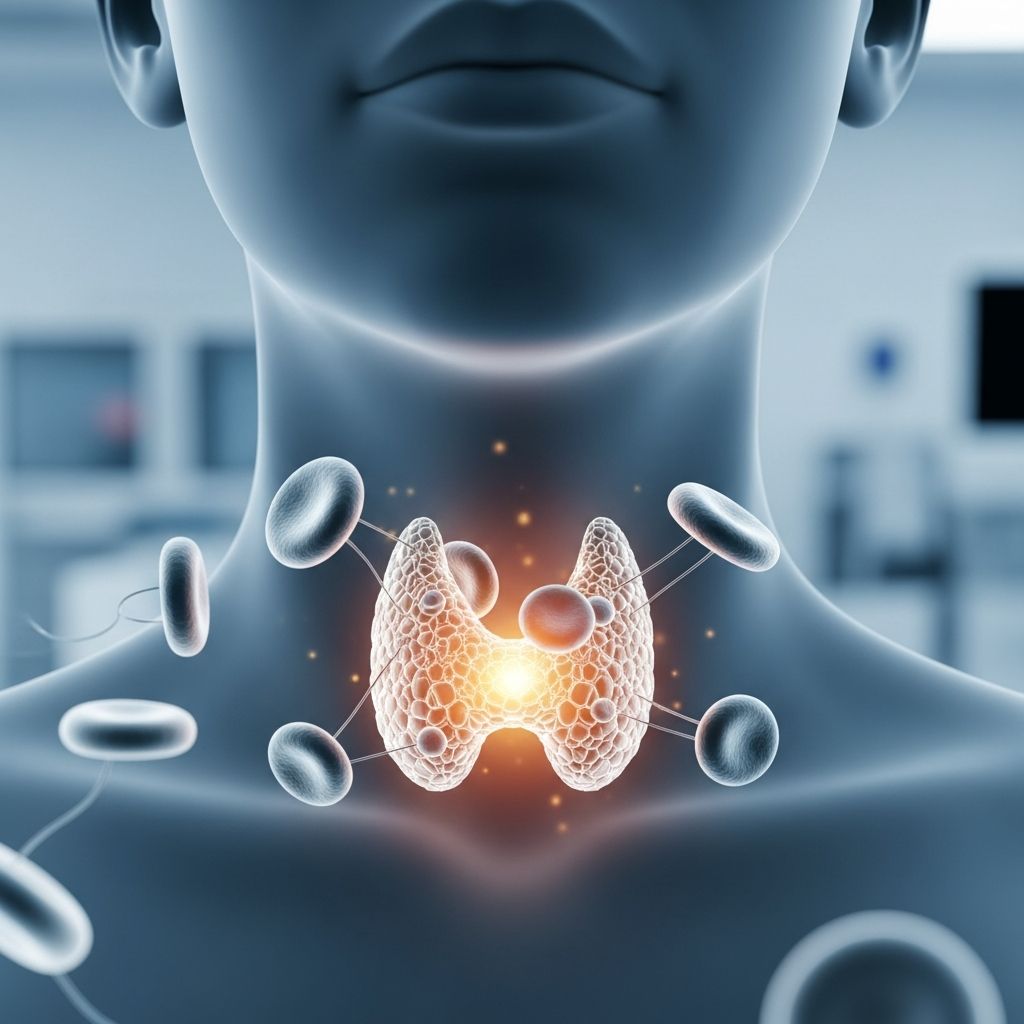
Hashimoto’s disease, also known as Hashimoto’s thyroiditis, is the most common autoimmune disorder affecting the thyroid gland, leading to hypothyroidism in many cases. In this condition, the immune system mistakenly attacks the thyroid, causing chronic inflammation and reduced hormone production.
What Is Hashimoto’s Disease?
Hashimoto’s thyroiditis is an autoimmune condition where antibodies target thyroid peroxidase (TPO) and thyroglobulin, impairing the gland’s ability to produce thyroid hormones T4 and T3. Named after Dr. Hakaru Hashimoto who described it in 1912, it primarily affects women (7-10 times more than men) and often develops between ages 30-50.
The thyroid gland, located in the neck, regulates metabolism, energy, and growth. In Hashimoto’s, progressive damage leads to insufficient hormone levels, resulting in hypothyroidism. Early stages may show normal function or even transient hyperthyroidism (hashitoxicosis), but most progress to underactive thyroid.
Symptoms of Hashimoto’s Disease
Symptoms often develop gradually and mimic other conditions, making early detection challenging. Many remain asymptomatic until significant thyroid damage occurs.
Common symptoms of hypothyroidism from Hashimoto’s include:
- Fatigue and unexplained tiredness
- Unintentional weight gain
- Cold intolerance
- Constipation
- Dry skin and hair, hair loss
- Muscle aches, weakness, joint pain
- Heavy or irregular menstrual periods
- Depression, brain fog, memory issues
- Puffy face, hoarse voice
- Slowed heart rate
- Goiter (enlarged thyroid)
In early or active inflammation phases, some experience neck pain, transient hyperthyroidism symptoms like anxiety, rapid heartbeat, or heat intolerance. Thyroid nodules occur in 20-30% of cases, potentially causing swallowing or breathing difficulties.
Causes and Risk Factors
Hashimoto’s is primarily autoimmune, driven by TPO and thyroglobulin antibodies that infiltrate and destroy thyroid tissue. Genetics play a key role; having a family history increases risk.
Key risk factors:
- Gender: Women are far more susceptible, possibly due to hormonal influences.
- Age: Peaks in middle age.
- Family history: Autoimmune thyroid disease in relatives.
- Other autoimmune disorders: Type 1 diabetes, rheumatoid arthritis, celiac disease.
- Environmental triggers: Excessive iodine, radiation exposure, viral infections, smoking.
- Pregnancy: Postpartum thyroiditis can evolve into Hashimoto’s.
While the exact trigger is unknown, it’s a combination of genetic predisposition and environmental factors leading to immune dysregulation.
How Is Hashimoto’s Disease Diagnosed?
Diagnosis combines clinical evaluation, blood tests, imaging, and sometimes biopsy. High suspicion arises from symptoms plus risk factors.
Blood tests (primary diagnostic tools):
- TSH: Elevated in hypothyroidism (>4.5 mIU/L, often >10).
- Free T4/T3: Low in overt hypothyroidism.
- Thyroid antibodies: Elevated anti-TPO (90-95% sensitive), anti-thyroglobulin.
Normal TSH with positive antibodies indicates subclinical Hashimoto’s, warranting monitoring. Ultrasound reveals heterogeneous texture, hypoechogenicity, nodules, or vascularity changes. Fine-needle aspiration biopsy is used if nodules suggest malignancy (rare, but risk elevated).
| Test | Normal Range | Hashimoto’s Finding |
|---|---|---|
| TSH | 0.4-4.5 mIU/L | Elevated (>10 mIU/L) |
| Free T4 | 0.8-1.8 ng/dL | Low |
| Anti-TPO | <35 IU/mL | Elevated |
Physicians may ask about family history, symptoms like cold sensitivity, menstrual changes, or medications.
Related Stories



Treatment for Hashimoto’s Disease
There is no cure; treatment targets hypothyroidism with lifelong thyroid hormone replacement. Levothyroxine (Synthroid, Levoxyl) is the standard, mimicking natural T4.
Treatment guidelines:
- Start levothyroxine if TSH >10 mIU/L or symptomatic.
- Dose: 1.6 mcg/kg body weight daily, adjusted by age/heart health (lower initial in elderly).
- Take empty stomach, avoid interference from iron, calcium, PPIs.
- Monitor TSH every 6-10 weeks initially, then annually.
Full effects take weeks to months; symptoms like skin changes may resolve in 3-6 months. For poor responders, T3 (Cytomel) or combo therapy may be trialed 3-6 months, though not first-line due to side effects like palpitations.
Subclinical cases (mild TSH elevation) may just be monitored unless progressing. Surgery (thyroidectomy) is rare, for large goiters or nodules.
Complications of Hashimoto’s Disease
Untreated, chronic hypothyroidism raises risks of high cholesterol, heart disease, myxedema coma (rare, life-threatening). Other issues: thyroid nodules (20-30%), lymphoma risk (slightly elevated), infertility, pregnancy complications.
Transient hashitoxicosis or painful thyroiditis can occur. Long-term: persistent fatigue if undertreated.
Living With Hashimoto’s Disease
Manage with consistent medication, regular check-ups, healthy lifestyle. Diet: selenium-rich foods (Brazil nuts) may lower antibodies; avoid excess iodine. Gluten-free for some with celiac overlap. Exercise combats fatigue/weight gain. Stress reduction aids immune health.
Pregnancy requires close monitoring; dose may increase 30-50%. Track symptoms like energy changes, weight, heart rate for dose adjustments.
Frequently Asked Questions (FAQs)
Can Hashimoto’s be cured?
No, it’s lifelong, but well-managed with daily levothyroxine to normalize hormone levels and symptoms.
Is Hashimoto’s disease hereditary?
Genetic factors increase risk; family history of autoimmune thyroid issues raises likelihood.
How long does it take for levothyroxine to work?
Symptoms improve in 1-2 weeks, full effects in 4-6 weeks; skin/hair changes up to 6 months.
Can diet help Hashimoto’s?
No specific diet cures it, but anti-inflammatory, selenium-rich foods support thyroid health; consult a doctor.
Does Hashimoto’s cause weight gain?
Yes, due to slowed metabolism; treatment and lifestyle help manage it.
Can you have Hashimoto’s with normal TSH?
Yes, subclinical phase with antibodies; monitor closely.
References
- Hashimoto Thyroiditis – StatPearls — NCBI Bookshelf. 2023-08-08. https://www.ncbi.nlm.nih.gov/books/NBK459262/
- Hashimoto’s Disease Treatment — American Association of Clinical Endocrinology (AACE). 2024. https://www.aace.com/patient-journey/thyroid/planning-and-treatment/hashimotos-disease-treatment
- Hashimoto’s Thyroiditis: Symptoms, Treatment & More — Graves’ Disease and Thyroid Foundation. 2023. https://gdatf.org/understanding-hashimotos/
- Hashimoto’s disease – Diagnosis & treatment — Mayo Clinic. 2024-06-20. https://www.mayoclinic.org/diseases-conditions/hashimotos-disease/diagnosis-treatment/drc-20351860
- Hypothyroidism | Hashimoto’s Disease — MedlinePlus. 2024. https://medlineplus.gov/hypothyroidism.html
- Hashimoto’s Thyroiditis — American Thyroid Association. 2023. https://www.thyroid.org/hashimotos-thyroiditis/
- Hashimoto’s Disease — University of Michigan Health. 2024. https://www.uofmhealth.org/our-care/specialties-services/hashimotos-disease
Similar Articles








Read full bio of medha deb