Have You Exfoliated Lately? A Guide to Skin Renewal
Discover the science and safety of exfoliation for healthier, brighter skin.
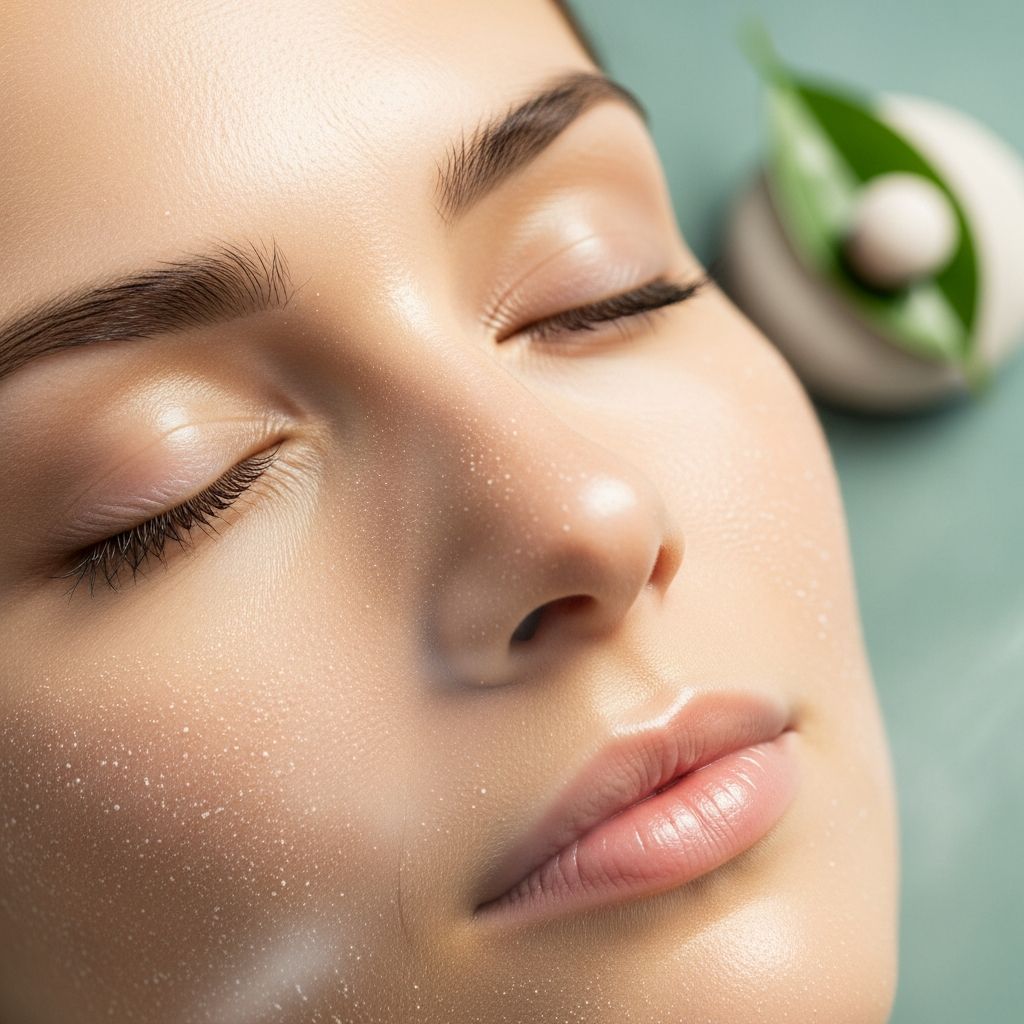
Exfoliation has become one of the most talked-about skincare steps in recent years, with social media influencers and beauty brands promoting it as a transformative solution for aging skin and dullness. From viral TikTok trends to luxury spa treatments, exfoliation seems to be everywhere. But what exactly is exfoliation, and is it truly as beneficial as the hype suggests? More importantly, can it actually fix wrinkles and other skin concerns, or are we falling for another beauty industry trend? The answer lies in understanding what exfoliation actually does, the different methods available, and how to use these techniques safely to achieve genuine skin improvements.
What Is Exfoliation and How Does It Work?
Exfoliation is the process of removing dead skin cells from the outer layer of your skin, known as the stratum corneum. Throughout our lives, our skin naturally sheds dead cells, but sometimes this process doesn’t happen efficiently, leading to a buildup that can make skin appear dull, rough, and uneven. By manually or chemically removing this dead layer, exfoliation reveals the fresher, healthier skin beneath.
The human body constantly regenerates skin cells through a natural process called cell turnover. Ideally, dead cells slough off on their own, but factors like age, sun exposure, environmental pollution, and genetics can slow this process. When dead cells accumulate, they create a barrier that not only diminishes skin radiance but also prevents skincare products from penetrating effectively. This is where exfoliation becomes valuable—it accelerates cell turnover and allows your other skincare products to work more efficiently.
The Three Main Types of Exfoliation
Understanding the different exfoliation methods is crucial for choosing the right approach for your individual skin type and concerns. Each method works through a different mechanism and carries distinct benefits and risks.
Physical (Mechanical) Exfoliation
Physical exfoliation uses friction to manually remove dead skin cells. This includes scrubs containing gritty particles and tools such as brushes, loofahs, facial sponges, or exfoliating mitts. When you gently massage a scrub or use a textured tool across your skin, you’re essentially polishing away the dull buildup of dead cells.
Benefits of physical exfoliation:
- Immediate visible results—skin feels noticeably softer after use
- Improved skin luster and luminosity
- Helps clear surface-level clogged pores
- Can reduce certain types of acne caused by blocked pores
- Easily accessible and affordable
Potential drawbacks:
- Can be too abrasive if misused, potentially causing micro-tears
- May aggravate sensitive or acne-prone skin
- Risk of over-exfoliation if done too frequently or vigorously
- Can trigger inflammatory acne and make existing inflammation worse
- The abrasives in products like apricot scrubs can be particularly problematic
Chemical Exfoliation
Chemical exfoliants use acids to dissolve the bonds holding dead skin cells together, allowing them to shed away naturally. The most common types are alpha hydroxy acids (AHAs), beta hydroxy acids (BHAs), and salicylic acid.
According to dermatological research, chemical exfoliants work on a micro-level to dissolve excess skin cells and address uneven pigmentation at the surface level. These products also restore skin glow, improve acne, and provide enhanced shine. AHAs are particularly effective for improving skin texture, fading sun damage and discoloration, and smoothing fine lines and surface wrinkles.
Related Stories



Advantages of chemical exfoliation:
- More controlled and targeted action compared to physical scrubbing
- Effective for addressing multiple skin concerns simultaneously
- Can improve skin tone and reduce hyperpigmentation
- Reduces risk of irritation when used correctly
- Generally recommended by dermatologists as safer than physical methods
- Available in various concentrations to suit different skin types
Important considerations:
- Chemical exfoliants increase photosensitivity, making bedtime application preferable
- Can cause irritation if concentrations are too high or if overused
- May trigger irritant contact dermatitis, resulting in red, chapped appearance
- Requires careful introduction to your routine
- Not suitable for all skin types without proper precautions
Enzyme Exfoliation
A gentler alternative to both physical scrubbing and strong acids, enzyme exfoliation utilizes natural enzymes to break down the keratin in dead skin cells, allowing them to detach from living skin effortlessly. These enzymes are typically derived from fruits like papaya, pineapple, or pumpkin.
Enzyme exfoliants work by digesting the proteins that hold dead cells together, effectively dissolving the dead skin without requiring physical abrasion or high concentrations of acid. This makes them an excellent choice for those with sensitive skin or those new to exfoliation. Many enzyme peel kits are available for home use and come with application brushes for even distribution, providing a spa-like experience in your bathroom.
The Proven Benefits of Regular Exfoliation
When done correctly, exfoliation can provide several legitimate benefits for skin health and appearance. However, it’s important to have realistic expectations about what exfoliation can and cannot achieve.
The most immediate benefit is a smoother skin texture and brighter tone as newer, healthier skin cells become visible. Clearing out dead cells also helps unclog pores, preventing blackheads and breakouts, and allows for more even skin coloration by fading rough patches or leftover makeup residue. Removing the outer layer of built-up skin makes the face feel softer and look more uniform.
Beyond immediate aesthetic improvements, exfoliation enables serums and moisturizers you apply afterward to penetrate more effectively into the skin. With consistent, gentle exfoliation, fine lines may appear less pronounced over time. Stimulating cell turnover can subtly boost collagen production and skin firmness, providing an anti-aging benefit to your routine.
For aging skin specifically, exfoliation can address concerns like dullness and rough patches. As we age, particularly on the arms and legs, dead skin buildup becomes more pronounced, creating an almost fish-scale appearance. Physical exfoliators are particularly helpful for these areas, which have tougher skin than the face.
What Exfoliation Cannot Do: Managing Expectations
Despite the marketing claims and social media hype, it’s crucial to understand the limitations of exfoliation. According to Dr. Rachel Reynolds, interim chair of dermatology at Harvard-affiliated Beth Israel Deaconess Medical Center, “I don’t think exfoliation is going to fix anybody’s wrinkles.”
While exfoliation can make fine lines appear less pronounced by revealing fresher skin and improving overall skin texture, it cannot erase deep wrinkles or fundamentally alter the aging process. Exfoliation addresses surface-level concerns—dullness, dead skin buildup, and mild texture irregularities—but it is not a wrinkle-erasing treatment.
Additionally, nothing catastrophic happens if you don’t exfoliate. As Dr. Reynolds notes, “Nothing happens if you don’t exfoliate – you just walk around with bumpy or slightly dry skin, which is inconsequential except for cosmetic reasons.” Exfoliation is entirely optional and is primarily a cosmetic concern rather than a medical necessity.
Exfoliation by Skin Type: Tailored Approaches
Different skin types require different exfoliation strategies to maximize benefits while minimizing irritation risk.
Dry or Flaky Skin
Dry skin can benefit greatly from exfoliation, as it removes rough, peeling patches and allows moisturizers to penetrate better. However, dryness indicates that your skin’s protective barrier might be weaker, so caution is essential to avoid over-exfoliation that could cause cracks or sensitivity.
For dry skin, chemical exfoliants that also hydrate are ideal. A good approach is to choose exfoliating cleansers for dry skin that contain gentle AHAs combined with moisturizing ingredients. These cleansers or treatments dissolve dead cells while adding hydration, addressing both concerns simultaneously.
Sensitive Skin
Sensitive skin is more likely to become irritated or inflamed by any exfoliant. For this skin type, enzyme exfoliation is often the safest starting point, as these gentle formulations are less likely to trigger adverse reactions. If chemical exfoliants are used, lower concentrations of hydroxy acids or salicylic acid should be the starting point.
Acne-Prone Skin
While exfoliation can help reduce some types of acne by unclogging pores, physical exfoliation that’s done too harshly can aggravate inflammatory acne and make it worse. For acne-prone skin, gentle chemical exfoliants are preferable to physical scrubbing. Chemical exfoliants can help dissolve excess skin cells and reduce breakouts without the risk of aggravating inflamed lesions.
Combination and Normal Skin
Those with combination or normal skin typically have more flexibility in choosing exfoliation methods. However, even these skin types benefit from starting gently and working up to stronger formulations only if needed.
Professional Exfoliation Treatments
Beyond at-home exfoliation, dermatologists offer several professional treatments that provide more intensive exfoliating effects under controlled conditions.
Chemical Peels: For those dealing with stubborn skin problems such as melasma (brown facial patches) or comedonal acne (small, skin-colored bumps often on the forehead or chin), professional chemical peels at a dermatologist’s office can be highly effective.
Enzyme or Oxygen Facials: These gentler clinic treatments involve applying potent enzymes along with steam and massage for an exfoliating effect that feels pampering while delivering results.
Dermaplaning: A trained professional uses a specialized scalpel to shave off the outer skin layer and vellus hair (fine facial hair), instantly leaving skin incredibly smooth and bright.
Safe Exfoliation Guidelines: Expert Recommendations
To achieve the benefits of exfoliation while protecting your skin, follow these evidence-based guidelines from dermatological experts.
Getting Started
If you haven’t exfoliated before, start with a simple washcloth to determine how well your skin responds to mild physical exfoliation. This allows you to gauge your skin’s tolerance before introducing stronger products.
Building Your Routine
After establishing how your skin responds to gentle physical exfoliation, try gentler chemical exfoliants with lower concentrations of hydroxy acids or salicylic acid. Work your way up to stronger concentrations only if needed and your skin tolerates the lower concentrations well.
Frequency and Timing
Chemical exfoliants increase photosensitivity, meaning your skin becomes more prone to sunburn. For this reason, bedtime exfoliation is preferable. Most people should exfoliate no more than 2-3 times per week, though this depends on the type of exfoliant and individual skin sensitivity.
Post-Exfoliation Care
After exfoliation, protect your newly renewed skin with moisturizer and broad-spectrum sunscreen with at least SPF 30. Avoid mixing too many strong treatments at once—this can lead to irritation and compromise your skin barrier. Allow your skin time to rest and recover between treatments.
Avoiding Over-Exfoliation
Over-exfoliation is one of the most common mistakes. Whether by rubbing too hard or using products with higher concentrations of acid, overdoing it can trigger irritant contact dermatitis, which appears as red, angry, and chapped skin. If you’re concerned about potential irritation, always perform a patch test on a small area first.
The Role of the Beauty Industry: Understanding Marketing Claims
Hundreds of commercially available skincare products—from body washes to cleansers to face masks—are labeled as exfoliating. However, dermatologists note that the prominence of exfoliation claims in marketing warrants skepticism.
“It’s advantageous for a cosmetics company to sell consumers more products in a skincare line,” explains Dr. Reynolds. “But it’s buyer beware, because this is a completely unregulated market, and cosmetic companies can make claims that don’t have to be substantiated in actual clinical trials.”
This means that many products labeled as “exfoliating” may provide minimal exfoliating benefit. When choosing exfoliating products, look for specific active ingredients—alpha hydroxy acids, beta hydroxy acids, salicylic acid, or named enzymes—rather than relying on marketing language alone.
Can Exfoliation Damage Your Skin?
Yes, exfoliation can harm your skin if done improperly. Both physical and chemical exfoliation techniques can cause damage depending on several factors.
Sensitive skin is more likely to become irritated or inflamed by any exfoliant. Overdoing exfoliation—whether by rubbing too hard or using products with higher acid concentrations—can trigger irritant contact dermatitis. Physical exfoliation that’s done too harshly can aggravate inflammatory acne and make it worse. Additionally, exfoliating can increase your skin’s photosensitivity, making you more prone to sunburn.
To avoid skin damage, dermatologists recommend chemical exfoliants over physical versions. “Sometimes the abrasives in those apricot scrubs, for example, can go too far, aggravating the skin and creating inflammation,” notes Dr. Reynolds.
Exfoliation for Specific Skin Conditions
Certain skin conditions may benefit from or require special consideration with exfoliation.
Keratosis Pilaris: This common but harmless skin condition causes rough, bumpy “chicken skin” on the upper arms and thighs. Physical exfoliators are a good first choice for this condition because these areas have tougher skin than the face. However, it’s equally fine to use a cleanser or lotion containing a chemical exfoliant instead.
Melasma and Hyperpigmentation: Chemical exfoliants, particularly AHAs, are effective for fading sun damage and discoloration. For stubborn cases, professional chemical peels may provide more dramatic results.
Acne: While exfoliation can help improve acne by unclogging pores, the type and intensity matter significantly. Gentle chemical exfoliants are preferable to harsh physical scrubbing for acne-prone skin.
The Bottom Line: Is Exfoliation Right for You?
Exfoliation, when done correctly, is a transformative step in any skincare routine. By removing the veil of dead cells, it unveils fresher skin beneath and helps other skincare products work more effectively. The key to achieving a radiant and smooth complexion through exfoliation is balance—being consistent enough to maintain that glow while remaining gentle enough to preserve your skin’s health and integrity.
Remember that nobody has to exfoliate. If you choose not to, the worst outcome is carrying on with slightly dull or bumpy skin, which is primarily a cosmetic concern. However, if you do choose to exfoliate, do it with care. Protect your newly renewed skin with moisturizer and sunscreen, avoid mixing too many strong treatments simultaneously, and allow your skin time to rest and recover between treatments.
For best results, consider starting with the gentlest approach and gradually working up to stronger treatments as your skin tolerance allows. If you’re dealing with specific concerns like deep wrinkles or stubborn pigmentation issues, consult a dermatologist about professional treatments that may provide more dramatic results than at-home exfoliation alone.
Frequently Asked Questions About Exfoliation
Q: How often should I exfoliate?
A: For most people, exfoliating 2-3 times per week is appropriate. However, frequency depends on your skin type, the type of exfoliant, and your skin’s individual tolerance. Those with sensitive skin may benefit from exfoliating less frequently or using gentler methods, while those with resilient skin may tolerate more frequent exfoliation.
Q: Is exfoliation necessary for healthy skin?
A: No, exfoliation is not necessary. Skin will remain healthy without it; you may simply experience some dullness or minor clogged pores, which are cosmetic concerns. Exfoliation is optional and beneficial only if you choose to incorporate it into your routine.
Q: Can exfoliation help with wrinkles?
A: Exfoliation can make fine lines appear less pronounced by revealing fresher skin and improving overall texture, but it cannot erase deep wrinkles. For significant wrinkle reduction, other treatments such as retinoids, professional peels, or professional procedures may be more effective.
Q: What’s the difference between physical and chemical exfoliation?
A: Physical exfoliation uses mechanical friction (scrubs, brushes, loofahs) to manually remove dead cells, while chemical exfoliation uses acids or enzymes to dissolve the bonds between dead cells. Dermatologists generally recommend chemical exfoliants as they’re less likely to cause irritation when used correctly.
Q: Is enzyme exfoliation safe for sensitive skin?
A: Yes, enzyme exfoliation is typically the gentlest option and works well for sensitive skin. Enzymes break down dead skin cells without physical abrasion or strong acid concentrations, making them ideal for those with reactive or easily irritated skin.
Q: Can exfoliation make acne worse?
A: Yes, if done too harshly. Physical exfoliation that’s overly aggressive can aggravate inflammatory acne and make it worse. For acne-prone skin, gentle chemical exfoliants are preferable to physical scrubbing.
Q: Should I exfoliate before or after other skincare steps?
A: This depends on the type of exfoliant. Generally, exfoliation should be done on clean skin, so use a gentle cleanser first. Chemical exfoliants are best applied at night due to increased photosensitivity. After exfoliation, follow with toner, serums, moisturizer, and sunscreen during the day or night cream at night.
Q: What should I avoid when exfoliating?
A: Avoid mixing multiple strong treatments simultaneously, over-exfoliating (both physically and chemically), using products with very high acid concentrations if you’re new to exfoliation, and skipping sunscreen after exfoliation. Also avoid exfoliating if your skin is severely irritated or sunburned.
References
- Exfoliation Techniques: Achieving A Radiant And Smooth Complexion — MyTopicals. 2024. https://mytopicals.com/blogs/exfoliation/exfoliation-techniques-achieving-a-radiant-and-smooth-complexion
- Is Exfoliation Right for You? — Seniors Guide (Harvard Women’s Health Watch). 2024. https://www.seniorsguide.com/lifestyle/is-exfoliation-right-for-you/
Similar Articles








Read full bio of medha deb