Hawthorn Benefits: Heart Health & Wellness
Discover hawthorn's powerful cardiovascular and antioxidant benefits for optimal wellness.
Hawthorn Benefits: A Comprehensive Guide to Heart Health and Wellness
Hawthorn, a flowering plant with berries that have been used in traditional medicine for centuries, has gained significant attention from modern health researchers for its impressive array of therapeutic properties. Rich in bioactive compounds including polyphenols, flavonoids, and antioxidants, hawthorn offers numerous potential health benefits backed by scientific research. From supporting cardiovascular function to reducing inflammation, this ancient remedy continues to prove its value in contemporary wellness practices.
What Is Hawthorn and Its Nutritional Profile
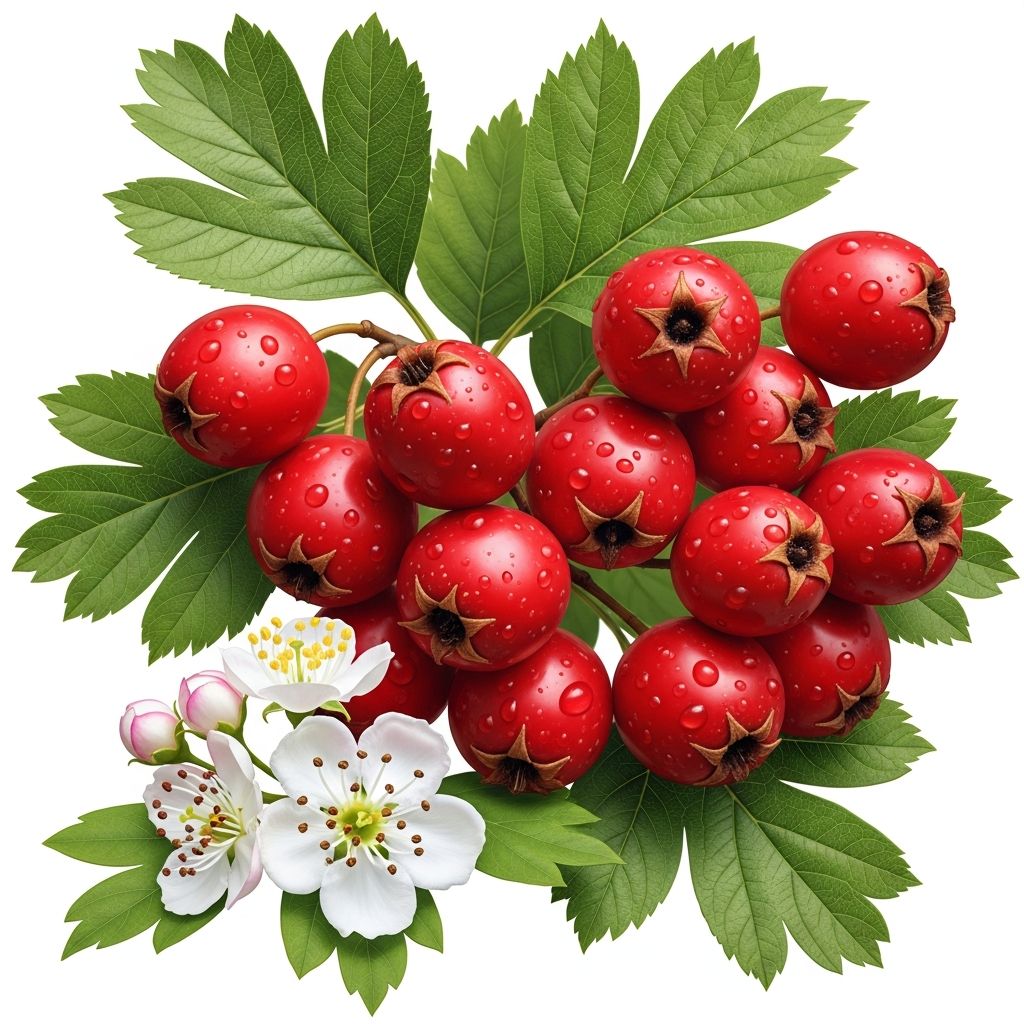
Hawthorn is a plant belonging to the Rosaceae family, with various species used medicinally worldwide. The German Commission E specifically recommends hawthorn leaf and flower as the therapeutic parts of the plant, making these components the preferred choice for health applications. The fruit, leaves, and flowers all contain valuable nutrients and bioactive compounds.
The nutritional composition of hawthorn is remarkably impressive. Hawthorn is rich in amino acids (containing 3–8 times more amino acids than common fruits), protein (approximately 17 times more protein than apples), and vitamins including vitamins A, C, B1, and B2—roughly 10 times more vitamins than many common fruits. Additionally, hawthorn boasts the highest calcium content among fruits and contains significant amounts of dietary fiber, pectin, vitamin C, chlorogenic acid, epicatechol, and choline. This nutrient density contributes to its high therapeutic value and makes it a powerful plant for supporting overall health.
Primary Health Benefits of Hawthorn
Cardiovascular Health and Heart Function
The most substantial evidence for hawthorn’s clinical benefits centers on its use in supporting heart health and chronic congestive heart failure (CHF). According to meta-analyses, including a 2008 Cochrane systematic review, hawthorn used as an adjunct to conventional treatment in patients with chronic CHF significantly increased maximal workload tolerance, increased exercise tolerance, decreased the pressure–heart rate product (an index of cardiac oxygen consumption), and improved symptoms of fatigue and shortness of breath compared with placebo. Reviews of placebo-controlled trials have reported both subjective and objective improvement in patients with chronic CHF (New York Heart Association classes I through III).
Hawthorn extracts appear to increase blood flow to the heart and increase the strength of heart contractions, while also reducing resistance to blood flow in the extremities. These mechanisms work together to enhance overall cardiac function and support the heart’s ability to pump blood efficiently throughout the body.
Blood Pressure Management
In traditional Chinese medicine, hawthorn berry is one of the most commonly recommended foods to help treat high blood pressure. Modern research validates this traditional use. A 2020 review found that taking hawthorn in the form of tablets or liquid drops reduced blood pressure in people with pre-hypertension or stage 1 hypertension, with no reports of serious side effects.
Related Stories



The mechanism behind this benefit involves the dilation of peripheral blood vessels, which is the main cause of the fall in blood pressure. In a randomized controlled trial of type 2 diabetes patients, those given hawthorn extract (1200 mg per day) had a significantly greater reduction in mean diastolic blood pressure than those given placebo.
Cholesterol and Lipid Profile Improvement
Hawthorn extract may improve blood cholesterol levels thanks to its flavonoid and pectin content. Pectin is a type of fiber involved in cholesterol metabolism. Research shows that hawthorn extract may help lower total and LDL (bad) cholesterol levels. Additionally, hawthorn extract was able to improve hyperlipidemia by improving the lipid profile, reducing oxidative stress, and lowering total and LDL cholesterol levels.
The alcoholic extract of hawthorn promotes cholesterol elimination, and mice with a knockout apoE gene showed a significant reduction of 23.1% in the area of atherosclerotic lesions by consuming hawthorn leaf flavonoids. This demonstrates hawthorn’s potential role in preventing atherosclerosis and protecting against cardiovascular disease.
Antioxidant and Anti-Inflammatory Properties
Hawthorn contains multiple bioactive components with significant antioxidant and anti-inflammatory potential. Polyphenolic compounds are excellent antioxidants and immunomodulators, while flavonoids possess anti-inflammatory and anti-atherogenic activity. These compounds work synergistically to combat oxidative stress, one of the primary drivers of aging and chronic disease.
The antimicrobial, antibacterial, and antioxidant properties of hawthorn extract help lower bacteria and reduce oxidation effects throughout the body. The total phenols, total flavonoid content, and antioxidant activity in hawthorn have tested particularly well for specific compounds including hyperoside, chlorogenic acid, and isoquercetin in hawthorn fruits.
Additional Health Benefits
Immune System Support
Gluten sterols isolated from hawthorn significantly increase white blood cell counts and enhance phagocytic activity of macrophages. Hawthorn phenolic extracts have a strong stimulatory effect on splenocytes and lymphocyte subsets. This immune-enhancing effect is mainly due to epicatechin and proanthocyanidins B2 and B4 in hawthorn, which promote the proliferation of splenocytes and significantly increase the percentage of B cells.
Anticoagulant Properties
Components of hawthorn such as bioflavonoids and proanthocyanidins have beneficial effects on the blood coagulation system. In research studies, continuous administration of hawthorn extract revealed a significant increase in cardiac antithrombin III and a significant decrease in hepatic factor X, suggesting that hawthorn has blood-thinning properties that may help prevent clot formation.
Neuroprotection and Spinal Cord Health
Total flavonoids from hawthorn leaves can reduce apoptosis (cell death) in cases of spinal cord injury, exerting neuroprotective effects and promoting the recovery of motor function in spinal cord injury cases. This emerging benefit opens new possibilities for hawthorn’s use in neurological health applications.
Digestive Health Enhancement
Beyond cardiovascular benefits, hawthorn has traditionally been used to support digestive function and indigestion. Many studies have confirmed that hawthorn has digestive-enhancing properties, making it useful for supporting gastrointestinal health and optimal nutrient absorption.
Bioactive Compounds Responsible for Health Benefits
The wide range of health benefits hawthorn exerts is based on its active ingredients and bioactive compounds:
- Polyphenols: Good antioxidants and immunomodulators that protect cells from damage
- Flavonoids: Possess anti-inflammatory and anti-atherogenic activity, supporting cardiovascular health
- Lignans: Have antibacterial and antioxidant activity, supporting immune function
- Triterpenoids: Possess anticancer, anti-inflammatory, and anti-proliferative activities
- Pectin: A soluble fiber involved in cholesterol metabolism and digestive health
- Bioflavonoids and Proanthocyanidins: Support blood coagulation and cardiovascular function
How Hawthorn Works in the Body
Hawthorn protects against cardiovascular disease through multiple mechanisms of action. The alcoholic extract of hawthorn can maintain mitochondrial antioxidant status and prevent mitochondrial lipid peroxidative damage. Additionally, hawthorn can act on myocardial tissue to reduce inflammatory markers including iNOS expression and downregulating COX-2 to exert anti-inflammatory effects.
These mechanisms—improved antioxidant status, reduced inflammation, enhanced mitochondrial function, and improved blood flow—work together to support comprehensive cardiovascular health and protect against age-related disease progression.
Traditional and Modern Uses
Hawthorn has a rich history of traditional use across multiple cultures. The plant has been used to treat anxiety, asthma, hypertension, dyslipidemia, hypotension, angina, arrhythmias, heart failure, and indigestion. Indigenous peoples used hawthorn thorns as a dermatological aid to detect boils and treat swellings related to rheumatism, while some cultures used decoctions as traditional medicine.
Modern clinical practice has validated many of these traditional applications, particularly for cardiovascular health. The German Commission E approval of hawthorn leaf and flower for therapeutic use reflects the scientific evidence supporting its safety and efficacy in contemporary healthcare.
Extraction and Application Forms
Hawthorn is available in multiple therapeutic forms, with alcoholic and methanol extracts showing high levels of total flavonoids and polyphenols. The most common application forms include:
- Herbal tea infusions from leaves and flowers
- Concentrated liquid extracts and tinctures
- Tablet and capsule supplements
- Standardized extract preparations
It’s important to note that using an extract found in tablets or liquid form is not the same as eating fresh berries, as extracts concentrate the bioactive compounds for more potent therapeutic effects.
Safety Considerations and Interactions
While hawthorn is generally well-tolerated, a 2020 review of blood pressure studies found no reports of serious side effects, indicating a favorable safety profile. However, hawthorn may negatively interact with heart medications, making professional consultation essential before beginning supplementation. Individuals taking medications for cardiovascular conditions or other chronic diseases should speak with a healthcare professional before consuming hawthorn supplements to ensure compatibility with their current treatment regimen.
Research Status and Future Directions
While initial research in animals and cells is promising for various hawthorn applications, more human studies are needed to assess the effects of hawthorn berries on the risk of disease. Scientists need to further research hawthorn’s safety and efficacy for treating atherosclerosis specifically, meaning that people with heart conditions should talk with a healthcare professional for further advice before consuming hawthorn.
The research community continues to investigate hawthorn’s potential benefits for multiple conditions including some cancers, type 2 diabetes, asthma, and certain infections, all associated with its polyphenol content. As more clinical trials are conducted, our understanding of hawthorn’s therapeutic applications and optimal dosing will continue to expand.
Frequently Asked Questions
Q: What part of the hawthorn plant is most therapeutically effective?
A: The German Commission E specifically recommends hawthorn leaf and flower as the therapeutic parts of the plant, making these components the preferred choice for medicinal applications over other parts.
Q: Can hawthorn help with high blood pressure?
A: Yes, a 2020 review found that taking hawthorn in tablets or liquid drops reduced blood pressure in people with pre-hypertension or stage 1 hypertension, with no reports of serious side effects, though more studies are needed.
Q: How does hawthorn compare nutritionally to other fruits?
A: Hawthorn is exceptionally nutrient-dense, containing 3–8 times more amino acids than common fruits, 17 times more protein than apples, approximately 10 times more vitamins, and the highest calcium content among fruits.
Q: Is hawthorn safe to take with heart medications?
A: Hawthorn may negatively interact with heart medications, so it’s crucial to consult with a healthcare professional before taking it as a supplement if you’re on cardiac medications.
Q: What are the main bioactive compounds in hawthorn?
A: Hawthorn contains polyphenols, flavonoids, lignans, triterpenoids, pectin, and bioflavonoids—all of which contribute to its antioxidant, anti-inflammatory, and cardiovascular-protective effects.
Q: Can hawthorn extract help with cholesterol levels?
A: Yes, research shows that hawthorn extract may help lower total and LDL (bad) cholesterol levels thanks to its flavonoid and pectin content, though more human studies are needed to fully confirm these effects.
Q: How long has hawthorn been used medicinally?
A: Hawthorn has a centuries-long history of traditional use across multiple cultures for treating various conditions including heart problems, anxiety, asthma, and high blood pressure.
References
- Health Effects of Hawthorn — American Academy of Family Physicians (AAFP). 2010-02-15. https://www.aafp.org/pubs/afp/issues/2010/0215/p465.html
- Food Applications and Potential Health Benefits of Hawthorn — PMC (PubMed Central), National Center for Biotechnology Information (NCBI). 2022. https://pmc.ncbi.nlm.nih.gov/articles/PMC9498108/
- Anti-oxidant and Anti-Cell Death Flavonoids in Hawthorn Extract — Satterwhite Chiropractic. 2021. https://www.satterwhitechiropractic.com/nutrition-articles/anti-oxidant-and-anti-cell-death-flavonoids-in-hawthorn-extract
- Impressive Health Benefits of Hawthorn Berry — Healthline. https://www.healthline.com/nutrition/hawthorn-berry-benefits
- Hawthorn Berry: Benefits, Side Effects, and FAQs — Medical News Today. https://www.medicalnewstoday.com/articles/hawthorn-berry
- The Nutritional and Bioactive Components, Potential Health Benefits of Hawthorn — International Association of Dietary and Nutritional Scientists (IADNS). https://iadns.onlinelibrary.wiley.com/doi/10.1002/fft2.70073
- Hawthorn – Health Information Library — PeaceHealth. https://www.peacehealth.org/medical-topics/id/hn-2106005
Similar Articles








Read full bio of medha deb