Hawthorn: 5 Clinically Proven Heart Benefits And Safety
Explore hawthorn's traditional uses, clinical evidence, and safety profile for heart health.
Hawthorn: Usefulness and Safety
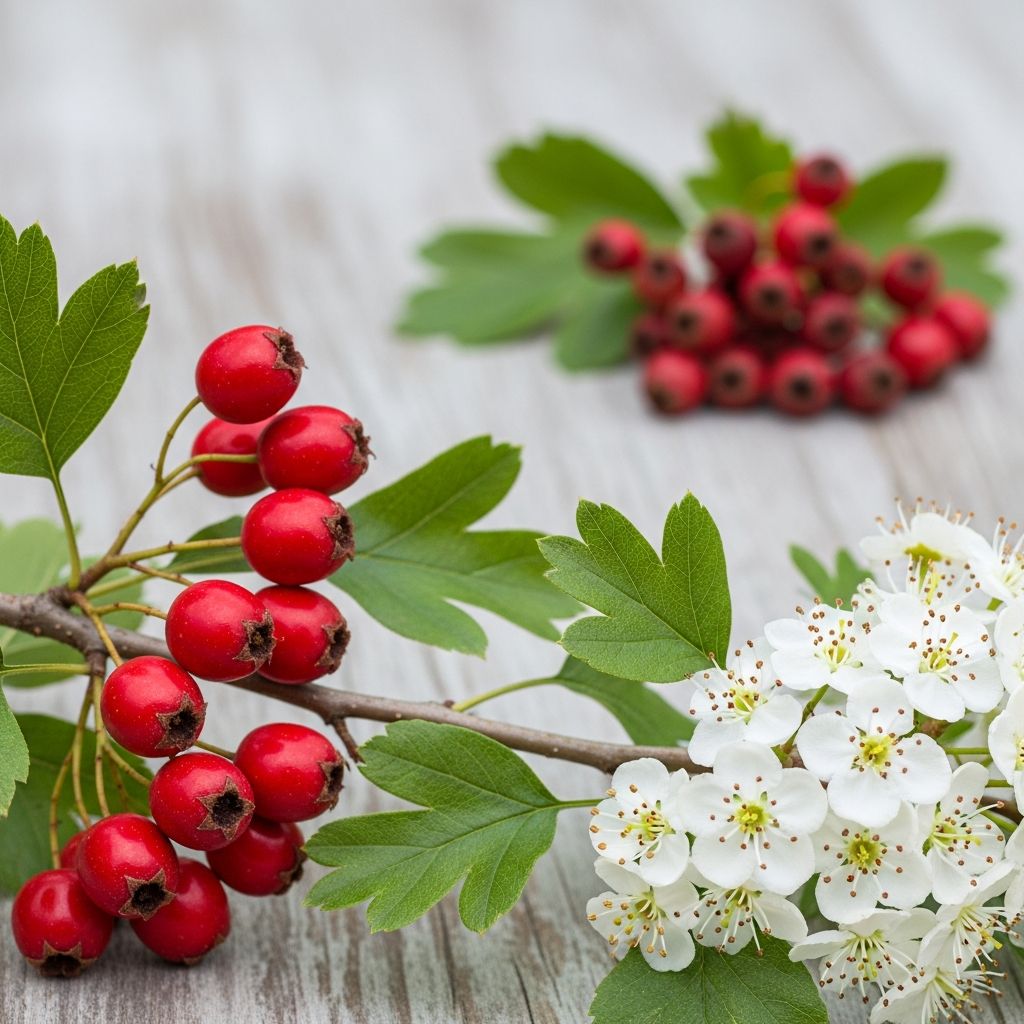
Hawthorn, derived from the Crataegus plant species, represents one of the most extensively studied herbal supplements for cardiovascular health. Traditionally used in Chinese and European medicine for centuries, hawthorn has gained significant attention in modern clinical research. The herb exists in various forms including dried berries, leaves, flowers, and standardized extracts. Today, hawthorn is commonly used as a complementary approach to heart health, with the most substantial clinical evidence supporting its role in managing chronic congestive heart failure (CHF).
Traditional Uses and Historical Background
Hawthorn has a rich history spanning multiple medical traditions. In traditional Chinese medicine, extracts of the dried ripe berries and leaves were historically used to treat indigestion, chest pain, and hernia. According to Chinese medical theory, hawthorn acts on tonifying the spleen to promote digestion and activate blood circulation. Beyond Asian traditions, European herbal medicine has long recognized hawthorn’s cardiovascular properties.
Practitioners have traditionally employed hawthorn to address a wide range of health concerns including anxiety, asthma, hypertension, high cholesterol levels, low blood pressure, angina, heart arrhythmias, heart failure, and indigestion. However, the most substantial clinical evidence concentrates on its cardiovascular applications, particularly for chronic congestive heart failure management.
Clinical Evidence for Heart Failure
Chronic congestive heart failure represents the primary condition where hawthorn has demonstrated measurable clinical benefits. Multiple controlled trials have documented both subjective and objective improvements in patients with mild to moderate forms of heart failure, specifically those classified as New York Heart Association (NYHA) classes I through III. These improvements encompass several important parameters:
- Enhanced exercise tolerance and maximal workload capacity
- Reduced pressure-heart rate product, an indicator of cardiac oxygen consumption
- Improved left ventricular ejection fraction measurements
- Decreased symptoms of fatigue and shortness of breath
- Better overall quality of life scores on standardized questionnaires
In one significant comparative study, hawthorn extract was directly compared against the ACE inhibitor captopril in patients with NYHA class II heart failure. By the trial’s conclusion, both treatments demonstrated comparable effectiveness in symptom management. Another large-scale study from 2008 found that hawthorn used in combination with standard heart failure drug therapy increased exercise tolerance and improved fatigue and shortness of breath symptoms compared to placebo treatment.
Standard hawthorn extracts, particularly formulations such as LI 132 and WS 1442, can effectively serve as adjunctive treatment alongside conventional therapy for NYHA classes I through III chronic congestive heart failure. However, it is important to note that while hawthorn demonstrates effectiveness for symptom control in short-term studies, current evidence does not support a decrease in mortality rates.
Mechanisms of Action
Hawthorn’s cardiovascular benefits arise from multiple biochemical pathways. The herb contains naturally occurring flavonoids found in its leaves, flowers, and berries. These bioactive compounds work through several distinct mechanisms to support heart health.
The hypolipidemic activity of hawthorn contributes to cardiovascular protection by addressing atherosclerosis development. Atherosclerosis pathogenesis involves oxidative stress damage, lipid deposition, inflammatory responses, and vascular endothelial dysfunction. Hawthorn flavonoids appear to mitigate these processes through the nuclear factor erythroid 2–related factor (Nrf2)/heme oxygenase-1 (HO-1) signaling pathway, which serves as a major sentinel against oxidative stress.
Related Stories



Research has demonstrated that total flavones of hawthorn reduce oxidative stress and endothelial cell impairment, particularly following coronary bypass procedures. Additionally, hawthorn extracts, particularly ethanol-based preparations, exhibit potent nitric oxide (NO) and tumor necrosis factor-alpha (TNF-α) inhibitory effects, positioning hawthorn as a promising source of antioxidants and inflammation inhibitors. Clinical evidence indicates that combining metformin with hawthorn produces remarkable reductions in body mass index, HbA1c levels, fasting plasma glucose, postprandial glucose, triglycerides, and high-sensitivity C-reactive protein in patients with prediabetes complicated by nonalcoholic fatty liver disease.
Other Potential Health Applications
While chronic congestive heart failure remains the primary focus of clinical investigation, hawthorn’s diverse chemical composition suggests potential applications for other conditions. Traditional uses document hawthorn’s historical employment for hypertension management, anxiety relief, and digestive complaints. Some research has explored hawthorn’s role in supporting healthy cholesterol levels and blood pressure regulation, though these applications require additional clinical validation.
The cardiovascular system represents hawthorn’s primary therapeutic target, but its anti-inflammatory and antioxidant properties may support broader aspects of cardiovascular health beyond heart failure specifically. Future research will likely clarify whether hawthorn provides meaningful benefits for these additional applications.
Safety Profile and Side Effects
Hawthorn is generally well tolerated by most users, with adverse effects typically being mild to moderate in severity. The most commonly reported side effects include:
- Cardiac effects: palpitations and chest pain
- Gastrointestinal concerns: digestive upset and related symptoms
- Neurological effects: dizziness, migraine, and headache
- Influenza-like symptoms in some cases
Additionally, there is potential for increased risk of orthostatic hypotension (a sudden drop in blood pressure when standing) and possible increased risk of arrhythmia in certain individuals. Long-term and high-dose use warrant caution, as research suggests caution regarding prolonged or high-dose administration.
Insufficient information is currently available regarding hawthorn’s safety in pregnancy and lactation. Pregnant women, nursing mothers, and those planning pregnancy during treatment periods should avoid hawthorn supplementation without explicit medical guidance.
Drug Interactions and Precautions
Hawthorn’s interaction potential with medications represents an important safety consideration. Some herbs and medicines interact in harmful ways, making communication with healthcare providers essential. Individuals taking any type of medication should consult with their health care provider before using hawthorn or other herbal products. This is particularly important for patients taking cardiac medications, as hawthorn may potentiate certain drug effects.
The potential for hawthorn to interact with blood pressure medications, anticoagulants, and cardiac glycosides requires careful medical supervision. Healthcare providers can assess individual circumstances and determine whether hawthorn use is appropriate given a patient’s specific medication regimen.
Dosage and Forms
Hawthorn is available in multiple formulations including dried berries, standardized extracts, teas, tinctures, and capsules. Clinical trials demonstrating efficacy have primarily utilized standardized extracts such as WS 1442, which allows for consistent dosing and quality control. The specific dosage and formulation should be determined in consultation with qualified healthcare practitioners, as requirements may vary based on individual health status, concomitant medications, and specific health goals.
Standardized extracts containing quantified levels of active flavonoids provide more reliable therapeutic outcomes compared to non-standardized preparations. Products labeled with guaranteed potency information tend to offer more predictable results in supporting heart health.
Key Considerations for Users
Several important points should guide hawthorn supplementation decisions:
- Take charge of your health by discussing hawthorn use with healthcare providers
- Work collaboratively with medical professionals to make informed decisions about complementary approaches
- Disclose all medications and supplements to healthcare providers
- Understand that hawthorn works best as adjunctive therapy alongside conventional treatments
- Recognize that hawthorn shows promise for symptom management but does not replace standard medical care
- Monitor for adverse effects and report any concerns to healthcare providers
Frequently Asked Questions
Q: Is hawthorn effective for all types of heart failure?
A: Clinical evidence primarily supports hawthorn’s effectiveness for NYHA classes I through III chronic congestive heart failure. Severe heart failure (NYHA class IV) and other cardiac conditions require conventional medical management. Hawthorn should be considered as adjunctive therapy rather than a primary treatment.
Q: How long does it take for hawthorn to work?
A: Clinical trials typically assess hawthorn’s effects over periods of 6 months or longer. Most studies showing benefit utilized standardized extracts administered for extended periods, suggesting that hawthorn’s benefits develop gradually rather than acutely.
Q: Can hawthorn replace my heart medications?
A: No. Hawthorn should not replace prescribed cardiac medications. It works best as an adjunctive treatment alongside conventional therapy. Always consult your healthcare provider before making any changes to prescribed medications.
Q: What’s the difference between various hawthorn products?
A: Standardized extracts like WS 1442 and LI 132 offer consistent potency and quality. Non-standardized products may vary significantly in active component concentrations. Standardized products provide more reliable therapeutic outcomes.
Q: Are there any groups who shouldn’t use hawthorn?
A: Pregnant women, nursing mothers, and those planning pregnancy should avoid hawthorn without medical approval. Individuals taking cardiac medications, anticoagulants, or blood pressure medications should consult healthcare providers before use.
Q: What should I do if I experience side effects?
A: Report any adverse effects to your healthcare provider immediately. Common side effects are mild, but cardiac symptoms like palpitations or chest pain warrant prompt medical evaluation.
Resources for Additional Information
The National Center for Complementary and Integrative Health (NCCIH) Clearinghouse provides comprehensive information on hawthorn and complementary health approaches. The NCCIH Clearinghouse offers publications and searches of Federal databases containing scientific and medical literature. The Office of Dietary Supplements (ODS) at the National Institutes of Health also provides evidence-based resources on dietary supplements including hawthorn, with fact sheets and publications such as “Dietary Supplements: What You Need To Know.”
For research-based information, ClinicalTrials.gov maintains a database of ongoing and completed clinical studies investigating hawthorn’s effectiveness and safety. Healthcare providers can access peer-reviewed literature through medical databases to stay current on hawthorn research developments.
References
- Hawthorn: Usefulness and Safety — National Center for Complementary and Integrative Health (NCCIH). 2024. https://www.nccih.nih.gov/health/hawthorn
- Health Effects of Hawthorn — American Academy of Family Physicians (AAFP). 2010-02-15. https://www.aafp.org/pubs/afp/issues/2010/0215/p465.pdf
- Roles and Mechanisms of Hawthorn and Its Extracts on Cardiovascular Diseases — National Center for Biotechnology Information (NCBI), National Institutes of Health. 2020. https://pmc.ncbi.nlm.nih.gov/articles/PMC7047282/
- Complementary and Alternative Medicines in the Management of Heart Failure — American Heart Association Circulation. 2023. https://www.ahajournals.org/doi/10.1161/CIR.0000000000001110
- Hawthorn – LiverTox — National Center for Biotechnology Information (NCBI) Bookshelf, National Institutes of Health. 2024. https://www.ncbi.nlm.nih.gov/books/NBK589114/
- Hawthorn as an Herbal Remedy — Poison Control. 2024. https://www.poison.org/articles/hawthorn-as-an-herbal-remedy-214
Similar Articles








Read full bio of Sneha Tete