HbA1c Testing For Type 2 Diabetes: Complete 2025 Guide
Discover how HbA1c blood tests diagnose and track type 2 diabetes for better long-term glucose management.
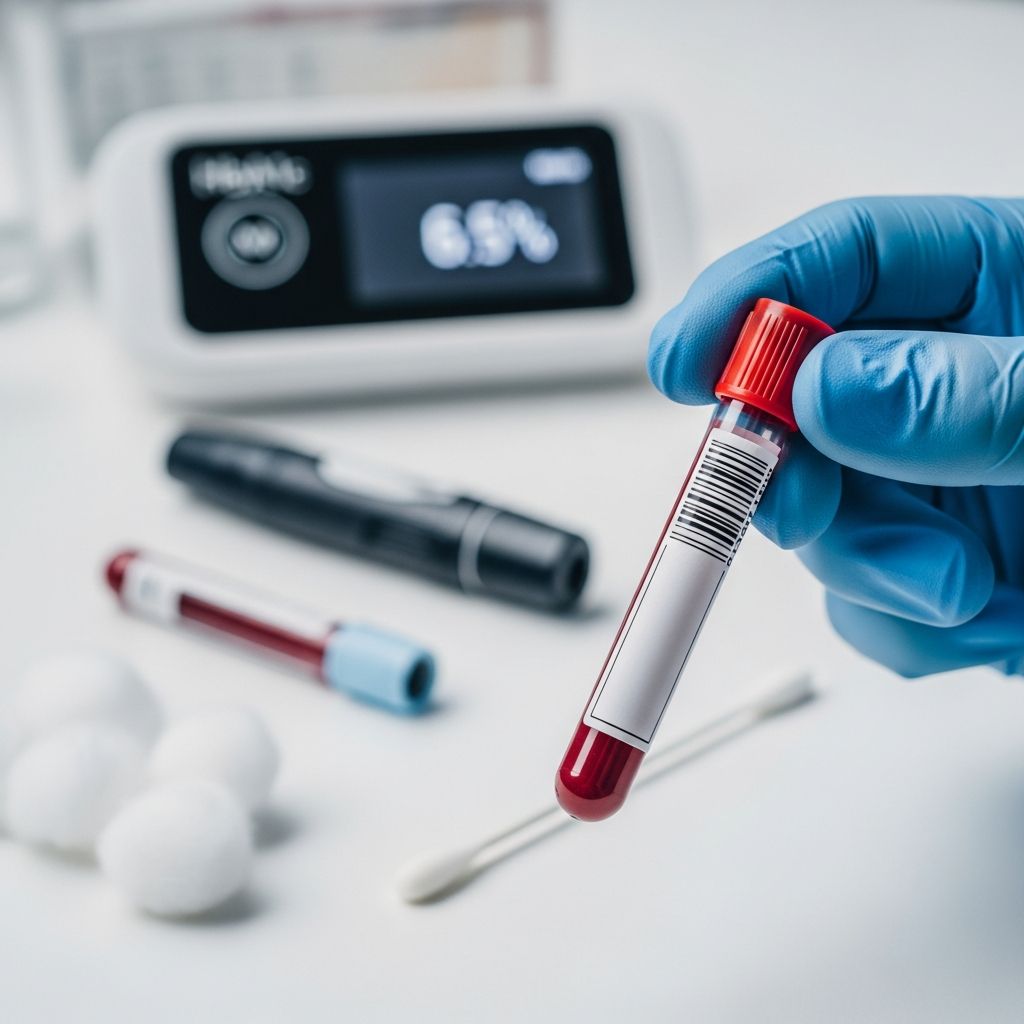
The HbA1c test, also known as the A1C or glycated hemoglobin test, serves as a cornerstone in both diagnosing type 2 diabetes and assessing long-term blood glucose control. By measuring the percentage of hemoglobin coated with sugar over the past 2-3 months, it offers a reliable snapshot superior to single-point glucose readings.
Understanding the Science Behind HbA1c
Hemoglobin, the oxygen-carrying protein in red blood cells, naturally binds to glucose in the bloodstream, forming glycated hemoglobin. Since red blood cells circulate for about 120 days, the HbA1c level reflects average glucose exposure over 8-12 weeks, providing a comprehensive view of glycemic health.
This differs from fasting or random glucose tests, which capture momentary levels. Elevated glucose leads to higher glycation, making HbA1c a direct indicator of chronic hyperglycemia common in type 2 diabetes.
Role in Diagnosing Type 2 Diabetes
Health authorities like the American Diabetes Association (ADA), World Health Organization (WHO), and others endorse HbA1c for diabetes diagnosis at a threshold of 6.5% (48 mmol/mol) or higher, often confirmed with a repeat test unless symptoms and high glucose are present.
| Result Range | Interpretation | Action |
|---|---|---|
| <5.7% (<39 mmol/mol) | Normal | Low diabetes risk; maintain healthy lifestyle |
| 5.7-6.4% (39-46 mmol/mol) | Prediabetes | Increased risk; lifestyle interventions recommended |
| ≥6.5% (≥48 mmol/mol) | Diabetes | Confirm and initiate management |
Prediabetes signals elevated risk, prompting preventive measures to avert progression to type 2 diabetes.
Ongoing Monitoring for Diabetes Management
For those with diagnosed type 2 diabetes, regular HbA1c testing evaluates treatment efficacy. The ADA suggests testing 2-4 times yearly: more frequently for poorly controlled cases, less for stable patients. Targets are typically below 7% (53 mmol/mol), though individualized based on age, comorbidities, and hypoglycemia risk.
- Well-controlled type 2: Every 6-12 months
- Poorly controlled or recent changes: Every 3 months
- Newly diagnosed: More frequent initially
Achieving targets often involves medication adjustments, diet, exercise, and self-monitoring.
Preparation and Procedure
No fasting or special preparation is required, unlike glucose tolerance tests, enhancing convenience. A simple venous blood draw occurs at a lab or clinic, with results available in days. It’s suitable for routine check-ups without lifestyle disruption.
Interpreting Your Results in Context
Discuss results with your healthcare provider, as personal factors influence meaning. For monitoring, exceeding targets may signal need for intensified therapy; improvements indicate effective strategies.
HbA1c correlates to estimated average glucose (eAG): e.g., 7% HbA1c ≈ 154 mg/dL (8.6 mmol/L) average.
Factors That Can Influence HbA1c Accuracy
While robust, HbA1c isn’t infallible. Conditions altering red blood cell lifespan or hemoglobin variants can skew results:
- Anemia (e.g., iron deficiency lowers HbA1c)
- Hemoglobinopathies (e.g., sickle cell, thalassemia)
- Recent blood loss or transfusions
- Kidney/liver disease
- Pregnancy (faster red cell turnover)
In such cases, alternative tests like fructosamine or continuous glucose monitoring may supplement. Consult your doctor if these apply.
Related Stories



Benefits Over Other Glucose Tests
HbA1c’s advantages include standardization, no fasting, and long-term insight, reducing day-to-day variability impact. It’s ideal for both diagnosis and monitoring with a single metric.
Integrating HbA1c into Type 2 Diabetes Care
Effective type 2 management combines HbA1c with lifestyle, medications (e.g., metformin, GLP-1 agonists), and self-monitoring. Regular testing empowers adjustments to prevent complications like neuropathy, retinopathy, and cardiovascular disease.
Patients should track trends, not isolated results, aiming for personalized goals. Digital tools and apps now aid in logging and predicting HbA1c shifts.
Lifestyle Strategies to Optimize HbA1c
Beyond meds, diet (low glycemic index foods), 150 minutes weekly exercise, weight management, and stress reduction lower HbA1c by 0.5-2%.
- Mediterranean diet: Emphasize veggies, whole grains, healthy fats
- Aerobic + resistance training: Improves insulin sensitivity
- Sleep and stress management: Prevent cortisol-driven spikes
Common Questions About HbA1c Testing
FAQs
How often should I get an HbA1c test if I have type 2 diabetes?
Typically every 3-6 months, depending on control. Stable patients may test biannually.
Can HbA1c diagnose type 1 diabetes?
Primarily for type 2 and prediabetes; type 1 often uses symptoms and glucose tests due to variability.
What if my HbA1c is high but I feel fine?
Silent hyperglycemia risks complications; seek provider advice for intervention.
Does exercise right before testing affect results?
No, as it reflects 2-3 months average; acute changes have minimal impact.
Is HbA1c covered by insurance?
Usually yes for at-risk or diagnosed individuals; check with your plan.
Staying proactive with HbA1c empowers better health outcomes in type 2 diabetes management.
References
- HbA1c test – a blood test to diagnose and monitor diabetes — healthdirect.gov.au. 2023. https://www.healthdirect.gov.au/hba1c-test
- HBA1C – Overview: Hemoglobin A1c, Blood — Mayo Clinic Laboratories. 2024-02-01. https://www.mayocliniclabs.com/test-catalog/overview/82080
- HbA1c Testing for Diabetes Type 2 — pathologytestsexplained.org.au. 2024-07-29. https://www.pathologytestsexplained.org.au/content/pdf/HbA1c_TIS_V1_240729.pdf
- Type 2 diabetes – Diagnosis and treatment — Mayo Clinic. 2024. https://www.mayoclinic.org/diseases-conditions/type-2-diabetes/diagnosis-treatment/drc-20351199
- Hemoglobin A1C Test | Fact Sheets — Yale Medicine. 2023. https://www.yalemedicine.org/conditions/hemoglobin-a1c-test-hba1c-test-blood-sugar
- A1C Test for Diabetes and Prediabetes — CDC. 2024. https://www.cdc.gov/diabetes/diabetes-testing/prediabetes-a1c-test.html
Similar Articles








Read full bio of medha deb