HbA1c: What It Means, Targets, And How To Lower It
Understand HbA1c: your average blood glucose over 2-3 months, key for diabetes diagnosis, targets and management.
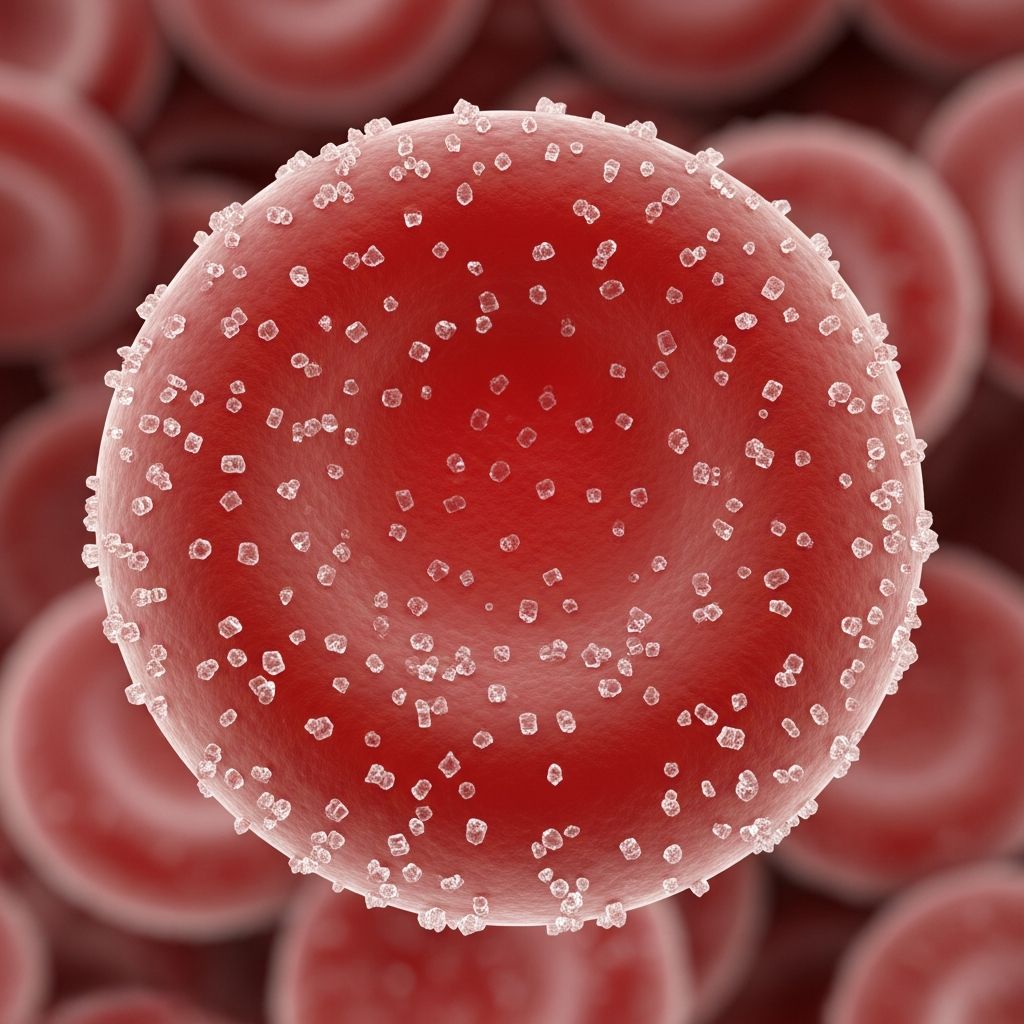
HbA1c, also known as glycated haemoglobin or A1C, provides a measure of your average blood glucose levels over the past 2 to 3 months. Unlike finger-prick tests that offer a snapshot, HbA1c reflects how well glucose has been controlled long-term, making it essential for diagnosing diabetes and monitoring management.
What is HbA1c?
HbA1c stands for haemoglobin A1c, which measures the percentage of haemoglobin (a protein in red blood cells) that has glucose attached to it. Red blood cells live for about 2-3 months, so HbA1c gives an average of blood glucose control over this period. It acts like a ‘memory’ of your glucose levels, helping healthcare teams assess diabetes control without daily testing.
The test is simple—a blood sample from a vein or finger-prick—and doesn’t require fasting. Results are reported in mmol/mol (UK standard) or percentage (%). For example, 48 mmol/mol equals 6.5%.
How is HbA1c measured?
HbA1c is measured in certified labs using standardized methods from the International Federation of Clinical Chemistry (IFCC) to ensure accuracy across tests. A small blood sample is analysed to calculate the proportion of glycated haemoglobin.
- Venous sample: Most accurate, taken from the arm.
- Finger-prick: Quick point-of-care tests available in clinics.
Standardization minimizes variability, making results reliable for diagnosis and monitoring.
What does HbA1c stand for?
HbA1c refers to haemoglobin A1c, the specific glycated form of the most common adult haemoglobin (HbA). ‘Hb’ means haemoglobin, ‘A1c’ denotes the subtype modified by glucose attachment.
What does my HbA1c result mean?
HbA1c results indicate average blood glucose:
| HbA1c (mmol/mol) | HbA1c (%) | Estimated Average Glucose (mmol/L) | Meaning |
|---|---|---|---|
| Below 48 | Below 6.5 | Below 8.6 | Normal (may not rule out diabetes) |
| 48 or above | 6.5 or above | 8.6 or above | Diabetes diagnosis |
| 42-47 | 6.0-6.4 | 7.8-8.5 | High risk (prediabetes) |
For people with diabetes, targets vary: ideally 48 mmol/mol or below for most, but individualized (e.g., under 53 mmol/mol for some). Higher levels (>58 mmol/mol) raise risks of complications like heart disease, kidney damage, and sight loss.
Diabetes diagnosis
An
HbA1c of 48mmol/mol (6.5%) or above
diagnoses diabetes, per WHO 2011 guidelines adopted in the UK. Confirm with a repeat test if no symptoms.- With symptoms (thirst, frequent urination, weight loss): Single HbA1c ≥48 mmol/mol confirms.
- No symptoms: Repeat in 2 weeks.
HbA1c between 42-47 mmol/mol indicates high risk but not diagnostic—use glucose tests or monitor.
HbA1c targets
Targets are personalized:
- Most adults: Below 48 mmol/mol (6.5%) to minimize complications.
- Some (e.g., elderly, frail): 53-59 mmol/mol to avoid hypoglycemia risks.
- Children/young people: Discuss individually.
- Pregnancy: Not applicable; use glucose monitoring.
Discuss with your healthcare team. Data shows inequalities: 68% of type 1 adults exceed 58 mmol/mol, worse in deprived areas.
Related Stories



Why is HbA1c important?
High HbA1c over time damages blood vessels, increasing risks of:
- Eye disease (retinopathy)
- Kidney failure
- Nerve damage
- Heart attack/stroke
- Foot problems
Good control reduces these by up to 50%. Regular testing (every 3-6 months) guides adjustments.
How often should HbA1c be done?
- Newly diagnosed: Every 3 months until stable.
- Stable control: Every 6-12 months.
- Poor control/changes: More frequently.
NHS recommends annual checks for all with diabetes.
Conditions affecting HbA1c
HbA1c isn’t suitable for everyone:
- Children/young people under 18
- Suspected type 1 diabetes
- Pregnancy
- Symptoms <2 months
- Acute illness/hospitalization
- Haemoglobin variants (e.g., sickle cell)
- Recent blood loss/transfusion
- Kidney/liver failure
- Steroids/medications raising glucose rapidly
Use glucose tests (fasting, OGTT) instead.
How reliable is HbA1c?
Highly reliable when standardized, less variable than glucose tests, unaffected by recent meals/stress. Predicts complications well, equivalent to glucose for retinopathy risk. Ethnic differences may affect glucose-HbA1c relationship.
How to lower HbA1c
Actions depend on type 1 or 2:
For type 2 diabetes:
- Diet: Eat more vegetables, whole grains, lean proteins; cut sugars, processed foods, red meat.
- Activity: 150 minutes moderate exercise weekly.
- Weight: Lose 5-10% if overweight.
- Medicines: Take as prescribed; discuss changes.
For type 1 diabetes:
- Insulin: Match doses to carbs/activity.
- Monitoring: Frequent checks, CGM if available.
- Lifestyle: Consistent meals, exercise.
Other tips: Manage stress, sleep well, limit alcohol (≤14 units/week), quit smoking.
HbA1c and remission
Type 2 remission: HbA1c below 48 mmol/mol without diabetes meds, per international consensus.
Frequently asked questions
Can HbA1c be too low?
Yes, below 48 mmol/mol risks hypoglycemia, especially in type 1 or on insulin. Balance is key.
Does ethnicity affect HbA1c?
Yes, variations in glucose-HbA1c relationship exist across ethnicities.
How quick can HbA1c change?
Improvements visible in 2-3 months; rapid changes from illness/meds possible.
Is HbA1c fasting required?
No, can be done anytime.
What if HbA1c doesn’t match finger-pricks?
Discuss with your team; check for conditions affecting accuracy.
References
- Use of HbA1c in the diagnosis of diabetes mellitus in the UK — John W.G. on behalf of UK Department of Health Advisory Committee on Diabetes. 2012-10-09. https://onlinelibrary.wiley.com/doi/10.1111/j.1464-5491.2012.03762.x
- New blood sugar data reveals worsening inequalities in type 1 diabetes — Diabetes UK. 2023. https://www.diabetes.org.uk/about-us/news-and-views/new-blood-sugar-data-reveals-worsening-inequalities-type-1-diabetes
- Diabetes UK Information Prescription – HbA1c — Diabetes UK. 2023-07. https://www.diabetes.org.uk/sites/default/files/2023-07/Diabetes%20UK%20Information%20Prescription%20-%20HbA1c.pdf
- New diagnostic criteria for diabetes — Diabetes UK. Accessed 2026. https://www.diabetes.org.uk/for-professionals/improving-care/clinical-recommendations-for-professionals/diagnosis-ongoing-management-monitoring/new_diagnostic_criteria_for_diabetes
- Diagnosing type 2 diabetes and identifying high-risk individuals using HbA1c — PMC. 2013. https://pmc.ncbi.nlm.nih.gov/articles/PMC3553643/
Similar Articles








Read full bio of medha deb