HDL Cholesterol: Understanding Your Good Cholesterol
Learn why HDL cholesterol is called the 'good' cholesterol and how to maintain healthy levels.

What Is HDL Cholesterol?
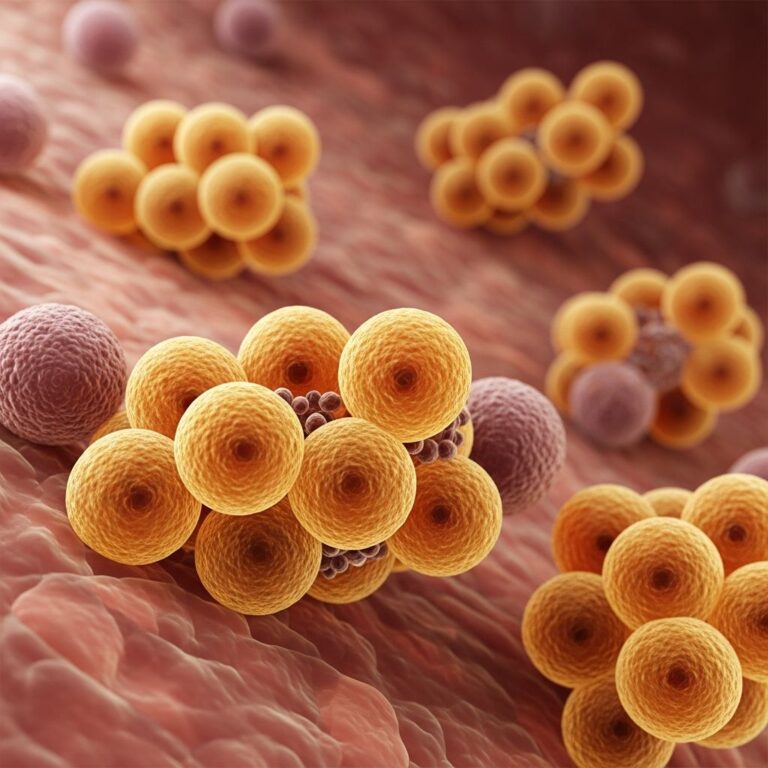
HDL stands for high-density lipoprotein, which is a particle composed of lipids and proteins that circulates through your bloodstream carrying cholesterol. Understanding what HDL cholesterol is forms the foundation for recognizing its importance in maintaining cardiovascular health. Unlike its counterpart LDL cholesterol, HDL is considered “good” cholesterol because it actively works to protect your heart and blood vessels.
Think of HDL particles as cleanup crews in your bloodstream. These particles are specifically designed to pick up excess cholesterol from your arteries and tissues, then transport it to your liver where it can be processed and eliminated from your body through your digestive system. This process is crucial for maintaining healthy cholesterol levels and preventing the accumulation of cholesterol in your arterial walls.
Why HDL Is Called “Good” Cholesterol
HDL cholesterol earned its “good” reputation because research has consistently shown that higher levels of HDL are associated with a lower risk of heart disease and stroke. Multiple large-scale epidemiological studies, including the landmark Framingham study from the 1970s and 1980s, demonstrated that individuals with higher HDL cholesterol levels had reduced cardiovascular disease risk compared to those with lower levels.
The protective benefits of HDL go beyond simply removing excess cholesterol. HDL particles perform several important functions that support cardiovascular health:
- Removes excess cholesterol from your bloodstream and arterial walls
- Transports cholesterol to your liver for breakdown and elimination
- Combat inflammation throughout your cardiovascular system
- Helps prevent abnormal blood clots from forming
- Protects the endothelium, the inner lining of your blood vessels
In contrast, LDL cholesterol (low-density lipoprotein) is considered “bad” because it deposits cholesterol in your artery walls, forming sticky plaque that narrows blood vessels and restricts blood flow to your heart and brain. A helpful memory trick is that HDL stands for “Happy” and LDL stands for “Lousy.”
Understanding Normal HDL Cholesterol Ranges
HDL cholesterol levels are measured in milligrams per deciliter (mg/dL) of blood, and normal ranges vary based on your biological sex. Your healthcare provider can easily check your HDL levels through a simple blood test as part of a comprehensive cholesterol panel.
| Category | Males | Females |
|---|---|---|
| Optimal/Healthy | 60 mg/dL or higher | 60 mg/dL or higher |
| Normal Range | 40-80 mg/dL | 50-80 mg/dL |
| Minimum Acceptable | 40 mg/dL | 50 mg/dL |
| Below Normal (Increased Risk) | Below 40 mg/dL | Below 50 mg/dL |
For children and teenagers, a normal HDL level falls between 45 and 80 mg/dL. It’s important to note that unlike LDL cholesterol, where lower is better, you actually want your HDL cholesterol to be as high as possible, ideally at 60 mg/dL or above. When your HDL cholesterol falls below the minimum acceptable levels, your risk for heart disease increases significantly.
The difference in HDL requirements between males and females reflects biological differences in cardiovascular health and risk factors. Women typically need higher HDL levels because they naturally have different hormonal profiles that affect cholesterol metabolism.
Related Stories



When HDL Levels Are Too High
While it’s generally beneficial to have higher HDL cholesterol levels, abnormally high levels may warrant attention from your healthcare provider. In rare cases, very high HDL levels can indicate an underlying condition called dyslipidemia, which represents an abnormal balance between good and bad cholesterol in your body.
Additionally, some individuals have what medical professionals call “dysfunctional HDL.” In these cases, a person may have very high levels of HDL cholesterol, but the particles don’t function properly and fail to provide cardiovascular protection. The HDL essentially circulates through the body without performing its intended function of removing excess cholesterol or providing other protective benefits.
This phenomenon highlights an important medical principle: the level of HDL cholesterol alone may not be a perfect indicator of cardiovascular risk. HDL function and quality matter just as much as quantity. Your healthcare provider can help determine whether your elevated HDL levels are genuinely protective or if there’s a functional problem that needs to be addressed.
How HDL Protects Your Heart
HDL cholesterol protects your cardiovascular system through multiple mechanisms that work together to maintain healthy arteries and optimal blood flow. The primary protective mechanism is known as reverse cholesterol transport, where HDL particles collect excess cholesterol from your bloodstream and arterial walls, then deliver it to your liver for processing and elimination.
By removing cholesterol from your arteries, HDL helps prevent the formation of atherosclerotic plaques—the buildup of fatty deposits that narrows blood vessels and restricts blood flow to your heart and brain. This reduces your risk of heart attack and stroke, two of the leading causes of death worldwide.
Beyond cholesterol removal, HDL provides additional protective benefits including anti-inflammatory effects that help calm the inflammatory response in your blood vessels, and anticoagulant properties that help prevent dangerous blood clots from forming. These pleiotropic effects make HDL a multifaceted protector of cardiovascular health.
The Relationship Between HDL and LDL Cholesterol
Understanding how HDL and LDL cholesterol work together is essential for comprehending overall cholesterol health. While HDL removes cholesterol from your arteries, LDL deposits cholesterol there. The balance between these two cholesterol types significantly influences your cardiovascular risk.
Ideally, you want your HDL cholesterol to be high (60 mg/dL or above) and your LDL cholesterol to be low (below 100 mg/dL). Your total cholesterol should be below 200 mg/dL. When these targets are met, your cardiovascular system receives optimal protection against atherosclerosis and related conditions.
If your cholesterol numbers are close to normal ranges, you may be able to manage them effectively through lifestyle and dietary changes rather than requiring medication. However, if your numbers are significantly outside normal ranges, your healthcare provider may recommend medication in addition to lifestyle modifications.
Testing Your HDL Cholesterol Levels
Your healthcare provider can check your HDL cholesterol levels with a simple blood test, typically as part of a comprehensive lipid panel. This test measures your HDL, LDL, total cholesterol, and triglycerides—giving your provider a complete picture of your cholesterol health.
Most adults should have their cholesterol checked at least once every four to six years, though those with existing heart disease, diabetes, or other risk factors may need more frequent testing. Your provider can recommend an appropriate testing schedule based on your individual health status and risk factors.
Managing Your HDL Cholesterol
If your HDL cholesterol is outside the normal range, your healthcare provider will work with you to identify the underlying cause and develop an appropriate treatment plan. Treatment strategies may include lifestyle modifications, medications, or a combination of both approaches tailored to your individual circumstances.
Lifestyle factors that can positively impact HDL cholesterol levels include regular physical exercise, maintaining a healthy weight, quitting smoking, reducing alcohol consumption, and following a heart-healthy diet rich in fruits, vegetables, and whole grains. These modifications often provide modest increases in HDL levels that can translate into meaningful reductions in your cardiovascular disease risk.
Several medications can also help raise HDL cholesterol levels when lifestyle changes alone are insufficient. Your provider will determine which treatment approach or combination is most appropriate for your specific situation and overall health profile.
The Importance of Regular Monitoring
Regular monitoring of your cholesterol levels is crucial for maintaining cardiovascular health throughout your life. Starting early is particularly important—research shows that having high cholesterol from an early age increases your future risks for cardiovascular disease. By monitoring your HDL and other cholesterol levels regularly, you and your healthcare provider can intervene early if problems develop.
Remember that your healthcare provider is your partner in managing your cholesterol health. They can answer questions about your specific results, explain what your numbers mean for your individual risk profile, and help you develop and adjust a management plan that works for your lifestyle and health goals.
Frequently Asked Questions
Q: What is the ideal HDL cholesterol level for optimal heart health?
A: The ideal HDL cholesterol level is 60 mg/dL or higher for both men and women. This level is associated with optimal cardiovascular protection and lower risk of heart disease.
Q: Can HDL cholesterol be too high?
A: While rare, abnormally high HDL levels may indicate an underlying condition or dysfunctional HDL. In these cases, HDL particles may not function properly despite high levels. Your healthcare provider can assess whether elevated HDL is truly protective or requires investigation.
Q: How often should I have my cholesterol levels checked?
A: Most adults should have cholesterol checked every four to six years. If you have heart disease, diabetes, or other risk factors, your provider may recommend more frequent testing, such as annually.
Q: Is HDL cholesterol level different for men and women?
A: Yes, the minimum acceptable HDL level differs by sex. Men should maintain at least 40 mg/dL, while women should maintain at least 50 mg/dL. Both sexes benefit from reaching the optimal level of 60 mg/dL or higher.
Q: Can lifestyle changes increase my HDL cholesterol?
A: Yes, lifestyle modifications can help increase HDL cholesterol. Regular exercise, maintaining a healthy weight, quitting smoking, limiting alcohol, and eating a heart-healthy diet can all contribute to raising HDL levels.
Q: What happens if my HDL cholesterol is below normal?
A: Low HDL cholesterol increases your risk for heart disease and stroke. Your healthcare provider will work with you to identify the cause and develop a treatment plan that may include lifestyle changes and/or medications.
References
- The Two Faces of the ‘Good’ Cholesterol — Cleveland Clinic Journal of Medicine. 2007. https://www.ccjm.org/content/74/10/697
- The Difference Between HDL and LDL Cholesterol — Cleveland Clinic Health. https://health.clevelandclinic.org/hdl-vs-ldl-cholesterol
- HDL Function, Dysfunction, and Reverse Cholesterol Transport — National Center for Biotechnology Information (NCBI). 2012. https://pmc.ncbi.nlm.nih.gov/articles/PMC3501261/
- HDL: Why It’s “Good” Cholesterol — Cleveland Clinic. https://my.clevelandclinic.org/health/articles/24395-hdl-cholesterol
- Cholesterol: Understanding Levels & Numbers — Cleveland Clinic. https://my.clevelandclinic.org/health/articles/11920-cholesterol-numbers-what-do-they-mean
- What Is Cholesterol? Types & Function — Cleveland Clinic. https://my.clevelandclinic.org/health/articles/23922-what-is-cholesterol
Similar Articles








Read full bio of medha deb