Head CT Scans: 5 Critical Uses And What To Expect
Discover how head CT scans diagnose brain injuries, strokes, tumors, and more with detailed imaging technology.
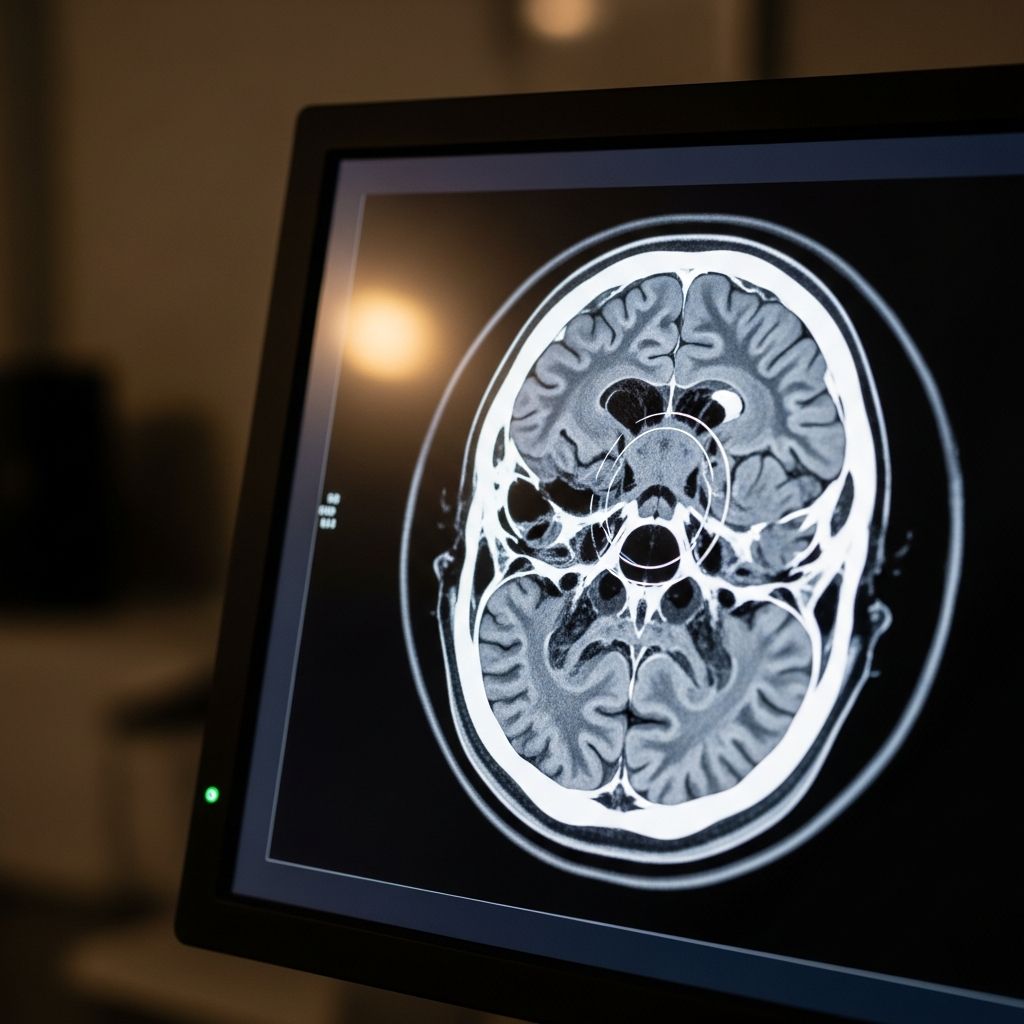
Head computed tomography (CT) scans provide detailed cross-sectional images of the brain, skull, and surrounding structures using X-rays and advanced computer processing. These scans are essential for rapid diagnosis in emergencies like trauma or stroke and for evaluating chronic conditions such as tumors or infections.
Understanding the Technology Behind Head CT Imaging
CT scanners employ a rotating X-ray tube and detectors that circle the patient’s head, capturing multiple projections from various angles. A computer reconstructs these into thin-slice images, revealing differences in tissue density—bones appear bright white, blood and soft tissues in grays, and air black. This creates a multidimensional view superior to standard X-rays for internal detail.
Advanced variants enhance specificity: CT angiography (CTA) injects contrast to visualize blood vessels, identifying aneurysms or clots; CT perfusion assesses brain blood flow to pinpoint salvageable tissue post-stroke; and CT venography maps veins for thrombosis detection.
Primary Clinical Applications of Head CT Scans
Head CTs excel in urgent scenarios, detecting acute issues quickly without invasion. Key uses include:
- Assessing head trauma for hemorrhages, fractures, or contusions.
- Evaluating sudden severe headaches suggestive of aneurysm rupture or subarachnoid bleed.
- Identifying stroke-related clots or infarcts, especially via perfusion techniques.
- Detecting brain tumors, hydrocephalus (enlarged ventricles), or skull malformations.
- Analyzing facial injuries, sinus infections, or temporal bone disorders affecting hearing.
In non-emergencies, they monitor tumor progression, plan radiotherapy, or guide biopsies. For instance, they evaluate soft tissue damage in facial trauma or sinus inflammation.
Step-by-Step Procedure: What Happens During a Head CT
Preparation is minimal; patients remove metal objects like jewelry. Fasting may be required if contrast is used. The process unfolds as follows:
- Positioning: Lie supine on a motorized table with head stabilized by straps or foam pads.
- Scout Scan: A quick topogram sets the scan range.
- Main Scan: Table glides through the doughnut-shaped gantry; hold still and breathe as instructed—scans take seconds to minutes.
- Contrast (if needed): Intravenous iodine-based dye highlights vessels or lesions; oral or rectal rarely used.
Children often scan without sedation due to speed, though anxious ones may need mild calming. Communication occurs via intercom with the technologist.
Preparation Tips and Patient Expectations
| Aspect | Details |
|---|---|
| Allergy Check | Inform about iodine or shellfish allergies; premedication possible. |
| Clothing | Wear metal-free attire; gown provided if needed. |
| Pregnancy | Discuss risks; alternatives like MRI preferred. |
| Duration | 10-30 minutes total; scan itself under 1 minute. |
| Sensations | Warm flush from contrast; machine whirs but no pain. |
Post-scan, resume activities unless sedated. Drink fluids to flush contrast; report hives or breathing issues immediately.
Interpreting Head CT Results: Key Findings Radiologists Seek
Radiologists follow a systematic approach:
Related Stories



- Blood Hunt: Hyperdense (bright white) areas indicate acute bleeds—epidural (lens-shaped), subdural (crescentic), intraparenchymal, intraventricular, or subarachnoid.
- Brain Matter: Check symmetry of sulci/gyri; loss of gray-white differentiation signals early ischemia.
- Ventricles: Measure for dilation (hydrocephalus) or midline shift from mass effect.
- Bones/Sinuses: Fractures, opacification signaling infection.
Normal scans show symmetric ventricles, clear sulci, distinct gray-white matter, no hyperdensities.
Risks, Safety, and Radiation Considerations
CT uses ionizing radiation (effective dose ~2 mSv for head, akin to background yearly exposure), with cancer risk minimal, especially justified by diagnostic benefits. Contrast risks include allergic reactions (rare) or nephropathy in kidney-impaired patients—screening mitigates this.
Pregnant women avoid unless critical; fetal shielding used otherwise. Low-dose protocols reduce exposure without quality loss, vital for pediatrics.
Comparing Head CT to Other Brain Imaging Modalities
| Modality | Strengths | Limitations | Best For |
|---|---|---|---|
| Head CT | Fast, cheap, excellent bone/bleed detection | Radiation, poor soft tissue contrast | Emergencies, trauma, stroke |
| MRI | Superior soft tissue, no radiation | Slow, expensive, claustrophobic | Tumors, MS, chronic issues |
| Ultrasound | No radiation, bedside | Limited skull penetration | Infants, vascular flow |
| PET-CT | Functional metabolism | High radiation/cost | Cancer staging, dementia |
CT remains first-line for acute settings due to speed and availability.
Recent Advances Enhancing Head CT Diagnostics
AI algorithms now automate bleed detection and stroke segmentation, boosting accuracy and speed. Dual-energy CT differentiates materials better, reducing artifacts. Portable CT units bring imaging to bedside, revolutionizing ER care.
FAQs About Head CT Scans
Is a head CT scan painful?
No, it’s painless; you lie still while the machine scans externally.
How long do results take?
Preliminary ER reads in minutes; full report within hours to days.
Can I drive after a head CT?
Yes, unless sedated or contrast causes dizziness—arrange transport if concerned.
Does contrast always cause side effects?
Most tolerate it well; metallic taste or warmth is common, severe reactions <1%.
Is head CT safe for frequent use?
Radiation accumulates, so alternatives weighed; benefits usually outweigh risks.
When to Seek a Head CT: Symptom Guide
Consult urgently for:
- Post-trauma loss of consciousness, vomiting, or confusion.
- Sudden worst-ever headache or vision changes.
- Stroke signs: facial droop, arm weakness, speech issues.
- Persistent seizures, dizziness, or personality shifts.
These scans save lives by enabling timely intervention.
References
- Head CT (Computed Tomography, CAT scan) — RadiologyInfo.org. 2023. https://www.radiologyinfo.org/en/info/headct
- How to read a head CT scan — New York-Presbyterian. 2022-10-15. https://www.nyp.org/professionals/emergency-medicine/how-to-read-emergency-images/how-to-read-a-head-ct
- Brain CT scan — Mayo Clinic. 2024-05-12. https://www.mayoclinic.org/tests-procedures/brain-ct-scan/about/pac-20587837
- 8 Conditions a Head CT Scan Can Assess or Reveal — Charlotte Radiology. 2023-08-20. https://www.charlotteradiology.com/blog/what-does-a-head-ct-show/
- Low Dose CT Scan of the Brain: what to expect — Memorial Healthcare System (YouTube). 2023. https://www.youtube.com/watch?v=3kMkiX8WR48
- Computed Tomography (CT) — National Institute of Biomedical Imaging and Bioengineering (NIBIB). 2024. https://www.nibib.nih.gov/science-education/science-topics/computed-tomography-ct
Similar Articles








Read full bio of Sneha Tete