Understanding Head Injuries: Symptoms, Care & Recovery
Complete guide to recognizing, treating, and recovering from head injuries of all severity levels.
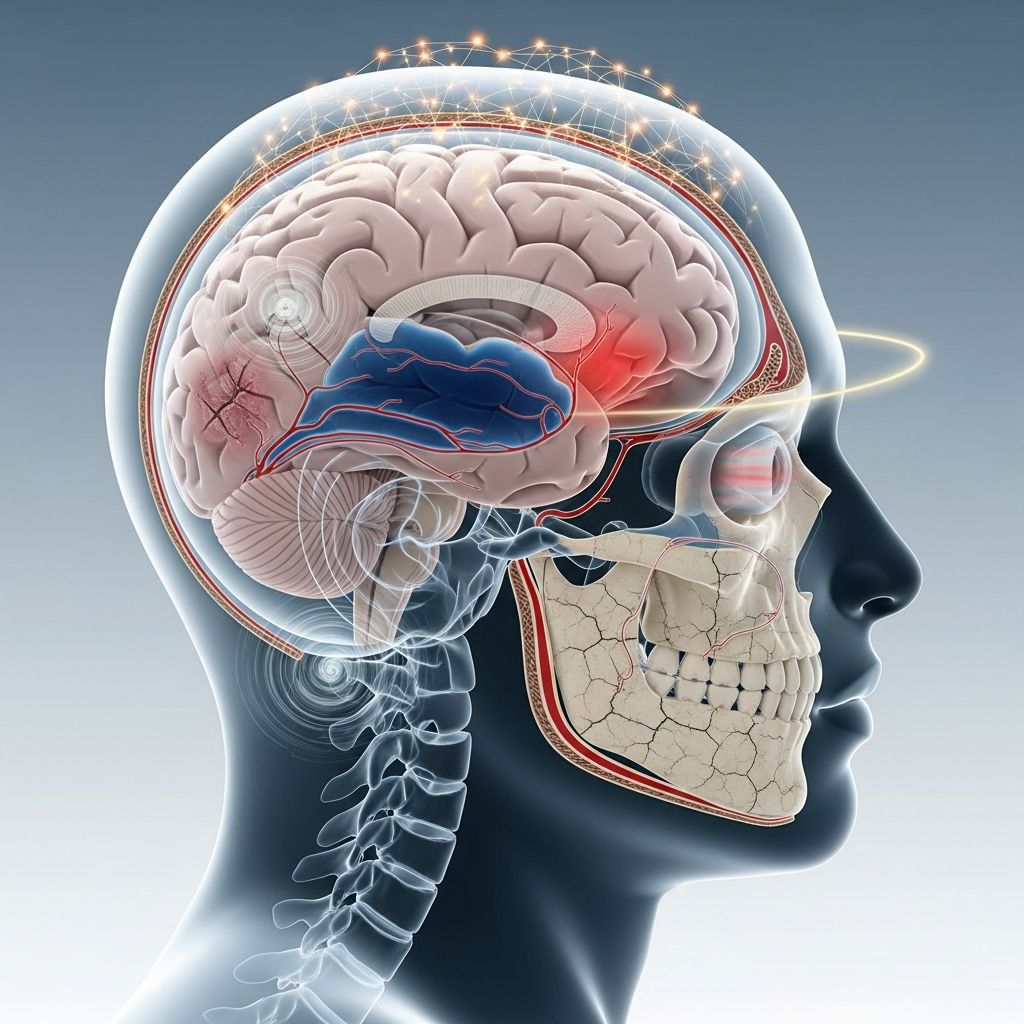
A head injury occurs when the head experiences physical trauma from a blow, fall, collision, or impact. While some head injuries are minor and resolve without intervention, others can cause significant damage to the brain and surrounding structures, potentially resulting in long-term complications or disability. Understanding the distinction between minor and serious head injuries is essential for determining appropriate care and monitoring for potential complications.
Defining Head Injury Severity Levels
Head injuries exist on a spectrum of severity. Minor head injuries may result in only visible signs such as bumps, bruises, or small lacerations on the scalp without affecting brain function. More serious injuries can involve concussion, where the impact disrupts normal brain activity, or intracranial bleeding, which requires immediate medical intervention.
The challenge with head injuries is that serious damage may not be immediately apparent. A person might feel completely normal shortly after the injury, only to develop concerning symptoms hours or even days later. This unpredictability underscores why medical evaluation is often warranted even after apparently minor head trauma.
Recognizing Physical Symptoms After Head Impact
The physical manifestations of head injury vary significantly based on injury severity. Understanding these signs helps determine whether medical attention is necessary.
Common Physical Indicators
- Visible external damage including bumps, bruises, or lacerations on the scalp or face
- Headache, ranging from mild to severe
- Nausea and vomiting, particularly if occurring more than once
- Dizziness or problems maintaining balance
- Fatigue, drowsiness, or a general sense of being slowed down
- Sensitivity to light or sound, making bright environments or loud noises particularly uncomfortable
- Problems with vision, including blurred vision, double vision, or blind spots
- Speech difficulties or slurred speech
- Ringing in the ears or hearing changes
Cognitive and Mental Changes
Beyond physical symptoms, head injuries frequently affect how the brain processes information and manages emotions. These cognitive changes can be equally concerning as physical symptoms:
- Difficulty concentrating or maintaining attention on tasks
- Memory problems affecting both short-term and long-term recall
- Confusion or disorientation about time, place, or recent events
- Feeling mentally foggy or groggy, as though thinking through a haze
- Trouble thinking clearly or processing information at normal speed
- Mood changes including irritability, anxiety, or depression
- Sleep disturbances, either sleeping significantly more or less than usual
Age-Specific Symptom Presentations
Symptoms of head injury present differently across age groups, particularly in very young children who cannot verbally communicate how they feel.
Infants and Toddlers
Young children may show behavioral changes rather than reporting symptoms directly:
- Unusual or excessive irritability and persistent crying that cannot be comforted
- Changes in eating or nursing habits, including refusal to feed
- Alterations in sleep patterns, sleeping much more or less than normal
- Increased clumsiness or unsteadiness when moving
- Loss of interest in favorite toys or regular activities
- Vomiting shortly after the injury without other apparent causes
- Appearing dazed, confused, or disoriented
Related Stories



School-Aged Children and Adolescents
Older children can communicate symptoms more directly, but may still present behavioral clues:
- Appearing stunned, dazed, or confused about recent events
- Difficulty remembering information or concentrating on schoolwork
- Answering questions more slowly than usual or delayed responses
- Increased clumsiness, unsteadiness, or loss of coordination
- Mood and personality changes including unusual sadness or irritability
- Behavioral shifts such as increased temper tantrums or withdrawn demeanor
When to Seek Emergency Medical Care
Certain symptoms require immediate emergency evaluation and should never be monitored at home. Seek emergency medical attention immediately if any of the following occur:
- Loss of consciousness or difficulty remaining awake during the day
- Vomiting more than once following the injury
- Severe or progressively worsening headache that does not improve with rest
- Confusion, disorientation, or severe memory loss
- Bleeding or clear fluid draining from the nose or ears
- Seizures or convulsions
- Weakness, numbness, or tingling in extremities
- Problems with vision, hearing, or speaking
- Loss of bladder or bowel control
- Dilation of one or both eye pupils
- Profound confusion or unusual behavior including agitation or combativeness
- Head injury involving high-speed impact or falling from more than one meter
Sensory Complications Following Head Trauma
Head injuries, particularly those affecting the base of the skull, can damage the cranial nerves that emerge directly from the brain, resulting in specific sensory problems. These complications may develop immediately or appear gradually after the initial injury:
- Loss of or altered sense of smell or taste
- Vision problems including loss of vision or persistent double vision
- Loss of sensation or paralysis of facial muscles
- Difficulty swallowing
- Persistent tinnitus or ringing in the ears
- Hearing loss or reduced hearing capacity
- Impaired hand-eye coordination
- Skin tingling, pain, or itching sensations
- Difficulty recognizing objects or faces
Minor Head Injuries: Management at Home
Not all head injuries require emergency care. Head injuries that result only in small bumps, bruises, or lacerations without symptoms of concussion or brain injury can typically be monitored at home. Characteristics of minor head injuries include being alert and interactive with normal responses.
However, even with apparently minor injuries, watch for any new symptom development. Contact a healthcare provider if new symptoms emerge or if you have concerns about the injury.
Concussion: When Brain Function Is Affected
Concussion represents a specific type of head injury in which the impact disrupts the brain’s normal functioning, usually on a temporary basis. Concussion symptoms may include headache, nausea, dizziness, vision changes, balance problems, memory difficulties, thinking changes, sleep disturbances, and emotional changes including anxiety, irritability, or sadness.
A person with concussion may have lost consciousness during the impact or experienced confusion immediately after. Symptom duration varies, with some people experiencing concussion effects for up to two weeks. Recovery typically occurs gradually, and activity restrictions may be recommended during the healing period.
Long-Term Complications and Persistent Effects
Some individuals experience lasting effects from head injuries even after initial symptoms resolve. Frequent headaches are particularly common, sometimes beginning within a week of injury and potentially persisting for several months. Other potential complications include blood vessel damage, which may lead to stroke or blood clots, and ongoing balance or coordination problems affecting daily activities.
Recovery Timeline and Expectations
Recovery from head injury varies dramatically based on injury severity. Mild head injuries without concussion may resolve within days with appropriate home care. Concussion symptoms typically improve gradually over one to two weeks, though some individuals experience longer recovery periods. More serious brain injuries may require weeks or months of recovery with potential ongoing rehabilitation needs.
Frequently Asked Questions
- How can I tell if a head injury is serious?
- Certain warning signs indicate serious injury requiring emergency care, including loss of consciousness, repeated vomiting, severe or worsening headaches, bleeding from the ears or nose, seizures, confusion, or difficulty staying awake. When in doubt, seek medical evaluation rather than assume the injury is minor.
- Should I wake someone who has a head injury and is sleeping?
- Check on the person regularly to ensure they can be awakened, but do not forcefully wake them repeatedly. If you cannot wake them or notice increasing drowsiness, seek emergency care immediately.
- Can a head injury be serious if the person feels fine initially?
- Yes. Some serious head injuries do not produce immediate symptoms. A person may feel completely normal initially but develop concerning symptoms hours or days later. This unpredictability is why medical evaluation is often prudent.
- What first aid measures should I take for a head injury?
- Apply ice packs wrapped in cloth to reduce swelling, rest in a quiet environment, and avoid strenuous activity. Seek medical care for any concerning symptoms.
- When is it safe to return to normal activities after a head injury?
- This depends on injury severity and individual recovery. Even after symptoms resolve, the brain needs time to fully recover. Healthcare providers can offer guidance on gradually returning to work, school, sports, and other activities.
Comprehensive Assessment and Professional Care
Medical professionals assess head injuries through physical examination, neurological testing, and imaging studies when indicated. Taking injury history, understanding the mechanism of injury, and monitoring for symptom development help guide appropriate management. Professional evaluation ensures that serious injuries are not missed and that proper follow-up care is provided.
Head injuries deserve respect and appropriate medical attention. While many resolve without complications, the potential for serious outcomes means that any significant head trauma warrants careful evaluation and monitoring. By understanding the signs and symptoms of head injury, knowing when emergency care is needed, and following medical guidance for recovery, individuals can optimize healing and minimize the risk of long-term complications.
References
- Traumatic brain injury – Symptoms & causes — Mayo Clinic. Accessed February 2026. https://www.mayoclinic.org/diseases-conditions/traumatic-brain-injury/symptoms-causes/syc-20378557
- Signs and Symptoms of Concussion | HEADS UP — Centers for Disease Control and Prevention. Accessed February 2026. https://www.cdc.gov/heads-up/signs-symptoms/index.html
- Head injuries – symptoms, treatments and prevention — Healthdirect. Accessed February 2026. https://www.healthdirect.gov.au/head-injuries
- Head injury and concussion — NHS. Accessed February 2026. https://www.nhs.uk/conditions/head-injury-and-concussion/
Similar Articles








Read full bio of Sneha Tete