Head Injury: Causes, Symptoms, and Treatment
Understanding head injuries: Recognition, assessment, and comprehensive care strategies.
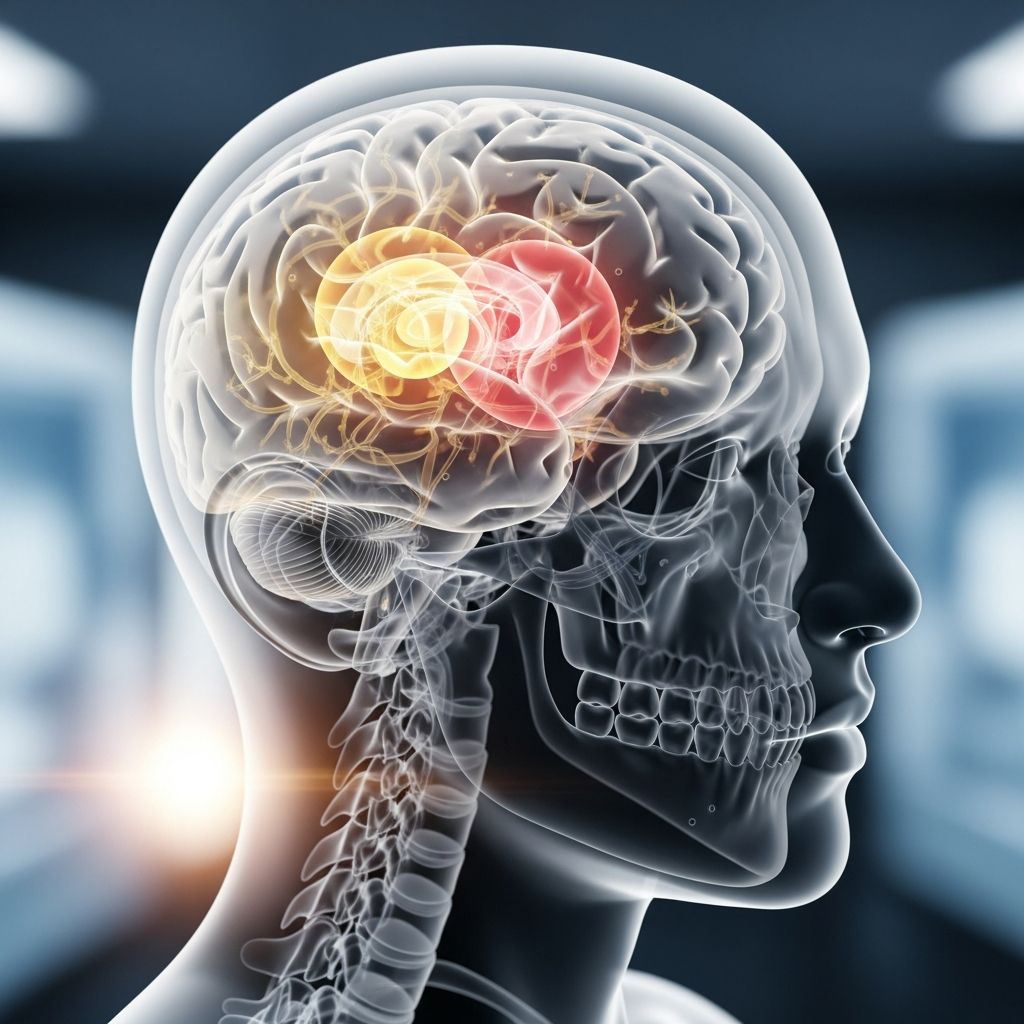
Head Injury: A Comprehensive Overview
A head injury, also known as traumatic brain injury (TBI), occurs when an external force causes damage to the brain. Head injuries range from mild concussions to severe traumatic brain injuries that can result in long-term complications. Understanding the nature of head injuries, their symptoms, and appropriate treatment is essential for patients, caregivers, and healthcare providers to ensure proper management and optimal recovery.
Head injuries are a significant public health concern affecting people of all ages. The severity of a head injury depends on the mechanism of injury, the force of impact, and individual factors such as age and overall health. Early recognition and appropriate management can significantly influence outcomes and reduce the risk of secondary brain injury.
What Is a Head Injury?
A head injury is damage to the scalp, skull, or brain resulting from trauma. Head injuries can be classified as either closed head injuries (nonpenetrating) or open head injuries (penetrating). In a closed head injury, the skull remains intact but the brain tissue inside may be damaged from the force of impact. In an open head injury, the skull is fractured or penetrated, potentially allowing direct damage to brain tissue.
The brain is protected by cerebrospinal fluid and the skull, but severe trauma can overcome these protective mechanisms. When the head experiences sudden acceleration or deceleration, the brain can shift within the skull, causing tearing of nerve fibers and damage to blood vessels. This mechanical disruption can lead to various complications depending on the injury’s severity and location.
Common Causes of Head Injury
Head injuries occur through various mechanisms, with the most common causes varying by age group:
- Falls: The leading cause of head injury in infants, young children, and older adults. Falls from heights, slips on stairs, or falls while walking can result in significant head trauma.
- Motor vehicle collisions: A primary cause of head injury in adolescents and working-age adults, particularly when occupants are unrestrained or involved in high-speed accidents.
- Blunt trauma: Injuries from sports accidents, assaults, or being struck by objects can cause head injuries of varying severity.
- Penetrating injuries: Less common but often severe, these occur when an object pierces the skull and damages brain tissue.
- Workplace injuries: Accidents in construction, manufacturing, and other hazardous environments can cause head trauma.
Types and Severity of Head Injuries
Mild Head Injuries (Concussion)
A concussion is a mild form of traumatic brain injury caused by a blow to the head or violent shaking that changes how the brain normally works. Concussions involve a physiologic brain injury associated with trauma to the head or body that sends propulsive waves to the head. Most people with concussions do not lose consciousness, though some may experience brief loss of consciousness lasting seconds to minutes. Symptoms may appear immediately or develop over hours to days.
Moderate Head Injuries
Moderate head injuries involve greater force or impact than concussions and may result in loss of consciousness lasting 15 to 30 minutes. These injuries carry increased risk of complications and typically require hospital observation and imaging studies to rule out serious intracranial injury.
Related Stories



Severe Head Injuries
Severe traumatic brain injury results in significant damage to brain tissue and is characterized by loss of consciousness lasting more than 30 minutes and post-traumatic amnesia exceeding 24 hours. Severe injuries may involve skull fractures, intracranial hemorrhage, or diffuse axonal injury. These injuries require emergency intervention and specialized neurocritical care to prevent secondary brain injury and optimize outcomes.
Symptoms and Signs of Head Injury
Immediate Symptoms
Symptoms occurring immediately after head injury include:
- Loss of consciousness or altered level of consciousness
- Confusion or disorientation
- Headache or head pain
- Dizziness or balance problems
- Nausea or vomiting
- Ringing in the ears
- Scalp wounds or bruising
Delayed Symptoms
Symptoms may develop or worsen over hours to days following injury:
- Memory problems or difficulty concentrating
- Sensitivity to light or noise
- Sleep disturbances
- Mood changes or irritability
- Increased headaches
- Difficulty with balance or coordination
Warning Signs Requiring Emergency Care
Seek immediate emergency care if you experience or observe any of the following after a head injury:
- Severe headache or worsening headache
- Repeated vomiting
- Loss of consciousness or unresponsiveness
- Confusion or disorientation that worsens
- Unusual behavior or personality changes
- Slurred speech
- Weakness or inability to move arms or legs
- Seizures
- Clear fluid or blood from ears or nose
- One pupil larger than the other
Diagnosis and Assessment
Glasgow Coma Scale
The Glasgow Coma Scale (GCS) is the primary tool used to assess consciousness and severity of brain injury. The GCS evaluates three components: eye opening, verbal response, and motor response, with scores ranging from 3 to 15. A GCS score of 13-15 indicates mild injury, 9-12 indicates moderate injury, and 3-8 indicates severe injury. During emergency assessment, particular attention is given to the motor component of the GCS, as a motor score less than 6 is a high-risk criterion warranting transport to the highest-level trauma center.
Neurological Examination
A comprehensive neurological examination includes assessment of level of consciousness, pupillary reactivity, signs of neurological deficit, and clinical indicators of skull fracture such as basilar skull fracture signs or depressed skull deformity. The examination may reveal focal neurological deficits, sensory abnormalities, or coordination problems that help localize brain injury.
Imaging Studies
Head CT scanning is the primary imaging modality for evaluating traumatic head injury. A head CT scan is needed for adult trauma patients with an external-force injury mechanism to the head who present with altered mental status, loss of consciousness, post-traumatic amnesia, or focal neurologic deficit. For children, validated decision rules such as the PECARN (Pediatric Emergency Care Applied Research Network) criteria guide imaging decisions to minimize unnecessary radiation exposure while ensuring serious injuries are not missed.
MRI may be used in certain circumstances to assess for diffuse axonal injury or to evaluate patients with persistent symptoms despite normal CT findings.
Blood-Based Biomarkers
Emerging blood biomarkers can assist in identifying traumatic brain injury and predicting outcomes. These biomarkers may help clinicians make more informed decisions about imaging and monitoring, though clinical examination and imaging remain the foundation of diagnosis.
Special Considerations for Older Adults
Older adults require special attention following head injury. The Centers for Disease Control and Prevention (CDC) recognizes that older adults have increased vulnerability to brain injury due to age-related changes in the brain, frailty, and medication effects. Many older adults take anticoagulant or antiplatelet medications that increase bleeding risk. Additionally, cerebral atrophy in older adults permits accumulation of initially asymptomatic traumatic hemorrhage, meaning serious injuries may not immediately manifest symptoms. Comorbidities such as dementia, stroke history, or other chronic conditions can complicate assessment. Therefore, clinicians should maintain a high index of suspicion for TBI in older adults with significant head impact following even low-level falls.
Management and Treatment
Emergency Care
Initial assessment in the emergency department follows the principles of Advanced Trauma Life Support (ATLS) and includes evaluation of level of consciousness via GCS, pupillary reactivity, and signs of neurological deficit. Throughout the clinical course, level of consciousness is monitored with GCS and pupillary reactivity as the main pillars of basic clinical neuromonitoring. Clinical neuromonitoring with repeat CT scanning comprises the main components of assessment to detect changes in the patient’s condition and prompt therapeutic interventions.
Acute Management
Management focuses on preventing secondary brain injury through careful monitoring and intervention: Emergency medical services clinicians transport patients with suspected TBI and high-risk criteria, including GCS motor score less than 6, GCS total score less than 13, skull deformity or suspected skull fracture, signs of basilar skull fracture, penetrating head injury, or caregiver report of baseline behavior change in infants or children, to the highest-level trauma center. Appropriate monitoring equipment assesses blood pressure, pulse, and oxygen saturation in the prehospital setting.
Hospital-Based Care
Hospitalized patients require continuous monitoring for clinical deterioration. Therapeutic interventions aim to maintain adequate cerebral perfusion, oxygenation, and prevent intracranial pressure elevation. Management strategies may include head elevation, sedation, analgesia, management of fever, and prevention of secondary complications such as infection or deep vein thrombosis.
Rehabilitation
Early multidisciplinary rehabilitation is crucial for recovery from moderate to severe traumatic brain injury. Rehabilitation teams typically include physiatrists, neuropsychologists, speech-language pathologists, occupational therapists, physical therapists, and social workers. Rehabilitation addresses physical impairments, cognitive deficits, emotional problems, and behavioral issues to optimize functional recovery and community reintegration.
Post-Acute Complications
Post-Traumatic Epilepsy
Post-traumatic epilepsy is a significant complication of moderate to severe head injury, with risk depending on injury severity and characteristics. Prophylactic antiepileptic medications may be considered in high-risk patients during the acute hospitalization period.
Other Complications
Additional complications of head injury include post-concussive syndrome, depression, anxiety, post-traumatic stress disorder, sleep disorders, hormonal abnormalities, headaches, vision problems, and balance disorders. These complications may emerge acutely or develop during recovery and significantly impact quality of life and functional outcomes.
Recovery and Prognosis
Recovery from head injury is highly variable and depends on injury severity, age, pre-injury health status, and quality of rehabilitation and support. Most people with mild head injuries recover completely within a few weeks, though some experience persistent post-concussive symptoms. Recovery from moderate to severe injuries typically extends over months to years, with maximum neurological recovery often occurring within the first 6-12 months but continuing improvement possible for longer periods through neuroplasticity and rehabilitation.
Factors influencing recovery include the extent of initial brain damage, presence of complications such as hemorrhage or skull fracture, early comprehensive rehabilitation, family support and involvement, and adherence to recovery recommendations.
Prevention
Many head injuries are preventable through:
- Motor vehicle safety: Using seat belts, car seats for children, and avoiding distracted or impaired driving
- Fall prevention: Maintaining home safety, using assistive devices, addressing balance problems, and ensuring adequate lighting
- Sports safety: Using appropriate protective equipment, following proper technique, and following concussion protocols
- Workplace safety: Using required protective equipment and following safety protocols in hazardous occupations
- Violence prevention: Avoiding risky situations and accessing support for domestic violence or assault concerns
When to Seek Medical Care
Seek immediate emergency care for any head injury with loss of consciousness, severe headache, vomiting, confusion, obvious skull deformity, or focal neurological symptoms. Seek prompt medical evaluation for moderate head impacts even without obvious symptoms, as serious injury can develop after initial assessment. For mild head injuries without concerning features, follow-up evaluation should occur if symptoms worsen or persist beyond expected recovery timeframe.
Frequently Asked Questions
Q: How long does recovery from a head injury take?
A: Recovery time varies significantly based on injury severity. Mild concussions typically resolve within 1-3 weeks, moderate injuries may require several weeks to months, and severe injuries often involve recovery extending over 6-12 months or longer with ongoing improvement possible through rehabilitation and neuroplasticity.
Q: Can you have a serious head injury without losing consciousness?
A: Yes. Many serious head injuries do not involve loss of consciousness. Altered mental status, confusion, severe headache, vomiting, or focal neurological deficits can indicate serious injury even when consciousness is maintained. Any concerning symptoms warrant medical evaluation.
Q: What is post-concussive syndrome?
A: Post-concussive syndrome refers to persistent symptoms occurring after a concussion, including headache, dizziness, concentration difficulties, memory problems, and mood changes lasting beyond the typical recovery period. This condition can significantly impact daily functioning and quality of life.
Q: Should I use CT or MRI imaging for head injury evaluation?
A: CT is the standard initial imaging for acute head injury evaluation because it is rapid and sensitive for detecting acute hemorrhage and skull fractures. MRI may be used in certain circumstances to evaluate diffuse axonal injury or assess patients with persistent symptoms despite normal CT findings.
Q: What role does rehabilitation play in recovery?
A: Early multidisciplinary rehabilitation is essential for optimizing recovery from moderate to severe head injury. Rehabilitation addresses physical, cognitive, emotional, and behavioral impairments through coordinated therapy, education, and support to maximize functional independence and community reintegration.
Q: Are older adults at higher risk for complications after head injury?
A: Yes. Older adults are at increased risk due to cerebral atrophy, anticoagulant medications, comorbidities, and age-related physiologic changes. Serious injuries may develop asymptomatically in older adults, warranting lower thresholds for imaging and careful monitoring.
References
- Best Practices Guidelines: The Management of Traumatic Brain Injury — American College of Surgeons. 2024. https://www.facs.org/media/vgfgjpfk/best-practices-guidelines-traumatic-brain-injury.pdf
- Brain Injury — Johns Hopkins University. 2024. https://pure.johnshopkins.edu/en/publications/brain-injury/
- Healing the Traumatized Brain: A Comprehensive Guide to Recovery from Concussion and Other Brain Injuries — Johns Hopkins University Press. 2024. https://www.press.jhu.edu/books/title/12359/healing-traumatized-brain
- Traumatic Brain Injury — Johns Hopkins Guides. 2024. https://www.hopkinsguides.com/hopkins/search?catcode=481&st=OSS&search=Traumatic+Brain+Injury
Similar Articles








Read full bio of Sneha Tete