Head Injury: Types, Symptoms, Causes & Treatments
Comprehensive guide to head injuries: understand types, recognize symptoms, and explore evidence-based treatment options.
Understanding Head Injuries: A Comprehensive Guide
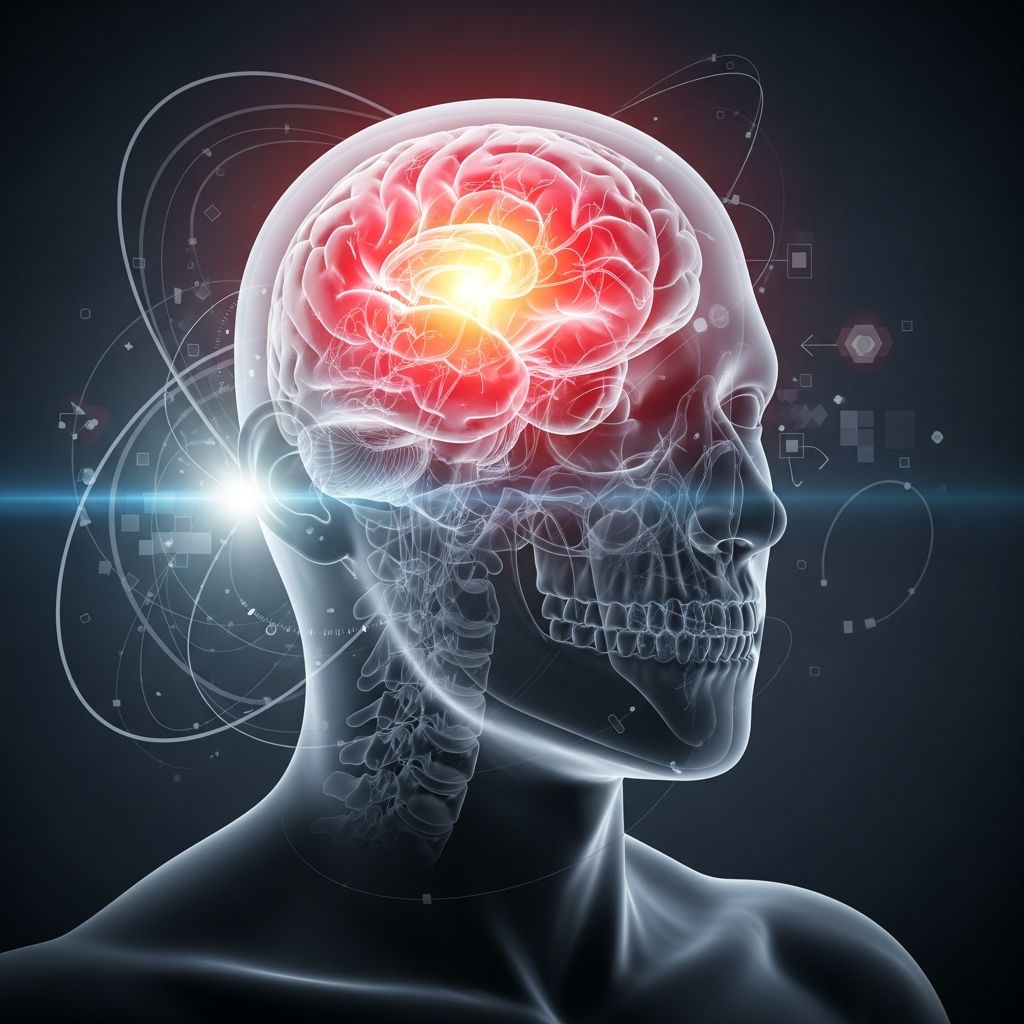
A head injury occurs when trauma to the head results in damage to the brain, skull, or scalp. Head injuries range from minor bumps that cause no lasting damage to severe traumatic brain injuries that can result in permanent disability or death. Whether you experience a head injury from a fall, motor vehicle accident, sports collision, or other trauma, understanding the nature of your injury is crucial for proper recovery and long-term health outcomes.
Types of Head Injuries
Head injuries are classified into several categories based on severity and mechanism of injury. Understanding these distinctions helps healthcare providers determine appropriate treatment and recovery timelines.
Closed Head Injuries
Closed head injuries occur when the skull remains intact, but the brain experiences trauma from the force of impact. The brain may move within the skull, causing bruising, bleeding, or swelling. Common closed head injuries include concussions, contusions, and diffuse axonal injuries. These injuries are prevalent in sports-related accidents, falls, and motor vehicle collisions.
Open Head Injuries
Open head injuries involve a break in the skull and penetration of the brain tissue. These injuries occur when a sharp object, such as a bullet, penetrates the skull or when blunt force causes the skull to fracture with bone fragments entering the brain. Open head injuries typically require immediate surgical intervention and carry a higher risk of infection and serious complications.
Concussions
A concussion is a type of traumatic brain injury that occurs when your brain bounces or twists within the skull following a blow to the head. This movement causes chemical changes and can damage brain cells, leading to various symptoms that may develop immediately or over several hours. Concussions are among the most common head injuries, particularly in sports and recreational activities.
Skull Fractures
A skull fracture is a break in one or more of the bones that form the skull. These fractures can be linear (simple breaks), depressed (inward denting), or comminuted (multiple fragments). While some skull fractures heal without intervention, others may require surgical repair, especially if bone fragments press on the brain.
Who Is at Risk for Head Injuries?
While anyone can experience a head injury, certain groups have increased risk factors that make them more vulnerable to head trauma.
High-risk groups include:
– Infants and young children, who are susceptible to falls from changing tables, beds, and furniture- Adolescents and young adults involved in contact sports or high-risk recreational activities- Older adults who have increased fall risk due to balance problems, vision changes, and medication side effects- People with a history of previous head injuries or neurological conditions- Individuals with substance use disorders that impair judgment and coordination- Workers in occupations involving heights, machinery, or moving vehicles- People with seizure disorders who may fall unexpectedly
Common Causes of Head Injuries
Head injuries result from various mechanisms, and understanding these causes can help you take preventive measures.
Falls
Falls are the leading cause of head injuries across all age groups. Seniors face particular risk due to balance problems and medication effects, while young children may fall from furniture, stairs, or playground equipment. Workplace falls from heights also contribute significantly to head injury statistics.
Motor Vehicle Accidents
Car crashes, motorcycle accidents, and pedestrian-vehicle collisions frequently result in head injuries. The force of impact can cause the brain to move within the skull, leading to various types of traumatic brain injuries. Proper use of seat belts and helmets significantly reduces head injury risk.
Related Stories



Sports and Recreation
Contact sports such as football, hockey, and boxing carry inherent head injury risks. Non-contact sports like cycling, skateboarding, and skiing also pose significant risk, particularly when protective equipment is not used.
Assaults and Violence
Intentional head trauma from physical assault or violence can cause severe head injuries. These injuries often require immediate emergency care and may have serious long-term consequences.
Workplace Injuries
Workers in construction, manufacturing, or other physically demanding jobs may experience head injuries from falls, equipment accidents, or struck-by incidents.
Recognizing Head Injury Symptoms
Head injury symptoms vary depending on the injury’s severity and location. Symptoms may appear immediately after the injury or develop gradually over hours or days.
Immediate Symptoms
Following head trauma, you may experience loss of consciousness, severe headache, confusion, dizziness, nausea, or vomiting. These immediate symptoms require prompt medical evaluation, as they may indicate a serious injury requiring emergency treatment.
Short-Term Symptoms
In the days following a head injury, you might develop irritability, sensitivity to light or noise, difficulty concentrating, memory problems, or fatigue. Sleep disturbances and mood changes are also common in the acute recovery phase.
Long-Term Symptoms
Some head injury survivors experience persistent symptoms including chronic headaches, memory loss, slurred speech, balance problems, or emotional changes. These symptoms may persist for weeks, months, or longer, depending on injury severity and individual recovery factors.
Diagnosis of Head Injuries
Accurate diagnosis is essential for determining appropriate treatment and predicting recovery outcomes. Healthcare providers use multiple diagnostic approaches to evaluate head injuries comprehensively.
Physical Examination
Your healthcare provider will perform a thorough physical examination, checking your head and neck for visible injuries, bruising, or tenderness. They will ask detailed questions about how the injury occurred, what symptoms you’re experiencing, and when symptoms began. Tell your provider about the exact timing of symptom onset relative to the injury, as this information helps determine injury severity.
Neurological Examination
The neurological exam assesses brain function by testing reflexes, balance, coordination, vision, hearing, and mental status. This examination includes evaluation of attention, memory, orientation, and cranial nerve function. These tests help identify specific areas of brain involvement.
Imaging Tests
Several imaging techniques help visualize head injury damage:
– CT Scans: Computed tomography provides rapid imaging to detect skull fractures, bleeding, or brain swelling- MRI: Magnetic resonance imaging offers detailed brain tissue imaging, particularly useful for identifying diffuse axonal injuries- X-rays: Skull X-rays help identify fractures, particularly in the skull base
Diagnostic Criteria
The New Orleans Criteria help determine when head imaging is warranted. A CT scan of the head is recommended if you present with severe headache, vomiting, age over 60, drug or alcohol intoxication, short-term memory deficits, physical trauma evidence above the clavicles, or seizures. These evidence-based criteria help guide appropriate diagnostic imaging decisions.
Treatment Approaches for Head Injuries
Head injury treatment depends on the specific type of injury and its severity. Healthcare providers tailor treatment plans to individual needs and injury characteristics.
Mild Head Injuries
Mild head injuries, including most concussions, typically improve with rest and conservative care. Your provider may recommend over-the-counter pain relievers for headaches and suggest limiting activities while your brain heals. Rest is crucial—both physical rest from strenuous activities and cognitive rest from mentally demanding tasks. Follow-up appointments help monitor your recovery progress.
Moderate Head Injuries
Moderate head injuries may require hospitalization for observation and monitoring. Your healthcare team will watch for complications like increased intracranial pressure, brain bleeding, or swelling. Medications may be prescribed to manage symptoms, control inflammation, or prevent secondary injury. Physical and cognitive rest remain important components of recovery.
Severe Head Injuries
Severe traumatic brain injuries often require emergency surgery to address bleeding, reduce pressure inside the skull, or repair brain tissue damage. Surgery goals include minimizing secondary brain damage from inflammation, bleeding, or reduced oxygen supply. Following surgery, patients typically require intensive care unit monitoring and long-term rehabilitation.
Surgical Interventions
Surgery may be necessary when head injury damage requires direct intervention. Your surgeon will explain which procedure is needed and recovery expectations.
When Surgery Is Indicated
Surgical intervention is considered for:
– Significant brain bleeding (epidural, subdural, or intracerebral hematomas)- Depressed skull fractures with bone fragment impingement on brain tissue- Severe brain swelling unresponsive to medical management- Open head injuries requiring wound closure and tissue repair- Increased intracranial pressure that cannot be controlled through medical means
Rehabilitation and Recovery
Rehabilitation is an essential component of head injury treatment, particularly for moderate to severe injuries. Comprehensive rehabilitation addresses physical, cognitive, and emotional recovery needs.
Physical Therapy
Physical therapists help restore balance, coordination, strength, and motor function. Therapy sessions gradually progress from bed mobility exercises to walking, stairs, and community-level activities. Therapists address walking abnormalities, weakness, or coordination problems resulting from brain injury.
Occupational Therapy
Occupational therapists focus on restoring ability to perform daily living activities such as dressing, bathing, eating, and meal preparation. They teach adaptive techniques and recommend environmental modifications to maximize independence and safety.
Speech and Language Therapy
Speech therapists address communication difficulties, swallowing problems, or cognitive-communication disorders. Therapy may focus on improving speech clarity, language comprehension, voice quality, or swallowing safety.
Cognitive Rehabilitation
Cognitive rehabilitation helps address memory problems, attention difficulties, executive function impairments, and processing speed issues. Therapists teach compensatory strategies and use targeted exercises to improve brain function.
Psychological Support
Counseling and psychological support help address emotional challenges, depression, anxiety, and adjustment difficulties following head injury. Mental health professionals help you and your family cope with changes and develop effective coping strategies.
Prevention of Head Injuries
Many head injuries are preventable through appropriate safety measures and risk awareness.
At Home
Prevent falls by removing trip hazards, ensuring adequate lighting, installing handrails, and using non-slip surfaces. Store items at safe heights to avoid reaching or bending. Use appropriate ladders and step stools, never stand on chairs or boxes.
In Vehicles
Always wear your seat belt and ensure passengers do the same. Use appropriate car seats for young children and booster seats for older children. Never drive under the influence of alcohol or drugs, and avoid distracted driving.
During Sports and Recreation
Wear appropriate protective equipment including helmets for cycling, skateboarding, skiing, and contact sports. Choose well-maintained equipment that fits properly. Follow sports safety rules and use proper technique for your activity.
Workplace Safety
Follow workplace safety protocols, use required protective equipment, and maintain awareness of hazards. Report unsafe conditions and participate in safety training programs.
Frequently Asked Questions
How long does it take to recover from a head injury?
Recovery time varies significantly depending on injury severity. Mild concussions may resolve in days to weeks with appropriate rest. Moderate injuries typically require several weeks to months for recovery. Severe traumatic brain injuries may involve recovery periods extending months to years, with some individuals experiencing permanent effects. Individual recovery rates depend on age, overall health, injury severity, and rehabilitation engagement.
Can I return to sports after a head injury?
Return-to-sport decisions require medical clearance and should follow a gradual, progressive protocol. Most concussion protocols recommend at least several days of rest before beginning any return-to-activity progression. Your healthcare provider will determine when you’re ready to progress through activity levels and eventually return to full participation. Rushing return to play increases risk of additional injury and complications.
What is second impact syndrome?
Second impact syndrome occurs when someone receives a subsequent head injury before fully recovering from a previous concussion. This rare but potentially catastrophic condition can cause rapid brain swelling and loss of autoregulatory control, leading to severe complications. Proper concussion management, including appropriate recovery time before return to activity, helps prevent this serious condition.
Are there long-term effects of head injuries?
Some head injury survivors experience persistent long-term effects including chronic headaches, memory problems, mood changes, or cognitive difficulties. However, most people with mild to moderate injuries recover fully without lasting effects. Severe traumatic brain injuries carry higher risk of permanent disability, though significant recovery can occur with intensive rehabilitation. Individual outcomes vary considerably.
When should I seek emergency care?
Seek immediate emergency care if you experience loss of consciousness, severe headache, repeated vomiting, seizures, clear fluid from nose or ears, slurred speech, inability to wake, or severe dizziness. These symptoms may indicate serious injury requiring urgent evaluation and treatment.
References
- Head Injury: Types, Symptoms, Causes & Treatments — Cleveland Clinic. Last reviewed 2024-08-21. https://my.clevelandclinic.org/health/diseases/head-injury
- Concussion: Evaluation and Management — Cleveland Clinic Journal of Medicine. 2015. https://www.ccjm.org/content/84/8/623
- Traumatic Brain Injury Treatment Services — Cleveland Clinic. https://my.clevelandclinic.org/services/traumatic-brain-injury-treatment
- Concussion Protocol for Kids and Adults — Cleveland Clinic Health. https://health.clevelandclinic.org/concussion-protocol
- TBI (Traumatic Brain Injury): What It Is, Symptoms & Treatment — Cleveland Clinic. https://my.clevelandclinic.org/health/diseases/8874-traumatic-brain-injury
Similar Articles








Read full bio of Sneha Tete