Head Lice Treatment And Prevention: Complete Guide
Discover effective strategies to identify, treat, and prevent head lice infestations for lasting relief and family protection.
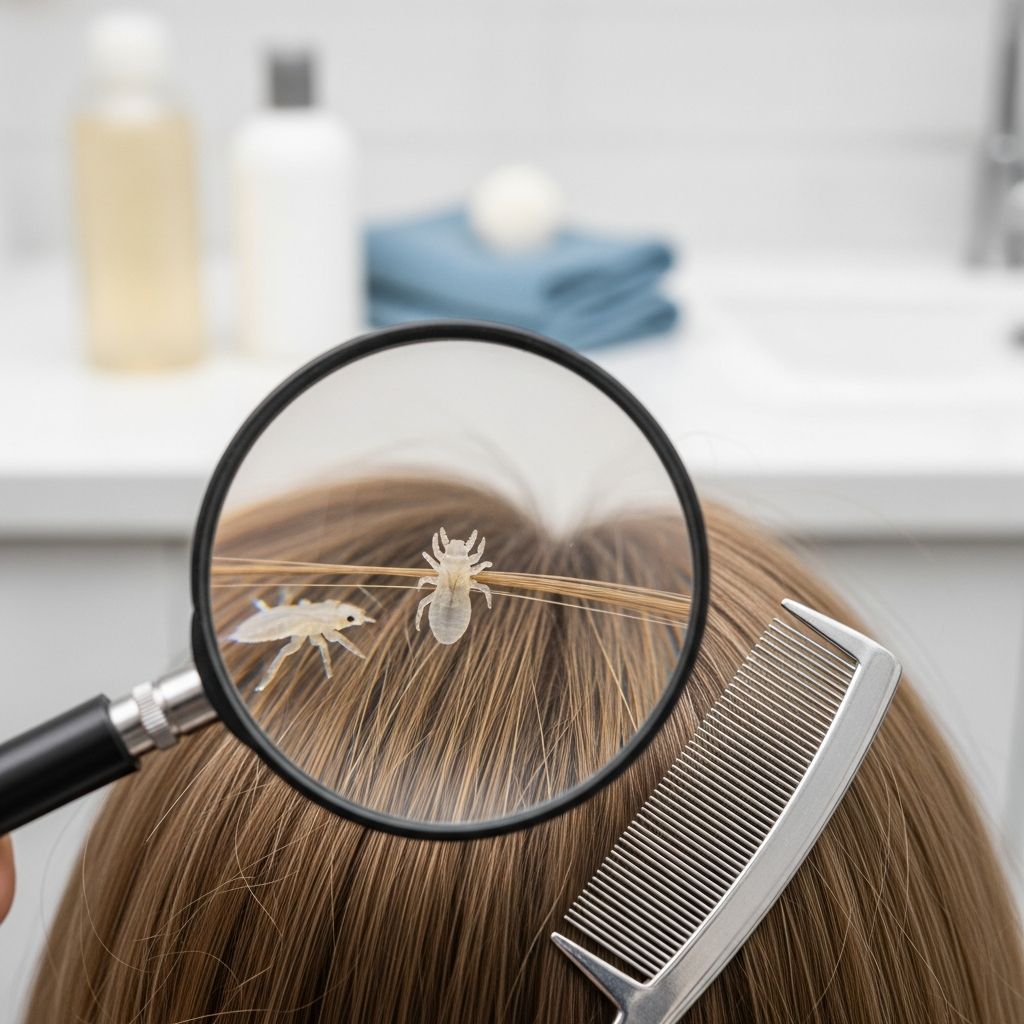
Head lice represent a widespread parasitic issue primarily affecting children, though anyone can experience an infestation. These tiny insects reside on the human scalp, feeding on blood and laying eggs known as nits. Prompt identification and appropriate intervention are crucial to halt spread within households and communities.
Understanding the Nature of Head Lice
Head lice, scientifically termed Pediculus humanus capitis, are wingless parasites about the size of a sesame seed. They cannot fly or jump but crawl rapidly from one host to another. Females deposit 3-10 eggs daily, gluing them firmly to hair shafts near the scalp where warmth facilitates hatching in 7-10 days. Nymphs mature into adults within two weeks, perpetuating the cycle if untreated.
Unlike body lice, head lice do not transmit diseases, posing no systemic health risks beyond discomfort. Infestations occur across all socioeconomic levels, debunking myths of poor hygiene causation. Animals do not harbor human head lice, limiting reservoirs to human hosts.
Recognizing Signs of Infestation
Early detection hinges on vigilant scalp examination. Common indicators include:
- Persistent itching, especially at the nape, behind ears, or crown, stemming from saliva-induced allergic reactions.
- Visible nits: oval, pearl-like deposits 0.8mm long, cemented 1/4 inch from scalps, distinguishable from dandruff by immovability.
- Crawling lice: translucent gray-brown adults or nymphs spotted under magnification.
- Secondary effects: red bumps, sores from scratching, potential bacterial infections, or sleeplessness due to nocturnal activity.
Not all cases itch immediately; symptoms may lag 4-6 weeks in first-time hosts. Use bright lighting and fine-tooth combs for checks. Apply conditioner to immobilize lice temporarily, parting sections systematically.
How Head Lice Spread
Transmission demands direct head-to-head contact, thriving in crowded settings like schools, camps, or playdates. Children aged 3-11 face highest risk due to proximity during games.
Fomites like hats, combs, or bedding pose minimal risk since lice survive off-host only 1-2 days sans blood meals. Shared items in recent use (within 48 hours) occasionally contribute, but crawling transfer dominates. Overcrowded households amplify household spread.
| Transmission Mode | Risk Level | Prevention Tip |
|---|---|---|
| Head-to-head contact | High | Avoid close play in outbreaks |
| Shared hats/scarves | Low | Don’t share personal items |
| Bedding/towels | Very Low | Wash after exposure |
| Animals/pets | None | No action needed |
Effective Treatment Options
Treatment targets live lice and viable nits. Begin upon confirming active infestation via live specimens. Screen and simultaneously treat all close contacts sharing beds or households to avert ping-pong reinfestation.
Over-the-Counter (OTC) Pediculicides:
- Permethrin 1% lotion: Kills lice; may require nit combing and 7-10 day retreatment.
- Pyrethrins with piperonyl butoxide: Natural extracts effective against lice but not always eggs.
Prescription Alternatives: For resistance or failures.
- Ivermectin 0.5% lotion: Kills lice and nits; single application often suffices.
- Spinosad 0.9% suspension: Neurotoxin targeting lice nervous systems.
- Malathion 0.5% lotion: Ovicide properties; flammable, avoid heat sources.
- Benzyl alcohol 5% lotion: Suffocates lice via asphyxiation.
Follow labels precisely; avoid recent conditioner use pre-application, as it dilutes efficacy. Consult providers for infants under 2, pregnant individuals, or treatment failures. Resistance to permethrins rises, necessitating switches.
Related Stories



Non-Chemical Removal Techniques
Mechanical methods complement or substitute chemicals, ideal for sensitivities or resistance.
Wet Combing Protocol
- Apply abundant conditioner to damp hair.
- Comb section-by-section with detector comb (teeth <0.3mm apart), wiping on paper towels.
- Repeat daily/every 3 days for 2 weeks post-last louse.
The conditioner paralyzes lice, easing capture. Persistence yields 95%+ success sans resistance risks.
Manual Nit Picking
Post-medication, remove nits with forceps or combs under magnification. Focus on 1/4-1/2 inch from scalps, as warmth hatches farther ones.
Environmental Cleanup Essentials
Lice off-host perish quickly, minimizing deep cleans. Focus efforts:
- Machine wash/dry (130°F+) clothes, bedding, towels used 2 days pre-treatment.
- Seal non-washables in plastic 2 weeks.
- Soak combs/brushes in 130°F water 10 minutes.
- Vacuum furniture/carpets; discard bag.
Discard no items; avoid ineffective suffocants like oils/mayonnaise lacking evidence.
Common Treatment Pitfalls and Solutions
Failures stem from:
- Misdiagnosis: Confusing nits (empty post-hatch) with live eggs.
- Incomplete regimens: Skipping retreats or contacts.
- Resistance: Switch agents; combine mechanical.
- Reinfestation: Untreated peers.
If persistent post two attempts, seek dermatologist evaluation.
Prevention Strategies for Long-Term Control
Proactive measures curb outbreaks:
- Hairstyles: Braids, buns limit contact.
- Item hygiene: No sharing brushes, helmets.
- Routine screening: Weekly checks in high-risk seasons.
- Educational alerts: Monitor school notices.
- Repellents: Limited efficacy; prioritize barriers.
Post-treatment, daily checks for 2-3 weeks confirm clearance.
When to Consult Healthcare Professionals
Seek advice for:
- Infants, pregnant/nursing.
- Secondary infections.
- Failed OTC trials.
- >20 live lice post-treatment.
Dermatologists prescribe tailored regimens, confirming diagnoses. Schools often allow return post-first treatment sans nits.
Frequently Asked Questions (FAQs)
Can head lice live in my home without people?
No, they require human blood and survive off-host maximally 48 hours.
Are home remedies like essential oils effective?
Evidence lacks; they supplement but do not replace proven pediculicides.
How soon after treatment can my child return to school?
Typically immediately if no live lice, per guidelines; nits alone often permissible.
Do lice prefer dirty hair?
No correlation; they grip any hair equally.
Is nit removal necessary after medication?
Yes, to prevent misdiagnosis of hatched nits as active.
References
- Treatment of Head Lice — Centers for Disease Control and Prevention (CDC). 2023. https://www.cdc.gov/lice/treatment/index.html
- Head Lice Causes, Symptoms, and ENT/at-home Treatments — Berger Henry ENT. 2024. https://www.bergerhenryent.com/head-lice-causes-symptoms-and-ent-in-home-treatments/
- Head lice – Symptoms & causes — Mayo Clinic. 2024-02-14. https://www.mayoclinic.org/diseases-conditions/head-lice/symptoms-causes/syc-20356180
- Head Lice: Symptoms and Treatment — Dermatology of Southeastern Ohio. 2023. https://www.dermatologyofsoutheasternohio.com/conditions/head-lice
- Head lice – including symptoms treatment and prevention — SA Health (Government of South Australia). 2024. https://www.sahealth.sa.gov.au/wps/wcm/connect/public+content/sa+health+internet/conditions/bites+stings+and+pests/head+lice+-+including+symptoms+treatment+and+prevention
- Head Lice Signs & Treatment — Children’s Minnesota. 2023. https://www.childrensmn.org/educationmaterials/parents/article/8315/head-lice-signs-treatment/
Similar Articles








Read full bio of Sneha Tete