Head Lice: Signs, Symptoms, And Treatment Guide
Complete guide to identifying, treating, and preventing head lice infections effectively.
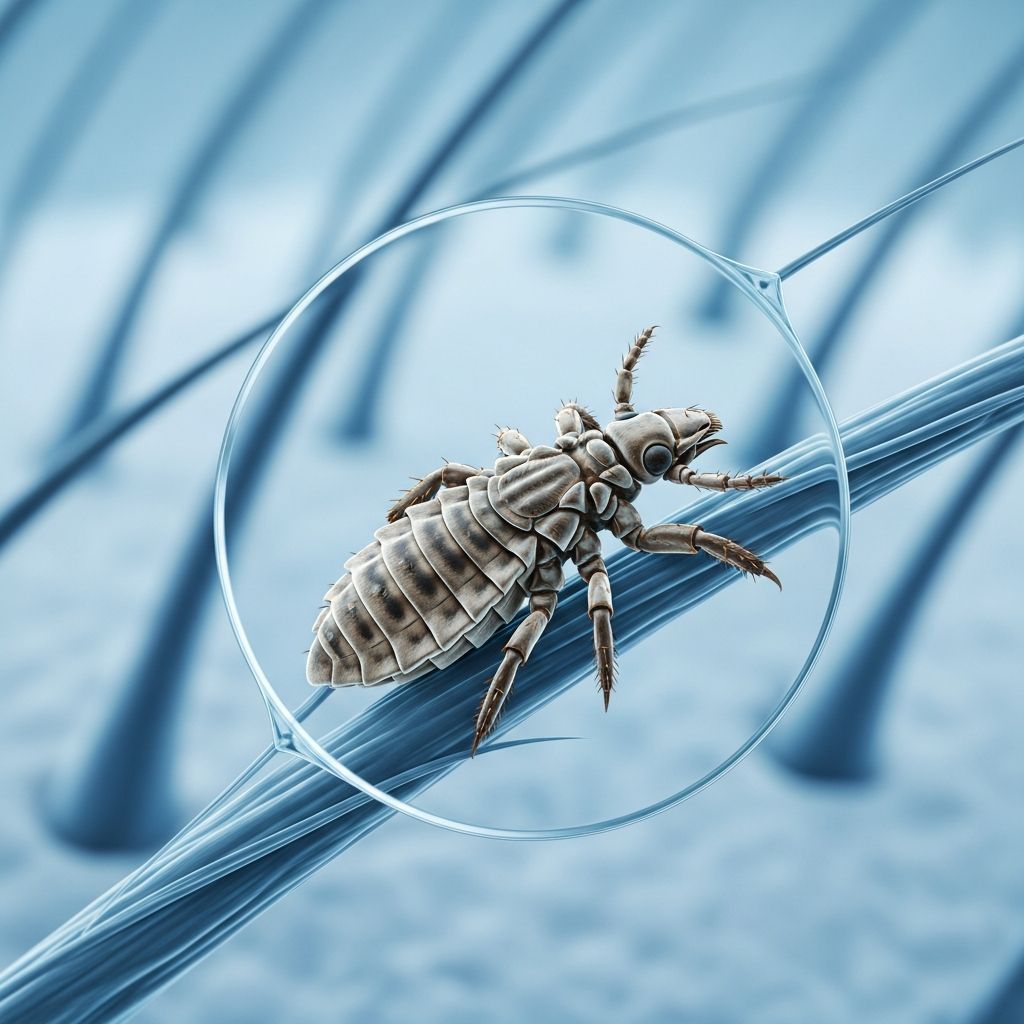
Head Lice: Signs, Symptoms & Treatment
Head lice are small insects that live in human hair and feed on blood from the scalp. While they are not dangerous and do not spread diseases, head lice infestations can cause significant discomfort and social concerns, particularly in school-aged children. Understanding the signs, symptoms, and available treatment options is essential for parents and caregivers to effectively manage and eliminate head lice infestations.
What Are Head Lice?
Head lice are parasitic insects that thrive in the human scalp environment. These tiny creatures are about the size of a sesame seed and can range in color from tan to gray. They reproduce quickly and can spread from person to person through direct contact with infested hair or shared personal items such as combs, brushes, hats, and pillows. Head lice affect people of all ages and backgrounds, though they are particularly common among children aged 3 to 12 years.
Recognizing Signs and Symptoms
Identifying head lice early is crucial for quick treatment and preventing spread. Parents and caregivers should watch for the following indicators:
Common Symptoms
- Intense itching on the scalp, neck, and behind the ears
- A tingling sensation or feeling of something moving on the scalp
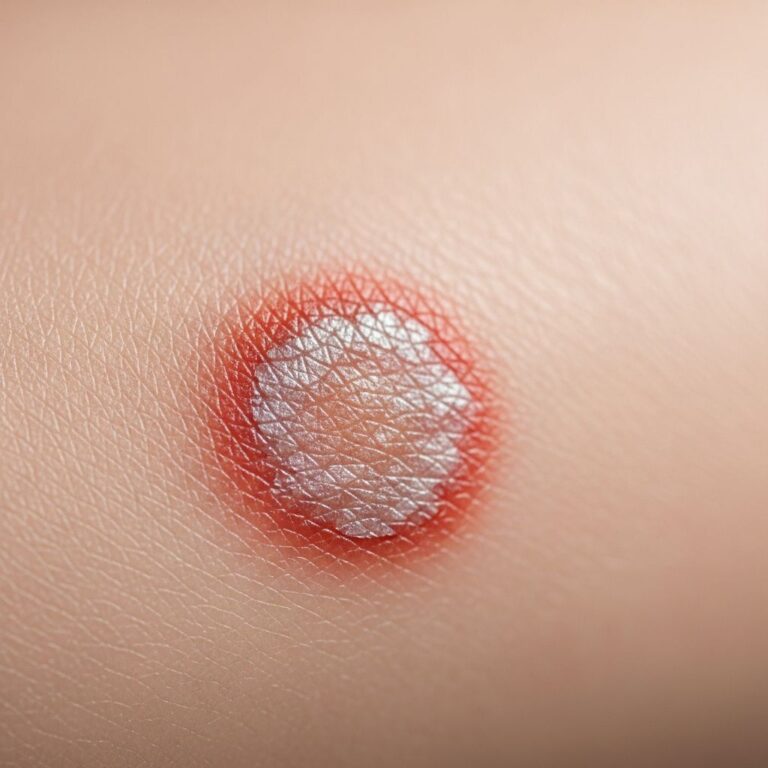
- Small red bumps or sores on the scalp from scratching
- Difficulty sleeping due to increased itching at night
- Visible nits (lice eggs) attached to hair shafts, typically near the scalp
- Visible crawling lice, though they move quickly and are difficult to spot
Nits appear as tiny, oval-shaped eggs that are firmly attached to individual hair strands. They are often easier to detect than the lice themselves, particularly in bright light or sunlight. Nits are typically found behind the ears and at the nape of the neck where the scalp is warmest.
When to Examine for Head Lice
If you suspect your child has head lice, conduct a thorough examination of their head. Look especially behind the ears and at the nape of the neck for both crawling lice and nits. If you find evidence of head lice, examine all household members every 2 to 3 days. Anyone with live crawling lice or nits within a quarter inch of the scalp should be treated promptly. If you cannot confirm a head lice infestation yourself, consult your child’s healthcare provider or school nurse for professional evaluation.
Treatment Options for Head Lice
Multiple effective treatment approaches are available for head lice, ranging from over-the-counter products to prescription medications. The best treatment choice depends on the individual’s age, the severity of the infestation, and any previous treatment failures. It is important to follow all product directions carefully and complete the full treatment regimen.
Medicated Treatments
Permethrin (Nix) and Pyrethrin-Based Products
Permethrin and pyrethrin-based products such as Rid and Pronto Plus are available over-the-counter and are suitable for people aged 2 months and older. These products work by disrupting the nervous system of lice. Apply according to package directions, then use the included fine-toothed comb to remove nits. Treatment should be repeated 9 to 10 days after the initial application. Continue combing out nits every 2 to 3 days for 2 to 3 weeks to ensure complete removal.
Related Stories



Spinosad (Natroba)
Spinosad is a prescription pediculicide approved by the FDA for children aged 6 months and older. This medication is both pediculicidal (kills lice) and ovicidal (kills eggs), making it highly effective with minimal nit combing required. Apply spinosad to dry hair and leave it on for 10 minutes, then rinse with warm water over a sink. Avoid shampooing hair for 24 to 48 hours after treatment. If lice are still visible after 7 days, repeat the application. Studies show that approximately 75% of patients treated with spinosad require only one application for complete cure, compared to 37% with permethrin.
Malathion
Malathion is available by prescription and is suitable for adults and children aged 6 years and older. Apply the lotion to hair and leave it on for 8 to 12 hours before rinsing with warm water. Do not shampoo for 24 to 48 hours after treatment. Repeat in 7 days if lice are still present. Important safety note: Malathion is flammable and should never be used near heat sources, hair dryers, curling irons, or open flames.
Non-Medicated Treatment Methods
Wet Combing Technique
Wet combing with a fine-toothed nit comb can remove lice and some nits and may be used after medicinal treatment or as an alternative to medication. Begin by wetting the hair or applying hair conditioner, mayonnaise, petroleum jelly, or dimethicone-containing products to slow lice movement. Comb methodically through the hair, wiping the comb on a cloth after each stroke. This method requires patience and time investment but is chemical-free. Continue this process every few days for 2 to 3 weeks after the last sighting of a live louse. Do not use household products not intended for human use or anything flammable.
Dehydration Treatment
Professional lice treatment centers may use specialized machines that employ hot air to dehydrate and kill head lice and their eggs. This process, called dehydration or desiccation, requires special training to operate safely. Do not attempt to use a regular hair dryer for this purpose, as it can disperse lice into the air, spreading them to other people.
Managing Household Items and Environment
While head lice cannot survive long away from the human scalp, proper decontamination of personal items and living spaces helps prevent reinfestation and spread to family members.
Cleaning and Decontamination Steps
- Hot Water Washing: Wash all bedding, stuffed animals, and clothing in hot, soapy water at a temperature of at least 130 degrees Fahrenheit (54.4 degrees Celsius). Dry items on high heat settings.
- Hair Care Items: Soak combs, brushes, and hair accessories in hot, soapy water for 5 to 10 minutes to kill any lice or nits.
- Sealed Storage: Place items that cannot be washed in sealed plastic bags for two weeks. Lice cannot survive this extended period without access to the human scalp.
- Vacuuming: Vacuum floors and furniture, paying special attention to areas where the affected person has been sitting or lying down.
Treatment Timeline and Follow-Up
Successful head lice treatment requires commitment to a complete regimen. Most treatments need to be applied twice, typically 7 to 10 days apart, because the initial treatment may not kill all newly hatched lice. Your healthcare provider should write down the specific treatment schedule recommended for your situation. With effective treatment, head lice infestations typically resolve within 2 to 3 weeks. However, if initial treatments are not working, lice resistance may be present, and a different treatment approach may be necessary.
Addressing Treatment Failures
Lice are increasingly becoming resistant to certain treatments. If your first treatment attempt is unsuccessful, consult your child’s healthcare provider for alternative options. They may recommend switching to a different medication or combining multiple treatment approaches. Never attempt to increase the strength or frequency of treatments without medical guidance, as this can cause skin irritation or other adverse effects.
When to Seek Medical Help
Contact your child’s healthcare provider if:
- Treatments are not effectively eliminating the head lice
- Your child develops signs of a secondary scalp infection, including oozing, crusting, or increased redness
- Your child has an allergic reaction to treatment products
- You are unsure which treatment option is most appropriate for your child’s age or specific situation
- The infestation persists after completing the recommended treatment regimen
School Policies and Head Lice
An important clarification for parents: children with head lice do not need to be sent home early from school once treatment has been initiated. Public health guidelines indicate that students can attend school after beginning appropriate home treatment and return to class the next day. Nits may remain in the hair after treatment, but successful treatment kills crawling lice. Schools should be notified so that classroom contacts can be monitored for symptoms.
Preventing Head Lice Infestation
While head lice can affect anyone, several preventive measures can reduce the risk of infestation:
- Educate children about lice without causing unnecessary fear or stigma
- Discourage sharing of combs, brushes, hair ties, scarves, and hats
- Avoid sharing pillows, blankets, and headphones with others
- Teach children not to share hair accessories or try on other people’s hats
- Regularly inspect children’s heads, especially if they attend school or participate in activities with other children
- Maintain good personal hygiene practices
Frequently Asked Questions
Q: Can head lice jump or fly?
A: No, head lice cannot jump or fly. They spread through direct contact with infested hair or shared personal items such as combs, hats, and pillows. This is why they are most common among children who have frequent close contact.
Q: How long do head lice live?
A: Adult head lice can live for 3 to 4 weeks on the human scalp. Off the scalp, they can survive only 1 to 2 days without access to blood. Nits (eggs) take about 7 to 10 days to hatch.
Q: Are head lice a sign of poor hygiene?
A: No, head lice are not indicative of poor hygiene or cleanliness. They affect people of all backgrounds and socioeconomic levels. Any child or adult with close contact with an infested person can develop head lice.
Q: Can I catch head lice from my pets?
A: No, head lice are species-specific parasites that only infect humans. You cannot catch head lice from dogs, cats, or other animals.
Q: Should I use a regular shampoo after lice treatment?
A: Most lice treatments recommend waiting 24 to 48 hours before shampooing hair to allow the medication to work effectively. Follow the specific instructions on your treatment product for best results.
Q: How effective is spinosad compared to permethrin?
A: Research shows that spinosad is significantly more effective than permethrin. After 14 days of treatment, 85% of children treated with spinosad were lice-free compared to only 44% of those treated with permethrin. Additionally, 75% of spinosad-treated patients needed only one application, versus 37% in the permethrin group.
Q: Can I use a hair dryer to dry out lice?
A: No, do not use a regular hair dryer to treat lice. This can send lice into the air, potentially spreading them to other people. Only specialized professional machines designed for lice dehydration should be used.
Conclusion
Head lice infestations, while uncomfortable and socially concerning, are highly treatable with proper intervention. Early detection through regular examination, prompt treatment with appropriate medications or alternative methods, and thorough decontamination of household items are key to successful elimination. Multiple effective treatment options are available, from over-the-counter products like permethrin to prescription medications like spinosad that offer higher cure rates. If treatments are not working, consult your healthcare provider for alternative approaches. With proper management and follow-up, head lice can be completely eliminated within 2 to 3 weeks, allowing children to return to normal activities and social interactions.
References
- Head Lice — Diagnosis & Treatment — Mayo Clinic. 2023. https://www.mayoclinic.org/diseases-conditions/head-lice/diagnosis-treatment/drc-20356186
- Providing Care for Individuals with Head Lice — Centers for Disease Control and Prevention (CDC). 2024. https://www.cdc.gov/lice/caring-head/index.html
- Head Lice: Signs, Symptoms & Treatment — Cleveland Clinic. 2024. https://my.clevelandclinic.org/health/diseases/10824-head-lice
- Efficacy and Safety of Spinosad and Permethrin Crème Rinses for Pediculosis Capitis — Stough DB, et al. Pediatrics. 2009;124(2):e389-e395. https://pmc.ncbi.nlm.nih.gov/articles/PMC3273925/
- Spinosad Topical Suspension — Cleveland Clinic. 2024. https://my.clevelandclinic.org/health/drugs/18566-spinosad-topical-suspension
Similar Articles








Read full bio of medha deb