Head Lice: Complete Guide To Detection, Treatment, Prevention
Comprehensive guide on head lice: symptoms, diagnosis, effective treatments, and prevention strategies for infestation control.
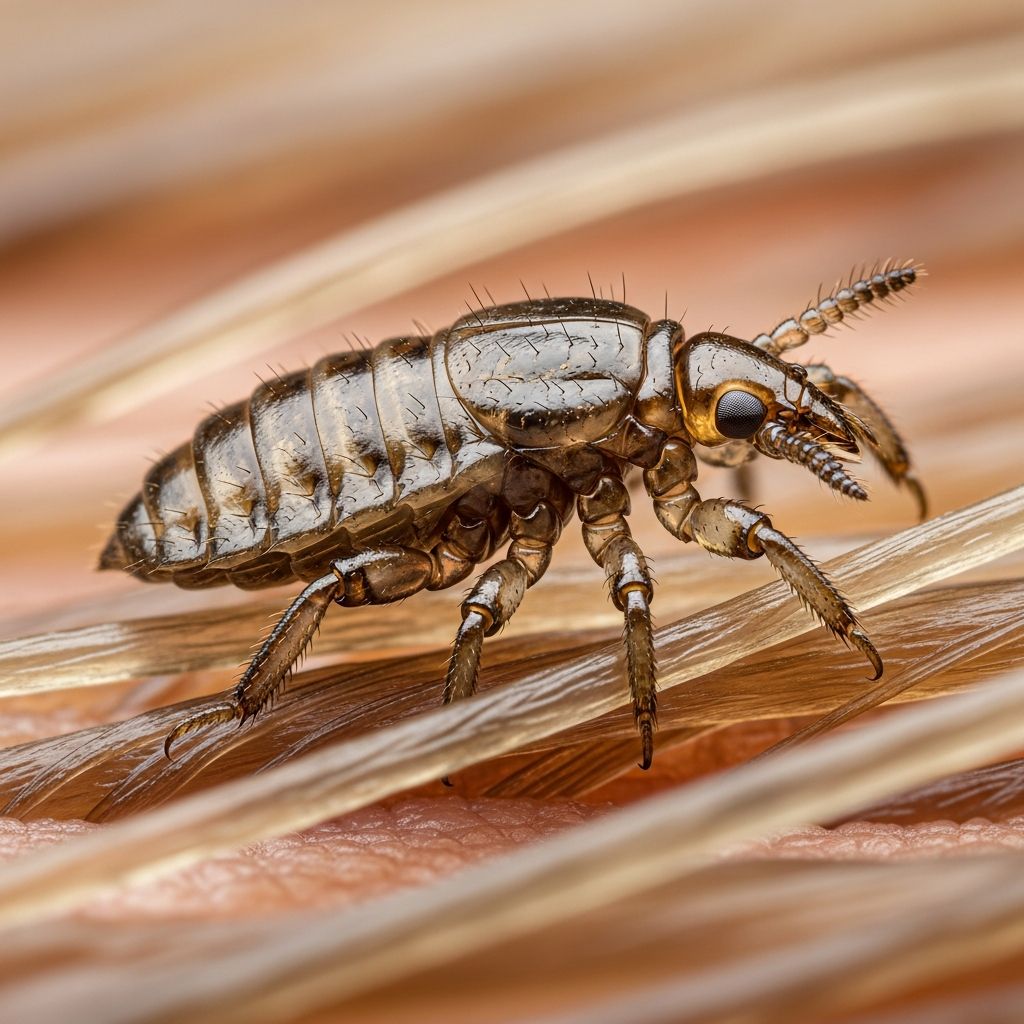
Head lice infestation, or pediculosis capitis, is a common public health concern, particularly among school-aged children. These tiny wingless insects, Pediculus humanus capitis, live on the human scalp, feeding on blood several times a day. Head lice spread primarily through direct head-to-head contact, thriving in close-knit environments like schools, playgrounds, and households. While not dangerous, infestations cause intense itching and can lead to secondary infections from scratching. Effective management involves accurate detection, prompt treatment, and preventive measures to break the transmission cycle.
What are head lice?
Head lice are small, obligate parasites measuring 2-3 mm in length, with a tan, greyish-white, or reddish-brown color depending on their feeding status. They possess six legs equipped with claws for gripping hair shafts. Females lay 3-10 eggs (nits) daily, gluing them firmly to the base of hair shafts near the scalp for warmth. Nits are pinhead-sized, oval, and initially translucent before hatching into nymphs after 7-10 days. Mature lice survive up to 30 days on the host but only 1-2 days off it. Unlike body lice, head lice do not carry diseases but can cause significant discomfort.
Who gets head lice?
Head lice infestations affect people of all ages, races, and socioeconomic backgrounds, though they are most common in children aged 3-12 years due to frequent close contact during play or school activities. Girls are slightly more affected than boys, likely from longer hair and play styles involving head contact. Adults in close proximity to infested children, such as parents or caregivers, are also at risk. No correlation exists with poor hygiene; lice prefer clean hair as it allows better attachment. Global prevalence varies, with outbreaks common in communal settings.
Related conditions
Head lice differ from body lice (Pediculus humanus corporis) and pubic lice (Pthirus pubis). Body lice infest clothing and cause typhus in severe cases, while pubic lice affect coarse body hair. Secondary bacterial infections from scratching (impetigo) or allergic reactions to lice saliva can complicate head lice cases. Dandruff, hair casts, or debris may mimic nits but flake off easily, unlike true nits.
Signs and symptoms of head lice
The hallmark symptom is intense scalp pruritus, often worse at night, due to an allergic reaction to lice saliva. Other signs include:
- Visible live lice crawling on scalp or hair, resembling sesame seeds.
- Nits firmly attached to hair shafts, especially behind ears, nape of neck, and crown.
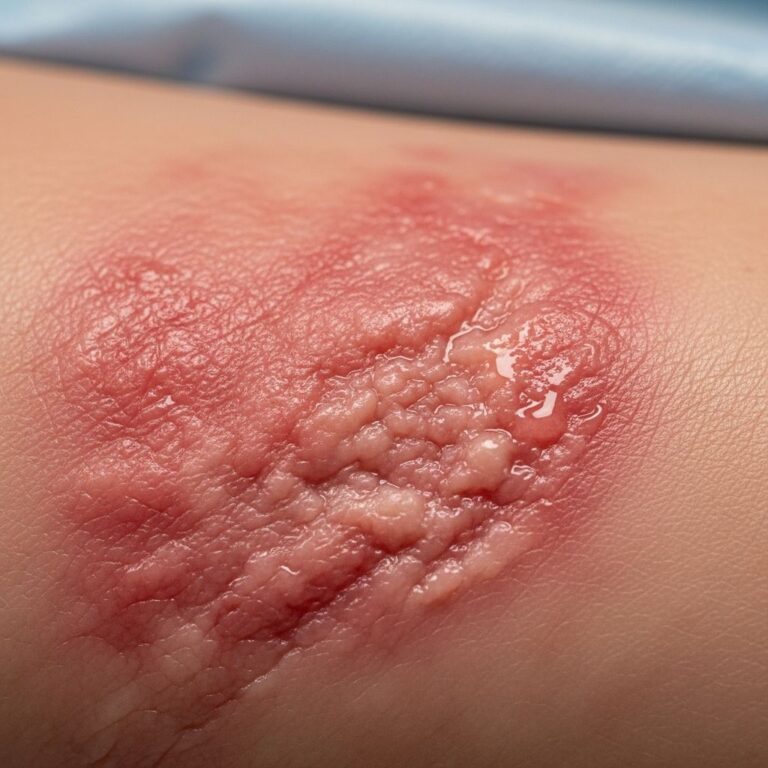
- Scalp excoriations, sores, or crusting from scratching.
- Lice feces (black powder) or shed skins on pillows or collars.
- Occipital or postauricular lymphadenopathy in prolonged cases.
Symptoms may take 4-6 weeks to appear in first-time infestations as sensitization develops.
Diagnosis of head lice
Diagnosis relies on visualizing live lice or viable nits. Use the wet combing method for accuracy:
- Wet hair and apply abundant conditioner to immobilize lice.
- Section hair and comb thoroughly from scalp to ends with a fine-toothed metal lice comb.
- Wipe comb on white tissue after each pass to inspect for lice or nits.
- Repeat over entire scalp, checking high-risk areas multiple times as lice move quickly.
A magnifying glass aids detection. Empty nits (hatched shells) are farther from the scalp and white; viable ones are within 1 cm of roots. Dermoscopy confirms attachment.
Related Stories



Treatment of head lice
Treatment targets live lice and unhatched nits, requiring two applications 7 days apart to kill emerging nymphs. Combine mechanical and pharmacological methods for best results. Treat all household members simultaneously if infested.
Non-chemical treatments
Wet combing with conditioner: Highly effective if performed diligently. Apply conditioner to wet hair, comb every 2-3 days for 2 weeks until no lice or eggs remain. Sessions last 30-60 minutes depending on hair length/thickness. This physically removes lice and damages eggs.
Chemical treatments
Over-the-counter insecticides include:
| Active Ingredient | Type | Examples | Notes |
|---|---|---|---|
| Permethrin/Pyrethrin | Insecticide | Parasidose Shampoo | Kills lice by nerve disruption; resistance common. Apply twice, 7 days apart. |
| Malathion (Maldison) | Insecticide | Prioderm Cream | Subsidized; avoid under 6 months. Suffocates and poisons. |
| Dimethicone 4% | Suffocant | Prescription lotion | Coats lice, causing suffocation; highly effective, apply twice weekly. |
| Ivermectin | Systemic | Tablet (prescription) | For recurrent cases; GP-prescribed. |
Warnings: Never use kerosene, fly spray, or animal products—they are toxic. Follow instructions; check for dead lice post-treatment. If resistance suspected, switch active ingredients.
Resistance and failures
Lice resistance to permethrin/pyrethroids is rising. If treatment fails after two attempts, consult a GP for alternatives like ivermectin or malathion. Persistence affects up to 30% of cases.
Prevention of head lice
- Avoid head-to-head contact; tie back long hair.
- Do not share hats, combs, brushes, helmets, or towels.
- Check children’s hair weekly, especially after playdates.
- Machine-wash bedding/clothes in hot water (>60°C) and dry on high heat.
- Vacuum furniture/upholstery; seal non-washables in bags for 2 weeks.
- Discourage sharing hair accessories.
No evidence supports routine insecticide prophylaxis.
Household measures
Focus on infested individuals; routine fumigation unnecessary. Wash potentially contaminated items. Combs can be soaked in hot soapy water or disinfected. Lice off-host die quickly.
School policy
Children need not be excluded from school upon lice detection. “No-nit” policies lack evidence and increase stigma. Educate parents on home treatment and screening.
Recurrent infestations
If a child experiences >3 infestations yearly, investigate compliance, resistance, or household reservoirs. GP consultation for ivermectin or specialist referral may be needed. Emotional support helps families.
Special situations
For eyelashes/body hair involvement (rare), use petroleum jelly or forceps. Pregnant/breastfeeding: wet combing preferred; consult pharmacist for topicals.
Frequently Asked Questions (FAQs)
Q: Can head lice live in pillows or jump?
A: No, lice cannot jump, fly, or survive long off the scalp (max 2 days). They spread only by direct contact.
Q: Do I need to shave the head?
A: No, ineffective and traumatic. Proper combing/treatment suffices.
Q: How long until symptoms resolve?
A: Itch may persist 1-2 weeks post-eradication due to sensitization.
Q: Are lice worse in dirty hair?
A: No, clean hair facilitates attachment.
Q: Can pets get head lice?
A: No, human-specific parasites.
References
- How To Get Rid Of Head Lice — KidsHealth.org.nz. 2023. https://www.kidshealth.org.nz/head-lice
- Head lice & nits — Raising Children Network. 2024-01-15. https://raisingchildren.net.au/guides/a-z-health-reference/head-lice
- Head lice — Health Information Australia. 2022. https://healthinformationaustralia.com.au/api/xml/?token=BA49093FD6F225AAA6D85877&filename=cc-a4-head-lice-final.pdf
- Pediculosis – Arthropod infestations — DermNet NZ. 2023-06-01. https://dermnetnz.org/cme/arthropods/pediculosis
- Appropriate Use of Head Lice Treatments — Medsafe. 2017-03-01. https://www.medsafe.govt.nz/profs/PUArticles/March2017/HeadLice.htm
- Head lice – Te Whatu Ora — Te Whatu Ora. 2024. https://www.tewhatuora.govt.nz/assets/For-health-providers/Education-sector/Early-learning-services/Fact-sheets/head-lice-els-factsheet.pdf
- Lice. Pediculosis — DermNet NZ. 2023-05-20. https://dermnetnz.org/topics/lice
Similar Articles








Read full bio of medha deb