Head and Neck Cancers: Symptoms, Diagnosis & Treatment
Comprehensive guide to head and neck cancer: Learn about symptoms, risk factors, diagnosis, and advanced treatment options.
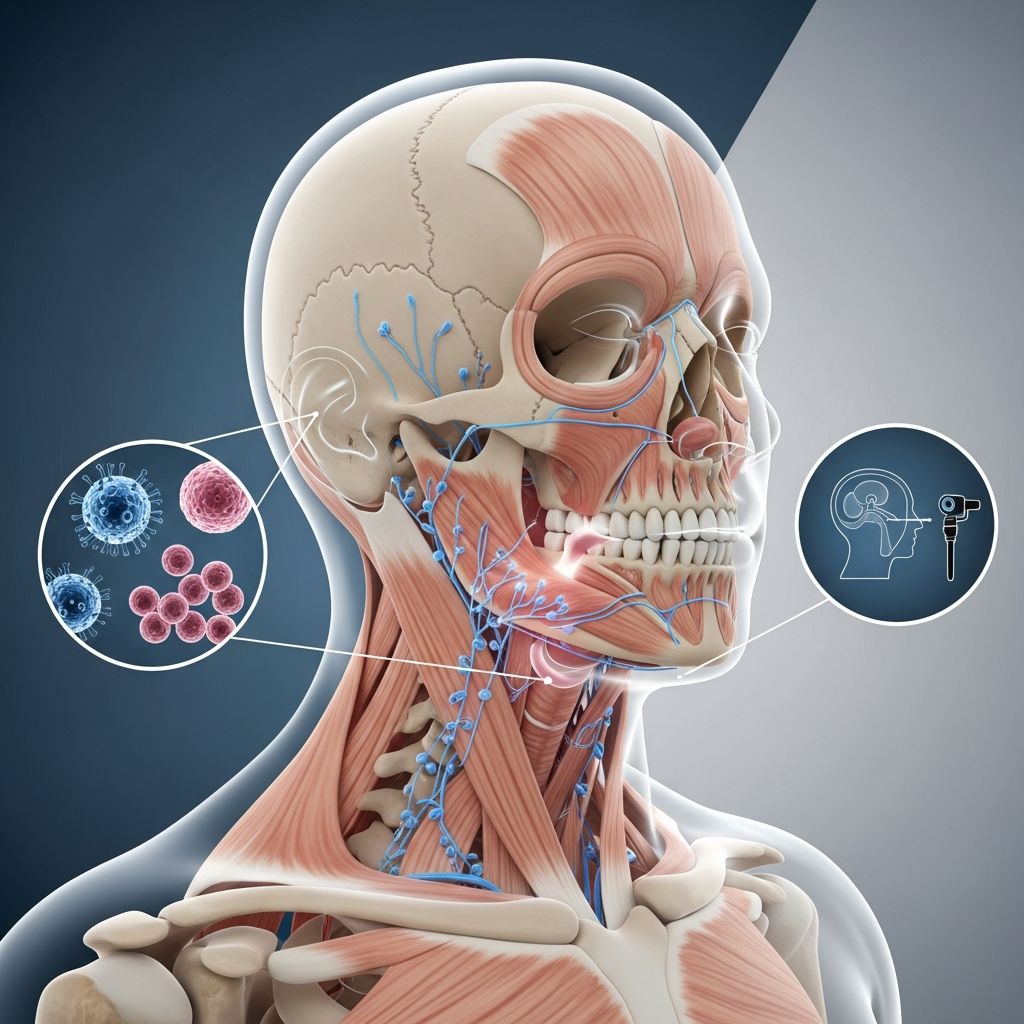
Head and neck cancers represent a significant health concern, affecting thousands of individuals each year. These cancers can develop in various structures including the oral cavity, pharynx, larynx, sinuses, and salivary glands. Understanding the nature of head and neck cancers, recognizing early warning signs, and knowing available treatment options are crucial steps toward successful management and recovery. This comprehensive guide explores everything you need to know about head and neck cancers, from initial symptoms to advanced treatment methodologies.
Understanding Head and Neck Cancers
Head and neck cancers encompass a group of malignancies that develop in the tissues and cells of the head and neck region. The most common type is squamous cell carcinoma, which originates in the thin, flat cells lining the surfaces of these areas. These cancers can originate in various anatomical locations, each presenting unique challenges and treatment considerations.
Common Types of Head and Neck Cancers
Head and neck cancers are classified based on their anatomical location and cell type. Understanding these distinctions helps healthcare providers develop targeted treatment strategies. The primary types include:
- Oral Cavity Cancer: Develops in the mouth, including the tongue, gums, lips, and floor of the mouth
- Oropharyngeal Cancer: Occurs in the middle throat region, often associated with HPV infection
- Laryngeal Cancer: Affects the voice box and is frequently linked to smoking and alcohol use
- Hypopharyngeal Cancer: Develops in the lower throat region
- Nasopharyngeal Cancer: Occurs in the upper throat behind the nose
- Salivary Gland Cancer: Originates in the salivary glands located throughout the head and neck
- Sinonasal Tumors: Develops in the sinuses and nasal cavities
Recognizing Symptoms and Warning Signs
Early detection significantly improves treatment outcomes for head and neck cancers. Recognizing potential warning signs allows for prompt medical evaluation and diagnosis. While symptoms vary depending on cancer location and stage, several warning signs warrant immediate medical attention.
Common Warning Signs
The most prevalent symptom of head and neck cancer is a persistent sore throat that does not resolve within several weeks. Additional warning signs include:
- Persistent pain or difficulty swallowing
- Hoarseness or changes in voice quality lasting more than two weeks
- Unexplained ear pain
- A lump or mass in the neck, mouth, or throat
- Persistent mouth sores or ulcers that do not heal
- Bleeding from the mouth, nose, or throat
- Difficulty opening the mouth or moving the jaw
- Numbness in the mouth or tongue
- Persistent bad breath
- Unintentional weight loss
- Nasal obstruction or chronic sinusitis
Any of these symptoms persisting beyond two weeks should prompt consultation with a healthcare provider for thorough evaluation.
Risk Factors and Prevention
Understanding modifiable and non-modifiable risk factors empowers individuals to make informed health decisions. Several lifestyle and environmental factors contribute to head and neck cancer development.
Major Risk Factors
Tobacco Use: Smoking cigarettes, cigars, and pipes significantly increases head and neck cancer risk. Smokeless tobacco, including chewing tobacco and snuff, also elevates risk substantially. Former smokers retain elevated risk for many years after cessation.
Alcohol Consumption: Heavy alcohol use represents a major risk factor, particularly when combined with tobacco use. The combined effect of tobacco and alcohol is multiplicative rather than additive, creating substantially greater risk.
Related Stories



Human Papillomavirus (HPV) Infection: HPV, particularly HPV-16, is increasingly associated with oropharyngeal cancers. This sexually transmitted infection has become a primary risk factor in developed nations.
Age and Gender: Head and neck cancers typically affect individuals over 50 years old, though HPV-related cancers occur in younger populations. Men develop these cancers more frequently than women, though the gender gap is narrowing.
Prevention Strategies
Reducing head and neck cancer risk involves adopting preventive measures:
- Avoid Tobacco: Complete avoidance or cessation of all tobacco products significantly reduces cancer risk
- Limit Alcohol: Restricting alcohol consumption, particularly limiting to moderate levels, decreases cancer development risk
- HPV Vaccination: The HPV vaccine provides protection against cancer-causing HPV strains and is recommended for individuals up to age 45
- Maintain Oral Hygiene: Regular brushing, flossing, and professional dental care promote oral health
- Healthy Diet: Consuming fruits and vegetables rich in antioxidants supports overall health
- Sun Protection: Using sunscreen and limiting sun exposure reduce lip cancer risk
Diagnostic Procedures and Testing
Accurate diagnosis and staging are fundamental to developing effective treatment plans. Healthcare providers employ various diagnostic tools to identify cancer presence, determine extent, and guide treatment decisions.
Initial Evaluation
The diagnostic process begins with a thorough medical history and physical examination. Your healthcare provider will assess symptoms, examine your mouth and throat carefully, and palpate lymph nodes for abnormalities.
Diagnostic Tests
Flexible Endoscopy: This minimally invasive procedure uses a thin, flexible tube equipped with a camera to visualize internal structures. Endoscopy allows direct visualization of the nasopharynx, oropharynx, larynx, and hypopharynx to identify suspicious tissue.
Imaging Studies: Advanced imaging provides detailed anatomical information essential for treatment planning:
- CT Scan: Computed tomography creates detailed cross-sectional images showing tumor location and extent
- MRI: Magnetic resonance imaging provides superior soft tissue contrast, particularly valuable for assessing muscle and nerve involvement
- PET Scan: Positron emission tomography identifies metabolically active cancer cells throughout the body
- Ultrasound: This imaging modality effectively evaluates lymph nodes and salivary glands
Biopsy: Tissue sampling confirms cancer diagnosis and identifies specific cell types and genetic mutations. Biopsy methods include:
- Endoscopic Biopsy: Tissue samples collected during endoscopy for direct histologic examination
- Incisional Biopsy: Surgical removal of a small tissue sample using a scalpel
- Fine Needle Aspiration: Ultrasound-guided needle biopsy collecting cells and fluid for analysis
Cancer Staging
The TNM staging system guides treatment decisions and prognostication. This system evaluates:
- Tumor (T): Size and extent of the primary tumor
- Nodes (N): Presence and extent of lymph node involvement
- Metastasis (M): Presence of distant cancer spread
Healthcare providers assign stage I through IV designations, with stage I representing localized disease and stage IV indicating advanced disease with potential distant metastases.
Treatment Options
Head and neck cancer treatment typically involves a multidisciplinary approach combining surgery, radiation therapy, and systemic therapy. Treatment selection depends on cancer type, stage, location, patient age, and overall health status. Healthcare providers prioritize treatments that maximize cure rates while minimizing functional impairment.
Surgical Management
Conventional Surgery: Traditional surgical approaches remove tumors and affected lymph nodes through open incisions. While effective, these procedures may result in functional changes affecting speech and swallowing.
Minimally Invasive Surgery: Advanced surgical techniques minimize tissue trauma and recovery time:
- Laser Surgery: Precise laser technology removes tumors with minimal surrounding tissue damage
- Robotic-Assisted Surgery: Robotic systems enhance surgical precision, enabling complex procedures through small incisions. Transoral robotic surgery (TORS) allows tumor removal through the mouth, avoiding external incisions
These minimally invasive approaches typically result in shorter hospital stays, faster recovery, and fewer side effects compared to conventional surgery.
Radiation Therapy
Radiation therapy uses high-energy beams to destroy cancer cells. Advanced radiation techniques maximize tumor treatment while protecting surrounding healthy tissue:
Intensity-Modulated Radiation Therapy (IMRT): This technique varies radiation beam intensity across the treatment field, conforming radiation to tumor shape while sparing adjacent structures.
Volumetric Modulated Arc Therapy (VMAT): A specialized IMRT technique delivering radiation while the treatment machine rotates around the patient, providing precise tumor targeting with exceptional normal tissue sparing.
These advanced radiation approaches help maintain swallowing and speech function while effectively treating cancer.
Systemic Therapy
Chemotherapy and targeted therapy drugs circulate throughout the body, targeting cancer cells. Systemic therapy may be administered before surgery or radiation to shrink tumors, concurrent with radiation to enhance treatment effectiveness, or after other treatments to address microscopic disease.
Combination Approaches
Many patients receive multimodal treatment combining surgery, radiation, and chemotherapy. The specific combination depends on cancer characteristics and individual patient factors. Advanced treatment planning ensures optimal outcomes with acceptable toxicity profiles.
Support and Survivorship
Managing head and neck cancer extends beyond primary treatment. Comprehensive support services help patients maintain function and quality of life during and after cancer treatment.
Supportive Care Services
- Speech and Swallowing Therapy: Specialists help patients regain communication and swallowing function following treatment
- Nutritional Support: Dietitians assist patients maintaining adequate nutrition despite swallowing difficulties
- Dental Care: Dental specialists preserve dental health and function throughout treatment
- Mental Health Support: Counselors and psychologists address emotional and psychological challenges
- Rehabilitation Services: Physical and occupational therapists help restore function and independence
Frequently Asked Questions
What is the most common symptom of head and neck cancer?
A persistent sore throat lasting more than two weeks is the most common symptom. However, symptoms vary depending on cancer location, and multiple symptoms often occur together. Any persistent throat, mouth, or neck symptoms warrant medical evaluation.
Can head and neck cancer be prevented?
While not all head and neck cancers are preventable, risk reduction is possible through tobacco avoidance, alcohol limitation, HPV vaccination, and maintaining good oral hygiene. The HPV vaccine is particularly important for preventing HPV-related cancers.
What is the role of HPV in head and neck cancer?
Human papillomavirus, particularly HPV-16, causes many oropharyngeal cancers. HPV-related cancers often occur in younger, non-smoking individuals. HPV vaccination significantly reduces cancer development risk.
How is head and neck cancer staged?
The TNM system evaluates tumor size (T), lymph node involvement (N), and distant metastasis (M). Providers assign stage I through IV, guiding treatment decisions and prognosis assessment.
What are minimally invasive surgical options for head and neck cancer?
Laser surgery and robotic-assisted surgery (including transoral robotic surgery) represent minimally invasive approaches. These techniques often reduce recovery time and preserve function compared to conventional surgery.
How does advanced radiation therapy preserve speech and swallowing?
Techniques like IMRT and VMAT concentrate radiation on tumors while minimizing exposure to structures responsible for speech and swallowing. This precision sparing reduces functional complications.
What support services are available for head and neck cancer patients?
Comprehensive support includes speech and swallowing therapy, nutritional support, dental care, mental health counseling, and rehabilitation services. These services help patients maintain function and quality of life during and after treatment.
References
- Head & Neck Cancer Program – Cleveland Clinic — Cleveland Clinic. 2025. https://my.clevelandclinic.org/departments/cancer/depts/head-neck
- Head and Neck Cancer | Cleveland Clinic Florida — Cleveland Clinic. 2025. https://my.clevelandclinic.org/florida/departments/cancer/depts/head-and-neck-cancer
- NCCN Guidelines® Insights: Head and Neck Cancers, Version 1.2022 — National Comprehensive Cancer Network. 2022-02-01. https://pubmed.ncbi.nlm.nih.gov/35276673/
- Get Head and Neck Cancer Treatment | Cleveland Clinic — Cleveland Clinic. 2025. https://my.clevelandclinic.org/services/head-neck-cancer-treatment
- Head and Neck Cancers: Symptoms & Treatment – Cleveland Clinic — Cleveland Clinic. 2025. https://my.clevelandclinic.org/health/diseases/14458-head-and-neck-cancer
Similar Articles








Read full bio of Sneha Tete