Brain Tumor Headaches: 7 Warning Signs To Watch For
Understanding brain tumor headaches: symptoms, warning signs, and when to seek medical attention.
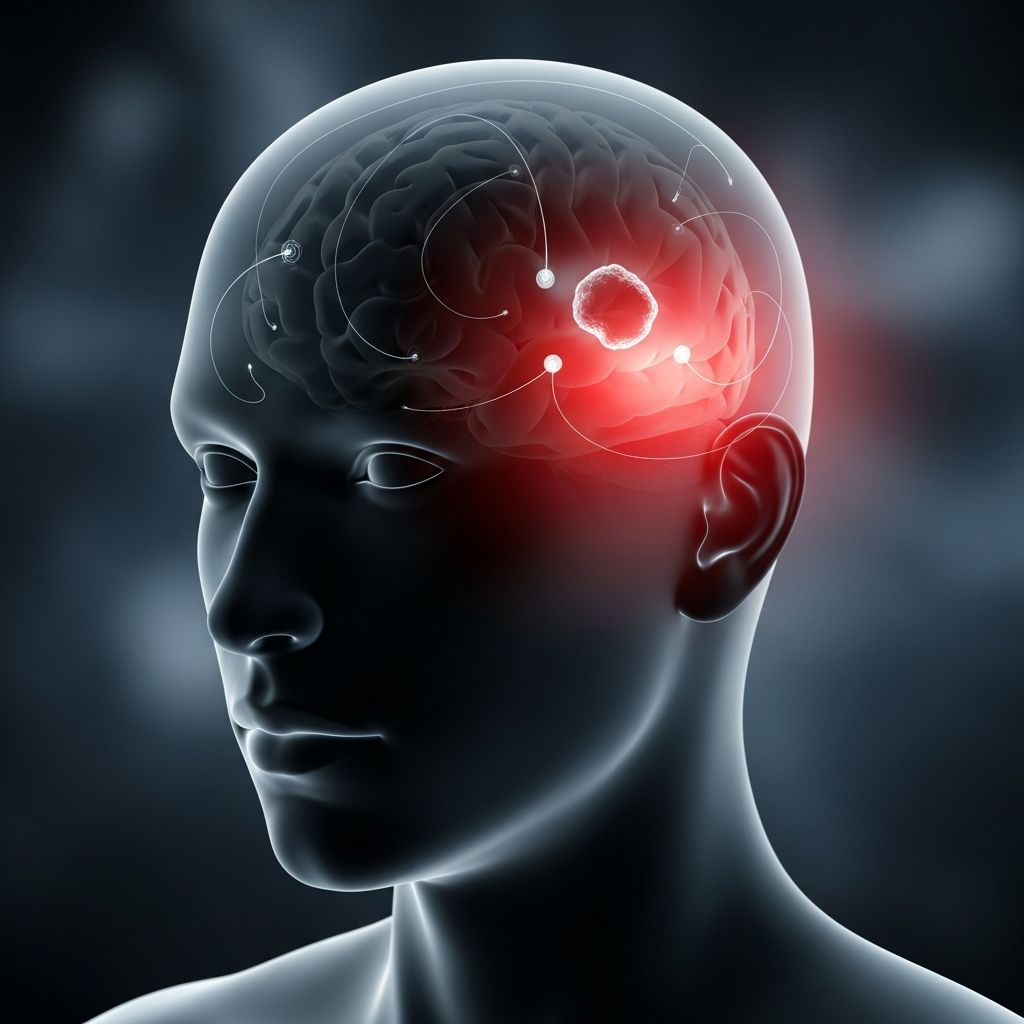
Headache: Could It Be a Brain Tumor?
Experiencing a headache that feels different from your usual tension headaches or migraines can understandably cause concern. You may find yourself wondering whether this pain could signal something more serious, such as a brain tumor. While it’s natural to worry about such possibilities, it’s important to understand that the vast majority of headaches are not caused by brain tumors. In fact, fewer than 90,000 people in the United States are diagnosed with a brain tumor annually, making brain tumors a relatively rare cause of headaches. However, when a brain tumor is present, headaches are among the most common symptoms patients experience. Understanding the characteristics of brain tumor headaches and knowing when to seek medical attention can help you determine whether your symptoms warrant further investigation.
Understanding Brain Tumors and Headaches
Before exploring the specific characteristics of brain tumor headaches, it’s helpful to understand what types of brain tumors exist. Brain tumors are classified into two primary categories: primary brain tumors, which originate in the brain tissue itself, and metastatic brain tumors, which begin elsewhere in the body and spread to the brain. The majority of brain tumors are actually metastatic rather than primary, meaning they have spread from cancer that started in another part of the body.
Brain tumors cause headaches primarily through increased intracranial pressure—the pressure inside the skull caused by the growing tumor. In the early stages of a brain tumor’s development, there may be no noticeable symptoms at all. It is only when the tumor grows large enough to exert pressure on the brain tissue or nerves that symptoms, including headaches, begin to manifest. This is an important distinction, as it means that a developing tumor may not cause headaches immediately.
Characteristics of Brain Tumor Headaches
Brain tumor headaches differ from typical tension headaches or migraines in several important ways. Recognizing these distinguishing characteristics can help you determine whether your headache warrants medical evaluation.
Key Features of Brain Tumor Headaches
- Morning headaches: Waking up frequently with a headache, particularly in the early morning hours, can be a potential sign of a brain tumor. This occurs because fluid pressure in the brain increases when lying down during sleep.
- Progressive worsening: Brain tumor headaches typically become more severe over time, rather than remaining constant or improving with rest.
- Resistance to standard pain relief: These headaches often do not respond to over-the-counter pain medications such as aspirin, acetaminophen, or ibuprofen, which typically provide relief for tension headaches and migraines.
- Position-dependent pain: The pain may change as you change positions, worsen with coughing, sneezing, bending over, or engaging in physical activity—essentially anything that increases pressure within the skull.
- Duration: Brain tumor headaches may last for days or weeks at a time without significant relief.
- Change in headache pattern: If you suddenly start experiencing frequent headaches, different kinds of headaches, or if your usual headache pattern significantly changes in severity or frequency, this warrants attention.
Distinguishing Brain Tumor Headaches from Other Types
While brain tumor headaches can sometimes resemble migraines due to their intensity, there are important differences between them. Migraine attacks often trigger nausea and extreme sensitivity to light, conditions that may or may not accompany a brain tumor headache. Additionally, brain tumor headaches are typically accompanied by other neurological symptoms beyond just head pain, whereas migraines may occur with relatively isolated symptoms.
It’s important to note that if a headache is your only symptom, it is significantly less likely to be caused by a brain tumor than if you are experiencing multiple concerning symptoms together. This is why understanding what other symptoms may accompany a brain tumor is crucial.
Related Stories



Accompanying Symptoms and Warning Signs
While headaches are a common symptom of brain tumors, they rarely occur in isolation. If a brain tumor is present, patients typically experience additional neurological symptoms that, together with headaches, should prompt immediate medical evaluation.
Neurological and Physical Symptoms
- Vision problems: Double vision, blurred vision, loss of peripheral vision, loss of vision in one or both eyes, or seeing flashing lights or colors can indicate a brain tumor affecting visual centers or pathways in the brain.
- Nausea and vomiting: Persistent nausea and vomiting, particularly when not associated with eating or other obvious causes, may result from increased intracranial pressure.
- Balance and coordination issues: Dizziness, loss of balance, difficulty with coordination, or unexplained vertigo can suggest a tumor affecting the cerebellum or brainstem.
- Weakness and numbness: Weakness or numbness that gradually worsens on one side of the body, or numbness in an arm or leg, can indicate tumor compression of motor or sensory pathways.
- Seizures: New onset seizures in adults, especially if they occur without a known cause or accompany a headache, warrant immediate medical attention and investigation.
- Speech difficulties: Difficulty speaking, slurring words, or trouble finding the right words to say can result from tumors affecting language centers in the brain.
- Hearing changes: Sudden hearing loss or tinnitus (ringing in the ears) may accompany a brain tumor.
Cognitive and Behavioral Changes
- Cognitive impairment: Confusion, memory loss, difficulty concentrating, or impaired mental ability (which may be very subtle initially) can indicate a brain tumor affecting cognitive centers.
- Personality and mood changes: Uncharacteristic moodiness, anger, personality changes, or behavioral alterations may suggest a tumor in the frontal lobe or other areas affecting emotional regulation.
- Unexplained weight loss: Significant weight loss without dietary changes or obvious cause can accompany a brain tumor.
Brain Tumor Symptoms by Location
The symptoms experienced by a patient with a brain tumor often depend on the specific location of the tumor within the brain, as different brain regions control different functions.
| Brain Region | Function | Potential Symptoms |
|---|---|---|
| Frontal Lobe | Controls movement, problem-solving, and emotions | Behavioral changes, personality changes, difficulty speaking, weakness or numbness in limbs, seizures |
| Temporal Lobe | Involved in memory, hearing, and language | Memory difficulties, speech problems, hearing loss, seizures |
| Parietal Lobe | Processes sensory information (touch, taste, temperature) | Sensory difficulties, problems with reading or writing, spatial awareness issues |
| Occipital Lobe | Processes visual information | Blurry vision, loss of vision in one or both eyes, visual disturbances |
| Brainstem | Controls basic functions (breathing, heart rate, blood pressure) | Coordination difficulties, weakness or numbness, speech or swallowing difficulty |
| Cerebellum | Controls movement and balance | Coordination problems, balance difficulties, tremors |
When to Seek Medical Attention
Understanding when to consult a healthcare professional is essential for timely diagnosis and treatment. You should schedule an appointment with your doctor or neurologist if you experience any of the following:
- A headache that lasts for several days or weeks with little or no relief, especially if you do not typically suffer from frequent headaches
- A headache that continues to worsen despite treatment with standard over-the-counter pain medications
- Frequent morning headaches or headaches that wake you from sleep
- A significant change in your usual headache pattern, including changes in severity, frequency, or character
- Headaches accompanied by unexplained weight loss, vision changes, weakness, numbness, or sensory loss
- New onset seizures, particularly if accompanied by headaches
- Any combination of headaches with cognitive changes, behavioral changes, or difficulty with speech or balance
If you have a history of cancer, you should be particularly vigilant about investigating new or changing headaches, as the risk of metastatic brain tumors is higher. Similarly, if your symptoms worsen from a mild headache into something more severe or if new symptoms develop, do not delay in seeking medical evaluation.
Diagnostic Evaluation
If your doctor suspects a brain tumor may be causing your symptoms, they will likely refer you for imaging studies at a hospital. Modern imaging techniques, such as magnetic resonance imaging (MRI) or computed tomography (CT) scans, can detect most brain tumors and help determine their size, location, and characteristics. These imaging studies are essential for confirming whether a tumor is present and, if so, for planning appropriate treatment.
Treatment Options for Brain Tumor Headaches
Once a brain tumor has been diagnosed, treatment approaches vary depending on the type, size, location, and grade of the tumor. However, when managing symptoms such as headaches, doctors may employ several strategies.
Symptom Management
If aggressive cancer treatment is not appropriate, or while awaiting other treatments to take effect, doctors may manage brain tumor headaches with steroids to reduce inflammation and swelling around the tumor, thereby relieving pressure on brain tissue and nerves. Anti-seizure or anti-epileptic medications may also be prescribed if seizures are occurring or likely.
Definitive Treatment
Depending on the tumor type and characteristics, definitive treatment may include surgery to remove the tumor, radiation therapy to destroy tumor cells, chemotherapy to target cancer cells throughout the body, or a combination of these approaches. Chemotherapy for brain tumors presents unique challenges because of the blood-brain barrier, which normally protects brain tissue from substances in the bloodstream. Researchers continue to develop chemotherapy medications that can safely and effectively cross this barrier to reach and destroy brain tumors.
Prognosis and Outlook
An important fact to understand is that a brain tumor will not disappear on its own without treatment. However, the sooner a tumor is diagnosed and appropriate treatment is initiated, the better the chances of a positive outcome. This underscores the importance of seeking medical evaluation promptly when you notice concerning symptoms.
It’s also important to note that not all brain tumors are cancerous. Benign tumors can also cause painful headaches and may require surgical removal, but benign tumors typically have a better prognosis than malignant tumors. Even if your doctor’s evaluation reveals that you do not have a brain tumor, the peace of mind from a definitive medical assessment can be extremely valuable.
Frequently Asked Questions
Q: How common are brain tumors as a cause of headaches?
A: Brain tumors are a relatively uncommon cause of headaches. Fewer than 90,000 people in the United States are diagnosed with a brain tumor annually. While headaches are the most common symptom when a brain tumor is present, the majority of headaches are caused by other conditions such as tension, migraines, or temporary stress.
Q: What’s the difference between a brain tumor headache and a migraine?
A: Brain tumor headaches typically do not respond to standard pain medications, worsen over time, may change with position or physical activity, and are usually accompanied by other neurological symptoms. Migraines, while sometimes severe, typically respond to migraine-specific medications and are often the only symptom experienced, though they may include light sensitivity and nausea.
Q: Why do brain tumor headaches often occur in the morning?
A: Morning headaches from brain tumors occur because intracranial pressure increases when a person lies down during sleep. As fluid accumulates around the brain, pressure builds, causing headaches that often wake patients early in the morning or are present upon waking.
Q: Should I be concerned if I have a single headache that feels different?
A: A single unusual headache is generally not cause for immediate concern about a brain tumor. However, if unusual headaches become frequent, persistent, worsen over time, or are accompanied by other symptoms such as vision changes, weakness, or cognitive changes, you should consult your doctor for evaluation.
Q: Can benign brain tumors cause headaches?
A: Yes, benign brain tumors can cause painful headaches through the same mechanism as malignant tumors—by increasing intracranial pressure as they grow. Even though benign tumors are non-cancerous, they may still require surgical removal if they are causing significant symptoms.
Q: What should I do if I think my headache might be from a brain tumor?
A: Schedule an appointment with your primary care doctor or a neurologist. Describe your symptoms in detail, including when they started, how they’ve changed, what makes them better or worse, and any other symptoms you’ve experienced. Your doctor can perform an evaluation and, if necessary, refer you for imaging studies to determine whether a tumor is present.
References
- Brain Tumor Headaches: Symptoms and What They Feel Like — Healthline. 2024. https://www.healthline.com/health/brain-tumor-headaches-is-my-headache-a-sign-of-a-brain-tumor
- Brain Tumour Symptoms — Brain Tumour Research. 2024. https://braintumourresearch.org/pages/information-brain-tumour-symptoms
- Symptoms & Risk Factors – Brain Tumor — Johns Hopkins Pathology. 2024. https://pathology.jhu.edu/brain-tumor/symptoms-risk-factors
Similar Articles








Read full bio of Sneha Tete