Headache on Top of Head: Causes and Relief
Discover common causes of headaches on top of the head, from tension to serious conditions, and effective relief strategies.
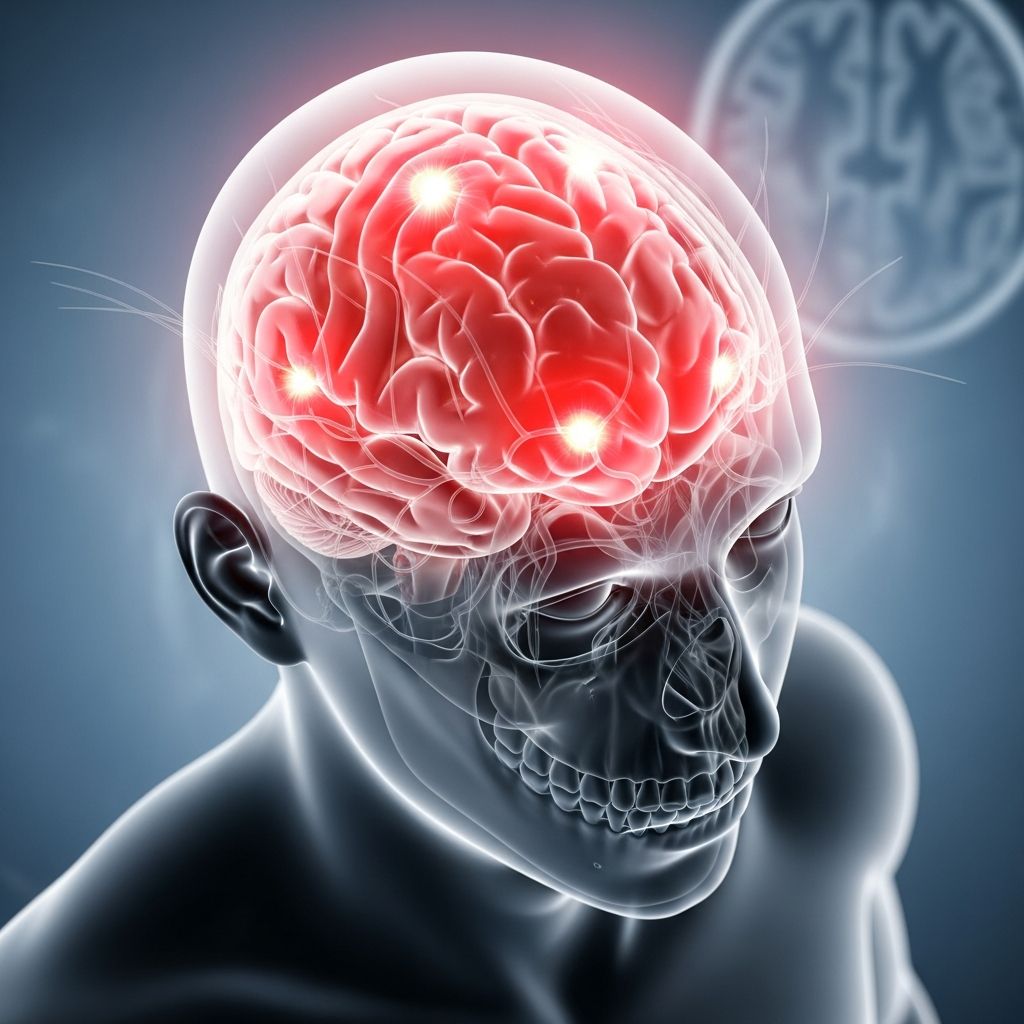
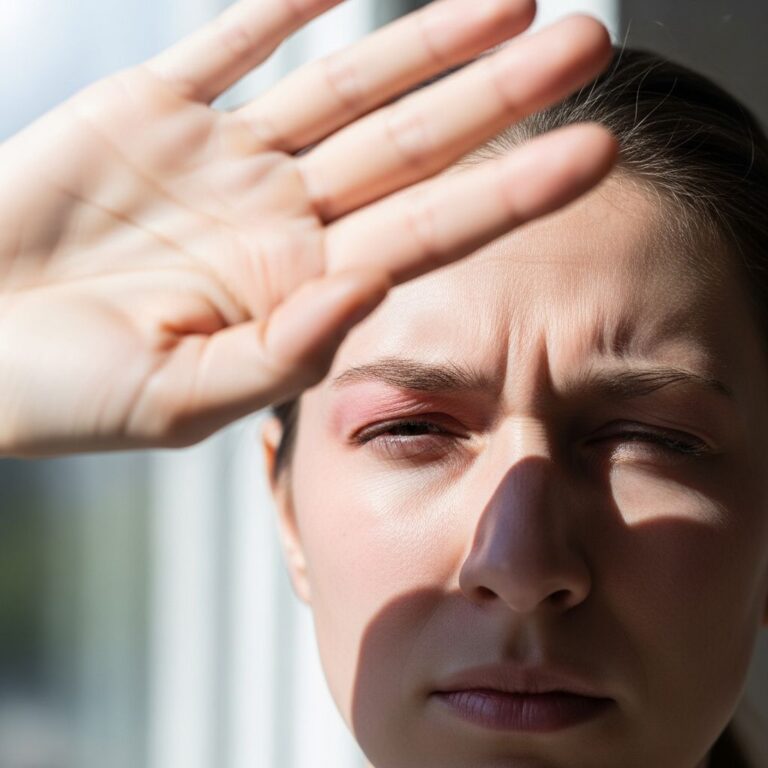
Experiencing a headache localized on top of your head, also known as a vertex headache, can be uncomfortable and concerning. Unlike throbbing pain behind the eyes or at the temples, this sharp or aching sensation at the crown feels distinct. While often benign, vertex headaches may signal underlying issues ranging from everyday stress to neurological conditions.
Headaches affect nearly 50% of adults monthly, per the CDC. Understanding the specific location helps pinpoint causes. This comprehensive guide covers nine common reasons for top-of-head pain, symptoms, treatments, and red flags requiring immediate care.
What Does a Headache on Top of Your Head Feel Like?
Vertex headaches typically present as a tight band, pressure, or sharp pain directly atop the skull. Patients describe it as ‘weight sitting on my head’ or ‘pain radiating from the crown downward.’ Intensity varies from dull ache to severe, debilitating pain.
Associated symptoms may include scalp tenderness, neck stiffness, dizziness, or sensitivity to light/sound. Duration ranges from minutes (cluster headaches) to days (migraines). Tracking pain patterns—onset, triggers, relief—assists diagnosis.
9 Common Causes of Headaches on Top of the Head
1. Tension Headaches
The most frequent culprit, tension headaches impact 80% of people yearly. Stress causes scalp and neck muscles to contract, pulling on pain-sensitive tissues atop the head. American Migraine Foundation notes triggers like poor posture, eye strain, and emotional tension.
- Symptoms: Bilateral pressure, mild-moderate intensity, no nausea.
- Treatment: OTC pain relievers (ibuprofen), stress management, posture correction.
2. Migraine
Migraines can localize to the vertex during aura or attack phases. Affecting 1 in 6 Americans, per NIH, they involve neurological inflammation.
- Symptoms: Throbbing, nausea, photophobia; may start at crown.
- Treatment: Triptans, anti-nausea meds, lifestyle changes.
3. Occipital Neuralgia
Irritation of occipital nerves running from neck to scalp causes shooting pains atop the head. Trauma, arthritis, or tumors trigger it.
| Symptom | Description |
|---|---|
| Pain Type | Electric shock-like |
| Triggers | Neck movement |
| Treatment | Nerve blocks, gabapentin |
4. Sinus Headaches
Inflammation in frontal/paranasal sinuses refers pain upward. Allergies or infections cause pressure building to the vertex.
- Symptoms: Facial pain, congestion, worsens bending forward.
- Relief: Decongestants, saline rinses, antibiotics if bacterial.
5. Cluster Headaches
Excruciating ‘suicide headaches’ strike suddenly, often at night, centering on one side including the top. Men aged 20-40 are prone.
High-flow oxygen (12L/min for 15min) aborts 70% of attacks, per NEJM.
6. Medication Overuse Headache
Rebound from frequent analgesic use (15+ days/month) creates daily top-of-head throbbing. Break the cycle with withdrawal under medical supervision.
7. High Blood Pressure
Hypertension (>180/120 mmHg) pulses pain through cerebral vessels to the crown. Monitor BP; treat urgently if malignant.
8. Dehydration
Fluid loss shrinks brain volume, tugging on pain membranes. Rehydrate with 2-3L water daily; electrolytes for severe cases.
Related Stories



9. Brain-Related Causes (Rare but Serious)
Tumors, aneurysms, or Chiari malformation compress structures causing vertex pain. Sudden onset with neurological deficits demands ER evaluation.
When to See a Doctor for Top-of-Head Pain
Seek immediate care if headache features:
- Sudden ‘thunderclap’ onset
- Worst ever experienced
- Accompanied by confusion, vision loss, weakness
- Post-head injury
- New over age 50
- Progressive worsening
Primary care or neurology referral follows initial assessment. Imaging (CT/MRI) or lumbar puncture may be warranted.
How Are Vertex Headaches Diagnosed?
- History: Pain diary detailing triggers, frequency, family history.
- Exam: Neurological screening, palpation for tenderness.
- Tests: Bloodwork, sinus X-ray, EEG if seizures suspected.
Treatment Options for Headaches on Top of Head
Acute Relief
- NSAIDs: Ibuprofen 400-800mg
- Triptans for migraine
- Caffeine combo (Excedrin)
Preventive Strategies
- Biofeedback training
- Prophylactic meds (topiramate)
- Acupuncture (evidence from JAMA)
Home Remedies and Prevention Tips
- Hydrate: 8 glasses water/day
- Sleep: 7-9 hours consistent schedule
- Ergonomics: Adjust workstation to eye level
- Relax: Yoga, meditation reduce tension 40%
- Diet: Limit caffeine/alcohol, eat regularly
Frequently Asked Questions (FAQs)
Why do I get headaches on top of my head every morning?
Morning vertex pain often stems from bruxism, sleep apnea, or caffeine withdrawal. Consult a dentist or sleep specialist.
Can anxiety cause top-of-head headaches?
Yes, anxiety triggers muscle tension headaches focusing at the crown. CBT and SSRIs provide relief.
Is headache on top of head always serious?
Most are benign, but new patterns or red flags warrant evaluation to rule out secondary causes.
How long should a top-of-head headache last?
Tension: 30min-7 days; migraine: 4-72hrs; cluster: 15min-3hrs. Persistent pain needs assessment.
Can I prevent vertex headaches?
Yes—stress reduction, hydration, sleep hygiene, and trigger avoidance prevent 50-70% of recurrences.
References
- Products – Data Briefs – Number 290 – December 2017 — CDC/NCHS. 2017-12-01. https://www.cdc.gov/nchs/products/databriefs/db290.htm
- Tension-Type Headache — American Migraine Foundation. 2024-05-15. https://americanmigrainefoundation.org/resource-library/tension-type-headache/
- NIH study finds gender gap in migraine prevalence, pain perception — National Institutes of Health. 2023-10-12. https://www.nih.gov/news-events/news-releases/nih-study-finds-gender-gap-migraine-prevalence-pain-perception
- Cluster Headache — New England Journal of Medicine. 2020-06-18. https://www.nejm.org/doi/full/10.1056/NEJMra1915240
- Acupuncture for Chronic Pain — JAMA Internal Medicine. 2023-11-27. https://jamanetwork.com/journals/jamainternalmedicine/fullarticle/2788697
Similar Articles








Read full bio of Sneha Tete