Headaches: Comprehensive Guide To Types, Causes, And Prevention
Comprehensive guide to headaches: types, causes, symptoms, treatments, and prevention strategies for better relief.
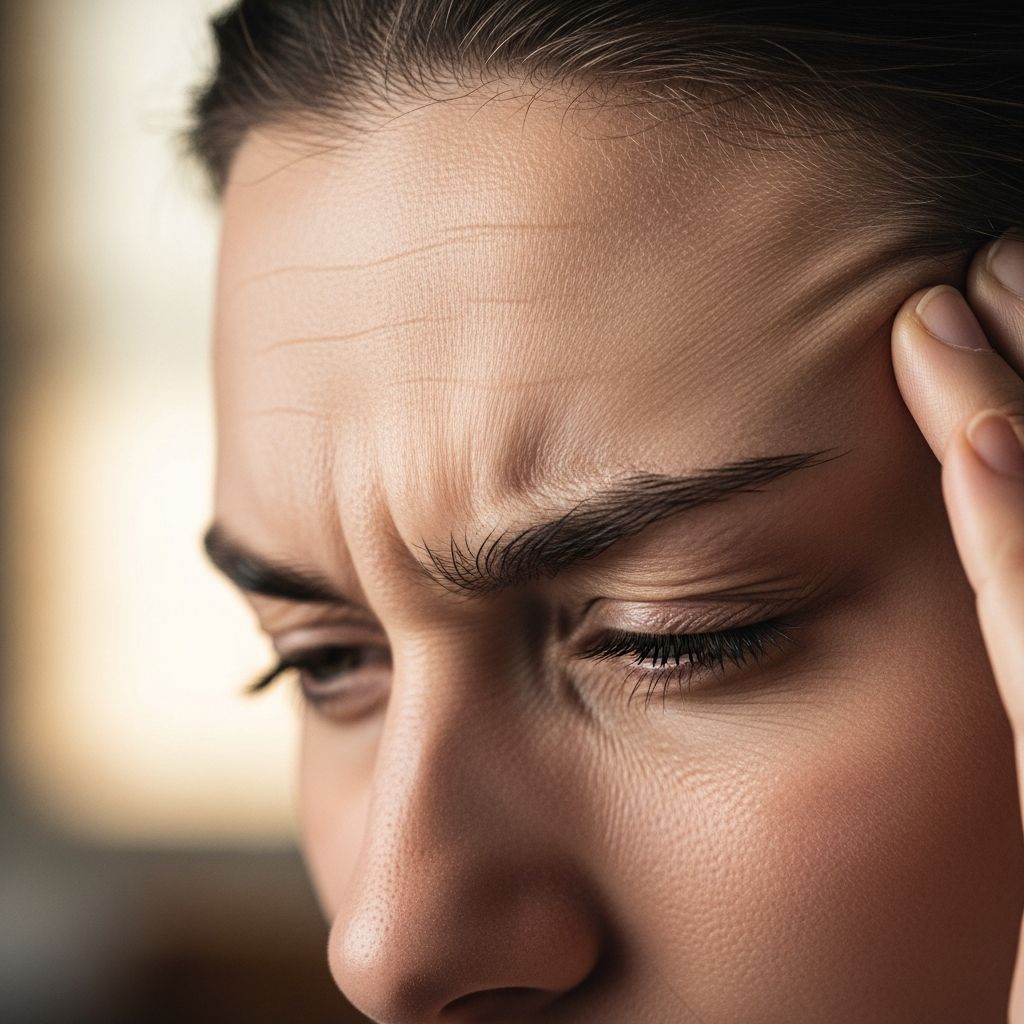
Headaches are one of the most common health complaints worldwide, affecting millions of people daily. They range from mild discomfort to debilitating pain that disrupts daily life. While often benign, persistent or severe headaches can signal underlying conditions requiring medical attention. This comprehensive guide covers everything you need to know about headaches, including types, causes, symptoms, diagnosis, treatments, and prevention strategies.
According to the World Health Organization, headaches are among the most disabling neurological disorders globally, impacting quality of life and productivity. Understanding headaches empowers individuals to manage them effectively and seek timely care when needed.
What Is a Headache?
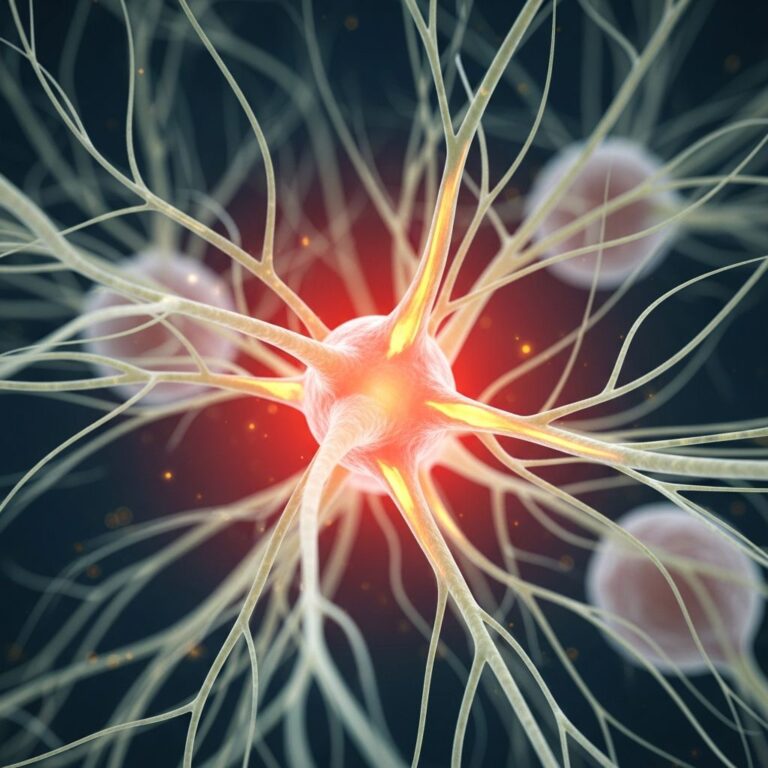
A headache, medically termed cephalalgia, is pain in any region of the head. It arises from pain-sensitive structures like blood vessels, muscles, nerves, and meninges surrounding the brain. The brain itself lacks pain receptors, so headaches stem from surrounding tissues.
Headaches vary in intensity, duration, and location. They can feel like throbbing, pressing, or stabbing sensations. Primary headaches occur independently, while secondary headaches result from other medical issues like infections or trauma.
Types of Headaches
Headaches are classified into primary and secondary categories, with primary types being the most common.
Primary Headaches
- Tension Headaches: The most prevalent type, affecting up to 80% of people occasionally. Characterized by a tight band-like pain around the forehead or temples.
- Migraines: Intense, throbbing pain often on one side, accompanied by nausea, vomiting, and sensitivity to light/sound. Affect about 12% of the population.
- Cluster Headaches: Extremely painful, occurring in cyclical patterns or clusters. Pain is typically around one eye, with autonomic symptoms like tearing and nasal congestion.
Secondary Headaches
These stem from underlying conditions such as sinus infections, high blood pressure, or head injuries. Examples include thunderclap headaches (sudden, severe onset) and medication-overuse headaches from excessive painkiller use.
Symptoms of Headaches
Symptoms vary by type but commonly include:
- Pain ranging from dull ache to sharp pain
- Pressure or tightness in the head
- Sensitivity to light (photophobia) or sound (phonophobia)
- Nausea or vomiting
- Blurred vision or aura (in migraines)
- Neck stiffness or scalp tenderness
Red-flag symptoms warranting immediate medical attention include sudden severe pain, headache with neurological deficits (weakness, confusion), fever, or post-head injury pain.
Causes and Risk Factors
Headaches result from complex interactions of genetic, environmental, and lifestyle factors.
Common Triggers
- Stress: Emotional or physical stress causes muscle tension.
- Dehydration: Insufficient fluid intake leads to brain tissue shrinkage, pulling on pain-sensitive membranes.
- Sleep Disturbances: Too little or too much sleep disrupts brain chemistry.
- Dietary Factors: Skipping meals, caffeine withdrawal, alcohol, or certain foods (aged cheese, processed meats containing nitrates).
- Hormonal Changes: Menstrual cycles, menopause, or oral contraceptives in women.
- Environmental Triggers: Bright lights, strong smells, weather changes.
Risk Factors
| Risk Factor | Description |
|---|---|
| Family History | Genetic predisposition, especially for migraines. |
| Age | Tension headaches common in adults; migraines peak in 30s. |
| Sex | Women three times more likely to experience migraines. |
| Mental Health | Anxiety, depression increase frequency. |
Related Stories



Diagnosis
Diagnosis begins with a detailed medical history and physical/neurological exam. Doctors assess pain pattern, location, duration, associated symptoms, and triggers.
- Imaging Tests: CT or MRI scans rule out tumors, bleeding, or structural issues.
- Blood Tests: Check for infection, inflammation, or metabolic issues.
- Lumbar Puncture: Analyzes cerebrospinal fluid for infection or bleeding.
- EEG: Evaluates electrical brain activity if seizures suspected.
Headache diaries tracking frequency, triggers, and symptoms aid diagnosis.
Treatment Options
Treatment combines acute relief and preventive strategies.
Acute Treatments
- Over-the-Counter (OTC) Pain Relievers: Ibuprofen, acetaminophen, aspirin. Effective for mild-moderate pain.
- Triptans: Prescription drugs like sumatriptan for migraines, constricting blood vessels and blocking pain pathways.
- Antiemetics: For nausea accompanying migraines.
- Oxygen Therapy: Inhaled oxygen for cluster headaches.
Preventive Treatments
For frequent/chronic headaches:
- Medications: Beta-blockers (propranolol), antidepressants (amitriptyline), anti-seizure drugs (topiramate), CGRP inhibitors (newer migraine-specific).
- Botox Injections: FDA-approved for chronic migraines (15+ days/month).
Non-Drug Therapies
- Cognitive behavioral therapy (CBT)
- Biofeedback and relaxation training
- Acupuncture
- Physical therapy for neck/shoulder tension
Prevention Strategies
Lifestyle modifications reduce frequency and severity:
- Maintain regular sleep schedule (7-9 hours/night)
- Stay hydrated (8+ glasses water daily)
- Eat balanced meals at consistent times
- Exercise regularly (150 minutes moderate activity/week)
- Practice stress management (meditation, yoga)
- Limit alcohol and caffeine
- Identify and avoid personal triggers
When to See a Doctor
Seek immediate medical care for:
- Sudden, severe “thunderclap” headache
- Headache with fever, stiff neck, rash
- Worst headache of your life
- Neurological symptoms (vision loss, weakness, slurred speech)
- Headache after head injury
- New headache if over 50 or with cancer/immunosuppression
Consult for headaches occurring >15 days/month, changing patterns, or unresponsive to OTC treatments.
Frequently Asked Questions (FAQs)
Are all headaches the same?
No. Headaches vary widely by type, cause, symptoms, and treatment. Primary headaches like tension and migraines differ significantly from secondary headaches caused by other conditions.
Can stress cause headaches?
Yes, stress is a major trigger for tension-type headaches and can precipitate migraines. Stress causes muscle contraction and changes in brain chemicals that promote pain.
When should I worry about a headache?
Worry if accompanied by red flags like sudden onset, neurological symptoms, fever, or trauma. Chronic daily headaches or pattern changes also require evaluation.
Can dehydration cause headaches?
Absolutely. Dehydration causes brain tissue to shrink slightly, stimulating pain-sensitive structures. Drinking adequate water often relieves dehydration headaches within hours.
Are headaches a sign of brain tumors?
Rarely. Only about 1% of headaches indicate brain tumors. Tumors typically cause additional symptoms like seizures, personality changes, or focal neurological deficits.
What’s the difference between a migraine and a regular headache?
Migraines involve throbbing pain, often unilateral, lasting 4-72 hours, with nausea, vomiting, and sensory sensitivities. Regular headaches (tension-type) feel like pressure without these features.
Living with Headaches
Managing chronic headaches requires a multifaceted approach. Keep a headache diary, work with healthcare providers, and adopt healthy lifestyle habits. Support groups and counseling help cope with chronic pain’s emotional toll. Emerging treatments like neuromodulation devices and personalized CGRP therapies offer hope for refractory cases.
By understanding headache types, triggers, and evidence-based treatments, individuals can minimize their impact and improve quality of life significantly.
References
- Headache disorders — World Health Organization. 2023-12-07. https://www.who.int/news-room/fact-sheets/detail/headache-disorders
- Headache — National Institute of Neurological Disorders and Stroke. 2024-08-15. https://www.ninds.nih.gov/health-information/disorders/headache
- Acute treatment of migraine in adults — American Academy of Family Physicians. 2023-06-01. https://www.aafp.org/pubs/afp/issues/2023/0600/acute-migraine-treatment.html
- Global, regional, and national burden of migraine and tension-type headache, 1990–2016 — The Lancet Neurology. 2018-11-01. https://doi.org/10.1016/S1474-4422(18)30322-3
- Practice guideline update summary: Acute treatment of migraine in adults — American Academy of Neurology. 2022-09-13. https://www.aan.com/Guidelines/Home/GuidelineDetail/1247
Similar Articles








Read full bio of Sneha Tete