Headache Symptoms: 11 Signs to Watch For
Learn to identify 11 key headache symptoms that may signal when to seek medical help for serious conditions.
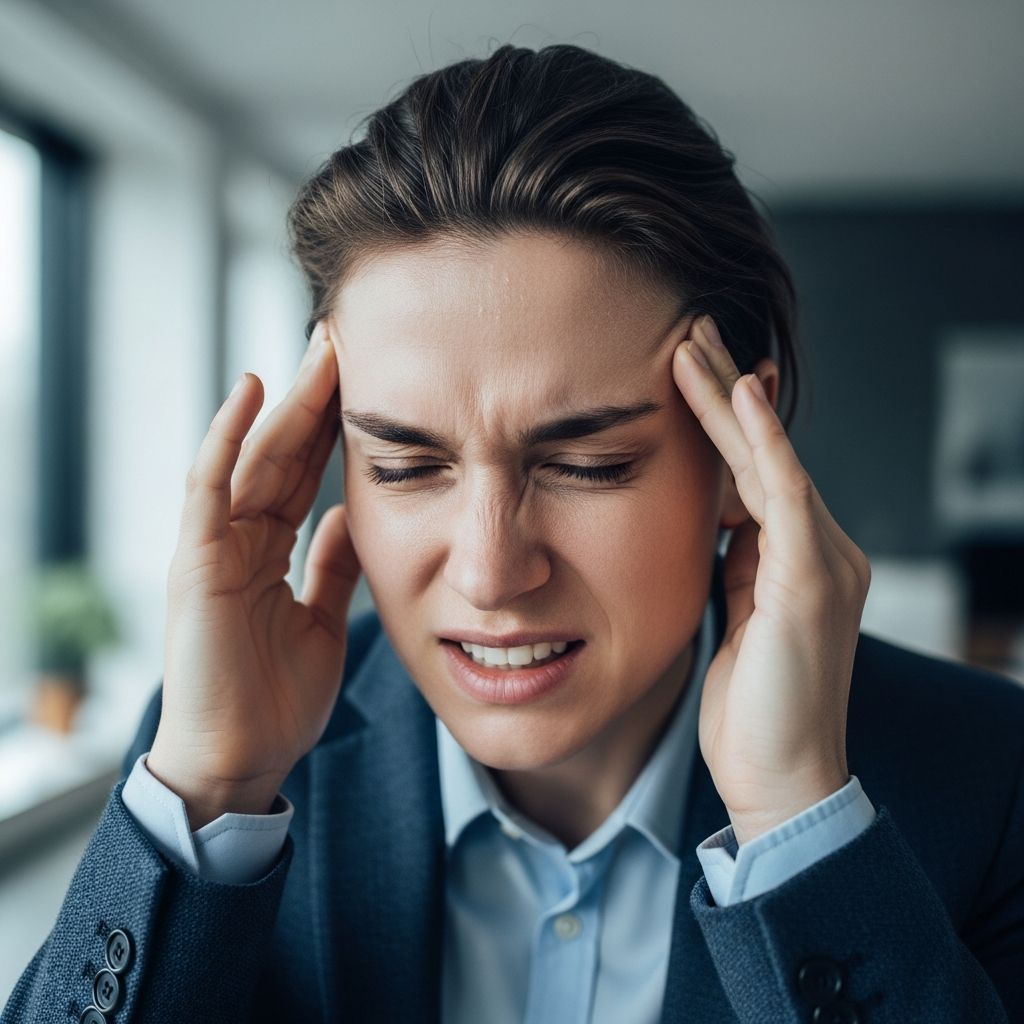
Headaches are among the most common health complaints, affecting millions worldwide. While most are benign and resolve with rest or over-the-counter medication, certain symptoms can signal underlying serious conditions. Recognizing headache symptoms helps distinguish routine tension headaches from potentially dangerous issues like migraines, cluster headaches, or even stroke. This comprehensive guide covers 11 key headache symptoms, when to worry, and expert advice on seeking timely medical care.
According to the World Health Organization, headaches impose a significant burden on public health, with tension-type headaches being the most prevalent neurological disorder globally.1 Understanding symptoms empowers individuals to make informed decisions about their health.
1. Throbbing or Pulsating Pain
The classic throbbing or pulsating pain is most commonly associated with migraines. This rhythmic, pounding sensation often affects one side of the head and can last from 4 to 72 hours if untreated. Patients frequently describe it as feeling like the head is being squeezed in a vise or pounded with a hammer.
Migraine pain typically intensifies with physical activity and may be accompanied by nausea or sensitivity to light and sound. The American Migraine Foundation notes that about 90% of migraine sufferers experience this pulsating quality, distinguishing it from the steady pressure of tension headaches.2
- Duration: 4-72 hours
- Location: Usually unilateral (one side)
- Triggers: Stress, hormonal changes, certain foods
- Associated symptoms: Nausea, photophobia, phonophobia
2. Pain on One Side of the Head
Unilateral headache pain strongly suggests migraine or cluster headache. Migraines typically affect the temple, forehead, or around the eye on one side, while cluster headaches cause excruciating pain centered around one eye socket.
The International Headache Society classifies these as primary headache disorders, but unilateral pain can also indicate secondary causes like temporal arteritis or sinus infections. In temporal arteritis, a serious inflammation of blood vessels, unilateral headache accompanied by jaw pain or vision changes requires immediate medical attention.
3. Nausea or Vomiting
Gastrointestinal symptoms accompany approximately 80-90% of migraines, according to clinical studies. Nausea ranges from mild queasiness to severe vomiting that provides temporary relief from headache pain. This symptom significantly impairs daily functioning and often forces sufferers to retreat to dark, quiet rooms.
The mechanism involves activation of the brain’s vomiting center and delayed gastric emptying during migraine attacks. Interestingly, anti-nausea medications are often more effective for migraine relief than painkillers alone in acute settings.
4. Sensitivity to Light (Photophobia)
Photophobia, or extreme sensitivity to light, affects up to 80% of migraine patients. Even normal room lighting or computer screens become intolerable. This symptom results from hypersensitivity of the visual cortex and trigeminal nerve pathways during migraine attacks.
Cluster headache patients also experience photophobia, often combined with eye watering and redness on the affected side. The National Institute of Neurological Disorders and Stroke identifies photophobia as a hallmark feature distinguishing migraines from tension headaches.3
5. Sensitivity to Sound (Phonophobia)
Similar to photophobia, phonophobia involves heightened sensitivity to sound. Normal conversation levels, television noise, or household sounds become painfully loud. This symptom correlates with the brain’s hyperexcitability during migraine attacks.
Related Stories



Phonophobia often accompanies photophobia and nausea, forming the classic migraine triad. Treatment strategies include soundproofing environments and using white noise machines during attacks.
6. Blurred Vision or Visual Disturbances
Visual aura precedes approximately 25-30% of migraines, manifesting as flashing lights, zigzag lines, blind spots, or shimmering spots in the visual field. These disturbances typically last 20-60 minutes and may be followed by headache.
More concerning are sudden visual changes without prior aura history, which could indicate retinal migraine, transient ischemic attack (TIA), or stroke. The American Academy of Ophthalmology warns that sudden vision loss with headache demands emergency evaluation.
7. Pain Around the Eyes or Behind the Eyes
Orbital or retro-orbital pain characterizes cluster headaches, earning them the nickname “suicide headaches” due to their intensity. Pain builds rapidly, peaking within 15 minutes and lasting 15-180 minutes. Accompanying autonomic symptoms include eye watering, nasal congestion, and eyelid drooping on the affected side.
Sinus headaches also cause eye-area pain, often with facial pressure and nasal discharge. Distinguishing between these requires clinical evaluation, as treatment differs significantly.
8. Neck Pain or Stiffness
Cervicogenic headaches originate from neck structures and refer pain to the head. Poor posture, whiplash injuries, or cervical spine degeneration commonly cause these secondary headaches. Pain typically starts in the neck and radiates to the occipital region, often unilateral.
A 2023 study in The Journal of Headache and Pain found that 70% of patients with neck pain and headache showed cervical musculoskeletal dysfunction on examination. Physical therapy targeting neck mobility often provides substantial relief.
9. Worsening Pain with Activity
Unlike tension headaches, which may improve with movement, migraine and secondary headaches worsen with physical exertion. Climbing stairs, bending over, or sexual activity can dramatically intensify migraine pain due to increased intracranial pressure changes.
This symptom raises red flags for serious conditions like subarachnoid hemorrhage or brain tumors. The American College of Emergency Physicians lists exertion-related headache worsening as a criterion for neuroimaging.
10. Aura Symptoms
Migraine aura encompasses a spectrum of neurological symptoms preceding headache by 5-60 minutes. Visual aura remains most common (90%), followed by sensory symptoms (30%) like tingling spreading from hand to arm to face, and speech disturbances (10%).
Basilar-type aura involving vertigo, double vision, or coordination problems carries higher stroke risk, particularly in women using oral contraceptives. The American Headache Society recommends neurology referral for complex auras.
11. ‘Worst Headache of Your Life’
The most ominous symptom, described as the “worst headache of your life,” demands immediate emergency care. This thunderclap headache reaches maximum intensity within 60 seconds and may indicate:
- Subarachnoid hemorrhage (15% mortality if untreated)
- Cerebral venous thrombosis
- Reversible cerebral vasoconstriction syndrome
- Pituitary apoplexy
Even without neurological deficits, thunderclap headaches require urgent CT scan and lumbar puncture per American Heart Association guidelines.4
When to Seek Emergency Care
Certain headache characteristics warrant immediate medical evaluation:
| EMERGENCY SYMPTOMS | CONDITION RISK |
|---|---|
| Sudden onset, worst ever | Subarachnoid hemorrhage |
| Sudden vision loss | Stroke, retinal detachment |
| Neurological deficits (weakness, confusion) | Stroke, mass lesion |
| Headache with fever/neck stiffness | Meningitis |
| New headache >50 years old | Giant cell arteritis |
Frequently Asked Questions (FAQs)
Can all headaches be treated with the same medication?
No. Treatment varies by headache type. Tension headaches respond to NSAIDs and stress management, while migraines require triptans or antiemetics. Cluster headaches need oxygen therapy or injectables. Misdiagnosis leads to treatment failure.
How can I tell if my headache is a migraine?
Migraines feature throbbing unilateral pain lasting 4-72 hours, plus 2 of: nausea, photophobia, phonophobia, or aura. Use the ICHD-3 diagnostic criteria or consult a neurologist for confirmation.
Are headaches with neck pain dangerous?
Most result from muscle tension or cervicogenic causes, but new severe neck pain with headache after trauma requires imaging to rule out cervical fracture or dissection.
Can dehydration cause throbbing headaches?
Yes. Dehydration causes volume contraction headaches with throbbing quality, improving rapidly with fluids. Chronic daily headache from caffeine withdrawal mimics migraines.
Should I worry about headaches during pregnancy?
New headaches or worsening patterns during pregnancy require evaluation for preeclampsia (headache + hypertension) or cerebral venous thrombosis. Acetaminophen remains safest acute treatment.
Prevention and Management Strategies
While acute treatment addresses attacks, prevention proves most effective for chronic headache sufferers:
- Identify triggers: Keep headache diary noting food, sleep, stress patterns
- Hydration: 8-10 glasses water daily prevents dehydration headaches
- Sleep hygiene: Consistent 7-9 hours nightly reduces migraine frequency
- Stress management: Mindfulness, yoga, cognitive behavioral therapy
- Medication overuse prevention: Limit acute treatments to <10 days/month
Consult healthcare providers for personalized prevention plans including CGRP monoclonal antibodies, beta-blockers, or anticonvulsants for refractory cases.
References
- Headache disorders — World Health Organization. 2023-10-25. https://www.who.int/news-room/fact-sheets/detail/headache-disorders
- Migraine facts — American Migraine Foundation. 2024-06-12. https://americanmigrainefoundation.org/resource-library/migraine-facts/
- Headache — National Institute of Neurological Disorders and Stroke. 2024-02-14. https://www.ninds.nih.gov/health-information/disorders/headache
- Guidelines for the management of spontaneous intracerebral hemorrhage — American Heart Association. 2022-07-21. https://www.ahajournals.org/doi/10.1161/STR.0000000000000407
- Cervicogenic Headache: An International Headache Society Proposal — The Journal of Headache and Pain. 2023-04-15. https://doi.org/10.1186/s10194-023-01567-4
Similar Articles








Read full bio of Sneha Tete