Headaches And Migraines Guide: Symptoms, Causes, And Treatments
Comprehensive guide to understanding headaches and migraines: symptoms, types, triggers, treatments, and prevention strategies for better management.
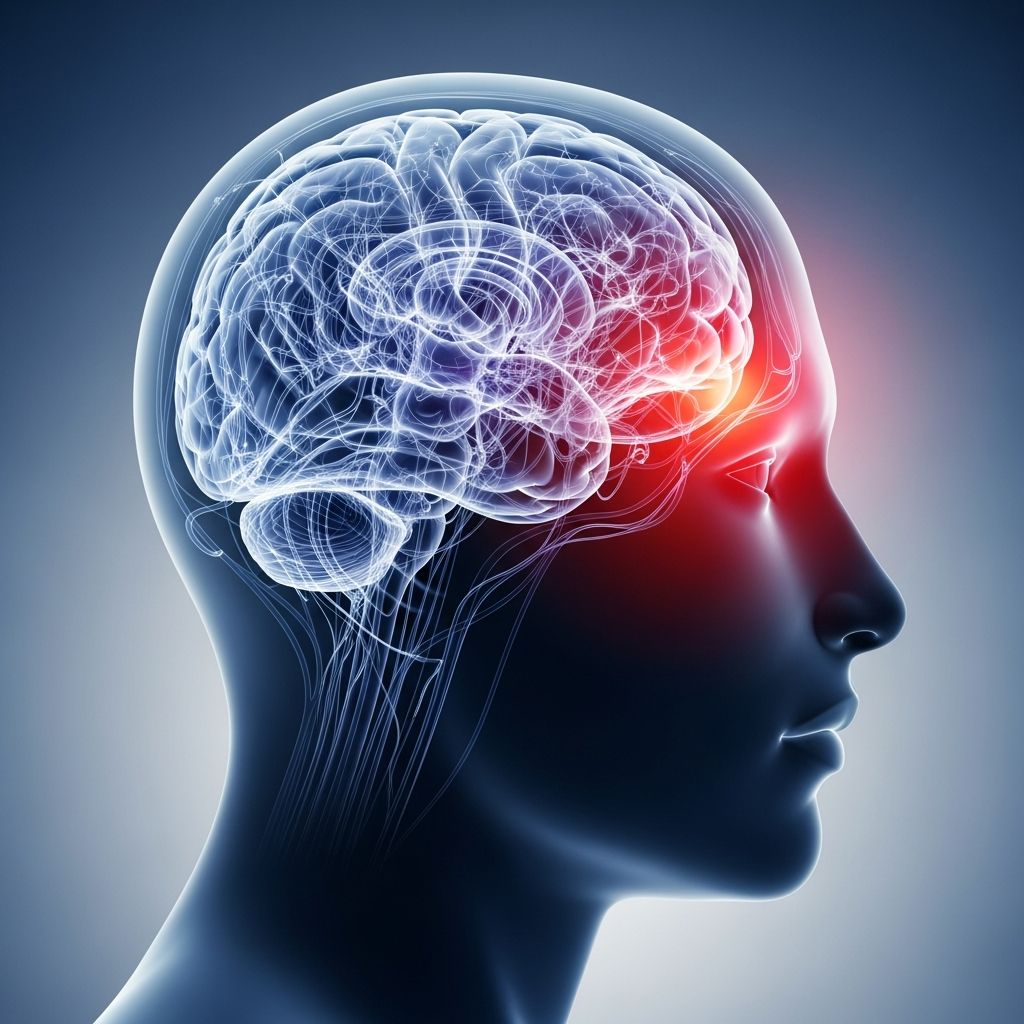
Headaches and migraines are among the most prevalent neurological conditions, affecting over one billion people worldwide annually, with higher rates among young adults and females. Migraine is characterized as an episodic headache with features like sensitivity to light, sound, or movement, often accompanied by neurological symptoms.
What Are Headaches and Migraines?
Headaches encompass a broad range of pain in the head, scalp, or neck, while migraines represent a specific, recurring syndrome involving intense throbbing pain and sensory disturbances. They can be categorized into primary types like tension headaches and migraines, or secondary types stemming from underlying issues. Migraines feature distinct phases: premonitory (early warning signs like mood changes), aura (visual or sensory disturbances), headache attack (peak pain), and postdrome (exhaustion phase).
Globally, migraine prevalence is high, with significant morbidity impacting daily life. Comorbidities such as sleep disorders, anxiety, and autoimmune conditions often coexist, complicating management.
Types of Headaches
Headaches are classified into primary (not caused by another condition) and secondary (linked to injuries or illnesses). Here’s a breakdown:
- Tension Headaches: Most common, feeling like a tight band around the head; often stress-related and bilateral.
- Migraines: Throbbing, unilateral pain lasting 4-72 hours; may include nausea, vomiting, and photophobia.
- Cluster Headaches: Severe, stabbing pain around one eye, occurring in clusters; more common in men.
- Sinus Headaches: Pressure in forehead or cheeks due to sinus inflammation.
- Secondary Headaches: From causes like trauma, infection, or tumors.
Symptoms of Migraines
Migraine symptoms extend beyond pain. Common signs include:
- Throbbing head pain, usually on one side
- Sensitivity to light (**photophobia**), sound (**phonophobia**), and smells
- Nausea and vomiting
- Aura: Visual disturbances like flashing lights or zigzag lines in 25-30% of cases
- Premonitory phase: Yawning, irritability, food cravings
- Postdrome: Feeling drained or foggy
Syndromes associated with migraines include abdominal migraine, benign paroxysmal vertigo, and confusional migraine, particularly in children.
Migraine Triggers
Identifying triggers is crucial for prevention. Common ones include:
- Stress: Reported by up to 62% of patients as the top trigger; intense stress often initiates first attacks.
- Hormonal Changes: Fluctuations in estrogen, common in women during menstruation, pregnancy, or menopause.
- Sleep Disturbances: Both excess and insufficient sleep; bidirectional link with insomnia three times more likely in migraineurs.
- Dietary Factors: Alcohol (red wine), caffeine, aged cheeses, processed foods with MSG.
- Environmental: Bright lights, strong odors, weather changes.
- Genetics: Family history increases risk significantly.
Triggers vary individually; keeping a headache diary helps track patterns.
Causes and Risk Factors
The exact causes involve genetic, environmental, and neurovascular factors. Neuronal hyperactivity leads to cortical spreading depression, causing aura and pain. Neurogenic inflammation releases neuropeptides like CGRP, promoting proinflammatory cytokines such as TNF-α.
Risk factors:
- Genetics: Heritable in 60-70% of cases; epigenetic influences noted.
- Sex: Three times more common in females due to hormonal influences.
- Age: Peaks in 30s-40s.
- Comorbidities: Links to epilepsy, multiple sclerosis (MS), rheumatoid arthritis (RA), anxiety disorders.
For instance, migraineurs have a 4-5 times higher risk of generalized anxiety disorder (GAD), with a reciprocal relationship.
Related Stories



| Condition | Link to Migraine | Shared Mechanisms |
|---|---|---|
| Multiple Sclerosis | Frequent early symptom | Genetic, neuroinflammatory |
| Rheumatoid Arthritis | Chronic pain comorbidity | Autoimmune inflammation, TNF-α |
| Epilepsy | Neuronal overactivity | Cortical spreading depression |
| Anxiety (GAD) | 4-5x higher risk | Stress response, bidirectional |
Diagnosis
Diagnosis relies on clinical history, headache diaries, and ruling out secondary causes via imaging (MRI/CT) or blood tests. Criteria from the International Headache Society classify migraines as with/without aura, chronic (15+ days/month), or refractory (failing multiple preventives). Neurologists assess frequency, duration, and associated symptoms.
Treatment Options
Treatment divides into acute (abortive) and preventive.
Acute Treatments
- Over-the-Counter (OTC): Ibuprofen, acetaminophen, aspirin; effective for mild attacks.
- Triptans: Sumatriptan, rizatriptan; target serotonin receptors to constrict vessels.
- Antiemetics: Metoclopramide for nausea.
- Neuromodulation Devices: Non-invasive stimulators like Cefaly.
Preventive Treatments
- Medications: Beta-blockers (propranolol), anticonvulsants (topiramate), CGRP monoclonal antibodies (erenumab), Botox for chronic migraine.
- Lifestyle: Regular sleep, hydration, stress management.
Refractory cases may require advanced therapies after failing 3+ classes of preventives.
Prevention and Lifestyle Tips
Proactive steps reduce frequency:
- Maintain consistent sleep schedules; address insomnia.
- Manage stress via mindfulness, yoga, or CBT.
- Avoid known triggers; stay hydrated (8-10 glasses/day).
- Regular exercise: 150 minutes moderate activity weekly.
- Diet: Balanced meals, limit caffeine/alcohol.
- Supplements: Riboflavin, magnesium, coenzyme Q10 (consult doctor).
When to See a Doctor
Seek immediate care for:
- Sudden, severe “thunderclap” headache
- Headache with neurological deficits (weakness, confusion)
- Worst headache ever, post-head injury
- Accompanied by fever, stiff neck, vision loss
- New headache after age 50 or with cancer/immunosuppression
Chronic headaches (15+ days/month) warrant specialist evaluation.
Frequently Asked Questions (FAQs)
What is the difference between a headache and a migraine?
A headache is general head pain; migraines involve throbbing pain, nausea, sensitivity to stimuli, and phases like aura.
Can stress really cause migraines?
Yes, stress is the most common trigger (up to 62% of patients), initiating attacks via neurovascular changes.
Are migraines hereditary?
Often; 60-70% have family history, with genetic and epigenetic factors.
How are migraines treated without medication?
Lifestyle changes: sleep hygiene, exercise, trigger avoidance, acupuncture, biofeedback.
Do migraines get worse with age?
They peak in 30s-40s, often improve post-menopause in women, but can persist chronically.
Comorbidities and Long-Term Management
Migraines link to conditions like MS (early symptom), RA (shared inflammation), and psychiatric disorders. Bidirectional ties with sleep and anxiety amplify issues. Long-term, multidisciplinary care involving neurologists, therapists, and dietitians optimizes outcomes. Recent advances like CGRP inhibitors offer hope for refractory cases.
References
- Migraine: A Review on Its History, Global Epidemiology, Risk Factors, and Comorbidities — Al-Khazali HM et al. PMC. 2022-03-07. https://pmc.ncbi.nlm.nih.gov/articles/PMC8904749/
- Migraine Clinical Guidelines — American Academy of Neurology. 2024-05-15. https://www.aan.com/Guidelines/Home/GuidelineDetail/1237
- Global Burden of Migraine — World Health Organization. 2023-11-20. https://www.who.int/news-room/fact-sheets/detail/headache-disorders
- International Classification of Headache Disorders (ICHD-3) — International Headache Society. 2025-01-10. https://ichd-3.org/
- Comorbidities in Migraine: A Review — Gazerani P. Journal of Headache and Pain. 2023-06-12. https://doi.org/10.1186/s10194-023-01592-5
Similar Articles








Read full bio of medha deb