Headaches in Early Pregnancy: Causes and Relief
Understanding common headaches during early pregnancy and safe relief strategies for expectant mothers.
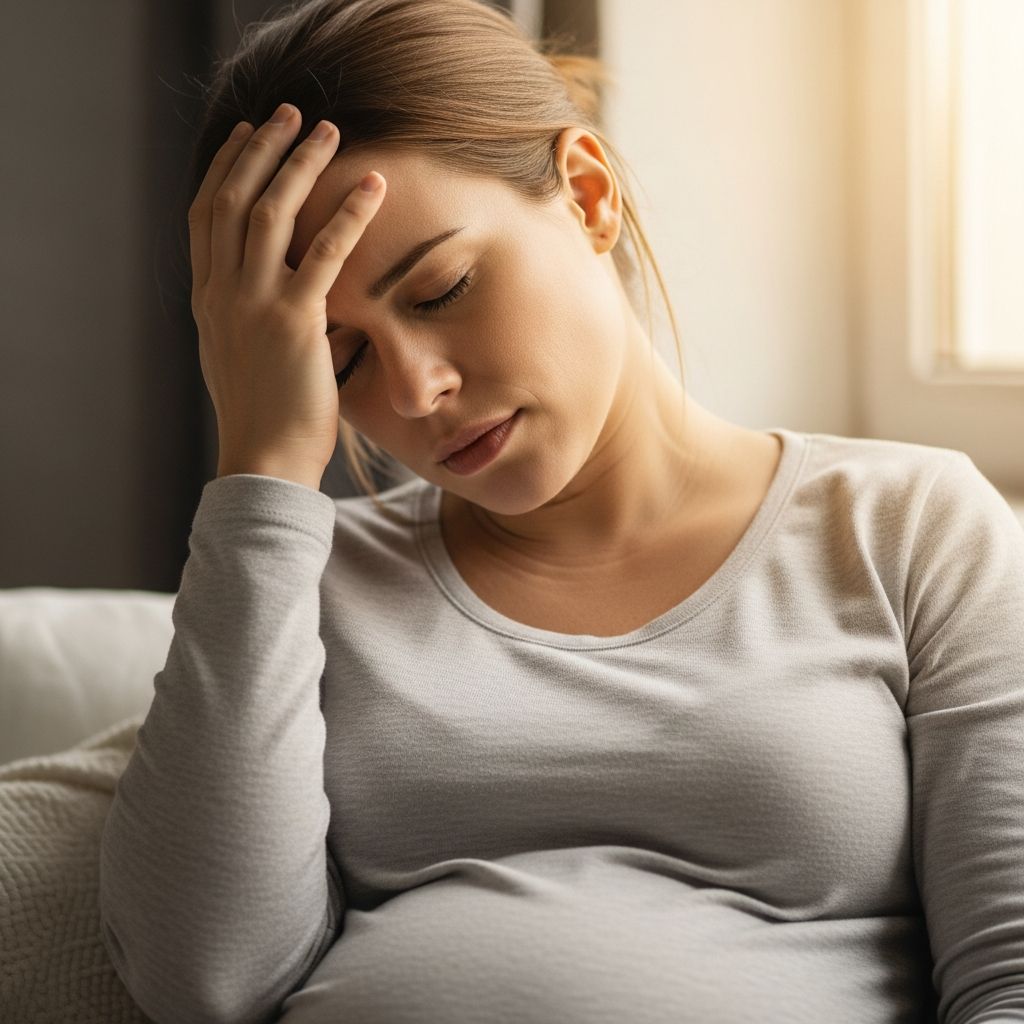
Headaches are among the most common discomforts experienced during early pregnancy, affecting many expectant mothers throughout their first trimester and beyond. While these headaches are typically not harmful to your baby, they can be uncomfortable and concerning for you as you navigate this important time in your life. Understanding what causes pregnancy headaches, recognizing when they might indicate a more serious condition, and knowing how to manage them safely can help you maintain comfort and peace of mind during your pregnancy.
Understanding Headaches During Early Pregnancy
Many women experience headaches more frequently during the first trimester of pregnancy compared to before they were pregnant. These headaches are often mild to moderate and typically improve as pregnancy progresses. The good news is that headaches themselves do not harm your developing baby, though they can certainly affect your quality of life and overall well-being during this transformative period.
Headaches during early pregnancy fall into two main categories: primary headaches and secondary headaches. Primary headaches, such as tension headaches and migraines, occur by themselves and are not symptoms of another underlying condition. Secondary headaches, by contrast, are symptoms of an underlying medical condition that requires attention and monitoring. Understanding which type you’re experiencing is important for proper management and knowing when to seek medical care.
Common Causes of Early Pregnancy Headaches
Several factors contribute to the increased frequency and intensity of headaches during early pregnancy. Recognizing these causes can help you identify triggers and take preventive measures.
Hormonal Changes
The most significant contributor to headaches in early pregnancy is the dramatic fluctuation in hormone levels, particularly estrogen and progesterone. These hormonal changes can cause blood vessels to expand or tighten unexpectedly, leading to the throbbing or pressure sensations characteristic of many pregnancy headaches. The body’s hormonal adjustment during the first trimester is one of the most profound changes occurring during pregnancy, and headaches are a natural response to these shifts.
Increased Blood Volume and Circulation Changes
During pregnancy, your body increases blood volume significantly to support your growing baby and placenta. This increased blood flow places additional pressure on blood vessels throughout your body, including those in your head and brain. The physiological demand on your cardiovascular system can trigger headaches, particularly as your body adjusts to these new circulatory demands.
Dehydration
Dehydration is one of the most common and easily preventable causes of pregnancy headaches. During pregnancy, your fluid requirements increase substantially. While non-pregnant women typically need two to three liters of water daily, pregnant women should consume three to four liters of water per day. Inadequate fluid intake, combined with increased blood volume and the physiological demands of pregnancy, creates an environment conducive to dehydration-related headaches.
Sleep Disruptions and Fatigue
Many pregnant women experience difficulty sleeping during the first trimester due to hormonal changes, physical discomfort, and anxiety about the pregnancy. Lack of sleep and severe fatigue are well-documented triggers for tension headaches. Additionally, the stress associated with preparing for pregnancy and anticipating upcoming family changes can contribute to both sleep disruption and headache development.
Related Stories



Low Blood Sugar
Pregnancy increases your metabolic demands, and changes in blood sugar regulation can trigger headaches. If you skip meals or go too long without eating, your blood sugar may drop, causing a headache. Maintaining regular meal schedules and eating balanced snacks throughout the day can help prevent hunger-related headaches.
Caffeine Withdrawal
Many pregnant women are advised to limit or eliminate caffeine consumption during pregnancy. If you suddenly stop drinking coffee, tea, or other caffeinated beverages, withdrawal headaches are common. These headaches typically peak two to three days after caffeine cessation and can last for about a week. Gradually reducing caffeine intake rather than quitting abruptly can help minimize withdrawal symptoms.
Stress and Emotional Changes
The emotional aspects of pregnancy—both the joy and the anxiety—can trigger tension headaches. Stress from preparing for your baby’s arrival, concerns about health, and adjusting to the reality of becoming a parent can all manifest as physical tension and headaches. Managing stress through relaxation techniques, support networks, and professional counseling when needed can help reduce stress-related headaches.
Sinus and Nasal Congestion
Pregnancy increases nasal congestion and can trigger rhinitis, a condition that causes a runny nose and stuffy sinuses. This pregnancy rhinitis can lead to sinus headaches, which feel like pressure or aching in the front of the head, particularly around the sinuses.
Types of Headaches in Early Pregnancy
Tension Headaches
Tension headaches are the most common type of headache experienced during pregnancy, accounting for approximately 26 percent of all pregnancy headaches. These headaches are characterized by a dull, pressing sensation that feels like a tight band around your head. Tension headaches during early pregnancy are often triggered by hormonal changes, lack of sleep, stress, muscle tension in the neck and shoulders, and poor posture.
Migraine Headaches
Migraines are intense, throbbing headaches that often affect one side of the head. During pregnancy, the pattern of migraines can change—some women find their migraines improve, while others experience them more frequently or with greater intensity. Migraines are caused by expansion of blood vessels in the brain and are often accompanied by nausea, vomiting, and sensitivity to light. Some pregnant women with migraines may experience an aura, which includes seeing flashes of light or feeling tingling sensations in their arms and legs before the migraine begins.
Cluster Headaches
Cluster headaches are less common than tension headaches or migraines but can occur during pregnancy. These headaches involve severe pain typically concentrated around one eye and tend to occur in clusters or patterns.
When to Seek Medical Attention
While most headaches in early pregnancy are benign and manageable, certain warning signs indicate you should contact your healthcare provider immediately. These red flags require urgent medical evaluation to rule out serious conditions.
Red Flag Symptoms
You should seek immediate medical attention if you experience any of the following:
– Sudden-onset headache that feels like a thunderbolt striking your head- Severe headache that does not respond to home remedies or medication- Headache accompanied by vision changes, such as blurred vision, double vision, or seeing spots- Headache with confusion or difficulty concentrating- Headache with fever or signs of infection- Severe headache after 20 weeks of pregnancy, which could indicate preeclampsia- Headache accompanied by upper abdominal pain or right upper quadrant pain- Headache with seizures or neurological symptoms- Recent head or neck injury followed by persistent headache
Preeclampsia and Pregnancy-Related High Blood Pressure
One of the most important conditions to rule out when experiencing severe headaches after 20 weeks of pregnancy is preeclampsia. Preeclampsia is a serious condition characterized by high blood pressure and protein in the urine that affects approximately five to ten percent of pregnancies. A severe, persistent, and throbbing headache that does not subside with medication may be a warning sign of preeclampsia, particularly if accompanied by high blood pressure readings.
Early-onset preeclampsia develops before 34 weeks of pregnancy and requires careful monitoring and management. Headaches associated with preeclampsia may be accompanied by vision changes, upper abdominal pain, decreased urine output, and reduced platelet counts. If you develop a new, severe headache after 20 weeks of pregnancy, contact your healthcare provider immediately for evaluation.
Safe Management Strategies for Pregnancy Headaches
Non-Medication Approaches
Several safe, non-medication strategies can effectively relieve headaches during early pregnancy:
– Rest in a dark, quiet environment: Lying down in a comfortable position in a dark room can help alleviate both tension headaches and migraines- Apply heat or cold: A warm compress on your neck and shoulders or a cold compress on your forehead may provide relief- Stay hydrated: Drink water consistently throughout the day, aiming for at least three to four liters daily- Eat regular meals: Maintain consistent meal schedules and eat balanced snacks to prevent low blood sugar- Practice relaxation techniques: Deep breathing, progressive muscle relaxation, prenatal yoga, and meditation can reduce tension and stress- Get adequate sleep: Aim for seven to nine hours of sleep nightly and consider prenatal pillows for comfort- Manage caffeine gradually: If reducing caffeine, do so slowly over several days to minimize withdrawal headaches- Exercise safely: Prenatal exercise can reduce tension headaches and improve overall well-being- Improve posture: Practice good posture during daily activities to reduce neck and shoulder tension
Medication Options
If non-medication approaches don’t provide adequate relief, certain medications are generally considered safe during pregnancy. Paracetamol (acetaminophen) is the first-line medication for headache relief during pregnancy and has been used safely for decades. Always consult your healthcare provider before taking any medication, including over-the-counter options, as individual circumstances may affect what is safe for you.
Your doctor can provide personalized recommendations based on your medical history, the severity of your headaches, and your specific pregnancy circumstances.
Frequently Asked Questions
Q: Are pregnancy headaches harmful to my baby?
A: No, headaches themselves do not harm your developing baby. However, severe headaches after 20 weeks, particularly those that don’t respond to treatment, should be evaluated by your healthcare provider to rule out preeclampsia or other serious conditions.
Q: Will my headaches continue throughout my pregnancy?
A: Many women find that their headaches improve as pregnancy progresses beyond the first trimester. However, some women continue to experience headaches, and new headaches can develop in later pregnancy for different reasons, such as weight gain and posture changes.
Q: Can I use my regular migraine medication during pregnancy?
A: Some migraine medications are safe during pregnancy, while others are not. Always consult with your healthcare provider before taking any medication during pregnancy, including ones you used before becoming pregnant. Your doctor can recommend safe alternatives if your usual medications are not appropriate.
Q: How much water should I drink to prevent dehydration headaches?
A: Pregnant women should aim to drink three to four liters of water per day, depending on your activity level, climate, and individual needs. Spread fluid intake throughout the day rather than consuming large amounts at once.
Q: When should I contact my healthcare provider about headaches?
A: Contact your provider if you experience sudden severe headaches, headaches that don’t respond to home remedies or medication, headaches accompanied by vision changes or other concerning symptoms, or new severe headaches after 20 weeks of pregnancy.
Conclusion
Headaches in early pregnancy are a common experience for many expectant mothers, but they are manageable with proper understanding and appropriate interventions. By recognizing the common triggers, implementing preventive strategies, and knowing when to seek medical attention, you can reduce the impact of headaches on your pregnancy experience. Remember that while most pregnancy headaches are benign, your healthcare provider is always your best resource for evaluating new or worsening headaches, particularly after 20 weeks of pregnancy. Taking care of yourself through adequate hydration, sleep, stress management, and regular prenatal care supports both your well-being and your baby’s healthy development.
References
- Headaches in Pregnancy: What’s Normal and What’s Not — Orlando Health. 2024. https://www.orlandohealth.com/content-hub/headaches-in-pregnancy-whats-normal-and-whats-not/
- Headaches during pregnancy — Pregnancy Birth & Baby (Australian Government Department of Health). 2024. https://www.pregnancybirthbaby.org.au/headaches-during-pregnancy
- Headaches during pregnancy — Utah Department of Health and Human Services, Maternal and Infant Health Program. 2024. https://mihp.utah.gov/headaches-during-pregnancy
- Headaches in Early Pregnancy — University of Rochester Medical Center. 2024. https://www.urmc.rochester.edu/encyclopedia/content?contenttypeid=134&contentid=3
- Headache During Pregnancy: What You Need to Know — Healthline. 2024. https://www.healthline.com/health/pregnancy/headache-during-pregnancy
- Headaches in pregnancy — National Health Service (NHS). 2024. https://www.nhs.uk/pregnancy/common-symptoms/headaches/
- Headache in pregnancy: a brief practical guide — National Center for Biotechnology Information (NIH). 2022. https://pmc.ncbi.nlm.nih.gov/articles/PMC9710804/
Similar Articles








Read full bio of Sneha Tete