Headaches and Women: What Do Hormones Have to Do with It?
Understand how hormonal fluctuations trigger headaches in women and discover effective management strategies.

Understanding Hormones and Their Impact on Headaches
Headaches are a common health concern affecting millions of people worldwide, but women experience them at significantly higher rates than men. Research demonstrates that migraines occur approximately three times more frequently in women than in men, affecting over 12% of the adult population in the United States. The primary culprit behind this disparity lies in the intricate relationship between fluctuating hormone levels and headache susceptibility. Estrogen, a key female sex hormone, plays a crucial role in regulating neurotransmitter systems that directly influence pain pathways in the brain. Understanding this hormonal connection is essential for women seeking to manage their headaches effectively.
The relationship between hormones and headaches extends far beyond simple correlation. When estrogen levels drop—particularly falling below 45–50 pg/mL—women become significantly more vulnerable to experiencing headaches and migraines. This hormonal sensitivity explains why many women notice patterns in their headache occurrences related to their menstrual cycle, pregnancy, or menopause. By recognizing these patterns and understanding the underlying hormonal mechanisms, women can work with healthcare providers to develop more targeted and effective treatment strategies.
The Menstrual Cycle and Hormone-Related Headaches
One of the most well-documented connections between hormones and headaches occurs in relation to the menstrual cycle. Menstrual migraines, also called hormonally-mediated migraines, represent a distinct category of headaches that develop specifically in response to fluctuating estrogen levels during menstruation. These headaches typically emerge within a three-day window before menstruation begins, coinciding with the natural drop in estrogen that occurs as part of the normal menstrual cycle.
A significant percentage of women who experience migraines report a clear association with their menstrual cycle. Research indicates that as many as 60% of women with migraines identify menstruation as a trigger for their headaches. This high prevalence underscores the powerful influence that hormonal fluctuations have on migraine susceptibility. The symptoms associated with menstrual migraines are often similar to other types of migraines but may include additional manifestations such as sweating, chills, tender scalp, pale skin, and abdominal pain.
The severity and duration of menstrual migraines can vary considerably among individuals. When left unmanaged, these headaches can persist for 4 to 72 hours, significantly impacting daily activities, work productivity, and quality of life. For some women, these debilitating headaches continue throughout their reproductive years until they reach menopause, making long-term management strategies particularly important.
Hormone Fluctuations Across Women’s Life Stages
Hormonal influences on headaches are not limited to the menstrual cycle but extend across all major hormonal transitions in a woman’s life. Understanding these transitions helps explain why headache patterns may change at different life stages.
Puberty and Menarche
For many girls, migraine headaches first appear during puberty, coinciding with menarche—the onset of menstruation. The surge in estrogen during this developmental period triggers significant neurological changes that can predispose young women to migraines. This timing explains why migraine prevalence increases dramatically in females after puberty compared to their male counterparts.
Pregnancy and Postpartum Period
Pregnancy involves profound hormonal changes that can significantly alter headache patterns. Some women experience improvement in their migraines during pregnancy due to sustained estrogen levels, while others may experience worsening symptoms. The postpartum period and breastfeeding also involve substantial hormonal shifts that can trigger or exacerbate headaches, requiring women to adjust their management strategies during these vulnerable periods.
Perimenopause and Menopause
As women approach menopause, hormonal fluctuations become increasingly erratic. During perimenopause—the transitional period leading to menopause—the ovaries gradually produce less estrogen, and hormone levels become unpredictable. This period often brings an increase in headache frequency and severity for many women, particularly those with a history of migraines. While some women experience improvement after menopause as hormone levels stabilize, others continue to struggle with headaches, especially if they use hormone replacement therapy (HRT).
Related Stories



Common Symptoms of Hormone-Related Headaches
Recognizing the symptoms of hormone-related headaches is the first step toward effective management. While these symptoms often overlap with other types of headaches, certain presentations are particularly characteristic of hormonally-mediated migraines.
- Severe head pain that can be debilitating
- Throbbing or pulsing sensations in the head
- Visual disturbances including zigzag lines, spots, or blurred vision
- Pain localized to one or both sides of the head
- Heightened sensitivity to sound, light, or strong smells
- Nausea, vomiting, or loss of appetite
- General weakness and fatigue
- Worsening pain with physical exercise
- Pale skin appearance
The presence of these symptoms, particularly when they align with menstrual cycle patterns or other hormonal events, strongly suggests a hormonal component to the headaches. Tracking these symptoms alongside menstrual patterns, hormone therapy changes, or other hormonal events can provide valuable diagnostic information for healthcare providers.
Identifying Hormone Headache Triggers
While hormonal fluctuations serve as the primary trigger for hormonally-mediated headaches, numerous secondary factors can amplify or precipitate these headaches. Identifying personal triggers enables women to develop preventive strategies and minimize headache occurrence.
Direct hormonal triggers include drops in estrogen levels, birth control pills, hormone replacement therapy, and the menstrual cycle itself. Beyond these primary hormonal factors, numerous environmental and lifestyle elements can contribute to hormone headache development. Environmental triggers encompass strong smells, bright lights, and weather changes. Lifestyle and dietary factors include caffeine consumption, alcohol intake, certain foods and drinks, and inadequate or excessive sleep. Stress, anxiety, and hunger can also precipitate headaches. Additionally, jaw-related issues such as teeth grinding, jaw clenching, and jaw disorders may contribute to migraine onset, as can dehydration.
It is important to recognize that hormone headaches rarely result from a single trigger. Instead, multiple factors typically combine to produce headache symptoms. A woman might experience a headache when hormonal fluctuations coincide with stress, inadequate sleep, and caffeine consumption—factors that individually might not trigger a headache but collectively overwhelm the nervous system’s pain-regulating mechanisms.
The Role of Birth Control and Hormone Therapy
Exogenous hormones—those introduced through medications rather than produced naturally by the body—can significantly influence headache patterns. Birth control pills and hormone replacement therapy are two common sources of exogenous estrogen that may affect headaches in different ways.
For some women, hormonal contraceptives help stabilize estrogen levels and reduce migraine frequency. Certain regimens of combined hormone contraceptives may decrease both headache frequency and migraine aura occurrence. However, for other women, the hormonal fluctuations inherent in traditional birth control pill regimens—particularly the hormone-free interval—can trigger migraines. Women taking birth control pills may notice their migraines worsen, improve, or change pattern entirely.
Hormone replacement therapy used to manage menopausal symptoms presents a similar paradox. While HRT can alleviate hot flashes and other menopausal symptoms, some research suggests it may worsen migraines in certain women. The key lies in finding the appropriate hormone dose and delivery method that minimizes hormonal fluctuations while providing symptom relief.
Diagnostic Approaches and Testing
Accurate diagnosis of hormone-related headaches requires careful evaluation by healthcare providers. Keeping a detailed headache diary that tracks headache occurrence, severity, duration, associated symptoms, and menstrual cycle dates provides invaluable diagnostic information. This record helps identify patterns and correlations between hormonal events and headache onset.
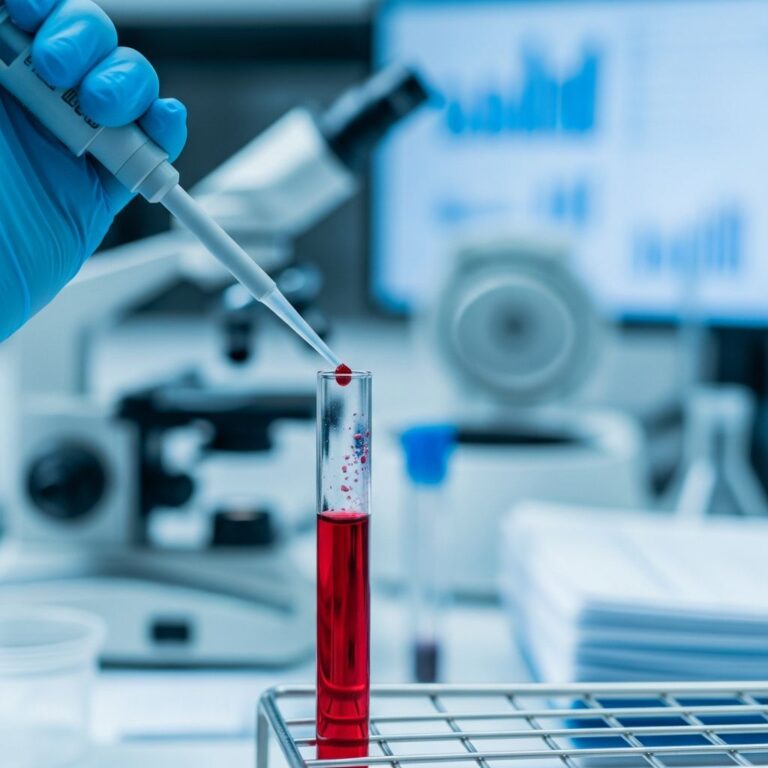
Hormone lab tests can help determine whether hormone imbalances contribute to headache symptoms. These tests measure hormone levels in urine, saliva, or blood samples. Understanding individual hormone patterns—whether levels are too low, too high, or fluctuating abnormally—helps guide treatment decisions. Additionally, healthcare providers may assess family history, as a family history of menstrual migraines increases individual risk of experiencing these headaches.
Treatment and Management Strategies
Multiple evidence-based approaches exist for managing hormone-related headaches, ranging from lifestyle modifications to pharmaceutical interventions. Effective management often combines several strategies tailored to individual needs and circumstances.
Lifestyle and Self-Care Approaches
Self-care methods form the foundation of headache management for many women. These strategies include maintaining consistent sleep schedules, staying well-hydrated, managing stress through relaxation techniques, and avoiding identified personal triggers. Regular physical exercise strengthens the nervous system and can reduce migraine frequency. Dietary modifications—such as avoiding triggering foods and maintaining stable blood sugar—help minimize headache onset. These preventive measures often reduce the frequency and severity of hormone-related headaches without pharmaceutical intervention.
Medications
When self-care approaches prove insufficient, various medications can help manage hormone-related headaches. Over-the-counter pain relievers provide symptom relief for mild to moderate headaches. For more severe or frequent migraines, prescription medications specifically designed for migraine management offer better outcomes. Preventive medications taken regularly can reduce headache frequency for women experiencing frequent menstrual migraines.
Hormonal Treatments
For women with migraines clearly triggered by estrogen fluctuations, hormonal treatments represent a targeted approach. Consistent estrogen therapy—taken daily rather than cyclically—helps maintain stable estrogen levels and prevents the drops that trigger migraines. Estrogen patches such as Estraderm provide steady hormone delivery without the fluctuations of oral contraceptives. For menopausal women, continued estrogen therapy or supplements help ease bothersome symptoms and support hormone headache management. These hormonal approaches work by minimizing the magnitude of estrogen decline that precipitates migraines in susceptible women.
When Hormones Are the Missing Piece
Many women struggle with headaches for years without recognizing the hormonal component driving their symptoms. Once this connection becomes apparent through tracking patterns and consulting with healthcare providers, treatment becomes significantly more effective. Women who previously experienced frequent, debilitating migraines often find substantial relief through hormone-focused management strategies.
The key to unlocking more effective headache management lies in recognizing that hormone fluctuations—not just stress, diet, or other traditional triggers—play a fundamental role in migraine susceptibility for many women. By understanding this connection and working with healthcare providers to address hormonal factors directly, women can move from merely coping with frequent headaches to genuinely preventing them.
Frequently Asked Questions
Q: Why do women experience more migraines than men?
A: Women experience migraines approximately three times more frequently than men, primarily due to the influence of estrogen on neurotransmitter systems and pain pathways in the brain. Hormonal fluctuations throughout women’s reproductive years increase migraine susceptibility compared to the more stable hormone levels typically present in men.
Q: Can birth control pills help or worsen hormone-related headaches?
A: Birth control pills can have varying effects depending on the individual and the specific formulation. For some women, they stabilize estrogen levels and reduce migraine frequency, while for others, they may trigger or worsen migraines, particularly during the hormone-free interval. Discussing specific birth control options with a healthcare provider can help identify formulations that minimize headache occurrence.
Q: How long do menstrual migraines typically last?
A: Menstrual migraines can last between 4 to 72 hours when unmanaged, though most typically resolve within 24-48 hours. Early intervention with appropriate medications can help shorten the duration and reduce symptom severity.
Q: Do hormone-related headaches improve after menopause?
A: Headache patterns vary widely after menopause. While some women experience significant improvement as hormone levels stabilize, others continue to experience migraines or may develop new headache patterns, particularly if using hormone replacement therapy. Individual responses are highly variable and warrant discussion with healthcare providers.
Q: What percentage of migrainous women experience menstrual-related migraines?
A: Approximately 60% of women who experience migraines report a clear association between their headaches and their menstrual cycle, indicating that menstrual-related factors play a significant role in the majority of migrainous women.
Q: How can I track whether my headaches are hormone-related?
A: Maintain a detailed headache diary noting the date, time, severity, duration, and associated symptoms of each headache, alongside your menstrual cycle dates, birth control use, and hormone therapy changes. After tracking for 2-3 months, patterns typically emerge showing the relationship between hormonal events and headache occurrence.
References
- Guide to Hormone Headache: Definition, Causes & Treatments — Rupa Health. 2024. https://www.rupahealth.com/post/guide-to-hormone-headache-definition-causes-treatments
- Everything You Need to Know About Menopause and Headaches — Our Kindra. 2024. https://ourkindra.com/blogs/journal/everything-you-need-to-know-about-menopause-and-headaches
- Migraine and estrogen — National Institutes of Health, PubMed Central. 2012. https://pmc.ncbi.nlm.nih.gov/articles/PMC4102139/
- Hormonal changes throughout life in women — Johns Hopkins University Research. Published in Headache, Vol. 46, Issue SUPPL. 2, October 2006. https://pure.johnshopkins.edu/en/publications/hormonal-changes-throughout-life-in-women-4
Similar Articles








Read full bio of Sneha Tete