Cracked Skin From Eczema: Expert Tips To Heal And Protect
Discover effective strategies to repair cracked skin caused by eczema, from daily moisturizing to advanced treatments for lasting relief.
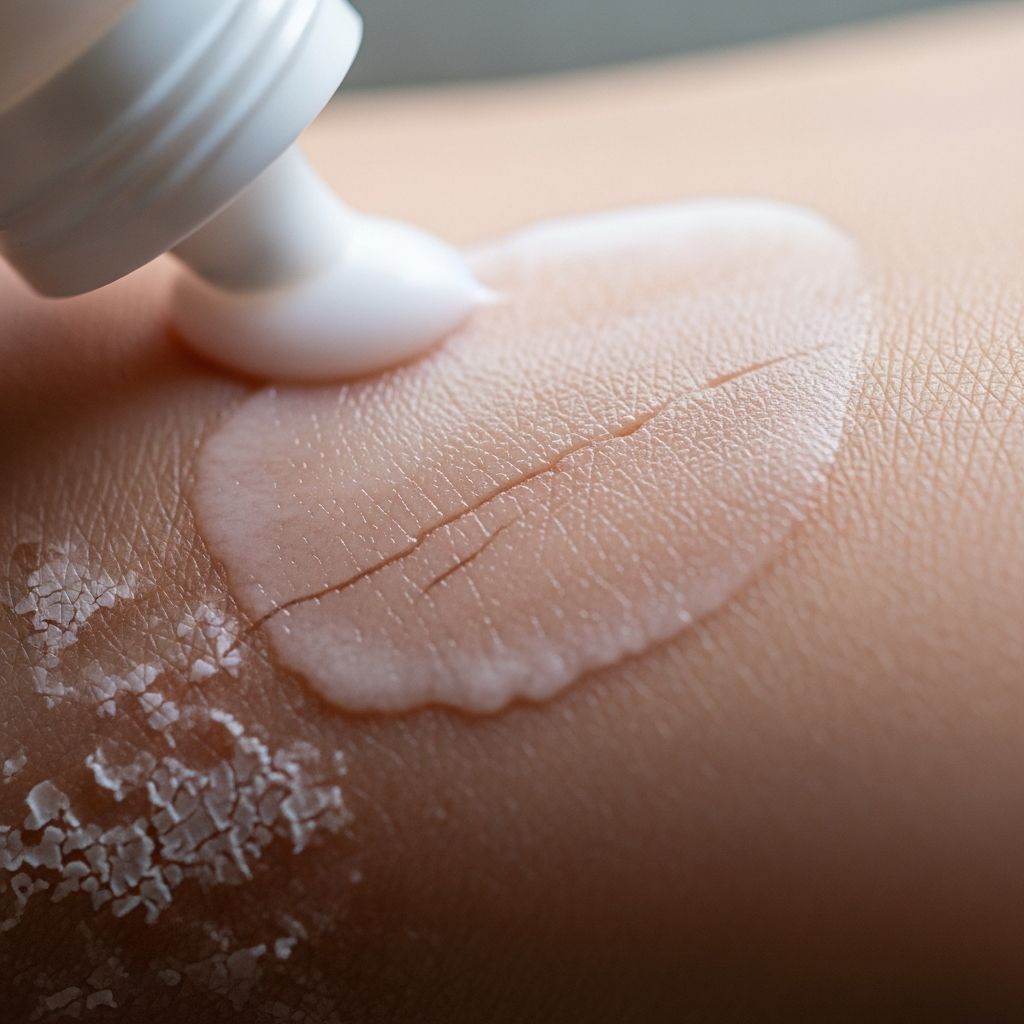
Eczema, also known as atopic dermatitis, often leads to cracked skin due to a compromised skin barrier that fails to retain moisture, resulting in dryness, itching, and fissures. Effective management involves consistent hydration, trigger avoidance, and targeted therapies to repair and protect the skin.
Understanding the Roots of Cracked Skin in Eczema
Cracked skin in eczema arises when the skin’s natural protective layer weakens, allowing excessive moisture loss and entry of irritants. This condition is frequently exacerbated by genetic factors, such as variations in the filaggrin gene, which impair the skin’s ability to hold water and fend off allergens.
Environmental influences play a major role too. Dry air, especially in winter, combined with irritants like soaps, detergents, and pollen, can trigger flares that deepen cracks. An overactive immune response amplifies inflammation, making skin drier and more prone to splitting. Bacterial overgrowth, particularly Staphylococcus aureus, further disrupts the barrier, leading to infections that worsen cracking.
- Genetic predisposition: Filaggrin gene mutations reduce skin hydration capacity.
- Immune hyperactivity: Overreactions to minor irritants cause persistent inflammation.
- External triggers: Cold weather, harsh chemicals, and allergens accelerate moisture loss.
Daily Habits to Restore Skin Hydration
Moisturizing stands as the cornerstone of eczema care, directly combating the dryness that causes cracks. Apply emollients multiple times daily, especially post-bathing, to lock in moisture and rebuild the barrier.
Opt for thick ointments containing petrolatum, shea butter, or mineral oil over lighter lotions, as they form a robust seal against water evaporation. Ingredients like hyaluronic acid and jojoba oil enhance hydration without irritation. Gentle, fragrance-free formulas prevent further damage.
| Moisturizer Type | Best For | Key Benefits |
|---|---|---|
| Ointments (e.g., petroleum jelly) | Severely cracked areas | Strong barrier, grease trap for moisture |
| Creams | Moderate dryness | Less greasy, good absorption |
| Lotions | Mild cases | Lightweight, quick-drying |
Avoid hot showers, which strip natural oils, and pat skin dry instead of rubbing. Incorporate humidifiers during dry seasons to maintain ambient moisture levels.
Shielding Skin from Further Damage
Protection is vital to prevent cracks from deepening. Shorten nails to minimize scratching damage, and use antihistamines like cetirizine to curb itchiness without drowsiness.
Wear breathable cotton gloves for chores involving water or chemicals; opt for vinyl or neoprene for wet tasks to block irritants. During flares, apply wet dressings over medicated creams: layer steroid ointment, then damp gauze, topped with dry bandage for enhanced absorption.
- Gloves for household tasks reduce chemical exposure.
- Trimmed nails lessen inadvertent injury from scratching.
- Wet wraps promote healing in acute phases.
Medical Interventions for Persistent Cracks
When home measures fall short, prescription options target inflammation at its source. Topical corticosteroids, ranging from mild hydrocortisone to potent class 1 steroids, reduce swelling and allow barrier repair. Apply as directed, typically twice daily, to avoid side effects like skin thinning.
Non-steroidal alternatives include calcineurin inhibitors (tacrolimus, pimecrolimus) for sensitive zones and PDE4 inhibitors like crisaborole. For severe cases, JAK inhibitors (ruxolitinib cream) or systemic biologics such as dupilumab modulate immune overactivity.
Monitor for infections; antibiotics may be needed if cracks show signs of bacterial entry. Consult a dermatologist for tailored regimens, especially if diabetes or poor circulation contributes to foot cracks.
Related Stories



Identifying and Avoiding Eczema Triggers
Tracking triggers via a daily log— noting diet, stress, products, and weather—helps prevent flares. Common culprits include wool fabrics, chlorinated water, dust mites, and stress.
Switch to hypoallergenic soaps and detergents; test new products on small areas. Manage stress through mindfulness, as it heightens immune responses. Dietary allergens like dairy or nuts may play a role in some individuals.
Lifestyle Adjustments for Long-Term Relief
Beyond topicals, holistic changes bolster skin resilience. Cool baths with colloidal oatmeal soothe without drying. Antihistamines at night aid sleep by quelling nocturnal itching.
Breathable clothing and consistent moisturizing routines yield cumulative benefits. For chronic cases, phototherapy or oral immunosuppressants offer escalation paths under medical supervision.
FAQs on Managing Cracked Eczema Skin
Can eczema cause permanent skin damage if untreated?
Untreated flares can lead to thickened skin (lichenification) or infections, but consistent care prevents long-term harm.
How often should I moisturize?
At least twice daily, plus immediately after washing, for optimal barrier support.
Are steroid creams safe for long-term use?
Short courses are safe; prolonged use requires monitoring to prevent side effects. Alternatives exist for maintenance.
What if cracks bleed or ooze?
Seek medical attention for possible infection; avoid self-treatment.
Do humidifiers really help eczema?
Yes, they counteract dry air, a key trigger for cracking.
Building a Sustainable Skin Care Routine
A multifaceted approach—hydration, protection, trigger management, and timely medical input—heals cracks and fortifies skin. Patience is key; improvements may take weeks, but adherence minimizes flares. Collaborate with healthcare providers for personalized plans, ensuring quality of life despite eczema.
Recent advancements like targeted biologics promise better control for refractory cases. Stay informed on emerging therapies while prioritizing proven basics.
References
- Cracked skin: Causes, home remedies, and medical treatments — Medical News Today. 2023-10-12. https://www.medicalnewstoday.com/articles/cracked-skin
- Special Care for Damaged and Broken Skin — WebMD. 2024-05-15. https://www.webmd.com/skin-problems-and-treatments/eczema/eczema-heal-cracked-skin
- Banish Dry Skin from Eczema with These 3 Tips — Golden State Dermatology. 2024-02-20. https://www.goldenstatedermatology.com/blog/banish-dry-skin-from-eczema-with-these-3-tips/
- Eczema: Causes, Symptoms, and Treatment — BIODERMA US. 2024-08-01. https://www.bioderma.us/en/expert-advice/normal-dry-to-atopic-skin/eczema-causes-symptoms-and-treatment.html
- Eczema – symptoms, causes and treatment — Healthdirect (Australian Government). 2025-01-10. https://www.healthdirect.gov.au/eczema
- Atopic dermatitis (eczema) – Symptoms and causes — Mayo Clinic. 2024-11-05. https://www.mayoclinic.org/diseases-conditions/atopic-dermatitis-eczema/symptoms-causes/syc-20353273
Similar Articles








Read full bio of medha deb