Healing Through Music: Science-Backed Benefits
Discover how music therapy improves mental health, reduces stress, and promotes overall wellness.
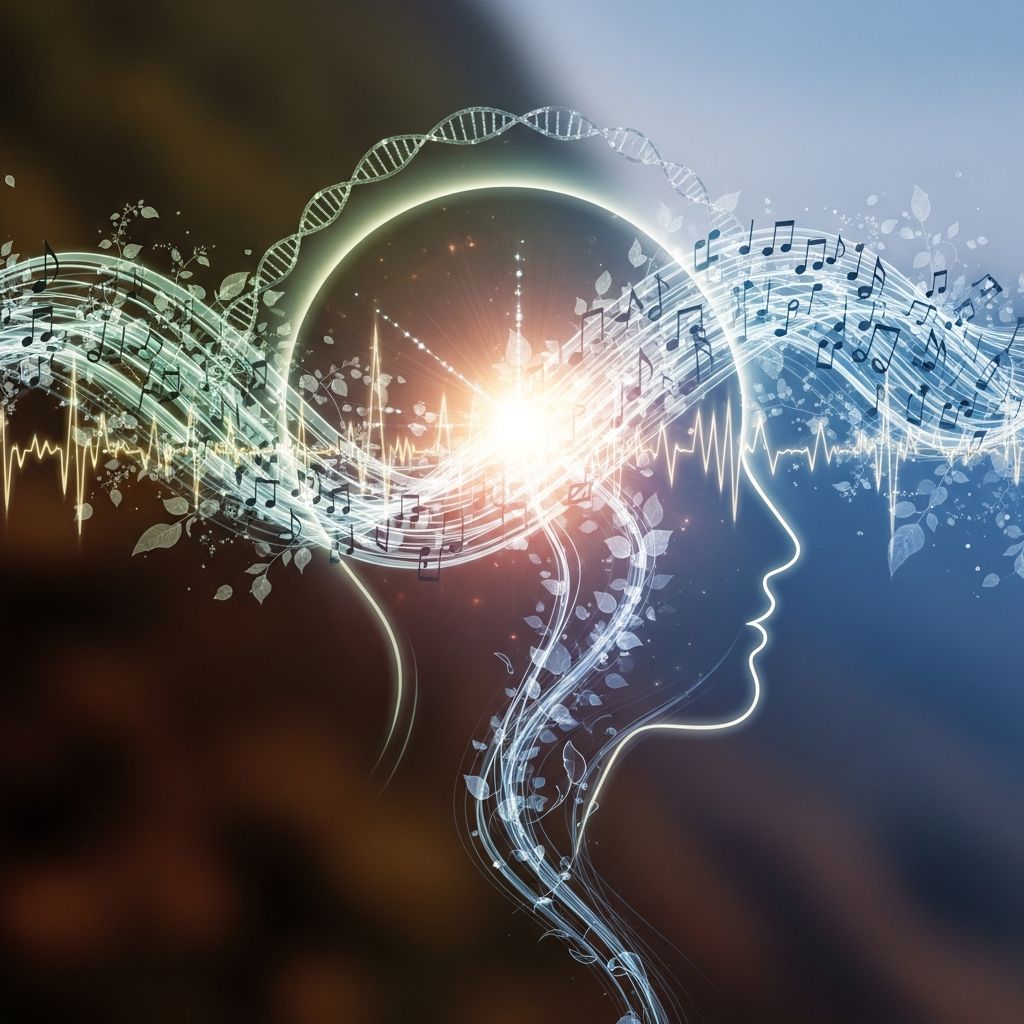
Healing Through Music: A Therapeutic Approach to Wellness
Music has long been recognized as a powerful force in human life, capable of evoking emotions, memories, and profound healing. Beyond its cultural and artistic significance, music is increasingly being validated by scientific research as a legitimate therapeutic tool for improving mental and physical health. The intersection of music and medicine represents one of the most promising frontiers in holistic health care, offering individuals accessible pathways to stress reduction, anxiety management, and overall wellness enhancement.
Recent research demonstrates that music interventions—including listening to music, singing, and formal music therapy—can create significant improvements in mental health and contribute to better quality of life outcomes. Unlike many medical interventions, music therapy is non-invasive, accessible, and can be tailored to individual preferences and needs. Whether through passive listening or active musical participation, music provides a unique mechanism for engaging the brain and promoting healing across diverse populations.
Understanding Music as Medicine
Music therapy is an established health care profession that uses evidence-based music interventions to address therapeutic health care goals. A board-certified music therapist has completed accredited undergraduate or graduate music therapy programs and works directly with patients to develop personalized healing strategies. The therapeutic power of music lies in its ability to engage multiple areas of the brain simultaneously, including those responsible for movement, language, attention, memory, and emotional processing.
This widespread brain activation explains why music interventions prove effective across various health conditions and populations. Whether someone is struggling with anxiety, depression, chronic pain, or cardiovascular concerns, music can serve as a bridge toward healing and wellness. The research supporting music’s therapeutic applications continues to expand, with systematic reviews and meta-analyses confirming measurable improvements in both psychological and physical health-related quality of life.
Mental Health Benefits of Music
The most significant improvements from music interventions occur in mental health domains. Studies show that listening to music, singing, and music therapy can substantially boost mood and psychological well-being. For individuals experiencing anxiety and depression, music provides a non-pharmacological alternative or complement to traditional treatments.
Music serves as a conduit for accessing mindfulness and presence, particularly for populations that may find traditional meditation practices less accessible or inviting. By combining music with contemplative practices, researchers have developed music-based mindfulness interventions specifically designed to decrease stress and anxiety among underserved communities. This innovative approach recognizes that music can lower barriers to mental health support while maintaining evidence-based therapeutic principles.
Beyond clinical applications, everyday music engagement supports mental wellness through simple, enjoyable practices such as easing transitions to sleep with soothing playlists, finding motivation for exercise through upbeat music, and connecting with others through live musical performances.
Physical Health and Cardiovascular Benefits
While mental health improvements represent the most substantial gains from music interventions, research also documents meaningful physical health benefits. Music engages the cardiovascular system in multiple ways, producing measurable improvements in heart health and exercise capacity.
Key Cardiovascular Benefits Include:
- Enhanced Exercise Performance: Music enables individuals to exercise longer during cardiac stress tests, improving overall physical endurance and cardiovascular conditioning.
- Improved Blood Vessel Function: Listening to music can relax arteries and promote better vascular function, supporting healthy blood pressure and circulation.
- Accelerated Recovery: Music helps heart rate and blood pressure levels return to baseline more quickly following physical exertion, facilitating faster recovery.
- Post-Surgery Support: For individuals recovering from heart surgery, music can alleviate pain and anxiety while potentially improving sleep quality and overall recovery trajectories.
- Anxiety Reduction: Music eases anxiety in heart attack survivors and those facing cardiac procedures, supporting psychological well-being during vulnerable health periods.
Related Stories



Music Therapy Interventions: Active and Receptive Approaches
Music therapists employ both active and receptive interventions tailored to individual therapeutic goals and preferences. Understanding these different approaches helps individuals identify which music-based strategies might work best for their specific health concerns and personal circumstances.
Receptive Music Interventions
Listening represents the most extensively researched music therapy intervention, studied across nearly every clinical scenario and health condition. Listening can occur in individual sessions or group settings, featuring live or recorded music. This intervention offers flexibility in approach—individuals can practice intentional focused listening or use music as background support during other activities.
The listening experience can be customized to achieve specific therapeutic outcomes. For emotional release, music can amplify feelings and provide cathartic expression. For cognitive calm, music can quiet the mind and reduce mental chatter. The “iso principle” involves matching music to an individual’s current emotional or energetic state, then gradually shifting the feel, tempo, and complexity to facilitate desired mood changes. Listening interventions pair effectively with relaxation prompts or motivational cues for physical activity and task engagement.
Active Music Interventions
Active music-making engages the entire brain, creating maximum potential for pain reduction, cognitive development, motor skill improvement, and emotional expression. Active interventions include singing, instrument exploration, songwriting, movement, and digital music creation.
Singing offers particular therapeutic value through multiple mechanisms. Physical benefits include improved lung function and respiratory capacity. Emotionally, singing lyrics that resonate with personal truth provides powerful self-expression and emotional processing. Communally, group singing creates powerful connections through shared harmonies and collective musical experience.
Learning or playing instruments similarly engages comprehensive brain activation, supporting fine and gross motor development alongside cognitive and emotional benefits. Working with a skilled music therapist helps individuals build meaningful connections to their chosen instruments and maximize therapeutic gains from musical practice.
Personalized Music Therapy: Finding Your Healing Sound
A crucial finding from music therapy research is that no single intervention, song, or musical genre works universally for all individuals or conditions. Instead, healing through music requires personalization and exploration to identify what resonates most effectively for each person’s unique circumstances, preferences, and therapeutic goals.
Board-certified music therapists help individuals navigate this personalization process, building therapeutic relationships that support connection to music and identification of optimal interventions and “doses.” A skilled therapist can guide you in exploring different listening strategies, developing singing practices, learning instruments, or combining multiple approaches into an integrated therapeutic plan.
Personal musical preferences play a significant role in therapeutic effectiveness. Music that holds cultural significance, emotional meaning, or personal resonance typically produces stronger therapeutic responses than generic “healing” music selections. This is why music-based mindfulness interventions incorporating R&B, hip-hop, and other genres meaningful to specific communities prove particularly effective—they honor cultural traditions while delivering evidence-based therapeutic benefits.
Music’s Role in Sleep, Exercise, and Daily Wellness
Beyond formal therapy settings, music serves important wellness functions in everyday life. Soothing playlists facilitate easier transitions to sleep, helping regulate nervous system activation and promoting rest. Conversely, upbeat dance music provides motivational support for exercise engagement, making physical activity more enjoyable and sustainable.
Music attending live performances creates powerful opportunities for social connection and community engagement—essential elements of overall wellness and mental health. These everyday applications of music’s healing properties remain accessible to everyone, regardless of musical training or formal therapy involvement.
Music Therapy and Diverse Populations
Music’s healing potential proves particularly valuable for underserved and marginalized populations often facing barriers to traditional mental health care. By developing culturally relevant music-based interventions, researchers can extend evidence-based therapeutic support to communities historically underrepresented in clinical research and treatment.
The integration of music with other contemplative practices represents an emerging frontier in mental health treatment. Music-based mindfulness interventions specifically designed for disadvantaged communities create accessible pathways to stress reduction and healing practices. This approach acknowledges music’s intuitive, inviting nature compared to other contemplative modalities, potentially reaching individuals who might otherwise avoid mental health support.
The legacy of music’s healing power within African American communities—encompassing gospel music, freedom songs, blues, jazz, and rock—provides historical and cultural foundation for contemporary music therapy approaches. Honoring these traditions while applying rigorous scientific methodology creates bridges between historical wisdom and modern therapeutic practice.
The Science Behind Music’s Healing Power
Brain imaging studies reveal that music activates multiple neural regions simultaneously, including areas governing movement, language, memory, attention, and emotion. This comprehensive brain engagement explains music’s diverse therapeutic applications and its unique position among health interventions.
Systematic reviews and meta-analyses—studies synthesizing findings across numerous research investigations—confirm that music interventions produce significant improvements in mental health outcomes and smaller but meaningful improvements in physical health-related quality of life. These findings validate music’s role within evidence-based medical practice rather than positioning it solely as complementary or alternative medicine.
The cardiovascular system responds measurably to musical engagement, with research demonstrating improved vascular function, enhanced exercise capacity, and accelerated physiological recovery following music listening. These physiological changes provide objective markers validating subjective healing experiences many individuals report from musical engagement.
Building Your Personal Music Healing Practice
Creating an effective music-based healing practice begins with honest self-reflection about your health goals, musical preferences, and current life circumstances. Consider which aspects of healing matter most to you—stress reduction, improved sleep, exercise motivation, emotional expression, or social connection—and identify musical interventions aligning with these priorities.
Experiment with different listening approaches: intentional focused listening versus background music engagement, live versus recorded performances, and various musical genres and artists. Notice how different musical experiences affect your mood, energy level, and overall well-being. Allow your preferences to guide your selections rather than defaulting to “healing” music that doesn’t genuinely appeal to you.
If you’re drawn to active music-making, consider learning an instrument or developing a singing practice, ideally with guidance from experienced musicians or music therapists. If listening resonates most strongly with you, build curated playlists intentionally designed to support your specific wellness goals. The most effective music therapy practice is one you’ll actually maintain consistently over time.
Frequently Asked Questions
Q: Is music therapy covered by insurance?
A: Coverage varies by insurance plan and geographic location. Music therapy provided by board-certified therapists may be covered when prescribed by a physician for specific conditions. Contact your insurance provider to understand your coverage options and check whether music therapy is available through your health care system.
Q: How often should I engage in music therapy for best results?
A: Research shows no single “dose” of music works best for all people. Most individuals benefit from consistent regular engagement—whether through daily listening practices, weekly group singing sessions, or regular instrumental practice. Working with a music therapist helps determine optimal frequency for your specific health goals and circumstances.
Q: Can music therapy replace traditional mental health treatment?
A: Music therapy works effectively as a complement to traditional mental health treatment and, in some cases, may help reduce reliance on certain interventions. However, for serious mental health conditions, music therapy should generally be combined with other evidence-based treatments rather than serve as a sole intervention. Consult with your health care provider about integrating music therapy into your comprehensive treatment plan.
Q: What type of music works best for healing?
A: The most effective healing music is music that genuinely resonates with you personally. While research validates various musical genres, your authentic musical preferences and emotional connection to particular artists or styles predict stronger therapeutic outcomes than generic “healing” music selections.
Q: Do I need musical training to benefit from music therapy?
A: No. Music therapy benefits individuals regardless of musical background, training, or talent. Whether you’re listening passively or actively making music, the therapeutic value remains regardless of technical skill level or formal musical education.
Q: How do I find a qualified music therapist?
A: Look for board-certified music therapists who have completed accredited undergraduate or graduate music therapy programs. Professional organizations maintain directories of certified practitioners, and your health care provider can provide referrals to qualified music therapists in your area.
Conclusion: Music as a Pathway to Healing
The scientific evidence supporting music’s therapeutic power continues to accumulate, validating what cultures worldwide have long understood—music heals. From reducing anxiety and depression to supporting cardiovascular health and enhancing overall quality of life, music offers accessible, non-invasive pathways to wellness that complement and enhance traditional medical care.
Music’s healing potential lies partly in its universality and accessibility—most people already engage with music regularly, making it a natural foundation for therapeutic intervention. Whether through focused listening practices, singing experiences, instrumental learning, or group musical engagement, individuals can harness music’s therapeutic power immediately without requiring special equipment, medications, or extensive training.
By working with qualified music therapists or developing personalized music practices aligned with your specific health goals and authentic musical preferences, you can activate music’s profound healing potential in your own life. In a world increasingly recognizing the limitations of purely pharmaceutical approaches to mental health and wellness, music stands as a powerful, evidence-based reminder that healing often emerges through the beautiful, accessible medium of sound.
References
- Healing through music — Harvard Gazette. 2025-05. https://news.harvard.edu/gazette/story/2025/05/healing-through-music/
- Can music improve our health and quality of life? — Harvard Health Publishing. 2023. https://www.health.harvard.edu/blog/healing-through-music-201511058556
- Can Music Improve Our Health and Quality of Life? — Community Health Center. https://www.chconline.org/resourcelibrary/can-music-improve-our-health-and-quality-of-life/
- Music to support heart health, via Harvard Research — Carolina Music Therapy. https://www.carolinamusictherapy.com/whymusic/music-for-your-heart
Similar Articles








Read full bio of Sneha Tete