Health And Happiness: 6 Science-Backed Steps For Wellbeing
Discover the powerful connection between happiness and physical health through decades of research.
Health and Happiness Go Hand in Hand
For decades, researchers have explored the relationship between our emotional state and physical wellbeing, discovering a profound truth: happiness and health are intrinsically connected. This connection goes far beyond simple correlation—the quality of our emotional lives directly influences our physical bodies, our resilience to illness, and ultimately, our longevity. Understanding this relationship empowers us to make meaningful choices that enhance both our mental and physical health.
The groundbreaking Harvard Study of Adult Development, which has tracked individuals for over 85 years, provides compelling evidence that our pursuit of happiness is not merely a philosophical endeavor but a practical investment in our health. What researchers discovered challenges conventional wisdom about success, wealth, and achievement, instead pointing to a simpler yet more profound truth about what truly matters for a healthy and fulfilling life.
The Science Behind the Connection
The relationship between happiness and health operates through multiple biological pathways. When we experience happiness and contentment, our bodies respond by releasing beneficial neurochemicals and hormones that support healing and resilience. Conversely, chronic stress and unhappiness trigger physiological responses that can damage our health over time.
Research has shown that happiness strengthens our immune system, reduces inflammation, lowers blood pressure, and promotes faster recovery from illness. The mind-body connection is so powerful that emotional satisfaction can be a better predictor of physical health than traditional medical indicators. One remarkable finding from the Harvard research revealed that people’s satisfaction with their relationships at age 50 was a stronger predictor of physical health at age 80 than their cholesterol levels were. This discovery fundamentally challenges how we think about health maintenance and prevention.
Happiness also promotes better sleep quality, reduces chronic pain perception, and enhances cognitive function. When we feel happy and fulfilled, our bodies enter a state of ease that facilitates natural healing processes. The reverse is equally true—unhappiness creates a stressed state that compromises immune function and accelerates aging processes.
The Power of Relationships in Health and Happiness
The most significant finding from the Harvard Study of Adult Development is that the quality of our relationships is the single most important predictor of both happiness and health. This discovery emerged consistently across decades of research and transformed our understanding of what truly matters for wellbeing.
Close, warm, and stable relationships provide multiple health benefits. People with strong social connections experience lower rates of anxiety and depression, better management of chronic diseases, stronger immune function, and significantly longer lifespans. The protective effect of good relationships is remarkably powerful—loneliness poses health risks comparable to smoking or alcoholism, affecting both mental and physical wellbeing equally.
Relationships serve as buffers against life’s inevitable challenges. When we face difficulties, our connections with family, friends, and community provide emotional support that helps us process stress more effectively. This social support literally protects our bodies by regulating stress hormones and promoting physiological resilience. Additionally, relationships are living systems that require ongoing care and attention. Like gardens, they need regular nourishment, communication, and vulnerability to flourish.
Related Stories



The breadth of this relationship effect extends beyond romantic partnerships or immediate family. Friendships, community ties, and even positive daily interactions contribute significantly to our overall happiness and health. Research participants with the warmest social connections showed significantly lower rates of heart disease, diabetes, and arthritis, along with better immune function and faster recovery from illness.
Understanding Emotional Resilience and Coping
How we respond to life’s challenges plays a defining role in determining both our happiness and our health outcomes. The Harvard research identified that certain emotional coping strategies, termed “adaptations” by researchers, powerfully influenced psychological health, physical wellbeing, and longevity. These aren’t innate talents but learned skills that can be developed and strengthened over time.
Emotional intelligence serves as the bridge between hardship and meaning, between stress and connection. People who develop strong emotional coping mechanisms experience better mental health outcomes and demonstrate greater resilience when facing adversity. The ability to process emotions, express vulnerability, and seek support when needed creates pathways toward both healing and growth.
Mature coping mechanisms include humor, creative expression, seeking social support, and finding meaning in challenging experiences. These approaches contrast sharply with less effective strategies like denial, avoidance, or isolation, which typically intensify stress and damage health. By consciously developing healthier ways to process life’s difficulties, we simultaneously improve our emotional wellbeing and support our physical health.
Physical Health Foundations That Support Happiness
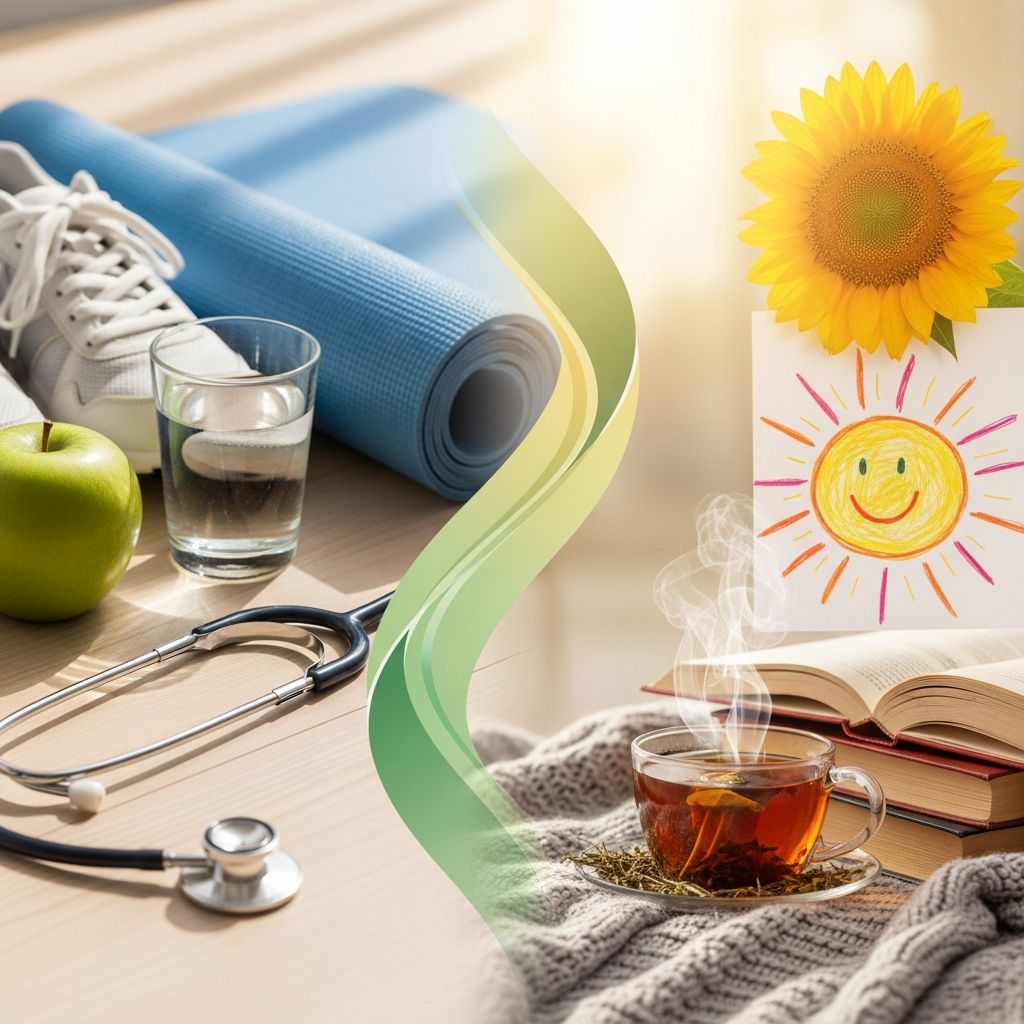
While relationships and emotional wellbeing form the cornerstone of happiness and health, physical health practices create the foundation upon which happiness can flourish. The Harvard research identified several key factors that predict healthy aging and sustained happiness:
- Regular physical activity: Exercise not only strengthens our bodies but also enhances mood, reduces anxiety, and improves cognitive function. Movement literally translates emotional benefits into physical health gains.
- Healthy diet and weight management: Nutritious eating patterns support stable energy, better mood regulation, and reduced risk of chronic disease. The foods we consume directly impact neurotransmitter production and brain health.
- Adequate sleep: Quality sleep is fundamental to both mental health and physical restoration. Without sufficient sleep, our emotional regulation deteriorates and our bodies lose the opportunity for cellular repair and immune function optimization.
- Avoiding harmful substances: Limiting alcohol consumption and avoiding smoking protects both immediate and long-term health, allowing our bodies to function optimally and our minds to remain clear.
- Stress management: Developing practices that help regulate stress—whether meditation, nature time, creative pursuits, or social connection—protects both mental and physical health from the harmful effects of chronic stress.
Age and Happiness: What Research Reveals
Interestingly, research has found that younger adults report lower scores on wellbeing measures compared to other age groups. This finding suggests that happiness is not automatic but requires intentional cultivation at all life stages. Young adults face particular pressures related to achievement, comparison through social media, and uncertainty about their futures, which can undermine their wellbeing.
As people age, many discover that their definitions of success and happiness shift. Those who maintain strong relationships, engage in meaningful activities, and develop emotional resilience report high levels of happiness even as physical capacities decline. The research suggests that building these foundations early in life creates greater wellbeing throughout all life stages.
The Marital Satisfaction Connection
Marriage and committed partnerships represent particularly powerful influences on health and happiness. Research found that marital satisfaction has a protective effect on mental health, with people in happy marriages experiencing better emotional resilience. Remarkably, individuals in satisfying marriages at age 80 reported that their moods remained stable even on days when they experienced increased physical pain—suggesting that emotional satisfaction provides a buffer against physical discomfort.
Conversely, unhappy marriages create stress that amplifies both emotional and physical pain. This demonstrates that the quality of our closest relationships directly shapes our daily experience of wellbeing. The investment in nurturing a healthy partnership pays dividends in both immediate happiness and long-term health outcomes.
Practical Steps to Enhance Both Happiness and Health
Understanding the connection between happiness and health empowers us to make deliberate choices that support both. Consider implementing these evidence-based strategies:
- Prioritize relationships: Schedule regular time with people who matter to you. Quality interactions, even brief ones, contribute meaningfully to wellbeing. Make efforts to deepen existing relationships through vulnerable communication and shared experiences.
- Develop emotional skills: Practice empathy, learn to express emotions authentically, and cultivate self-awareness. These emotional competencies form the foundation for healthy relationships and personal resilience.
- Establish health routines: Commit to regular physical activity, nourishing food choices, adequate sleep, and stress management practices. These become exponentially more effective when pursued in social contexts or with accountability partners.
- Seek meaningful activities: Engage in pursuits that provide purpose and connection—whether creative expression, community service, learning, or spiritual practice. Meaningful engagement enhances both happiness and cognitive function.
- Practice stress management: Develop personalized approaches to processing stress, whether through meditation, journaling, nature time, physical activity, or social support. Regular stress management prevents the accumulation of physiological damage.
- Invest in personal growth: Pursue education, skill development, and self-improvement. Growth provides both purpose and the satisfaction that comes from progressing toward meaningful goals.
The Revelation for Modern Life
One of the most significant insights from the Harvard research is the recognition that tending to our relationships constitutes a form of self-care equivalent to physical health practices. This reframes social connection from a luxury or indulgence into a health necessity. In our increasingly digital and isolated world, this finding takes on particular urgency.
The research directors noted that many people sacrifice relationships in pursuit of achievement, wealth, or status, only to discover later that these accomplishments cannot substitute for the satisfaction and health benefits provided by genuine connection. The surprise finding is that what makes people happy is simultaneously what keeps them healthy—and that intersection is relationships.
Long-Term Implications and Longevity
The longitudinal nature of the Harvard study provides perhaps its most compelling evidence: people who maintained warm relationships lived longer and enjoyed better health throughout their lives. Those who prioritized social connection experienced slower rates of cognitive decline, better management of chronic conditions, and greater life satisfaction in their final years.
The study documented that of the original participants recruited in 1938, only 19 remain alive in their mid-90s, yet these survivors share common characteristics: they maintained strong relationships, developed healthy coping mechanisms, avoided harmful substances, and engaged in regular physical activity. The cumulative effect of these choices—made year after year, decade after decade—determined not only how long they lived but how well they lived.
Frequently Asked Questions
Q: Can happiness actually improve my physical health?
A: Yes. Happiness activates physiological processes that strengthen immune function, reduce inflammation, lower blood pressure, and accelerate healing. The connection is so strong that satisfaction with relationships predicted physical health better than cholesterol levels in the Harvard research.
Q: What if I don’t have many close relationships?
A: Building relationships is a skill that can be developed at any stage of life. Start by deepening existing connections through vulnerable communication, joining groups aligned with your interests, and making consistent effort to nurture connections with people who matter to you.
Q: Is it too late to improve my health and happiness if I’m older?
A: No. Research shows that people can improve their health and happiness at any age by investing in relationships, developing healthy habits, and cultivating emotional resilience. It’s never too late to make meaningful changes.
Q: How much social connection is necessary for health benefits?
A: Quality matters more than quantity. It’s not about how many people you know but how safe and truly connected you feel. Even a few deep, meaningful relationships provide substantial health and happiness benefits.
Q: Can I be healthy without being happy?
A: While physical health practices are important, research shows that emotional wellbeing and social connection predict health outcomes as strongly as—or more strongly than—traditional health factors. Both dimensions matter for optimal wellbeing.
Q: How do I maintain relationships while managing stress?
A: Strong relationships actually help manage stress rather than create additional burden. Authentic connections provide support during difficult times. Practice vulnerable communication, be honest about your needs, and invest gradually in relationships that feel mutually supportive.
References
- Harvard’s 85-Year Study on Happiness: The Surprising Role of Relationships in Health and Longevity — World Economic Forum. 2025. https://www.weforum.org/videos/harvard-conducted-an-85-year-study-on-happiness-here-s-what-it-found/
- Over Nearly 80 Years, Harvard Study Has Been Showing How to Live a Healthy and Happy Life — Harvard Gazette, Harvard University. 2017-04-11. https://news.harvard.edu/gazette/story/2017/04/over-nearly-80-years-harvard-study-has-been-showing-how-to-live-a-healthy-and-happy-life/
- Want a Good Life? 3 Lessons from Harvard Grant Study — Six Seconds Emotional Intelligence Network. 2025-07-28. https://www.6seconds.org/2025/07/28/harvard-grant-study/
- Happiness — Linking Happiness and Wellbeing — Harvard University. 2025. https://www.harvard.edu/in-focus/happiness/
- The Good Life: Lessons From the World’s Longest Scientific Study of Happiness and Health — National Center for Biotechnology Information (NCBI), PubMed Central. 2025. https://pmc.ncbi.nlm.nih.gov/articles/PMC11575524/
Similar Articles








Read full bio of medha deb