Health Anxiety
Learn to recognize, manage, and overcome health anxiety that disrupts daily life with proven strategies and treatments.
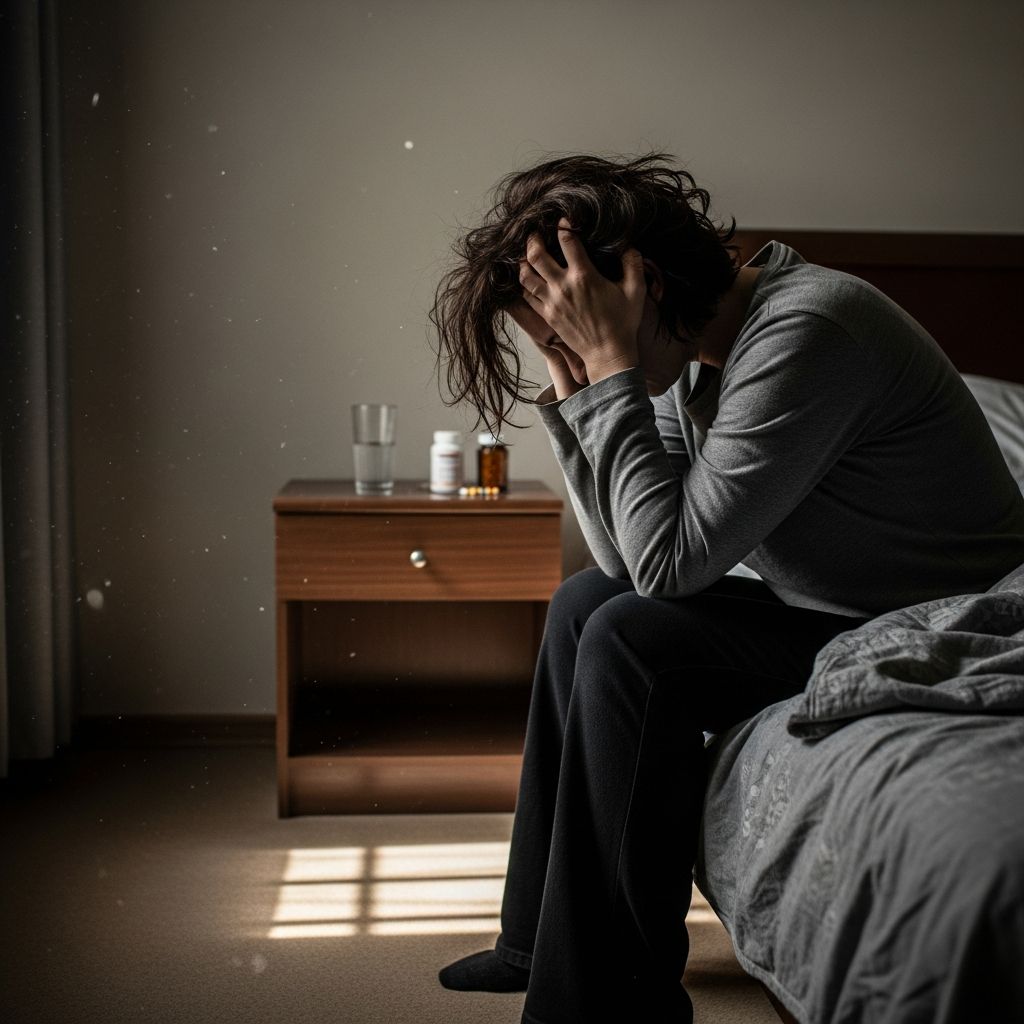
Health anxiety, often termed illness anxiety disorder, manifests as persistent and intense preoccupation with having or developing a serious medical condition, even when medical evaluations provide no evidence of illness. This condition significantly impairs daily functioning and quality of life, driven by misinterpretations of normal bodily sensations as signs of grave disease.
Recognizing the Core Symptoms
Individuals grappling with health anxiety experience a range of distressing symptoms that revolve around heightened awareness of their body and health status. Common manifestations include:
- Intrusive thoughts: Recurrent, unwanted mental images or worries about contracting fatal illnesses like cancer or heart disease.
- Hypervigilance to sensations: Over-focusing on minor physical changes, such as a fleeting headache or muscle twitch, interpreting them as ominous.
- Reassurance seeking: Frequently consulting doctors, family, or online forums for confirmation of health, which temporarily alleviates but ultimately reinforces anxiety.
- Body checking rituals: Repeatedly examining pulse, weight, or skin for abnormalities, often multiple times daily.
- Cyberchondria: Compulsively searching health symptoms online, leading to escalation of fears rather than resolution.
These behaviors create a vicious cycle, where anxiety amplifies bodily awareness, prompting more checking and research, further fueling distress.
Distinguishing Types of Health Anxiety
Health anxiety presents in two primary forms, differentiated by the presence of physical symptoms:
| Type | Description | Key Features |
|---|---|---|
| Care-Seeking Type | Individuals with mild somatic symptoms who frequently seek medical help. | High doctor visits, tests, but persistent doubt post-results. |
| Care-Avoidant Type | Those avoiding healthcare due to dread of confirmation, despite worries. | Rare check-ups, reliance on self-diagnosis, escalating fears. |
This distinction aids in tailoring interventions, as care-avoidant individuals may require different outreach strategies.
Unraveling the Causes and Risk Factors
The origins of health anxiety are multifaceted, involving psychological, environmental, and biological elements. Core contributors include:
- Cognitive distortions: Biases like disease conviction—firm belief in undiagnosed illness—and intolerance of uncertainty about bodily feelings.
- Family history: Growing up with parents overly focused on health models similar patterns, heightening vulnerability.
- Past traumas: Experiences with serious illness in self or loved ones imprint fear responses to physical cues.
- Stressful triggers: Life events or minor ailments misinterpreted catastrophically initiate the cycle.
Genetic predispositions and personality traits, such as perfectionism or neuroticism, also play roles, though environmental factors often act as catalysts.
Theoretical Frameworks Explaining Development
Several evidence-based models illuminate how health anxiety emerges and persists:
- Cognitive-Behavioral Model: Posits that neutral bodily signals (e.g., fatigue) are catastrophized as disease signs, prompting safety behaviors like checking, which maintain anxiety through negative reinforcement.
- Interpersonal Model: Links early insecure attachments to caregivers, fostering adult patterns of excessive care-seeking to alleviate emotional voids.
These models underscore how initial misinterpretations snowball without intervention, supported by empirical studies validating their components.
Self-Help Strategies for Daily Management
While professional care is ideal, practical steps can mitigate symptoms:
- Schedule ‘worry time’: Limit health ruminations to 15-20 minutes daily to contain them.
- Practice mindfulness: Techniques like body scans reduce fixation on sensations without judgment.
- Challenge thoughts: Question evidence for illness fears versus reassurance from tests.
- Limit triggers: Set boundaries on online searches and body checks using apps or timers.
- Engage in distraction: Pursue hobbies or exercise to shift focus from health monitoring.
Tracking progress in a journal helps identify patterns and celebrate reductions in compulsive behaviors.
Professional Treatment Options
Evidence strongly supports targeted therapies for lasting relief. Cognitive Behavioral Therapy (CBT) stands as the gold standard, delivering psychoeducation, cognitive restructuring to dismantle health misconceptions, and behavioral experiments to curb avoidance and checking. Meta-analyses confirm moderate-to-large effects (Hedge’s g = 0.81), with gains sustained 12-18 months post-treatment.
Emerging alternatives include:
- Mindfulness-Based Cognitive Therapy (MBCT): Fosters defusion from anxious thoughts and acceptance of sensations, showing promise in reducing hypervigilance.
- Acceptance and Commitment Therapy (ACT): Promotes value-driven actions despite anxiety, with online trials yielding large effects (d = 0.80 at 6 months).
- Pharmacotherapy: SSRIs like fluoxetine or paroxetine, often adjunct to CBT, benefit some cases, though research is limited for illness anxiety disorder specifically.
Treatments are available via NHS self-referral or private sessions starting at £35, emphasizing accessible formats like digital CBT.
Assessing Severity and Knowing When to Seek Help
Monitor for red flags indicating need for intervention:
- Worries dominate thoughts over 6 months, resisting reassurance.
- Impaired work, relationships, or social withdrawal.
- Avoidance of activities or medical care due to health fears.
- Excessive time (hours daily) on symptom research.
Consult a GP for diagnosis; tools like dimensional health anxiety scales aid assessment. Early action prevents chronicity, as symptoms fluctuate but respond well to therapy.
Prevention and Long-Term Wellness
Building resilience involves stress management, balanced health information consumption, and fostering realistic health beliefs. Regular, non-anxious medical check-ups normalize care without obsession. Community support groups and lifestyle factors like exercise enhance coping.
Health anxiety is manageable; with awareness and tools, individuals reclaim focus on meaningful living beyond bodily concerns.
Frequently Asked Questions (FAQs)
What is the difference between normal health worry and health anxiety?
Normal worry is fleeting and eased by reassurance; health anxiety persists despite evidence, disrupting life.
Can health anxiety go away on its own?
It may fluctuate but often requires intervention for resolution, as cycles self-perpetuate.
Is medication enough for treatment?
Therapy like CBT is primary; meds support but lack robust standalone evidence for this disorder.
How long does CBT take to work?
Typically 12-16 sessions, with noticeable improvements early and sustained benefits long-term.
Does stress worsen health anxiety?
Yes, it heightens symptom perception and triggers flare-ups.
References
- Understanding Health Anxiety: When Worry About Illness Becomes an Illness Itself — One Health OH. 2024. https://onehealthoh.com/understanding-health-anxiety-when-worry-about-illness-becomes-an-illness-itself/
- Illness Anxiety Disorder: Current Research — National Center for Biotechnology Information (PMC). 2024-07-24. https://pmc.ncbi.nlm.nih.gov/articles/PMC11211185/
- Health anxiety — National Health Service (NHS). Accessed 2026. https://www.nhs.uk/mental-health/conditions/health-anxiety/
- Illness anxiety disorder – Symptoms and causes — Mayo Clinic. Accessed 2026. https://www.mayoclinic.org/diseases-conditions/illness-anxiety-disorder/symptoms-causes/syc-20373782
- Illness Anxiety Disorder (Hypochondria): Symptoms & Treatment — Cleveland Clinic. Accessed 2026. https://my.clevelandclinic.org/health/diseases/9886-illness-anxiety-disorder-hypochondria-hypochondriasis
- Anxiety disorders — World Health Organization (WHO). 2023-09-29. https://www.who.int/news-room/fact-sheets/detail/anxiety-disorders
Similar Articles








Read full bio of medha deb