Aloe Vera Benefits: 7 Science-Backed Uses And Safe Dosage
Discover the science-backed health benefits of aloe vera, from soothing skin to supporting digestion and immunity.
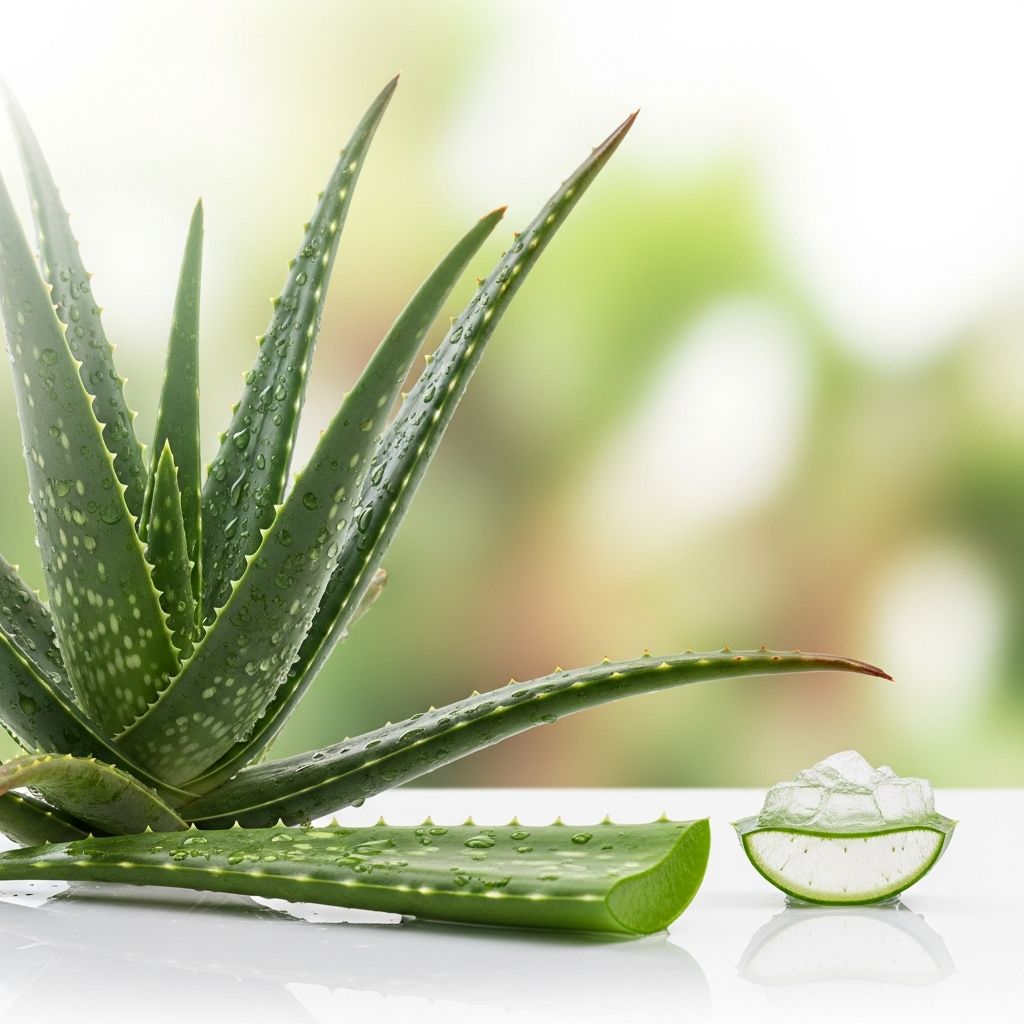
Aloe vera, a succulent plant known for its thick, fleshy leaves filled with gel, has been used for centuries in traditional medicine. Modern research supports many of its applications, particularly for skin health, digestion, and inflammation reduction. This article explores the key benefits, backed by scientific evidence, while highlighting safe usage and potential risks.
What Is Aloe Vera?
Aloe vera (*Aloe barbadensis miller*) is a cactus-like plant native to arid regions, thriving in hot, dry climates. The clear gel extracted from its leaves is rich in water (over 99%), vitamins (A, C, E, B12), enzymes, minerals (zinc, magnesium, calcium), amino acids, and polysaccharides like glucomannan. The latex, a yellow layer beneath the skin, contains anthraquinones like aloin, which act as laxatives but can be irritating.
Historically used by Egyptians, Greeks, and Romans for wounds and digestive issues, aloe vera’s bioactive compounds—antioxidants, anti-inflammatories, and antimicrobials—underpin its health-promoting effects. Today, it’s available as gel, juice, supplements, or topical creams.
Nutritional Profile of Aloe Vera
Aloe vera gel is low-calorie and packed with nutrients:
- Vitamins: A (beta-carotene for vision and skin), C (immune support and collagen synthesis), E (antioxidant protection), B vitamins (energy metabolism).
- Minerals: Magnesium and calcium for muscle function, zinc for immunity and wound healing.
- Other compounds: Polysaccharides for moisturizing, polyphenols as antioxidants, enzymes like bradykinase for inflammation reduction.
Juice form provides hydration and these nutrients in drinkable quantities, making it a versatile addition to diets.
Health Benefits of Aloe Vera
Soothes Skin Irritations and Burns
Aloe vera excels in topical skin care due to its cooling, moisturizing, and healing properties. Studies show it accelerates wound healing by stimulating fibroblast activity, increasing collagen synthesis (more type III collagen), and promoting tissue regeneration.
A 1935 study first noted rapid relief from radiation dermatitis itching and burning, with skin regeneration. A 2009 systematic review of 40 studies confirmed efficacy for psoriasis, dermatitis, burns, frostbite, and surgical wounds. Aloe reduces inflammation via cyclooxygenase inhibition and prostaglandin E2 reduction.
For burns, a 2013 study with 50 participants found aloe gel superior to 1% silver sulfadiazine cream for superficial and partial-thickness burns, showing faster healing and less scarring.
Reduces Acne and Promotes Clear Skin
Aloe vera combats acne through hydration and antibacterial action. Dehydration prompts excess oil production, leading to breakouts; aloe’s high water content hydrates skin, reducing oiliness.
Its antimicrobial properties target acne-causing bacteria, while anti-inflammatory compounds soothe redness. Regular use softens skin via mucopolysaccharides and boosts elasticity through collagen stimulation.
Heals Cold Sores and Oral Issues
Aloe vera gel applied to cold sores eases pain and speeds healing due to antiviral, anti-inflammatory effects, and nutrients like B vitamins and amino acids. A study in the *Journal of Dentistry* confirmed faster recovery with multiple daily applications.
Related Stories



For oral health, aloe toothpaste reduces plaque and gingivitis. A 2017 study of 40 adolescents showed aloe vera toothpaste outperformed triclosan-based versions, improving hygiene without harsh chemicals.
Supports Digestive Health
Aloe aids digestion with laxative, anti-inflammatory, and pH-balancing effects. The latex’s anthraquinones soften stool for constipation relief, while gel soothes IBS symptoms.
A study in *Journal of Research in Medical Sciences* found 30mL aloe juice twice daily reduced IBS discomfort in 33 patients, with less flatulence. A 2018 meta-analysis of 151 IBS patients confirmed symptom improvement over placebo.
It heals stomach ulcers via antibacterial agents and restores lining integrity. For heartburn, a 2015 study showed aloe juice reduces stomach acid reflux.
Boosts Immune System
Aloe’s enzymes break down proteins into amino acids for cell fuel. Bradykinase kills infections, and zinc combats deficiencies. It stimulates immunity and reduces UV-induced suppression via cytokine modulation.
Provides Antioxidant and Anti-Inflammatory Effects
Rich in vitamins A, C, E, and polyphenols, aloe fights free radicals, reducing oxidative stress linked to diabetes, heart disease, and aging. It lowers inflammation, supporting skin, joints, and cardiovascular health.
Lowers Blood Sugar and Supports Diabetes Management
Aloe improves hyperglycemia and lipid profiles. Two trials with 72 diabetic women showed one tablespoon gel daily for six weeks significantly lowered blood glucose and triglycerides.
Other Benefits
- Eye Health: Beta-carotene converts to vitamin A for vision.
- Muscle Relief: Calcium and magnesium ease aches.
- Anti-Aging: Moisturizes, boosts collagen/elastin for elastic, wrinkle-free skin.
How to Use Aloe Vera Safely
Topical: Apply pure gel to skin 2-3 times daily for burns, acne, or irritations.
Oral: Drink 30mL juice 1-2 times daily for digestion; start low to avoid diarrhea.
| Condition | Dosage | Form |
|---|---|---|
| Constipation | 100-200mg daily | Latex/supplement |
| Skin wounds/psoriasis | 0.5% cream 3x/day | Topical |
| High cholesterol | 300mg capsule 2x/day, 2 months | Oral |
| IBS/Heartburn | 30mL juice 1-2x/day | Juice |
Potential Risks and Side Effects
Aloe latex can cause cramping, diarrhea, electrolyte imbalance with overuse. Avoid in pregnancy (stimulates contractions) or with kidney issues. Topical use is safe; patch test for allergies. Consult doctors for chronic conditions or medications.
Choose products without aloin for internal use; opt for whole-leaf decolorized extracts.
Frequently Asked Questions (FAQs)
Is it safe to drink aloe vera juice every day?
Yes, in moderation (every other day if GI-sensitive) to avoid diarrhea. It hydrates and supports digestion.
Can aloe vera help with weight loss?
Limited evidence; its laxative effect may aid temporarily, but pair with diet/exercise.
Does aloe vera work for hair growth?
It moisturizes scalp and reduces dandruff, potentially supporting healthier hair indirectly.
How long does it take for aloe to heal burns?
Visible improvement in days; full healing faster than conventional treatments per studies.
Is aloe vera juice good for skin if drunk?
Yes, via internal hydration and antioxidants, reducing acne risk.
References
- Aloe Vera Benefits for Skin, Constipation & More — Dr. Axe. 2023. https://draxe.com/nutrition/aloe-vera-benefits/
- 6 Benefits of Drinking Aloe Vera Juice — Cleveland Clinic. 2024-01-15. https://health.clevelandclinic.org/benefits-of-aloe-vera-drink
- How to Use Aloe Vera Plant: Benefits, Risks, and More — Healthline. 2023. https://www.healthline.com/health/how-to-use-aloe-vera-plant
- ALOE VERA: A SHORT REVIEW — PMC (NCBI). 2009-12-01. https://pmc.ncbi.nlm.nih.gov/articles/PMC2763764/
Similar Articles








Read full bio of medha deb