Health Benefits Of Beans: 8 Science-Backed Reasons To Eat More
Discover the remarkable health benefits of beans, from heart health and diabetes prevention to weight management and longevity.
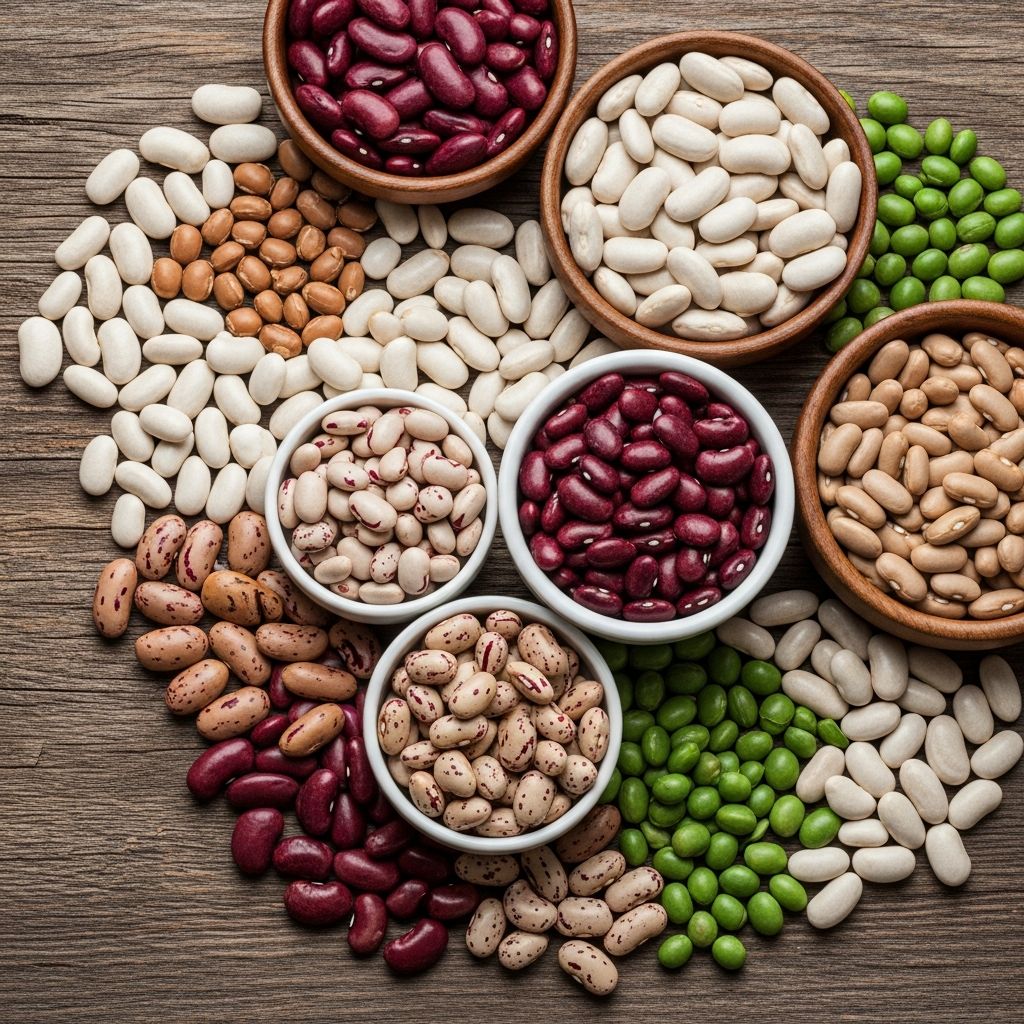
Beans, also known as legumes, are among the most nutrient-dense foods available, offering a wealth of health advantages backed by scientific research. From promoting heart health to aiding weight management and supporting longevity, incorporating beans into your diet can transform your well-being. This article delves into the science-supported benefits, nutritional profile, and practical tips for enjoying beans daily.
What Are Beans?
Beans are the edible seeds of plants in the legume family, including varieties like black beans, kidney beans, chickpeas, lentils, pinto beans, and navy beans. They have been dietary staples for centuries across cultures, valued for their versatility, affordability, and nutritional superiority. Unlike animal proteins, beans provide complete nutrition without saturated fats or cholesterol.
Common types include:
- Black beans: Rich in antioxidants and fiber.
- Kidney beans: High in protein and iron.
- Chickpeas (garbanzo beans): Excellent for gut health.
- Lentils: Quick-cooking and folate-packed.
- Pinto beans: Great for blood sugar control.
Nutritional Profile of Beans
One cup of cooked beans typically delivers 15 grams of protein, 13 grams of fiber, and essential micronutrients like folate, magnesium, potassium, iron, and B vitamins, all for about 225-300 calories. They are low in fat and contain no cholesterol, making them ideal for plant-based diets.
Key nutrients include:
- Fiber: Soluble and insoluble types for digestion and heart health.
- Plant-based protein: Supports muscle maintenance, especially in aging populations.
- Polyphenols: Antioxidants that combat inflammation and oxidative stress.
- Resistant starch: Acts as a prebiotic for gut bacteria.
- Minerals and vitamins: Folate for cell health, magnesium for energy, potassium for blood pressure.
| Nutrient (per 1 cup cooked) | Amount | % Daily Value |
|---|---|---|
| Protein | 15g | 30% |
| Fiber | 13g | 46% |
| Folate | 358mcg | 90% |
| Magnesium | 120mg | 29% |
| Potassium | 717mg | 15% |
Darker beans like black beans boast higher antioxidant levels due to greater phenolic content.
1. Beans Promote Heart Health
Beans are cardioprotective through multiple mechanisms. Their soluble fiber binds to cholesterol in the digestive system, reducing LDL (bad) cholesterol levels and preventing plaque buildup in arteries. Potassium helps regulate blood pressure by counteracting sodium effects.
Studies show regular bean consumption lowers cardiovascular disease (CVD) risk. Polyphenols and bioactive peptides inhibit LDL oxidation, angiotensin II activity, and ACE, enhancing nitric oxide availability for vessel dilation. In one analysis, legume intake reduced CVD risk by improving lipid profiles and vascular function.
Beans also mitigate hypertension and dyslipidemia, key obesity-related CVD factors.
2. Beans Help Prevent and Manage Diabetes
The low glycemic index of beans, combined with high fiber and resistant starch, stabilizes blood sugar by slowing carbohydrate absorption. This prevents spikes and crashes, crucial for type 2 diabetes (T2D) management.
Research indicates beans improve glycemic control, insulin sensitivity, and reduce T2D risk. Phytohemagglutinin from kidney beans may regulate appetite and metabolism. In rat studies, black beans lowered postprandial glucose and insulin.
Related Stories



Human trials confirm: daily bean intake supports better HbA1c levels and reduces diabetes complications.
3. Beans Support Healthy Weight Loss and Management
High in satiating protein and fiber, beans promote fullness, reducing overall calorie intake. Resistant starch fermentation produces short-chain fatty acids (SCFAs) like butyrate, which enhance fat oxidation and insulin sensitivity.
Bean eaters often have lower body weights and fat mass. A study found rats on black bean diets had 28% less body fat, higher butyrate, and better microbial diversity. In humans, pulses aid weight loss by curbing hunger.
Unlike processed carbs, beans’ complex carbs sustain energy without weight gain.
4. Beans Improve Gut Health
Resistant starch and fiber in beans feed beneficial gut bacteria, boosting SCFA production like butyrate. Butyrate strengthens the gut barrier, reduces inflammation, and prevents leaky gut.
Studies show bean diets increase microbial diversity, elevate butyrate-producers, and lower inflammatory markers like LPS and NF-κB. Navy and black beans reduced colon tumor incidence by 44-75% in animal models via higher butyrate.
This supports colon health and may protect against colorectal cancer.
5. Beans Provide Protein for Muscle Health
Offering 15g protein per cup, beans support muscle repair and preservation, vital for sarcopenia prevention in older adults. Combined with grains, they form complete proteins.
Plant protein from beans is linked to longevity, aiding tissue maintenance without animal fat burdens.
6. Beans Fight Inflammation and Oxidative Stress
Polyphenols in beans neutralize free radicals and inhibit pro-inflammatory pathways. Darker varieties excel here, offering anti-inflammatory, antihypertensive, and anticancer effects.
Regular intake reduces chronic low-grade inflammation tied to obesity, CVD, and T2D.
7. Beans May Promote Longevity
A landmark study across Japan, Greece, and Australia found beans as the top dietary predictor of survival in seniors. Just 20g daily (1-2 tbsp) cut mortality risk by 8%. No other food matched this.
Mechanisms include anti-aging effects on gene expression, telomeres, and inflammation.
8. Beans Support Cancer Prevention
Bean lectins and polyphenols show anticancer potential against colon, breast, lung, and other cancers. In studies, bean-fed rats had 54-59% fewer tumors and higher butyrate.
How to Incorporate Beans into Your Diet
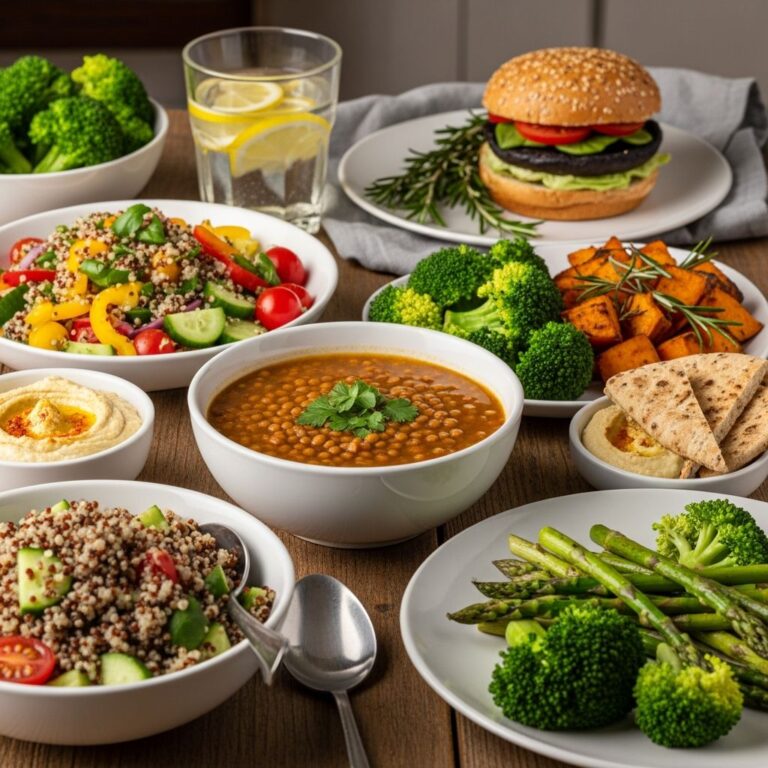
Start with ½ cup daily, rinsing canned beans to reduce sodium. Soak dried beans overnight for better digestion. Recipes:
- Soups and stews.
- Salads with chickpeas.
- Bean burgers.
- Tacos with black beans.
Cook thoroughly to neutralize lectins. Gradually increase intake to avoid gas.
Potential Downsides and Tips
Some experience bloating from oligosaccharides; fermenting or sprouting helps. Those with gout should limit purine-rich beans. Always pair with vitamin C for iron absorption.
Frequently Asked Questions (FAQs)
Are beans good for weight loss?
Yes, their fiber and protein promote satiety and reduce calorie intake, supporting healthy weight management.
Do beans cause gas?
Initially yes, due to fiber; rinse, soak, and start small to build tolerance.
Are canned beans healthy?
Yes, choose low-sodium; they retain most nutrients.
How much beans should I eat daily?
½ to 1 cup cooked, or 20-50g dry, for optimal benefits.
Can beans replace meat?
Absolutely; they provide comparable protein with added fiber and no cholesterol.
Which beans are healthiest?
Black and navy for antioxidants; all offer unique benefits.
References
- The Power of Beans: Why This Food May Help You Live Longer — Mito Health. 2024. https://mitohealth.com/blog/the-power-of-beans-why-this-food-may-help-you-live-longer
- Health Benefits of Plant-Based Nutrition: Focus on Beans in Cardiometabolic Health — National Center for Biotechnology Information (PMC). 2021-03-10. https://pmc.ncbi.nlm.nih.gov/articles/PMC7915747/
- Facts About Beans and Health — Johns Hopkins Bloomberg School of Public Health (Meatless Monday). Accessed 2026. http://meatlessmonday.publichealth.jhu.edu/resources/facts-about-beans-and-health
Similar Articles








Read full bio of medha deb