Health Benefits Of Broccoli: 10 Proven Reasons To Eat It
Discover the impressive health benefits of broccoli, from cancer prevention to heart health and weight management.
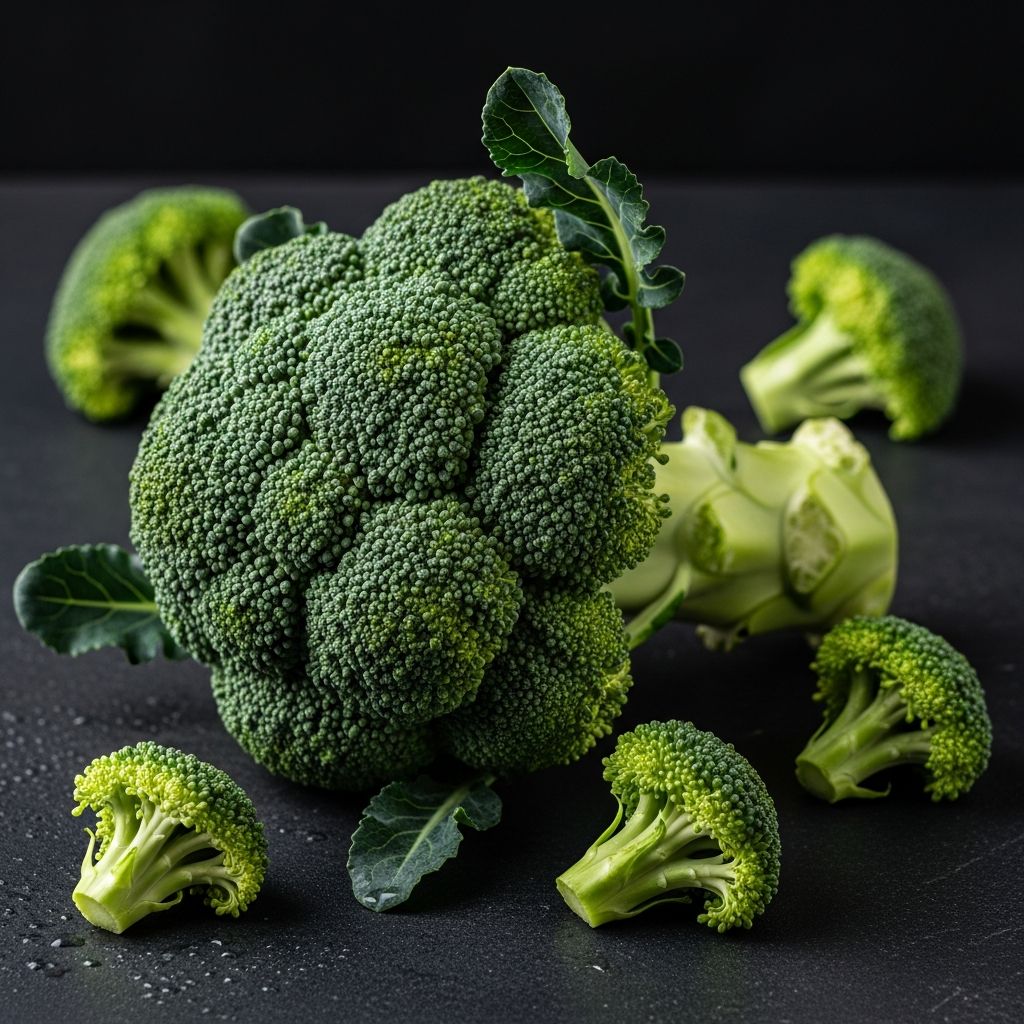
Broccoli, a vibrant green cruciferous vegetable from the Brassica family, stands out as a nutritional powerhouse. Low in calories yet rich in essential vitamins, minerals, fiber, and bioactive compounds like sulforaphane, it offers multifaceted health benefits supported by scientific research. Regular consumption may reduce risks of chronic diseases, support digestion, boost immunity, and aid weight management.
Nutrition Facts
One cup of raw, chopped broccoli (about 91 grams) provides just 31 calories, making it an ideal low-energy-density food. It delivers 2.6 grams of protein, 6 grams of carbohydrates (including 2.4 grams of fiber), and negligible fat. Key micronutrients include 90 mg of vitamin C (100% DV), 81 mcg of vitamin K (67% DV), 567 IU of vitamin A (19% DV), 43 mg of calcium (4% DV), and 47 mcg of folate (12% DV). These nutrients contribute to its anti-inflammatory, antioxidant, and detoxifying properties.
| Nutrient | Amount per 1 Cup Raw | % Daily Value |
|---|---|---|
| Calories | 31 | 2% |
| Vitamin C | 90 mg | 100% |
| Vitamin K | 81 mcg | 67% |
| Fiber | 2.4 g | 9% |
| Folate | 47 mcg | 12% |
| Calcium | 43 mg | 4% |
1. Broccoli Is Packed With Vitamins and Minerals
Broccoli is an excellent source of vitamins C, K, A, and folate, alongside minerals like calcium and potassium. Vitamin C acts as a potent antioxidant, supporting immune function, collagen synthesis, and iron absorption. Vitamin K is crucial for blood clotting and bone metabolism, while vitamin A promotes vision and skin health. Folate aids DNA synthesis and red blood cell formation, making broccoli vital for overall cellular health.
- Vitamin C: Boosts immunity and fights oxidative stress.
- Vitamin K: Supports bone density and cardiovascular health.
- Vitamin A: Protects eye health and epithelial tissues.
2. Broccoli Has Antioxidant and Anti-Inflammatory Effects
Rich in antioxidants like vitamins C and E, β-carotene, flavonoids, and glucosinolates (which convert to sulforaphane and isothiocyanates), broccoli combats free radicals and chronic inflammation. These compounds neutralize oxidative stress, linked to diseases like cancer and heart disease. Sulforaphane activates Nrf2 pathways, upregulating detoxifying enzymes and reducing pro-inflammatory cytokines.
Studies show broccoli’s antioxidants lower markers of inflammation, such as C-reactive protein, promoting cellular protection and longevity.
3. Broccoli Can Help Reduce Inflammation
Chronic inflammation underlies many diseases, including arthritis, diabetes, and cancer. Broccoli’s sulforaphane inhibits NF-κB signaling, a key inflammatory pathway, while flavonoids suppress cytokine production. Research indicates regular intake reduces inflammation by stimulating antioxidant enzyme production, like glutathione peroxidase.
- Sulforaphane blocks enzymes promoting inflammation.
- Indole-3-carbinol modulates immune responses.
- Overall, it creates an anti-inflammatory environment in the body.
4. Broccoli May Protect Against Certain Types of Cancer
Cruciferous vegetables like broccoli contain glucosinolates that break down into isothiocyanates, sulforaphane, and indole-3-carbinol, which exhibit anti-carcinogenic effects. These compounds induce phase II detoxification enzymes, inhibit cancer cell proliferation, and promote apoptosis. Population studies link higher broccoli intake to reduced risks of colorectal, prostate, breast, and lung cancers.
Related Stories



Sulforaphane specifically targets cancer stem cells and enhances chemotherapy efficacy in preclinical models.
5. Broccoli Supports Heart Health
Broccoli’s fiber binds bile acids, lowering LDL cholesterol, while potassium helps regulate blood pressure. Antioxidants like sulforaphane improve endothelial function and reduce arterial stiffness. Vitamin K prevents calcification of arteries. Combined, these effects support cardiovascular health and may lower heart disease risk.
6. Broccoli Promotes Healthy Digestion
With 2.4 grams of fiber per cup, broccoli aids bowel regularity, prevents constipation, and feeds beneficial gut bacteria. Its prebiotic fibers promote a healthy microbiome, enhancing nutrient absorption and reducing gut inflammation. Sulforaphane also exhibits antibacterial effects against pathogens like H. pylori.
7. Broccoli Supports Eye Health
Lutein, zeaxanthin, and vitamin A in broccoli filter harmful blue light and protect the retina from oxidative damage. These carotenoids accumulate in the macula, reducing risks of age-related macular degeneration (AMD) and cataracts. Regular consumption correlates with better visual acuity in observational studies.
8. Broccoli Boosts the Immune System
Vitamin C enhances white blood cell function and antibody production. Sulforaphane and indole-3-carbinol regulate immune responses, balancing pro- and anti-inflammatory signals. These properties help combat infections and autoimmune conditions.
9. Broccoli Supports Strong Bones
Providing 43 mg calcium and high vitamin K per serving, broccoli aids bone mineralization and reduces fracture risk. Vitamin K activates osteocalcin, a protein binding calcium to bones. Studies show cruciferous vegetable intake links to higher bone density, especially in postmenopausal women.
10. Broccoli Aids Weight Management
Low-calorie (31 kcal/cup) and high-fiber, broccoli promotes satiety without excess energy. Its protein and water content further enhance fullness. Incorporating broccoli into meals supports calorie control and sustainable weight loss.
How to Add More Broccoli to Your Diet
Maximize benefits by eating broccoli raw or lightly steamed to preserve sulforaphane—chop and wait 10 minutes before cooking. Aim for 1-2 cups daily.
- Raw: Salads, smoothies.
- Steamed: Side dish with lemon.
- Roasted: With garlic and olive oil.
- Stir-fries: With lean proteins.
- Soups: Blended cream of broccoli.
Recipe Ideas
- Broccoli and cheddar frittata: Whisk eggs with cheese and steamed broccoli florets; bake until set.
- Super-easy cream of broccoli soup: Blend cooked broccoli with broth, onion, and cream.
- Beef and broccoli stir-fry: Quick-cook florets with lean beef and soy-ginger sauce.
- Citrus and ginger roasted broccoli: Toss with oil, roast at 425°F for 20 minutes.
- Broccoli-cheese fritters: Mix mashed broccoli with egg, cheese, and breadcrumbs; pan-fry.
Frequently Asked Questions (FAQs)
Is broccoli good for you?
Yes, broccoli is highly nutritious, low in calories, and packed with fiber, vitamins, antioxidants, and cancer-fighting compounds.
Does broccoli help with weight loss?
Its high fiber and low calories promote satiety and support weight management when part of a balanced diet.
Is broccoli anti-inflammatory?
Yes, sulforaphane and other compounds reduce inflammation by inhibiting key pathways.
Can broccoli prevent cancer?
Bioactive compounds show anti-cancer potential in studies, reducing risks for several types.
How much broccoli should I eat daily?
1-2 cups provide significant benefits without excess; vary cooking methods for optimal nutrients.
Is raw or cooked broccoli healthier?
Light steaming preserves sulforaphane better than boiling; raw retains vitamin C.
References
- Broccoli: A Multi-Faceted Vegetable for Health: An In-Depth Review — Nutrients (PMC). 2023-07-15. https://pmc.ncbi.nlm.nih.gov/articles/PMC10376324/
- Broccoli: Benefits Nutrition Facts and More — WeightWatchers (WW USA). 2021-07-01. https://www.weightwatchers.com/us/blog/food/broccoli-benefits-nutrition-and-facts
Similar Articles








Read full bio of medha deb