Health Benefits Of Cucumbers: 7 Science-Backed Advantages
Discover the impressive health benefits of cucumbers, from hydration and bone health to blood sugar control and disease prevention.
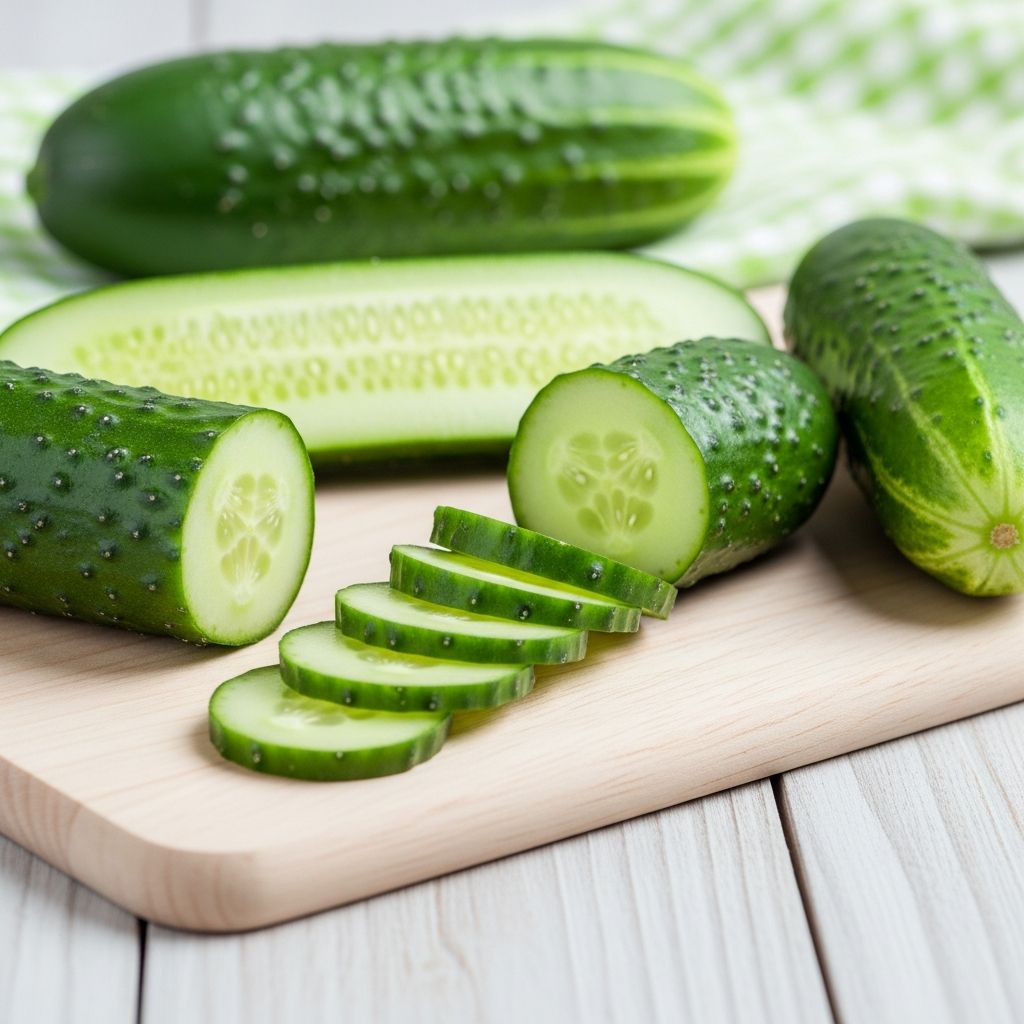
Cucumbers are a refreshing, low-calorie food that provides significant nutritional benefits. Composed of about 96% water, they are an excellent source of hydration while delivering vitamins, minerals, fiber, and antioxidants that support overall health.
Nutrition Facts of Cucumbers
One serving of raw cucumber (about 100 grams or one-third of a medium cucumber, with peel) is low in calories at approximately 16 calories. It contains 3.6 grams of carbohydrates, 0.7 grams of protein, 0.1 grams of fat, 1 gram of fiber, and 95% water. Key micronutrients include 16% of the daily value (DV) for vitamin K, 5% DV for vitamin C, 4% DV for potassium, and smaller amounts of vitamin A, magnesium, and calcium.
Eating cucumbers with the peel maximizes nutrient intake, as peeling removes fiber and certain vitamins and minerals. This makes cucumbers a nutrient-dense addition to any diet.
1. Cucumbers Are an Excellent Source of Antioxidants
Cucumbers are rich in antioxidants such as flavonoids, tannins, and vitamin C, which combat free radicals and reduce oxidative stress. These compounds may lower the risk of chronic diseases like heart disease, cancer, and neurodegenerative conditions.
One study supplemented older adults with cucumber powder for 30 days, resulting in significant increases in antioxidant activity markers. Cucurbitacin B (CuB), a compound in cucumbers, shows promise in fighting liver, breast, lung, and prostate cancer by inhibiting cancer cell growth.
2. They’re Super Hydrating
With 96% water content, cucumbers are one of the most hydrating foods available. Hydration supports temperature regulation, nutrient transport, waste removal, and overall bodily functions.
A study of 442 children found that higher fruit and vegetable intake, including water-rich options like cucumbers, improved hydration status. Cucumbers help meet daily fluid needs without added calories, making them ideal for summer or active lifestyles.
3. Cucumbers Promote Bone Health
Cucumbers provide vitamin K (16% DV per serving), essential for bone health. Adequate vitamin K intake reduces fracture risk and supports bone mineral density, helping prevent osteoporosis.
Combined with calcium, vitamin K enhances calcium absorption for stronger bones. Regular cucumber consumption contributes to skeletal health, particularly for those at risk of bone loss.
4. They Support Gut Health
The water and fiber in cucumbers aid digestion by softening stool, promoting regular bowel movements, and preventing constipation.
Pickled or fermented cucumbers can offer probiotic benefits, introducing beneficial bacteria that inhibit harmful gut pathogens. While sodium is a concern with excessive pickling, moderate intake supports microbiome balance.
5. Cucumbers Help Manage Blood Sugar and Support Weight Loss
Low in calories, carbs, and sugar, cucumbers have a low glycemic index (GI), minimizing blood sugar spikes. Their fiber and water content promote satiety, aiding weight management.
Animal and test-tube studies show cucumbers reduce blood sugar levels and diabetes complications by lowering oxidative stress. For those with obesity—a key diabetes risk factor—cucumbers provide volume without calories.
An analysis of 13 studies with 3,628 participants linked high-water, low-calorie foods like cucumbers to significant weight loss.
6. Cucumbers May Have Cancer-Fighting Properties
Cucurbitacin B in cucumbers inhibits cancer cell proliferation and may induce cell death in liver, breast, lung, and prostate cancers. Research reviews confirm its potential as an anti-cancer agent.
Related Stories



Antioxidants in cucumbers further protect cells from damage that could lead to cancer development.
7. They Promote Heart Health
Cucumbers support cardiovascular health through multiple mechanisms. Potassium helps regulate blood pressure, while fiber lowers cholesterol.
CuB combats atherosclerosis by reducing fatty buildup in arteries. Overall, these effects decrease heart disease risk. Studies on Mediterranean diet foods, including cucumbers, show reductions in hypertension and hyperlipidemia.
How To Add More Cucumbers to Your Diet
Cucumbers’ mild flavor and crisp texture make them versatile. Try these ideas:
- Slice into salads for crunch and hydration.
- Make cucumber sandwiches with hummus or cream cheese.
- Pickle for a probiotic-rich snack.
- Blend into smoothies or infuse water.
- Use as veggie sticks with dips.
- Add to wraps, sushi rolls, or gazpacho soup.
Available year-round and affordable, cucumbers fit any budget or meal plan.
Cucumber Nutrition Comparison Table
| Nutrient (per 100g raw, with peel) | Amount | % Daily Value |
|---|---|---|
| Calories | 16 kcal | 1% |
| Water | 95 g | – |
| Fiber | 1 g | 4% |
| Vitamin K | 16.4 µg | 16% |
| Vitamin C | 2.8 mg | 5% |
| Potassium | 147 mg | 4% |
Table based on USDA data approximated from sources.
Frequently Asked Questions (FAQs)
Are cucumbers good for weight loss?
Yes, their low calories, high water, and fiber content promote fullness and support weight loss without adding many calories.
Can cucumbers help lower blood sugar?
Cucumbers have a low GI and studies suggest they may reduce blood sugar and diabetes complications, though more human research is needed.
Is it better to eat cucumbers with or without the peel?
With the peel for maximum fiber, vitamins, and minerals.
Do pickled cucumbers have health benefits?
Yes, fermented pickles provide probiotics for gut health, but watch sodium intake.
Can cucumbers benefit skin health?
Their antioxidants and hydration may support skin, reducing inflammation and aiding detoxification.
References
- Are Cucumbers Good for You? — Cleveland Clinic Health Essentials. 2023-06-15. https://health.clevelandclinic.org/benefits-of-cucumbers
- 7 Health Benefits of Eating Cucumber — Healthline (via Glenmoriston Townhouse blog). 2019-03-01. https://www.healthline.com/nutrition/7-health-benefits-of-cucumber
- Foods of the Mediterranean diet: citrus, cucumber and grape — National Institutes of Health (PMC). 2022-12-01. https://pmc.ncbi.nlm.nih.gov/articles/PMC9710412/
Similar Articles








Read full bio of Sneha Tete