Health Benefits of Ginger: Simple Ways to Incorporate This Root
Discover ginger's powerful health benefits and easy ways to add this zesty root to your daily meals.
Health Benefits of Ginger: Simple Ways to Incorporate This Zesty Root Into Your Diet
Ginger, scientifically known as Zingiber officinale, has been used in traditional medicine for thousands of years, and modern research is now validating many of its remarkable health properties. This humble root vegetable offers far more than just culinary flavor—it contains powerful compounds that can significantly impact your overall wellness. Whether you’re looking to improve digestion, reduce inflammation, or support your immune system, ginger offers a natural and accessible solution that can easily fit into your daily routine.
Understanding Ginger’s Powerful Compounds
The secret to ginger’s health benefits lies in its bioactive compounds, particularly gingerol, the primary active component that gives ginger its characteristic pungent taste and powerful medicinal properties. Ginger also contains valuable nutrients including vitamin C, magnesium, and potassium, making it a nutrient-dense addition to any diet. Beyond gingerol, ginger contains numerous antioxidants and phytonutrients that work synergistically to provide multiple health benefits. When ginger is dried, some gingerol converts to shogaol, another compound with its own therapeutic properties that may be particularly beneficial for brain health and cognitive function.
Key Health Benefits of Ginger
Anti-Inflammatory and Antioxidant Properties
One of ginger’s most well-documented benefits is its potent anti-inflammatory activity. Ginger works by inhibiting Akt and activating NF-kB pathways, which triggers the release of anti-inflammatory cytokines while reducing pro-inflammatory molecules. Studies have demonstrated that ginger can lower levels of interleukin-1 (IL-1), interleukin-6 (IL-6), tumor necrosis factor-alpha (TNFα), and C-reactive protein—all markers of inflammation in the body. This makes ginger particularly valuable for individuals dealing with chronic inflammatory conditions. The antioxidant properties of ginger are equally impressive, helping to combat oxidative stress caused by free radicals, which contribute to aging and various diseases.
Immune System Support and Autoimmune Disease Management
Recent groundbreaking research has revealed that ginger plays a crucial role in regulating immune function. A clinical trial published in JCI Insight found that daily ginger supplementation (20 mg of gingerols per day) for just seven days boosted a chemical called cAMP within neutrophils, specialized white blood cells that fight infection. This enhanced cAMP then inhibited neutrophil extracellular trap (NET) formation, also known as NETosis—a process where neutrophils create microscopic spider web-like structures that can trigger excessive inflammation and clotting. This discovery is particularly significant for people with autoimmune diseases like lupus, rheumatoid arthritis, and antiphospholipid syndrome, where neutrophils become abnormally overactive. By helping to restrain NETosis, ginger may complement existing treatment programs and provide symptom relief for those with inflammatory and autoimmune conditions.
Digestive Health and Gastrointestinal Support
Ginger has long been valued for its digestive benefits, and modern research confirms its effectiveness. According to recent reviews, ginger supports digestive health by promoting gastric motility—essentially easing the movement of food through your gastrointestinal tract while stimulating digestive juices and relieving gastrointestinal discomfort. For individuals with irritable bowel syndrome (IBS) and inflammatory bowel disease (IBD), ginger can be particularly beneficial. Research suggests that approximately 2,000 mg of ginger daily could help reduce inflammation, manage indigestion (dyspepsia), and even protect against colorectal cancer by preventing ulceration in the digestive tract. Additionally, enzymes in ginger help break up and expel gas, providing relief from bloating and discomfort while potentially preventing or relieving constipation.
Related Stories



Nausea Relief and Post-Treatment Support
One of ginger’s most well-established uses is its ability to alleviate nausea. A 2020 review indicates that ginger effectively helps relieve morning sickness in pregnant women and reduces nausea following cancer treatment. This natural remedy offers a gentle alternative to pharmaceutical anti-nausea medications, making it especially valuable for those seeking gentler options or experiencing side effects from other treatments.
Blood Sugar Regulation and Diabetes Management
For individuals with type 2 diabetes or those concerned about metabolic health, ginger offers promising benefits. New research shows that gingerol helps keep blood sugar levels steady—a crucial factor in managing long-term diabetes effects. One small study demonstrated that taking just 2 grams of powdered ginger supplement daily noticeably lowered fasting blood sugar in people with type 2 diabetes, while another study found that consuming ginger powder for 12 weeks improved insulin sensitivity in people with type 2 diabetes. These findings suggest that regular ginger consumption may help prevent or delay diabetes progression and improve overall metabolic health.
Cardiovascular Health and Cholesterol Management
High cholesterol levels, particularly elevated LDL (bad) cholesterol, are significant risk factors for heart disease. Evidence suggests that ginger can reduce cholesterol levels effectively. Early studies in both humans and animals show that adding ginger to your diet may result in reduced LDL levels, total cholesterol, and blood triglyceride levels. While more comprehensive research is needed, these findings indicate that ginger could be a valuable addition to a heart-healthy diet.
Brain Function and Cognitive Protection
Some 2022 research suggests that compounds found in ginger—specifically 6-shogaol and 6-gingerol—may help prevent degenerative conditions such as Parkinson’s disease, Alzheimer’s disease, and multiple sclerosis. Since oxidative stress and chronic inflammation are considered key drivers of Alzheimer’s disease and age-related cognitive decline, ginger’s powerful antioxidant and anti-inflammatory properties may offer protective benefits for brain health and cognitive function as we age.
Cancer Prevention Potential
While more human research is necessary, ginger shows anticancer properties in laboratory studies due to gingerol and various other antioxidant and anti-inflammatory compounds. In vitro studies suggest that ginger may help prevent cancer cells, though clinical trials have not yet confirmed these findings in humans. This remains an exciting area of ongoing research with promising preliminary results.
Simple Ways to Incorporate Ginger Into Your Daily Diet
Fresh Ginger Root Preparation
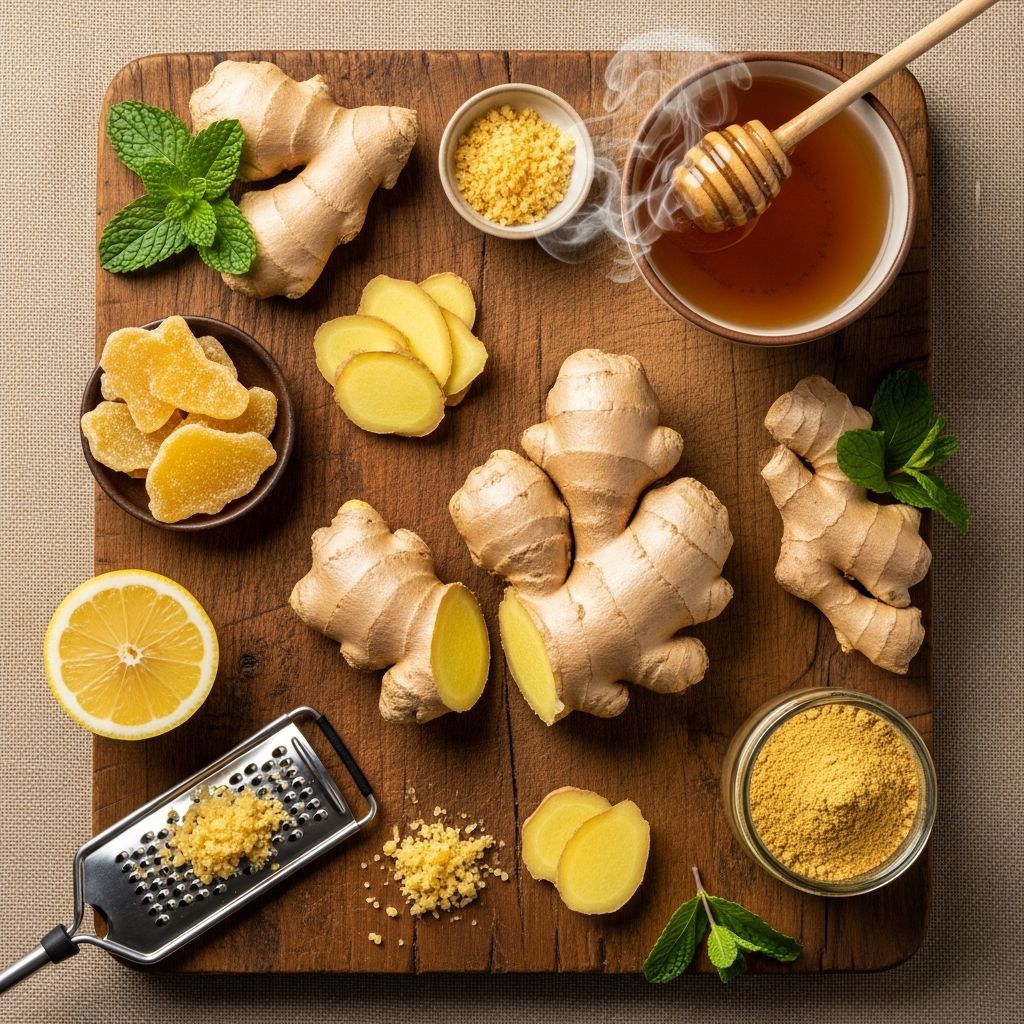
Fresh ginger root is versatile and can be incorporated into your diet in numerous ways. Peel and slice fresh ginger to add to stir-fries, where it contributes both flavor and health benefits. You can also grate fresh ginger into smoothies, yogurt, oatmeal, or granola for a zesty kick. Fresh ginger slices work wonderfully in hot tea or can be added to soups and broths for enhanced flavor and nutrition. When using fresh ginger, approximately 1-2 teaspoons of grated ginger per serving is typically sufficient to provide health benefits.
Ginger Tea and Infusions
One of the easiest and most enjoyable ways to consume ginger is through tea. Simply steep fresh ginger slices in hot water for 5-10 minutes, then strain. You can enhance the flavor by adding honey, lemon juice, or a cinnamon stick. Alternatively, purchase pre-made ginger tea bags for convenience. Ginger tea is particularly beneficial in the morning to stimulate digestion or in the evening as a soothing drink. Some people find that sipping ginger tea after meals aids digestion and reduces bloating.
Ginger Supplements and Powdered Forms
For those who prefer a more concentrated dose or consistent intake, ginger supplements and powdered ginger offer convenient options. Powdered ginger can be stirred into warm beverages, sprinkled on desserts, or incorporated into baking recipes. Ginger supplements come in various forms including capsules, tablets, and extracts. When considering supplements, consult with a healthcare provider about appropriate dosages, particularly if you take other medications or have specific health conditions.
Ginger in Cooking and Recipes
Ginger is a staple in many cuisines and can elevate both savory and sweet dishes. Add fresh or ground ginger to curry dishes, marinades for meats, and vegetable side dishes. In baking, ginger pairs beautifully with cinnamon and nutmeg in cookies, cakes, and breads. Try making ginger-infused honey to drizzle over yogurt or porridge, or create homemade ginger-lemon dressing for salads. Pickled ginger serves as both a condiment and digestive aid with meals.
Ginger Juices and Smoothies
Fresh ginger juice can be extracted using a juicer and added to fresh fruit and vegetable juices for an energizing beverage. In smoothies, a small piece of fresh ginger (about 1 inch) blended with fruits, leafy greens, and plant-based milk creates a nutritious and delicious drink. Ginger pairs particularly well with pineapple, turmeric, and citrus fruits in juice blends.
Recommended Daily Intake and Dosage
Research suggests varying dosages depending on intended use. For general health and digestion support, 1-2 grams of fresh ginger daily or about 0.5-1 gram of powdered ginger is typically recommended. For more therapeutic purposes, studies have examined doses ranging from 2-4 grams of powdered ginger daily, with some research using up to 2,000 mg for digestive health specifically. Always start with lower doses and gradually increase to assess your tolerance. Pregnant women, individuals taking blood thinners, and those with gallstones should consult healthcare providers before significantly increasing ginger intake.
Safety Considerations and Potential Side Effects
While ginger is generally safe for most people, some individuals may experience side effects including heartburn, stomach upset, or mouth irritation, particularly at higher doses. Those taking anticoagulant medications should be cautious, as ginger may have mild blood-thinning properties. Pregnant women can safely consume moderate amounts of ginger, but should discuss intake with their healthcare provider. If you have gallstones, consult a doctor before consuming large quantities, as ginger may stimulate bile production.
Frequently Asked Questions About Ginger
Q: How much ginger should I consume daily for health benefits?
A: For general wellness, 1-2 grams of fresh ginger or 0.5-1 gram of powdered ginger daily is recommended. For therapeutic purposes, studies have examined doses up to 2-4 grams daily. Start with smaller amounts and increase gradually as tolerated, and consult a healthcare provider for personalized recommendations.
Q: Is fresh ginger better than powdered ginger?
A: Both forms offer health benefits. Fresh ginger contains more gingerol, while dried ginger contains higher concentrations of shogaol. Choose based on convenience and specific health goals—fresh ginger for general use, dried for concentrated doses.
Q: Can ginger help with weight loss?
A: While ginger supports digestion and may enhance metabolism slightly, it’s not a weight loss solution on its own. Combined with a healthy diet and exercise, ginger’s digestive and anti-inflammatory benefits may support overall wellness goals.
Q: Is ginger safe during pregnancy?
A: Moderate amounts of ginger are generally considered safe during pregnancy and may help relieve morning sickness. However, pregnant women should consult their healthcare provider about appropriate amounts and usage.
Q: Can ginger interact with medications?
A: Ginger may interact with blood thinners and certain other medications. If you take prescription medications, discuss ginger consumption with your doctor or pharmacist to ensure safety.
Q: How long does it take to experience ginger’s health benefits?
A: Benefits vary by individual and condition. Some people notice improvements in digestion or nausea relief within days, while anti-inflammatory effects may take weeks of consistent consumption to become apparent.
References
- A critical review of Ginger’s (Zingiber officinale) antioxidant, anti-inflammatory, and other bioactivities — Frontiers in Nutrition. 2024-07-15. https://www.frontiersin.org/journals/nutrition/articles/10.3389/fnut.2024.1364836/full
- New Research Adds Evidence to the Benefits of Ginger Supplements for Treating Autoimmune Diseases — University of Colorado Anschutz Medical Campus. 2024-02-28. https://news.cuanschutz.edu/news-stories/new-research-adds-evidence-to-the-benefits-of-ginger-supplements-for-treating-autoimmune-diseases
- Ginger Health Benefits: Digestion, Nausea, and More — Healthline. 2024-03-20. https://www.healthline.com/nutrition/11-proven-benefits-of-ginger
- Ginger: Uses, benefits, and nutrition — Medical News Today. 2024-01-10. https://www.medicalnewstoday.com/articles/265990
- Why you should consider adding ginger to your diet — UCLA Health. 2023-11-15. https://www.uclahealth.org/news/article/why-you-should-consider-adding-ginger-to-your-diet
- Ginger Root — StatPearls, National Center for Biotechnology Information. 2024-09-01. https://www.ncbi.nlm.nih.gov/books/NBK565886/
Similar Articles








Read full bio of Sneha Tete