Health Benefits Of Honey: 7 Proven Advantages
Discover the science-backed health benefits of honey, from antioxidants and heart health to wound healing and cough relief.
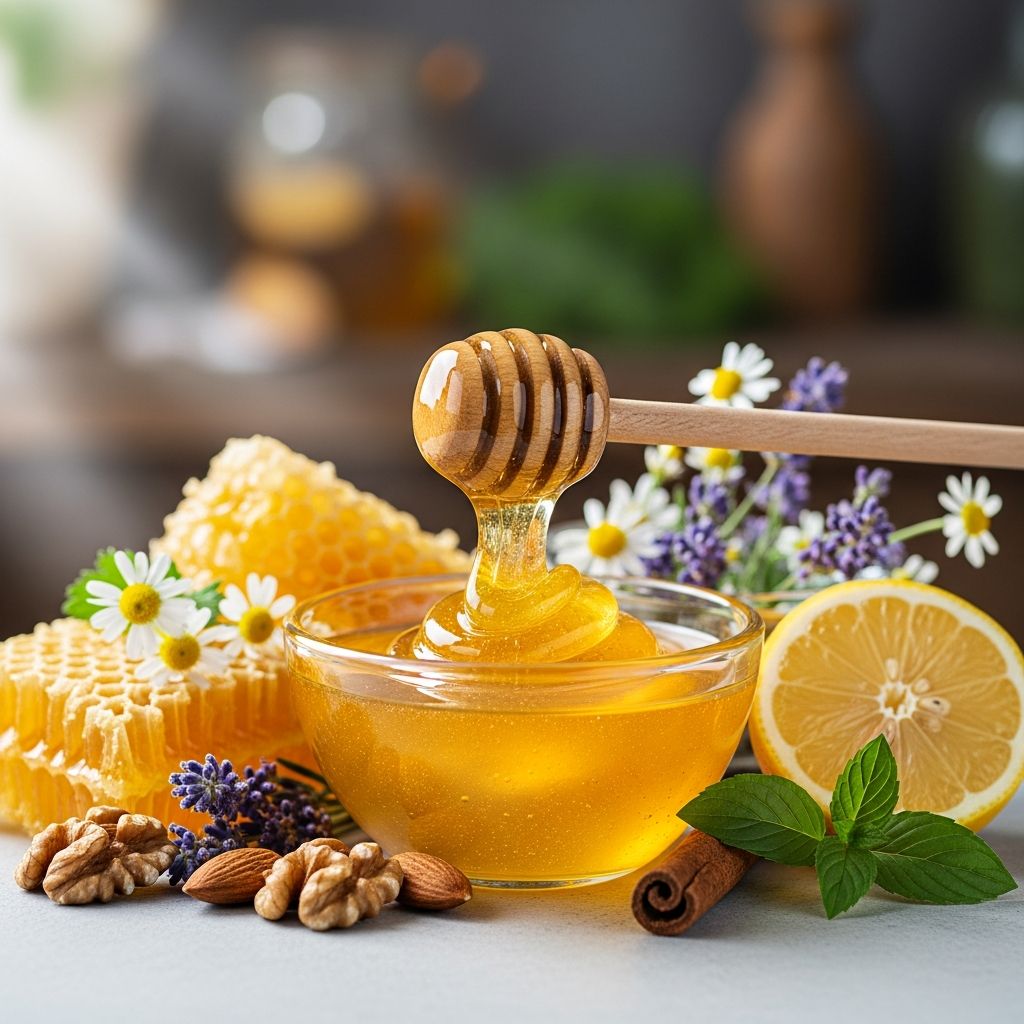
Honey, a natural sweetener produced by bees from flower nectar, offers a range of potential health benefits when consumed in moderation. Unlike refined sugar, it contains bioactive compounds, antioxidants, and nutrients that may support overall wellness, from heart health to wound healing.
What Is Honey?
Honey is a viscous, sweet substance made by honeybees through enzymatic processes on nectar. It consists primarily of fructose and glucose (about 80% sugars), with water, enzymes, amino acids, vitamins, minerals, and plant compounds making up the rest. Raw, unprocessed honey retains more of these beneficial elements compared to pasteurized varieties, which lose some antioxidants due to heat treatment.
Varieties like darker honeys (e.g., buckwheat) are richer in antioxidants and plant compounds, providing greater health potential. Traditionally used in medicine for millennia, modern research validates many of its therapeutic roles, including anti-inflammatory, antimicrobial, and antioxidant effects.
Nutrition Facts of Honey
One tablespoon (21 grams) of honey provides approximately 64 calories, 17 grams of carbohydrates (mostly sugars), and trace amounts of vitamins and minerals like vitamin C, calcium, potassium, and B vitamins. It’s nearly fat-free and cholesterol-free but denser in antioxidants than table sugar.
| Nutrient (per 1 tbsp / 21g) | Amount | % Daily Value* |
|---|---|---|
| Calories | 64 | 3% |
| Total Carbs | 17g | 6% |
| Sugars | 17g | – |
| Protein | 0.1g | 0% |
| Vitamin C | 0.1mg | 0% |
| Calcium | 1mg | 0% |
| Potassium | 11mg | 0% |
| *Percent Daily Values based on a 2,000-calorie diet. Honey’s value lies in bioactive compounds, not macronutrients. | ||
7 Potential Health Benefits of Honey
1. Rich Source of Antioxidants
Honey is packed with antioxidants like flavonoids, phenolic acids, and organic acids, particularly in raw and darker varieties. These compounds neutralize free radicals—reactive oxygen species (ROS) that damage cells and contribute to aging, diabetes, and heart disease.
Studies show darker honeys have higher antioxidant levels, helping reduce oxidative stress. A review of clinical research highlights honey’s phytochemicals exerting antioxidant effects, potentially protecting against chronic diseases.
2. Contains Unique Plant Compounds
Beyond sugars, honey harbors bioactive plant compounds such as polyphenols, which offer anti-inflammatory and antimicrobial benefits. These make honey a superior alternative to refined sugar, which provides empty calories.
Raw honey also includes probiotic bacteria like lactobacilli, supporting gut health, immune regulation, and lipid reduction.
3. Better for Blood Sugar Than Table Sugar
While honey raises blood sugar like other sugars, its antioxidants and rare sugars may improve insulin sensitivity and reduce metabolic syndrome risk. Research shows it increases adiponectin—a hormone aiding blood sugar control—and lowers fasting glucose in type 2 diabetes patients.
A University of Toronto meta-analysis of 18 trials (over 1,000 participants) found 40g daily honey (about 2 tbsp) reduced fasting glucose and improved cardiometabolic markers.
4. Promotes Heart Health
Honey may lower blood pressure, improve cholesterol (raising HDL, lowering LDL), reduce triglycerides, and protect against oxidative stress. An observational study of 4,500+ adults linked moderate intake to lower hypertension risk in women.
The same meta-analysis confirmed reductions in total cholesterol, LDL-C, triglycerides, and increases in HDL-C, attributing benefits to honey’s unique composition.
5. Helps With Wound Healing
Topical honey has antibacterial, anti-inflammatory properties ideal for burns, ulcers, and wounds. Used since ancient Egypt, it nourishes tissue, suppresses infection, and promotes faster healing.
Related Stories



Clinical evidence supports its use for superficial burns and ulcers, with phenolic compounds reducing inflammation via COX-2 suppression.
6. Natural Cough Suppressant
Honey soothes coughs better than some over-the-counter remedies, especially in children over 1 year. Varieties like eucalyptus, citrus, and labiatae excel for upper respiratory infections and nighttime coughs.
- Safe alternative to dextromethorphan in kids.
- Coats throat, reduces irritation.
7. Supports Gut and Immune Health
Honey’s prebiotics foster beneficial gut bacteria, aiding digestion and immunity. It exhibits antidiabetic, respiratory, gastrointestinal, and nervous system protective effects per clinical reviews.
May relieve diarrhea in gastroenteritis and aid oral rehydration.
Types of Honey and Their Benefits
- Raw Honey: Unpasteurized, retains enzymes, probiotics, and max antioxidants.
- Manuka Honey: High methylglyoxal for superior antibacterial action.
- Dark Honeys (e.g., Buckwheat): Highest antioxidants.
- Single-Floral (Clover, Robinia): Proven cardiometabolic benefits.
How to Use Honey for Health Benefits
- Add to tea for cough relief (1 tsp).
- Drizzle on yogurt for antioxidants.
- Use topically on minor wounds (medical-grade).
- Replace sugar in recipes (1:1 ratio).
- Consume 1-2 tbsp daily for metabolic benefits.
Opt for raw, local varieties; avoid feeding to infants under 1 due to botulism risk.
Possible Downsides and Risks
- High Sugar: Caloric; excess promotes weight gain, tooth decay.
- Blood Sugar Spike: Use moderately if diabetic.
- Allergies: Rare pollen reactions.
- Infant Botulism: Never give to babies <12 months.
Frequently Asked Questions
What are the main health benefits of honey?
Honey offers antioxidant protection, heart health support (better cholesterol/triglycerides), wound healing, cough suppression, and blood sugar management superior to refined sugar.
Is honey better than sugar?
Yes, due to antioxidants, plant compounds, and potential metabolic benefits, though both raise blood sugar—honey less drastically.
Can honey help with weight loss?
In moderation, it may aid via better glucose response, but it’s caloric; not a weight-loss miracle.
Is raw honey safe for daily use?
Yes for adults/children >1 year; 1-2 tbsp/day shows cardiometabolic benefits.
Does honey expire?
It crystallizes but doesn’t spoil; gently warm to reliquify.
References
- 7 Unique Health Benefits of Honey — Healthline. 2023-10-15. https://www.healthline.com/nutrition/benefits-of-honey
- 6 Health Benefits of Honey — FEPBlue (Blue Cross Blue Shield). 2019-03-29. https://www.fepblue.org/news/2019/03/29/11/47/6-health-benefits-of-honey
- The Buzz About Honey — Cardiometabolic Health Congress. 2023. https://www.cardiometabolichealth.org/article/the-buzz-about-honey/
- Honey and Health: A Review of Recent Clinical Research — PMC (NCBI). 2017-05-02. https://pmc.ncbi.nlm.nih.gov/articles/PMC5424551/
- Honey — Mayo Clinic. 2024-01-10. https://www.mayoclinic.org/drugs-supplements-honey/art-20363819
Similar Articles








Read full bio of medha deb