Health Benefits of Licorice Root: Science-Backed Uses
Discover the science-backed health benefits of licorice root for digestion, liver health, and immunity.
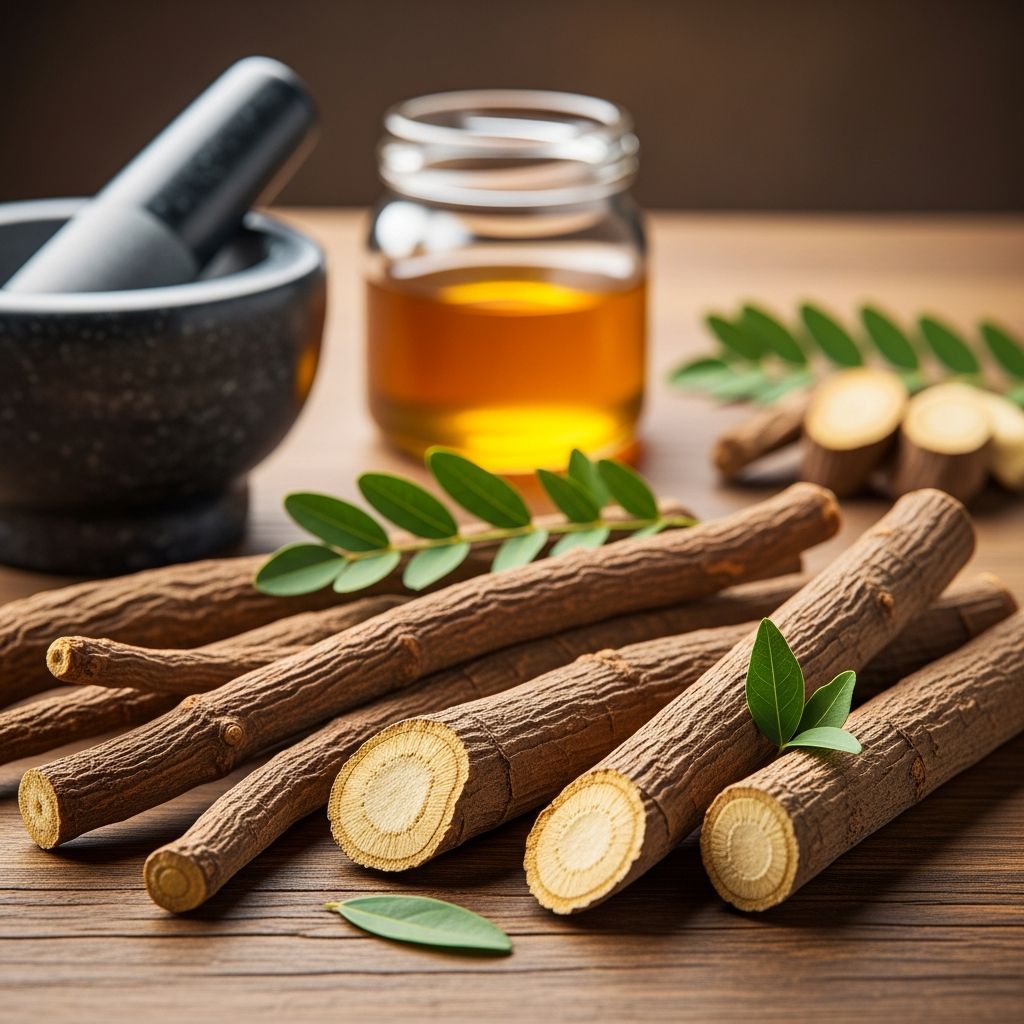
Licorice root has been used for thousands of years in traditional medicine systems across Asia, the Middle East, and Europe. Modern scientific research has begun to validate many of these ancient applications, revealing that this humble plant contains powerful bioactive compounds with therapeutic potential. From supporting digestive health to protecting the liver, licorice root offers a range of evidence-based benefits worth understanding.
What Is Licorice Root?
Licorice root comes from the plant Glycyrrhiza glabra, and the name itself derives from Greek words meaning “sweet root.” The plant’s roots contain more than 400 bioactive compounds, with glycyrrhizic acid and flavonoids being among the most studied. These compounds work synergistically to produce antioxidant, anti-inflammatory, and antimicrobial effects in the body.
The bioactive components in licorice root demonstrate potent therapeutic potential for multiple body systems. Isoflavonoids, flavonoids, and glycyrrhizic acid have shown efficacy in regulating respiratory function, supporting immune response, reducing inflammation, protecting the gastrointestinal tract, and supporting liver health.
Digestive Health and Acid Reflux
Relief from GERD and Heartburn
One of the most well-studied applications of licorice root is its potential to relieve symptoms of gastroesophageal reflux disease (GERD). A 2017 clinical study involving 58 adults with GERD found that taking licorice root daily was significantly more effective at reducing symptoms over a 2-year period compared to commonly used antacid medications.
Licorice root works by promoting mucus production in the stomach and esophagus, which helps protect the lining from acid damage. This protective mechanism makes it particularly useful for individuals seeking natural alternatives to conventional antacids.
Peptic Ulcer Treatment
Licorice root extract and its active component glycyrrhizin may help treat peptic ulcers—painful sores that develop in the stomach, lower esophagus, or small intestine, often caused by H. pylori bacteria. A 2023 animal study demonstrated that licorice flavonoid could help relieve peptic ulcers by increasing mucus production, reducing inflammation, and improving the gut microbiome.
Clinical evidence supports this benefit: a 2016 study in 120 adults found that consuming licorice extract in addition to standard treatment significantly reduced the presence of H. pylori after just two weeks. This suggests licorice root may be a valuable adjunctive therapy for bacterial infections causing ulcers.
Oral Health and Dental Protection
Research demonstrates that licorice root possesses significant antimicrobial properties that can benefit oral health. The herb has been tested in clinical trials as an antimicrobial agent to protect against dental cavities and promote overall oral hygiene.
Licorice root may help protect against several oral health conditions:
- Tooth decay and cavities
- Oral thrush (candida infection)
- Canker sores
- Periodontitis (gum disease)
In one study, a sugar-free herbal lollipop containing licorice used twice daily for 10 days showed antimicrobial benefits for oral health. However, researchers note that more investigation is needed to determine optimal dosing and delivery forms for maximum oral health benefits.
Related Stories



Liver Health and Hepatoprotection
Fatty Liver Disease Support
Glycyrrhizic acid, the primary bioactive component extracted from licorice root, has demonstrated potent hepatoprotective properties. Multiple small clinical trials support a potential beneficial role for glycyrrhizin against non-alcoholic fatty liver disease (NAFLD).
In these studies, aqueous licorice root extract containing glycyrrhizin produced measurable improvements in liver enzyme markers. The protection offered appears to stem from multiple mechanisms: reduction in oxidative stress, stabilization of cellular membranes, inhibition of harmful cellular processes, reduction in pro-inflammatory cytokines, and restoration of bile acid balance.
Chronic Hepatitis Management
Glycyrrhizin has been used clinically in China and Japan for liver disease, particularly chronic hepatitis, for over 40 years. A meta-analysis of 31 randomized controlled trials involving 2,753 patients using glycyrrhizin (in the form of SNMC) for chronic hepatitis supported its anti-viral activity in clinical practice.
Additionally, patients with chronic hepatitis C treated with SNMC showed reduced rates of hepatocellular carcinoma compared to those treated with other herbal medicines, suggesting long-term protective benefits.
Anti-Inflammatory and Antioxidant Properties
Inflammation and oxidative stress underlie many chronic diseases. Licorice root contains powerful compounds that combat both processes simultaneously. The plant’s bioactive components have demonstrated potent antioxidant, anti-inflammatory, and antimicrobial effects across numerous laboratory and clinical studies.
These properties extend to skin health as well. A placebo-controlled randomized controlled trial found that a topical licorice preparation applied twice daily for two weeks significantly reduced inflammation and UV-induced redness in healthy volunteers, with efficacy similar to 1% hydrocortisone acetate cream. This suggests licorice root may support healing in eczema and other inflammatory skin conditions.
Brain Health and Neuroprotection
Emerging research indicates that licorice root may offer neuroprotective benefits, particularly when combined with other medicinal herbs. In the traditional formula yokukansan, licorice root may help reduce dementia-related agitation in certain populations.
Laboratory research in animal models has been particularly promising. Glycyrrhizin at therapeutic doses protected against spatial memory deficits in a rat model of vascular dementia, preserved synaptic plasticity in the hippocampus, and reduced oxidative stress markers. While human clinical trials remain limited, these findings suggest potential benefits for age-related cognitive decline.
Anti-Viral and Anti-Microbial Activity
Licorice-derived glycyrrhizin has demonstrated anti-viral activity both in laboratory studies and in clinical trials. Its use as a treatment for chronic hepatitis supports its anti-viral effectiveness in real-world conditions. Beyond hepatitis, licorice’s antimicrobial properties make it useful for various infections.
The antimicrobial spectrum of licorice root suggests potential applications for:
- Bacterial infections contributing to oral disease
- Fungal infections such as oral thrush
- Viral infections (particularly hepatitis)
- Respiratory tract infections
Other Potential Health Benefits
Beyond the well-established applications above, licorice root extract is associated with several other potential benefits under active research:
- Respiratory support: Traditional use for coughs and respiratory conditions
- Diabetes management: Preliminary evidence suggests potential benefits
- Menopause symptom relief: Some studies indicate possible hormone-related effects
- Stress resilience: Used traditionally to enhance resistance to stress-related responses
- Weight management: Emerging research on metabolic effects
However, these applications require additional comprehensive human studies before definitive recommendations can be made.
How to Use Licorice Root
Forms and Preparation
Licorice root is available in multiple forms to suit different preferences and health goals:
- Whole dried root: Can be brewed into tea
- Root extract: Concentrated liquid or powder form
- Deglycyrrhizinated licorice (DGL): Modified form with reduced glycyrrhizin content, often recommended for ulcer treatment
- Topical preparations: Gels and creams for skin application
- Lozenges and herbal candies: For oral health benefits
Typical Dosing
In clinical studies supporting health benefits, licorice has been used in various forms. For example, studies examining GERD benefits used daily licorice root supplementation, while liver health studies employed aqueous extracts containing 20% glycyrrhizin at 2 grams daily for 2 months. However, optimal dosing varies by condition and preparation form, so consultation with a healthcare provider is recommended.
Safety Considerations and Side Effects
Electrolyte and Blood Pressure Effects
While generally safe for short-term use, licorice root—particularly when consumed in high amounts—can affect electrolyte balance and blood pressure. A meta-analysis of 18 clinical trials found that licorice containing at least 100 mg glycyrrhizin was associated with significant decreases in plasma potassium and increases in blood pressure and renin levels in some individuals.
These mineralocorticoid-like side effects are more pronounced with glycyrrhizin-containing preparations and are less likely with deglycyrrhizinated licorice (DGL) products.
Who Should Avoid Licorice Root
Certain individuals should exercise caution or avoid licorice root entirely:
- Pregnant and breastfeeding women
- People with high blood pressure or hypertension
- Individuals taking medications that interact with potassium or electrolytes
- Those with kidney disease
- People using corticosteroid medications
Long-Term Use Recommendations
Excessive consumption of licorice root can lead to hypertension and electrolyte imbalances. It is generally recommended to use licorice root for short-term periods (typically 2–8 weeks) unless under the supervision of a qualified healthcare provider. Deglycyrrhizinated licorice (DGL) is often considered a safer option for longer-term use due to its reduced glycyrrhizin content.
Frequently Asked Questions
Q: Is licorice root safe for daily use?
A: Short-term daily use of licorice root (typically up to 8 weeks) is generally considered safe for most people. However, long-term daily use may lead to electrolyte imbalances and elevated blood pressure, particularly with high-glycyrrhizin preparations. Deglycyrrhizinated licorice (DGL) is safer for extended use. Always consult a healthcare provider before beginning any supplement regimen.
Q: Can licorice root help with acid reflux?
A: Yes, clinical evidence supports licorice root’s effectiveness for acid reflux. A 2017 study found it more effective than common antacids over a 2-year period for reducing GERD symptoms. Licorice promotes mucus production, which protects the stomach and esophageal lining from acid damage.
Q: What is the difference between licorice root and DGL?
A: Deglycyrrhizinated licorice (DGL) is a processed form of licorice with most of the glycyrrhizin (the compound that can raise blood pressure) removed. While regular licorice root contains more active compounds, DGL is safer for people with hypertension or those taking long-term supplements.
Q: How long does it take to see benefits from licorice root?
A: The timeline varies by condition. For acute issues like oral infections, benefits may appear within days to weeks. For chronic conditions like GERD or liver disease, clinical studies typically assessed benefits over weeks to months of consistent use.
Q: Can licorice root treat H. pylori infection?
A: Research suggests licorice root may help reduce H. pylori bacteria when used alongside standard medical treatment. A 2016 study found that licorice extract combined with conventional therapy significantly reduced bacterial presence after two weeks, but it should complement—not replace—prescribed antibiotics.
The Bottom Line
Licorice root represents a bridge between traditional herbal medicine and modern evidence-based therapy. Its bioactive compounds—particularly glycyrrhizic acid and flavonoids—have demonstrated real therapeutic potential across multiple body systems: the digestive tract, liver, oral cavity, skin, and even the brain.
The strongest evidence supports licorice root for acid reflux and GERD, peptic ulcer support, liver health (particularly fatty liver disease and hepatitis), oral health, and anti-inflammatory effects. While additional research is needed for some applications, the existing body of clinical evidence is encouraging.
For safe and effective use, choose the appropriate form (whole root, extract, or DGL) based on your specific health goals, use for recommended durations, and always consult a healthcare provider—especially if you have hypertension, kidney disease, or take medications regularly. When used appropriately, licorice root can be a valuable addition to a comprehensive approach to health and wellness.
References
- Licorice root – Alzheimer’s Drug Discovery Foundation — Alzheimer’s Drug Discovery Foundation. Accessed 2025. https://www.alzdiscovery.org/
- Glycyrrhiza glabra (Licorice): A Comprehensive Review on Its Phytochemistry, Pharmacological, and Clinical Efficacy — National Center for Biotechnology Information (NCBI). 2023. https://pmc.ncbi.nlm.nih.gov/articles/PMC8703329/
- Licorice Root: Benefits, Uses, Precautions, and Dosage — Healthline Media. 2024. https://www.healthline.com/nutrition/licorice-root
- Licorice: a review of nutritional, medicinal, economic, and toxicity — Oxford Academic (International Journal of Food Science & Technology). 2024. https://academic.oup.com/ijfst/article/60/2/vvaf236/8346040
- Licorice Root: Usefulness and Safety — National Center for Complementary and Integrative Health (NCCIH). Accessed 2025. https://www.nccih.nih.gov/health/licorice-root
Similar Articles








Read full bio of Sneha Tete