Health Benefits Of Mango: 10 Key Advantages For Healthy Living
Discover the impressive nutritional profile and science-backed health benefits of mango, from immune support to heart health.
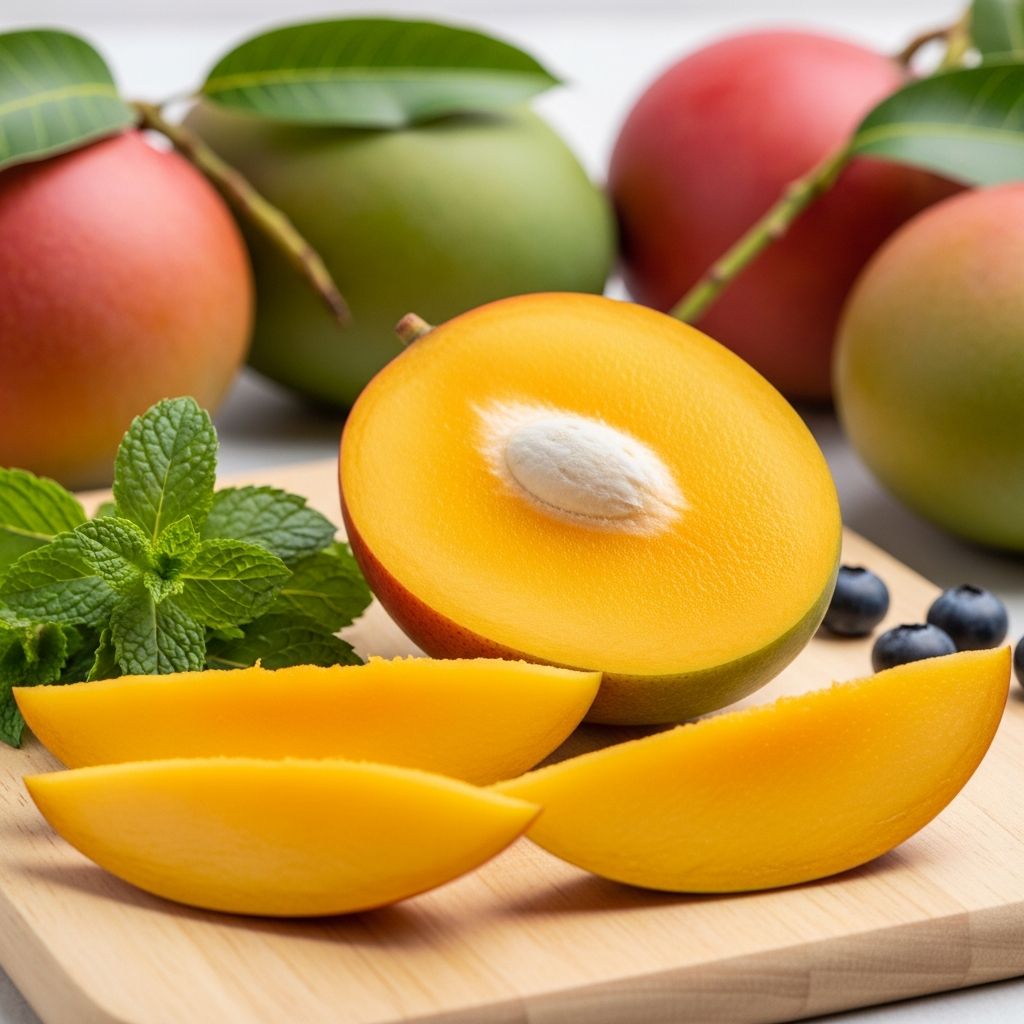
Mango, often called the “king of fruits,” is a tropical delight loaded with essential vitamins, minerals, fiber, and potent antioxidants. One cup (165 grams) of fresh mango provides about 100 calories, 3 grams of fiber, 67% of the daily value (DV) for vitamin C, 10% DV for vitamin A, and significant amounts of folate, copper, and potassium, making it a nutrient-dense choice for overall health.
Mango Nutrition Facts
A single serving of mango delivers a powerhouse of nutrients. Key components include high levels of water-soluble vitamin C for immune function and iron absorption, fat-soluble vitamin A for vision and skin health, and folate for cell division and DNA synthesis.
- Vitamin C: 60-67 mg (67% DV) – Supports collagen formation and antioxidant defense.
- Vitamin A (as beta-carotene): 89-90 mcg (10% DV) – Essential for immune health and eye function.
- Folate: 71 mcg (18% DV) – Critical for preventing birth defects and supporting red blood cell formation.
- Copper: 0.2 mg (20-22% DV) – Aids in iron absorption and connective tissue health.
- Vitamin B6: 0.2 mg (12-15% DV) – Helps metabolize proteins and supports brain health.
- Potassium: 277 mg (6% DV) – Regulates blood pressure and muscle function.
- Fiber: 3 grams (10-20% DV) – Promotes digestive regularity and satiety.
- Other notables: Vitamin E (10% DV), vitamin K (6% DV), magnesium (4-8% DV).
Mango consumers show higher intakes of fiber, magnesium, potassium, folate, vitamins A, C, and E, alongside lower added sugars and cholesterol, per NHANES data analysis. This profile positions mango as a low-calorie fruit (about 99-120 calories per cup) that enhances diet quality.
1. May Boost Immunity
Mangoes are rich in immune-boosting nutrients like vitamins A and C. One cup provides 67% DV vitamin C, which enhances white blood cell function and acts as an antioxidant against pathogens, while 10% DV vitamin A maintains mucosal barriers and supports T-cell production. Studies link higher vitamin A and beta-carotene levels to reduced asthma risk in children, suggesting mango’s role in allergic disease prevention. Folate and other micronutrients further fortify defenses, making mango ideal during cold seasons.
2. Supports Heart Health
The potassium, magnesium, and fiber in mangoes contribute to cardiovascular wellness. Potassium (277 mg per cup) helps lower blood pressure by countering sodium effects, while magnesium supports regular heartbeat and vessel relaxation. Antioxidants like mangiferin, quercetin, and beta-carotene reduce oxidative stress and inflammation, key factors in heart disease. NHANES data shows mango eaters have better nutrient profiles for heart health, including higher fiber and lower cholesterol. Folate aids in reducing homocysteine levels, a heart disease risk factor.
3. Promotes Healthy Digestion
With 3 grams of dietary fiber per cup, mangoes aid bowel regularity and prevent constipation. Soluble fiber feeds gut bacteria, promoting a healthy microbiome, while insoluble fiber adds bulk to stool. Enzymes like amylase in mango assist carbohydrate breakdown, easing digestion. Studies confirm higher fiber intake among mango consumers correlates with improved gut health. Pairing mango with probiotic foods amplifies these benefits for overall digestive wellness.
4. Aids Blood Sugar Control
Despite natural sugars (about 20g per cup), mango’s fiber, low glycemic index, and bioactive compounds like mangiferin help stabilize blood sugar. The fiber slows sugar absorption, preventing spikes, while antioxidants improve insulin sensitivity. Research indicates mango consumption supports steady energy without adverse glycemic effects, beneficial for diabetes management when portion-controlled. NHANES links mango intake to healthier overall diets with lower added sugars.
5. Supports Eye Health
Vitamin A and beta-carotene (1,060 mcg per cup) in mango protect against age-related macular degeneration and night blindness. These carotenoids filter harmful blue light and reduce oxidative damage in the retina. Lutein and zeaxanthin, additional mango antioxidants, maintain macular pigment density for sharp vision. Regular intake supports long-term eye health, especially in aging populations.
Related Stories



6. May Benefit Skin Health
Antioxidants vitamin C, E, and beta-carotene combat free radicals, promoting collagen synthesis for firm skin. Vitamin C (67% DV) is vital for wound healing and UV protection, while vitamin A regulates skin cell turnover to prevent acne and dryness. Mangiferin’s anti-inflammatory properties soothe conditions like eczema. Topical and dietary mango use enhances glow and elasticity.
7. Supports Brain Health
Vitamin B6 and folate in mango aid neurotransmitter synthesis, potentially improving mood and cognition. Antioxidants like quercetin cross the blood-brain barrier, reducing neuroinflammation linked to Alzheimer’s and depression. Potassium supports nerve signaling, contributing to mental clarity. Emerging research highlights mango’s role in cognitive preservation through oxidative stress reduction.
8. Anticancer Potential
Mango’s polyphenols (mangiferin, quercetin, astragalin) exhibit anticancer properties in lab studies by inducing apoptosis in cancer cells and inhibiting tumor growth. Beta-carotene and vitamin C neutralize carcinogens. While human trials are needed, population studies associate high fruit intake like mango with lower cancer risk. Dried mango retains these antioxidants effectively.
9. Bone Health Support
Vitamin K (6% DV) and magnesium promote bone mineralization and density. Vitamin K activates osteocalcin for calcium binding in bones, while magnesium aids vitamin D function. These nutrients help prevent osteoporosis, especially in folate-replete diets from mango.
10. Improves Diet Quality
NHANES analysis (2011-2018) reveals mango consumers, especially adults, have superior nutrient intakes (fiber, vitamins, minerals) and lower sodium, added sugars, and cholesterol, scoring higher on diet quality indices. Children show gains in choline, vitamin D, and reduced fats. Mango enhances overall dietary patterns as a versatile fruit.
How to Eat Mango
Incorporate mango fresh, frozen, or dried. One cup sliced equals a serving. Add to smoothies, salads, salsas, or yogurt. Grill slices for dessert or blend into dressings. Dried mango provides concentrated nutrients but watch portions due to sugars.
| Preparation | Serving Ideas | Nutrient Boost |
|---|---|---|
| Fresh | Salad, smoothie | Max vitamin C |
| Dried | Snack, trail mix | Antioxidants |
| Grilled | Side dish | Fiber retained |
FAQs
Is mango good for weight loss?
Yes, its fiber promotes fullness with low calories (99 per cup), aiding portion control.
Can diabetics eat mango?
In moderation; fiber and low GI help manage blood sugar.
How much mango per day?
1-2 cups; provides key nutrients without excess sugar.
Are mango allergies common?
Rare, but possible in latex-fruit syndrome; peel and cook if sensitive.
Is dried mango healthy?
Yes, retains vitamins A, iron, potassium, but higher calories.
References
- Mango: Nutrition, Health Benefits, and How to Eat It — Healthline. 2023. https://www.healthline.com/nutrition/mango
- Mango Nutrition: Tropical Fruit that Aids Blood Sugar, Brain Health — DrAxe.com. 2024-01-15. https://draxe.com/nutrition/mango-nutrition/
- Health Benefits of Mango — WebMD. 2024. https://www.webmd.com/diet/health-benefits-mango
- Mango Consumption Is Associated with Improved Nutrient Intakes — PMC (NIH). 2022-01-11. https://pmc.ncbi.nlm.nih.gov/articles/PMC8746860/
- 5 Surprising Mango Benefits You Didn’t Know — JuneShine. 2023. https://juneshine.com/blogs/news/5-surprising-mango-benefits-you-didn-t-know
Similar Articles








Read full bio of Sneha Tete